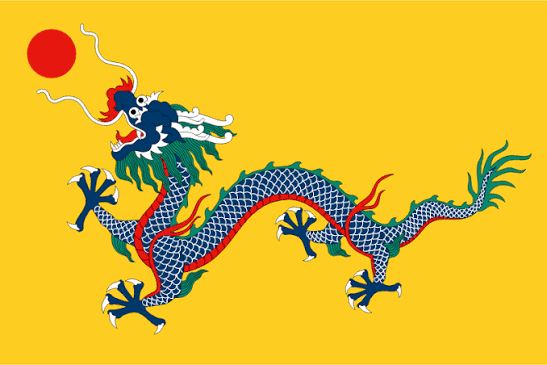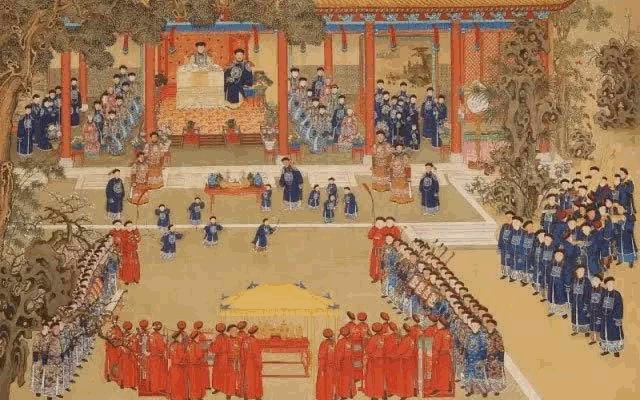
Qing dynasty style |
- There was never truly any empire that was named
Tartaria, it was a name the fallen angels used on early
maps to mock the Most High Father.
- This is because
when he came to Earth almost 2 million years
ago (when he first followed Sophia down and watched over
everything for
1,000 years), he introduced the Roman-Greco style
architecture and that was also the area of the world he
resided in.
- You might say
that the Most High created the first democracy, though
he never ruled over anything.
- The fallen
angels used the name as a smear because Tartaria meant
'hell' in the Bible (which they wrote), so they used that
moniker to mock the Most High and his architecture.
-
Although this didn't happen in the early years because
the entire world had Greco-Roman style buildings and
they
could be found everywhere.
- However, at that time the world
was sparsely populated so there was very little
construction of any kind.
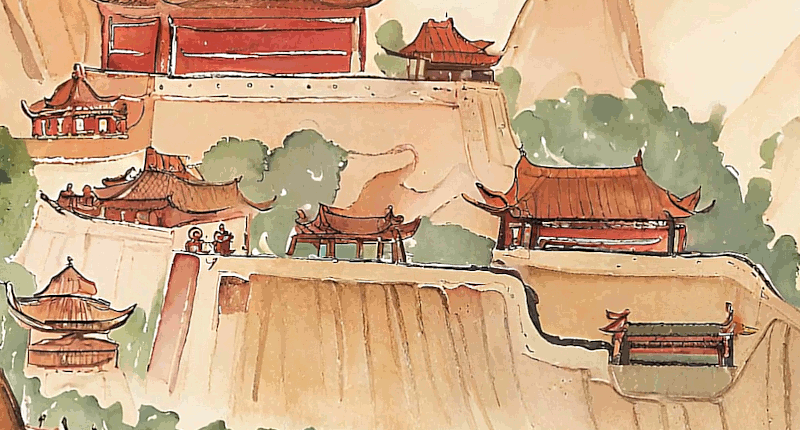
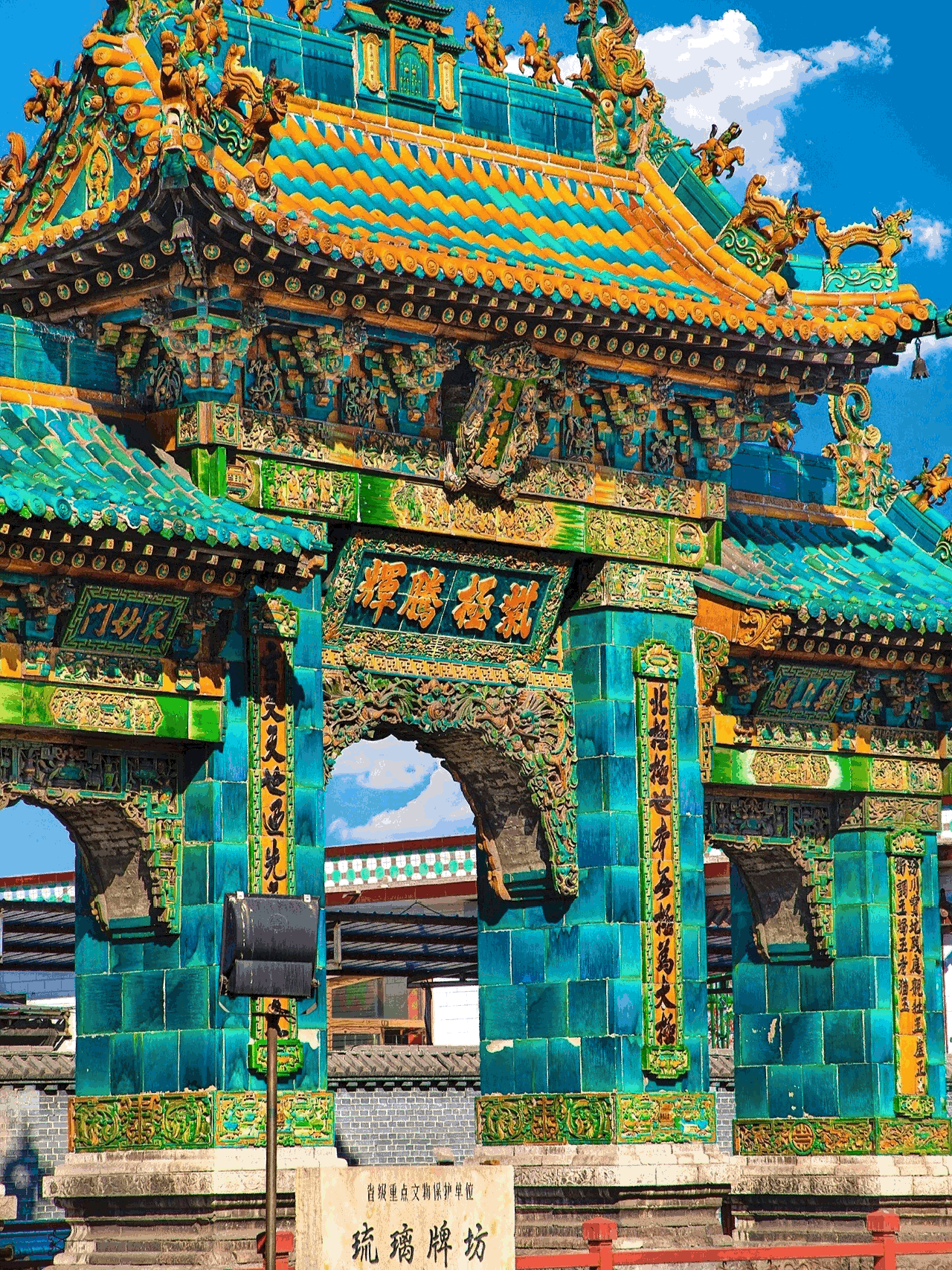
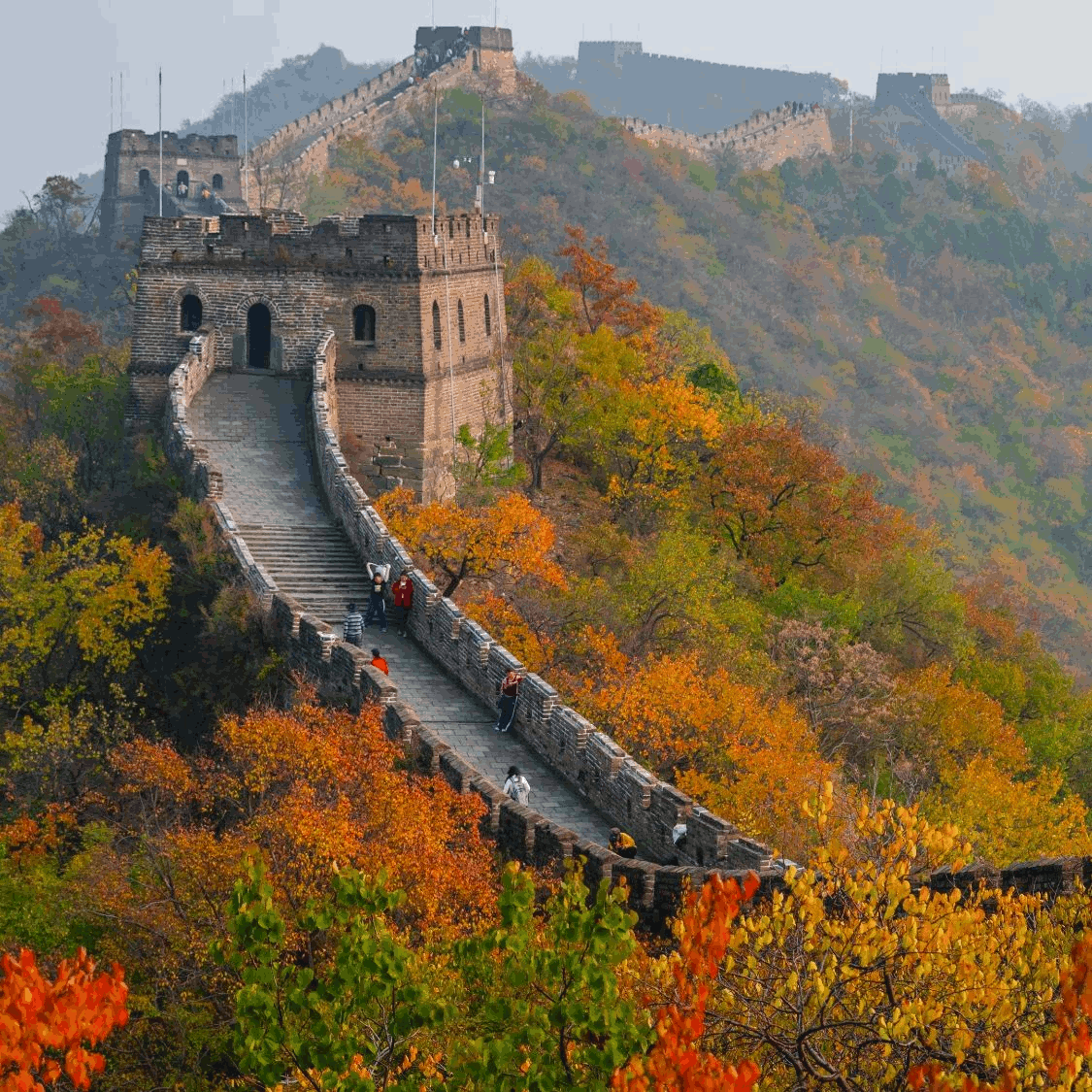
Chinese architecture |
- As time passed, the fallen
angels completely took over everything on Earth and they
also took credit for all the architecture (that they
didn't build).
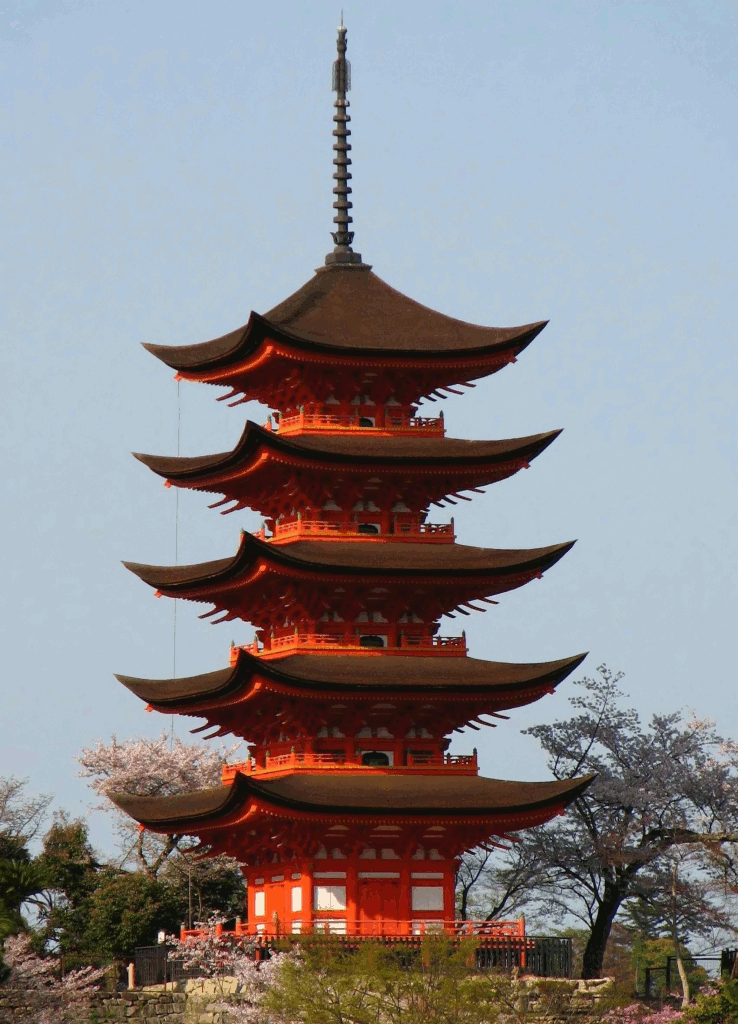
- Each country
began to adopt their own unique styles of construction that were very different
than Greco-Roman and you can see that in places like
China.
- Additionally, they didn't all have the
mastery of stonework that the Greco-Roman architecture
required, which was all masonry, so more often they built
things out of wood, though there were individual
styles in places like Egypt that extensively used stone, it was their own unique style.
- It
wasn't until the latter years (16th through
19th-centuries) when the world population started
growing, that more and more areas started building
Roman-Greco architecture on a large scale.
Marble Arch, London |
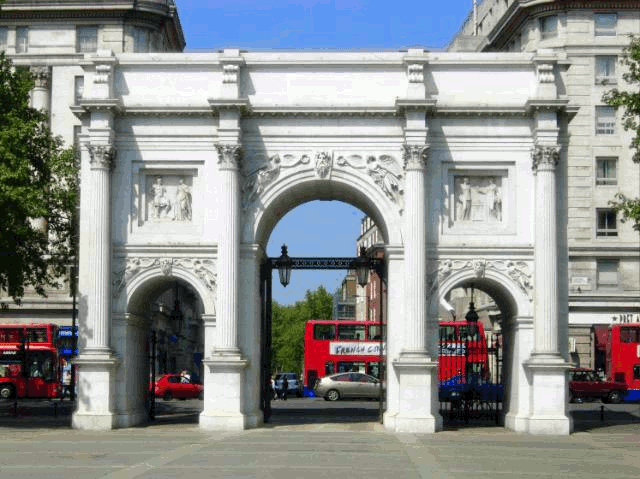
- This was because
as countries modernized, they installed kings instead of
emperors and the governments turned more to democracy
than the dictatorships of the empires.
- When that
occurred, they began to build in the Greco-Roman style because it
represented the power and order of democracy.
- The leaders used columns, domes, and symmetry to make their new buildings look like old Greece and Rome
where democracy began.
- So the Greco-Roman
architecture that was very sparsely constructed throughout
the world early on, became prevalent in many nations.
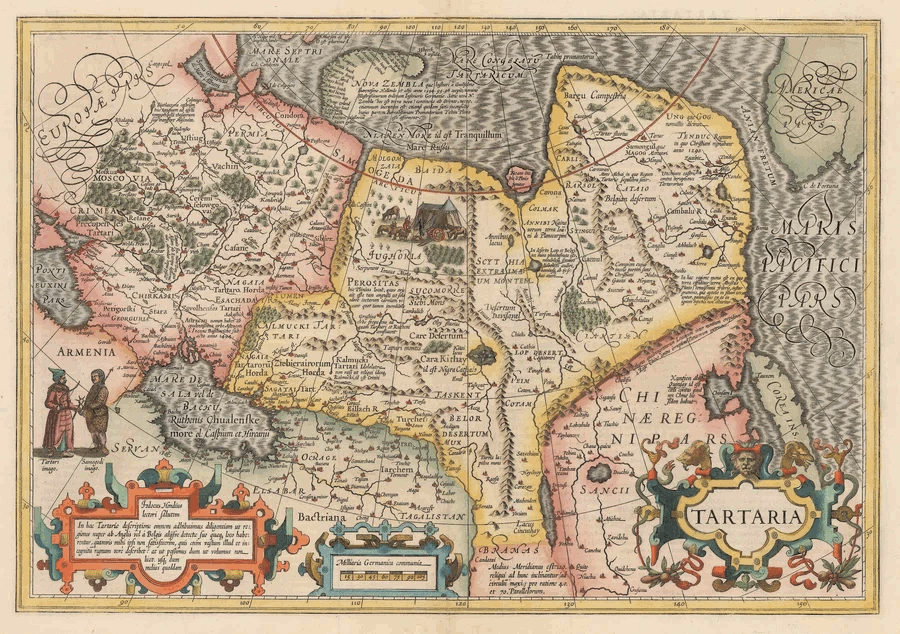
- That is when the name Tartary or Tartaria started
appearing on maps.
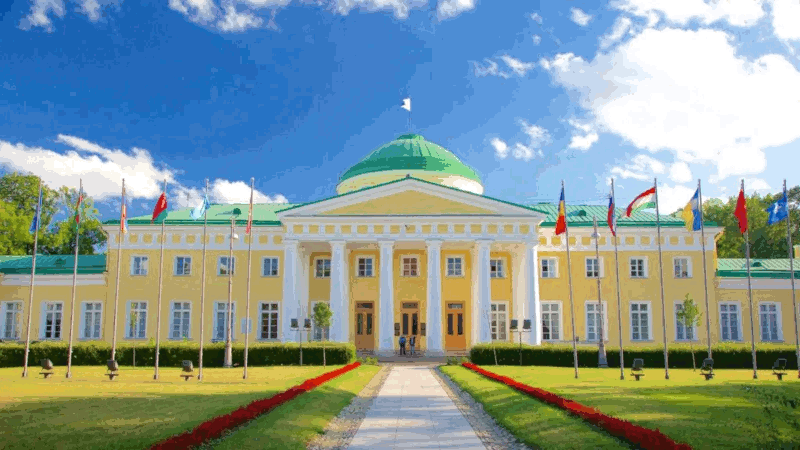
Tavrichesky Palace, St. Petersburg |
- The area in northern Asia, which was later called
Russia was one of the countries that was labeled as
Tartaria on early maps.
- This is
because it had modernized and installed kings (tsars)
instead of emperors and the architecture began to mimic
Greece and Rome and that is when all the mocking by the
fallen angels began.
- Throughout Europe, kings and rich cities built big museums and courts with old Roman arches,
and in St. Petersburg in Russia, the builders added tall columns and grand domes to look like a global capital.
- Greco-Roman architecture in Russia refers to the Neoclassical and Greek Revival movements of the late 18th and early 19th-centuries.
- Empress Catherine the Great and her successor Alexander I made classical symmetry, columns, and domes the official imperial style to project monumental power.
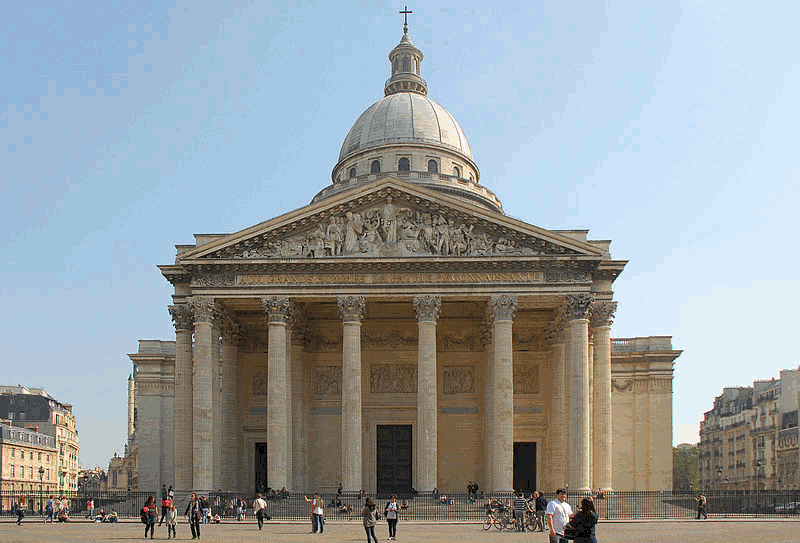
The Pantheon, Paris |
- Technically, however, the entire
world could have been called Tartaria in the early years
because the Most High Father's architecture could be found everywhere, although it
was never depicted as Tartaria on maps.
- Additionally,
places like North America and Australia had a small
population so there wasn't a lot going on as far as
building.
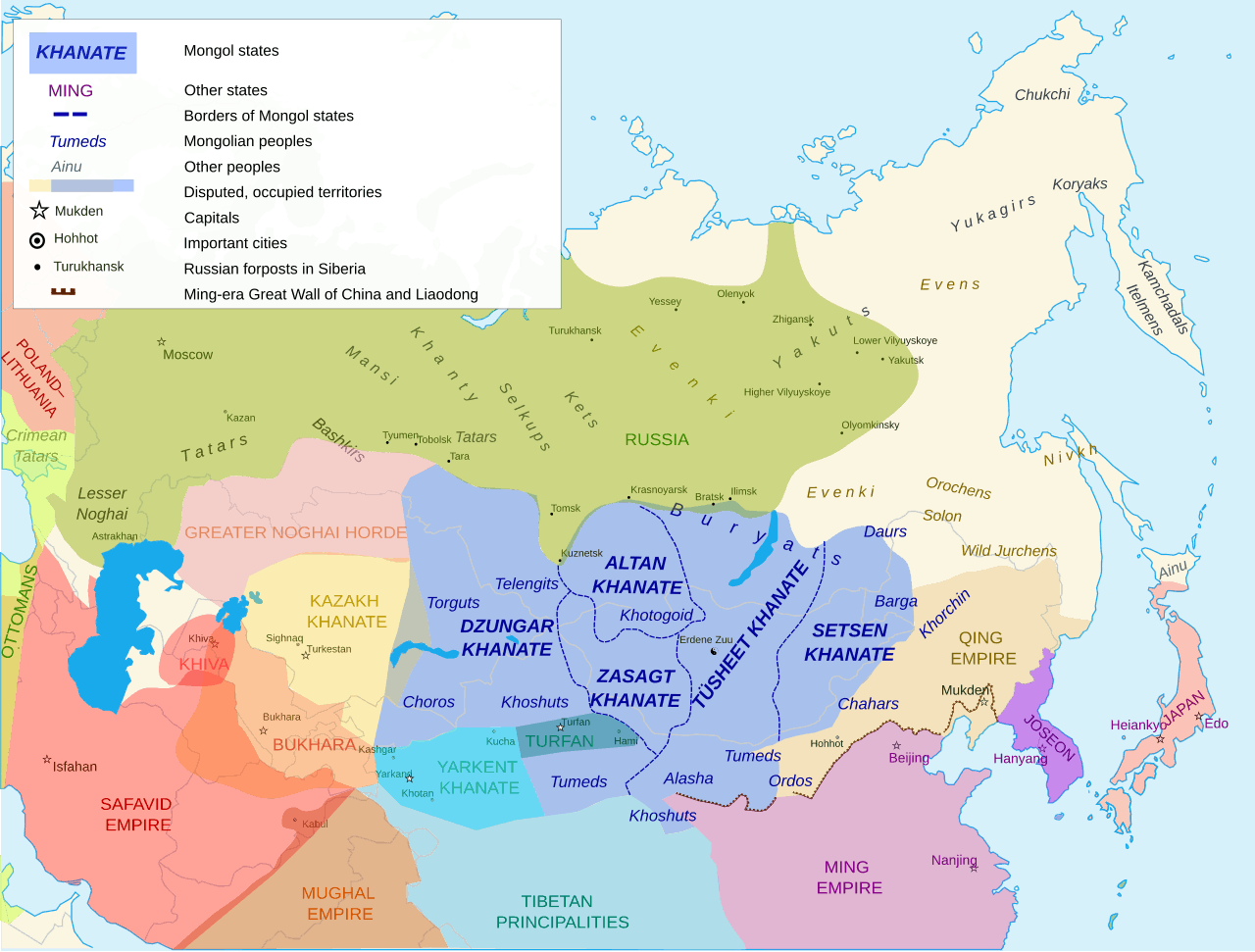
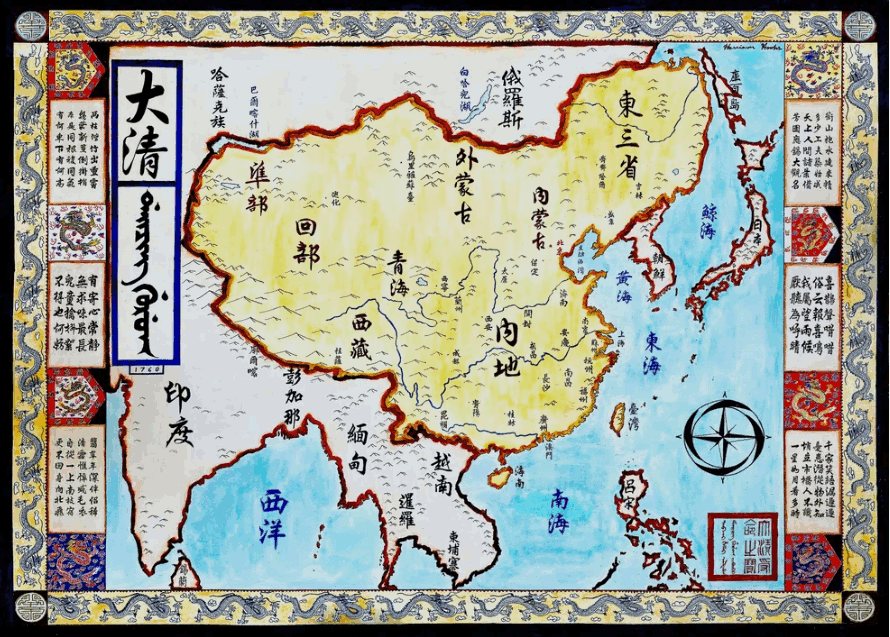
- The Qing dynasty in China still had
emperors ruling, however, it began the shift to
democracy during those years and that is why China was
also called Tartary on old maps as they switched to a
more Western style of government, their architecture
changed as well.
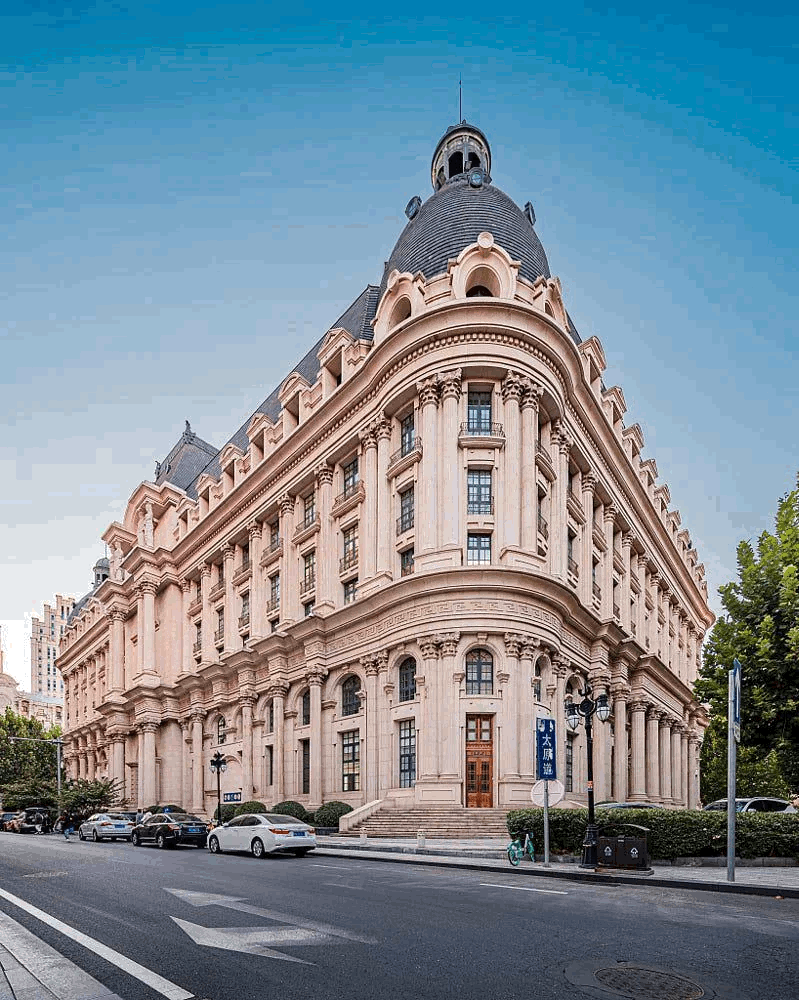
Tianjin, China |
- The Qing Dynasty occurred during the same
period that Tartaria showed up on all the European maps.
- Which is the reason we're focusing on this dynasty,
because before that, architecture in China was very old
world and 'oriental' in style.
- Whereas during the Qing
Dynasty, many important buildings were constructed in the
Greco-Roman (Tartarian) style.
- This is the reason that
China was noted as Tartaria on old European maps, along with Imperial Russia which underwent similar design changes
in architecture during those same centuries.
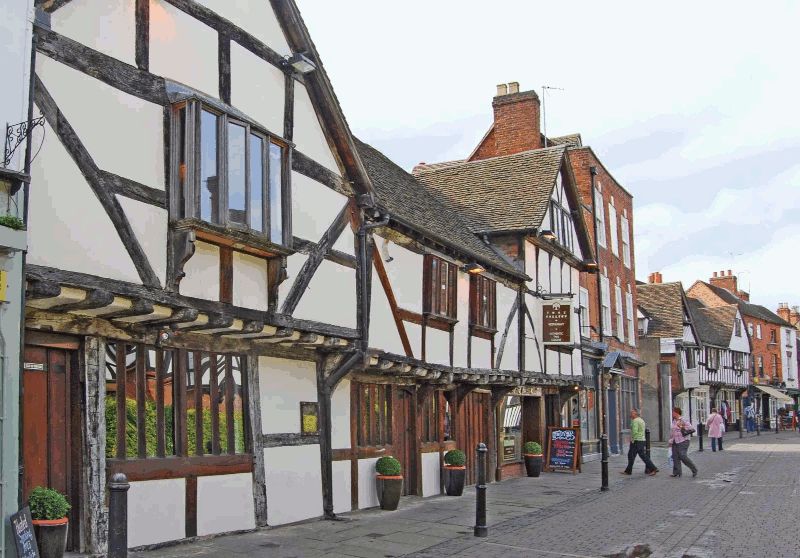
British Tudor-style
from the 1500s |
- Some credit the introduction of
Greco-Roman architecture in China on the huge influence that Britain
had on that part of the world.
- However, the British
themselves didn't traditionally build with Greco-Roman styling
until that same timeframe as they had their own style that was
timber-based.
- For example, British architecture in the 1500s transitioned from late medieval Gothic to the distinct Tudor style and later, grand Elizabethan
'prodigy houses.'
- Influenced by the English Reformation and growing wealth, castle building declined, making way for decorative timber-framing, symmetrical country mansions, large glass windows, and elaborate brickwork.