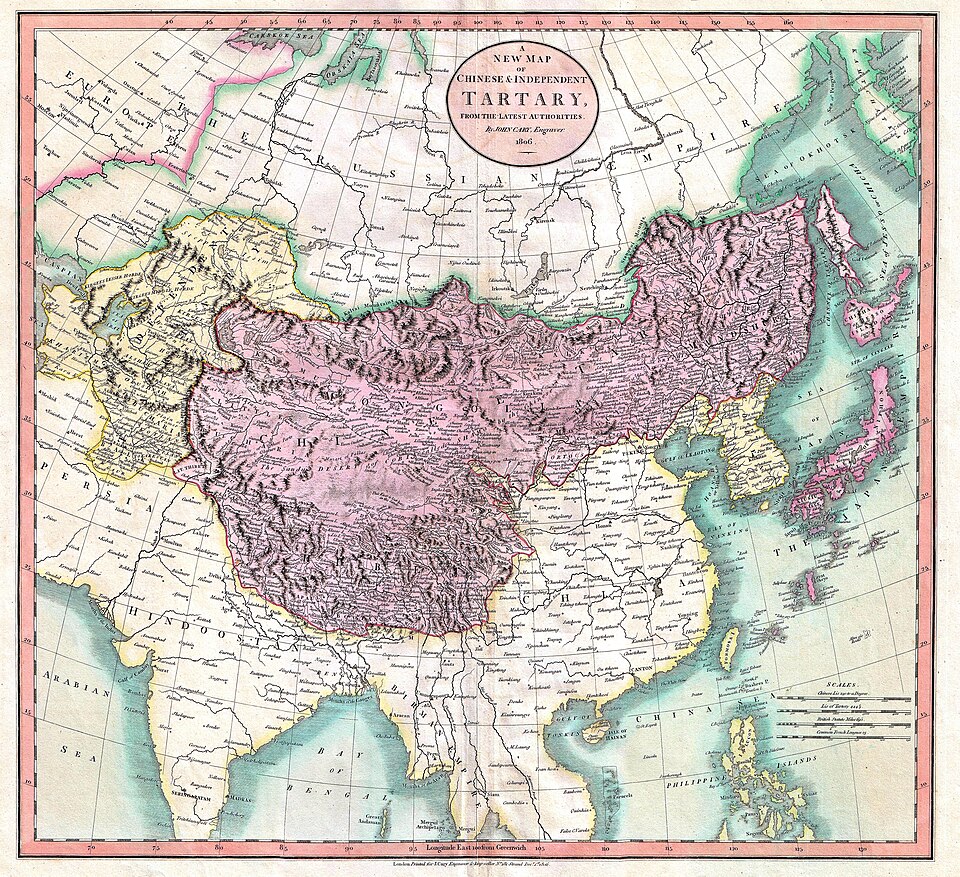
- By the 19th-century, the enormous territory
once labeled Tartary had largely vanished from modern maps.
- Geographical names change and empires rise and
fall.
- There is nothing inherently mysterious about
that, yet, alternative researchers (truth seekers) argue that the
disappearance of Tartaria coincided with something larger.
- It was the consolidation of royal power, the expansion
of international banking, the rewriting of national
histories, the destruction and reclassification of
archives, and the emergence of a new industrial world
whose architecture sometimes appears far older than its
official construction dates suggest.
- At the center of
those claims are families, the Romanovs, the Habsburgs,
the Hanoverians, the dynasties that later became
associated with the British royal house, and in a
different but equally influential sphere, the Rothschild
banking family.
- There is no real place to begin since
this story has been going on since the beginning of human
life on Earth about 2 million years ago.
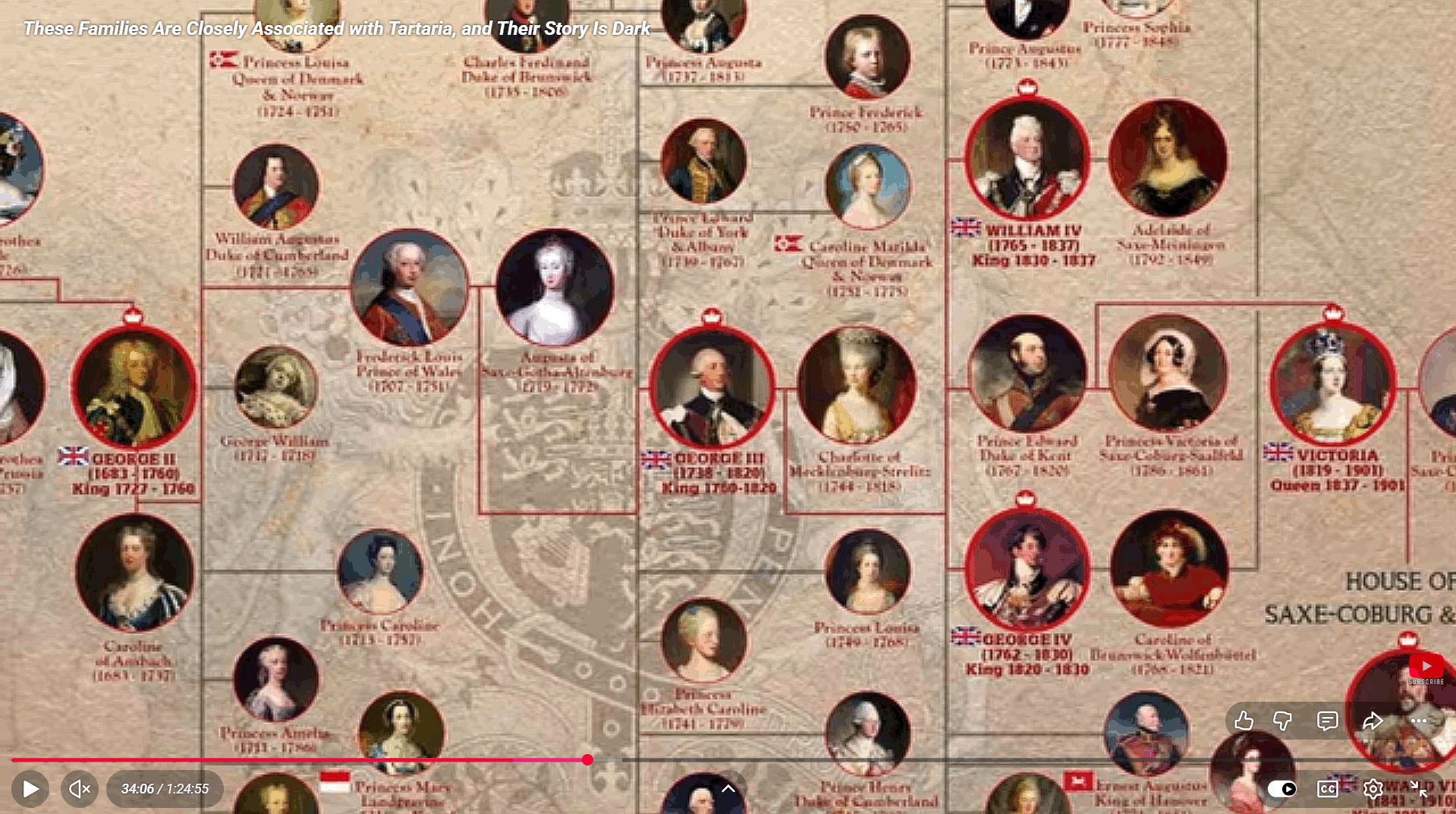
History Origins
tells the whole
story |
- The fallen angels create natural disasters such as mud
floods and also trigger a 'Great Reset' every 6,000 years
that wipes out the entire population on Earth and they
begin everything over again (and again).
- This is
because they know that none of us ever die, we all
reincarnate, and yet they fear us when we live too long,
because we become very wise.
- The most amazing thing
(for them) is when society is rebuilt (again), these
families seem to own everything and they're all sitting in
the highest seats that rule over all of us.
- Only
they're at the end times (for them) and won't be able to
continue their scam because Sophia and the Most High
Father are ending it now.
- However, there is not one
place where the story really begins because all these
fallen angels are interconnected and working their 'magic' at
the same time, throughout many countries, and unlike the
ancient Tartarian maps, in all corners of the flat Earth
we live in.
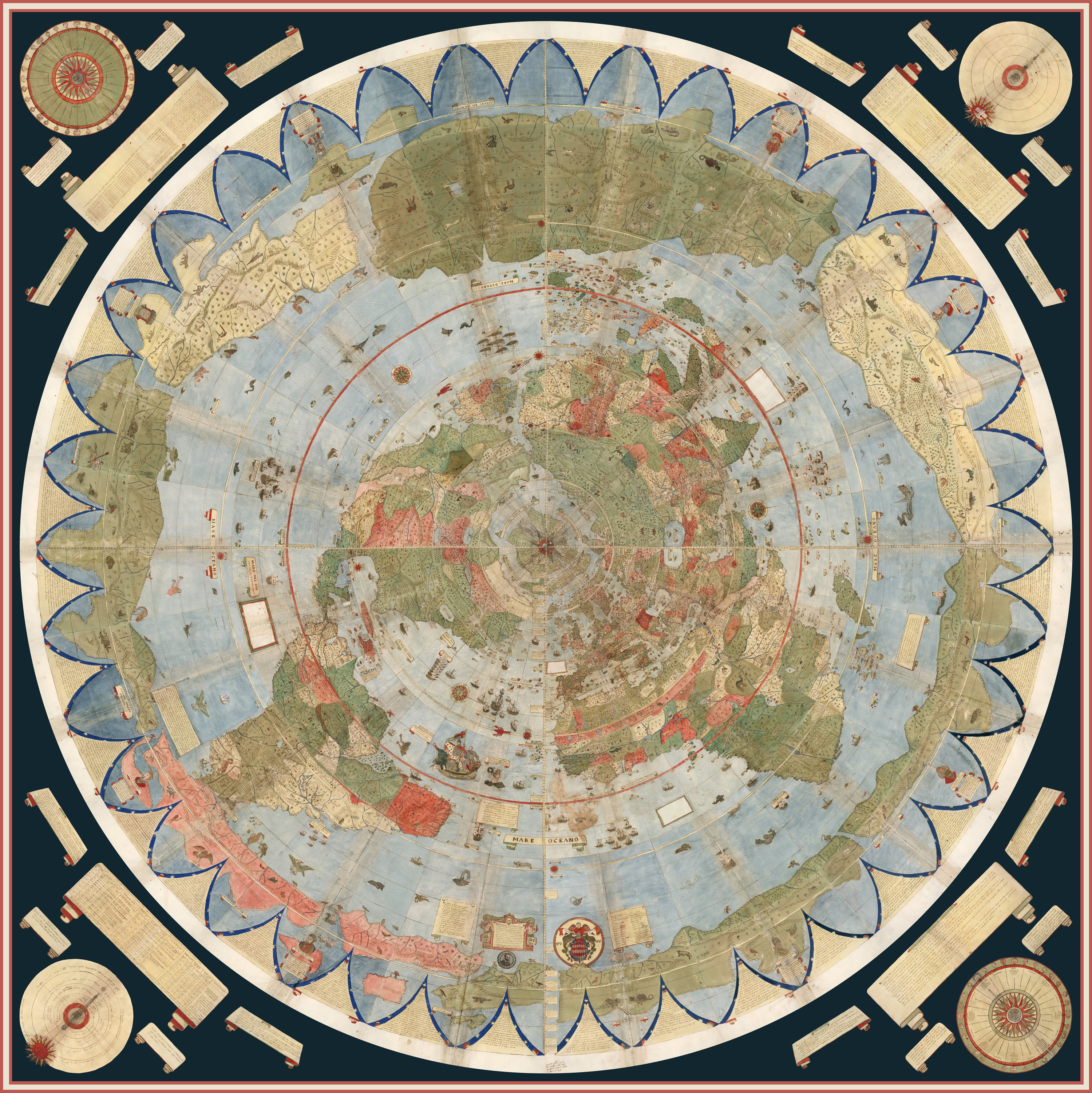
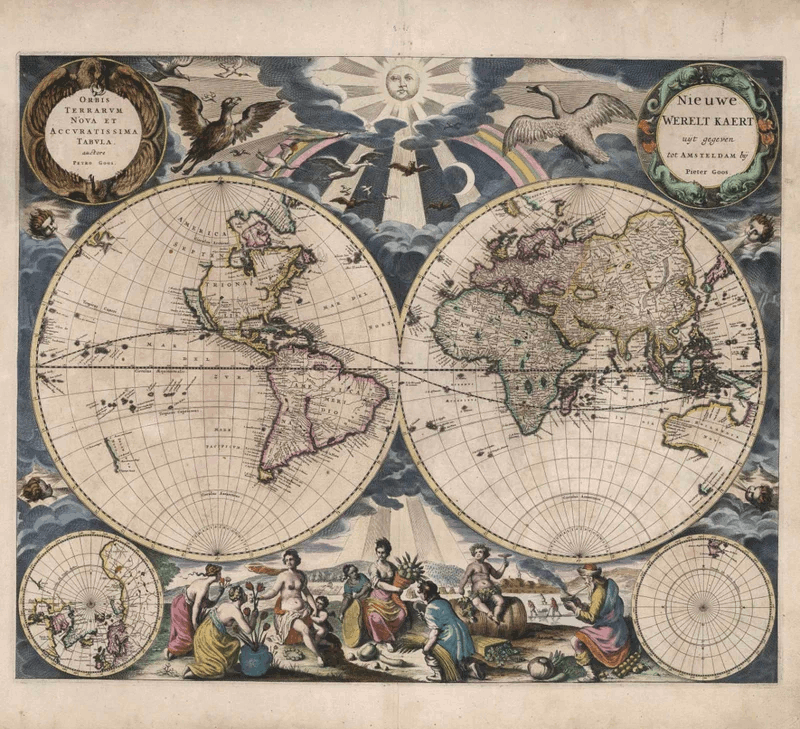
World map |
- Buildings are repurposed, religious symbols are
removed or reinterpreted, archives become inaccessible to
ordinary people.
- Displaced populations lose oral
traditions and new industries bring migrants who have no
connection to the local past.
- Time does the work that
force begins and this explains why Tartaria theories often
focus on the period between 1700 and 1900.
- During
those 2 centuries, the world experienced imperial
expansion, industrialization, mass warfare, national
education, centralized bureaucracy, and rapid urban
reconstruction.
- The transformation was enormous and
it was presented as progress and some of that was
certainly legitimate, but when the same families appear
beside all the transitions it must be questioned.
- They finance
reconstruction, control territory, preserve collections,
benefit from new borders, and survive revolutions, and
through everything, their influence moves from one
historical era into the next.
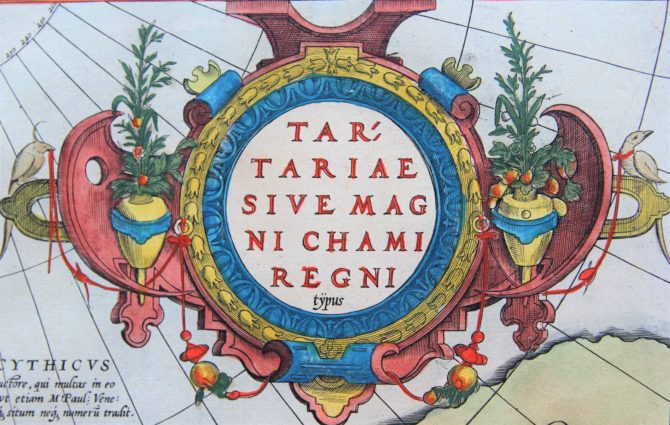
Map ledger |
- Perhaps we are not looking at a single 'conspiracy,'
perhaps we are looking at something much older, and more
durable.
- A class of families whose greatest talent
was not ruling one empire, but surviving the death of
many.
- If so, their connection to Tartaria may not
lie in having destroyed it, it may lie in having
inherited the world that remained after it disappeared.
- That possibility leads us to the most unsettling
theory of all, because once the clues are placed beside
one another, the investigation changes.
- We are no
longer asking whether a single map was misunderstood,
whether one building was constructed unusually quickly,
or whether one family happened to benefit from political
upheaval.
- Instead, we are asking whether the same
systems of power repeatedly appeared at the moments when
names, borders, institutions and historical memory were
being transformed.
- The deeper we dig, the more the
pattern begins to resemble a network rather than a
sequence of isolated events.
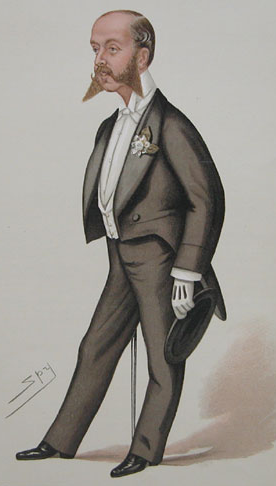
Public domain, via Wikimedia Commons
Alfred de Rothschild, by Leslie Ward, 1884 |
- Could inherited knowledge have been presented
as knowledge or could captured infrastructure been
described as new construction?
- Could the archives of
defeated peoples have been absorbed into royal or private
collections?
- Or could a civilization vanish not
through total destruction, but through a carefully managed
change of identity?
- The story we are examining stands
at the border between documented history and historical
speculation.
- Some connections are real while others
are exaggerated and some are based on misunderstood maps.
- Others reveal how remarkably interconnected elite power
has always been, our task is not to accept every theory.
- It is to follow the pattern and examine the families
most often associated with Tartaria, the periods during
which their power expanded, the territories they
controlled and the institutions they financed and the
strange historical transitions that occurred around them.
RUSSIA
|
|
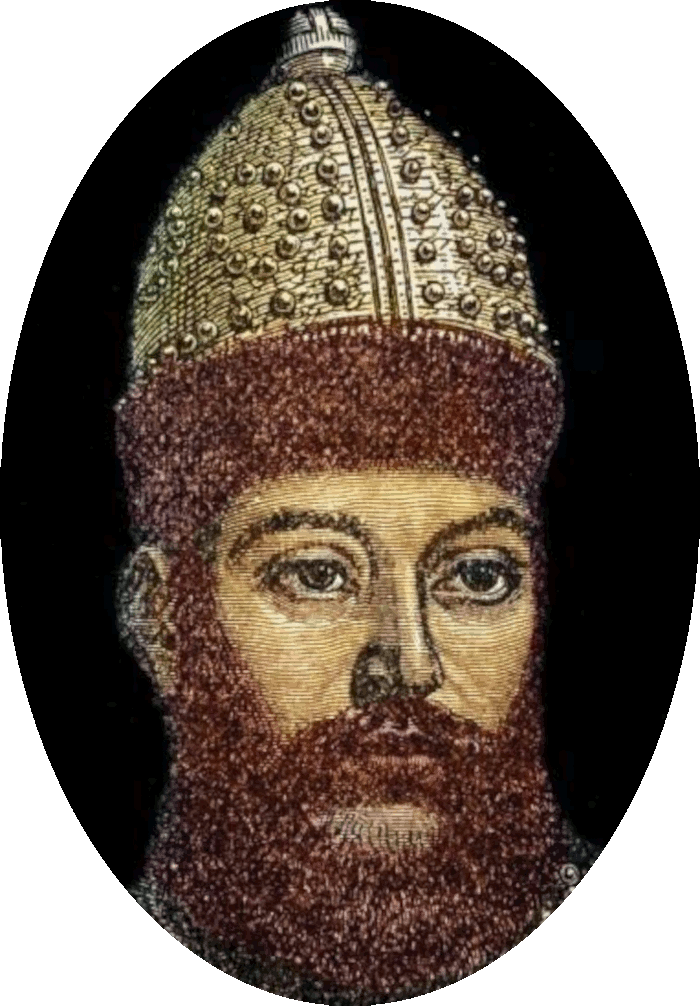
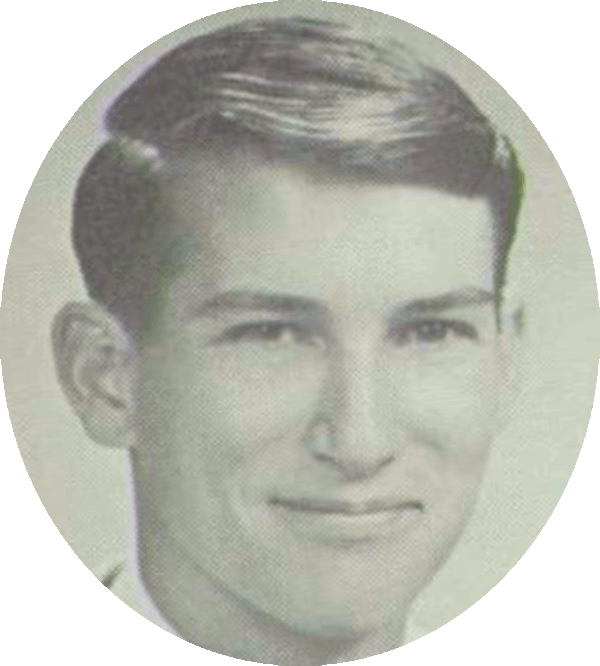
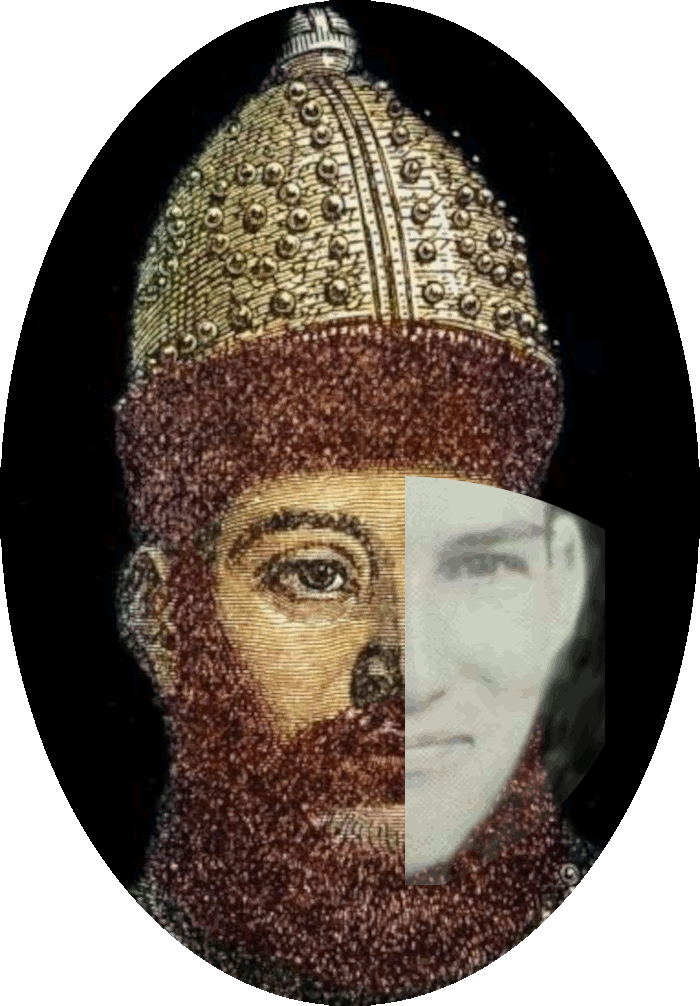
Ivan the Terrible as Dennis McCluskey |
 |
 |
Ivan IV Vasilyevich
1530-1584
8/25
3/28
First Russian Tsar |
Dennis Owen McCluskey
1947
7/27
Jesus
Christ shapeshifter
|
 |
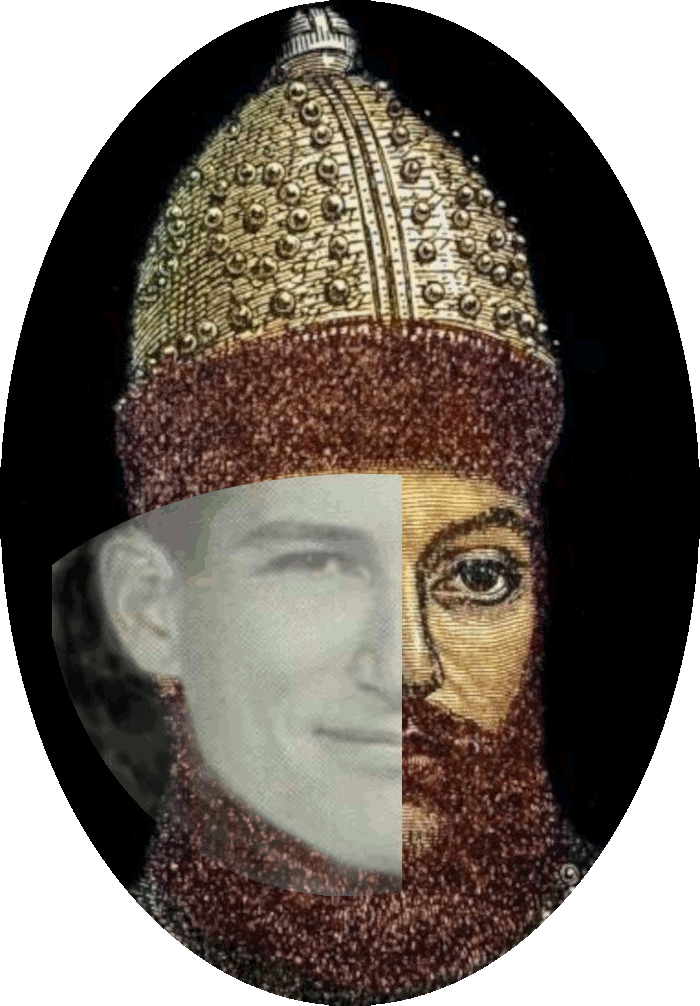 |
Icky boy
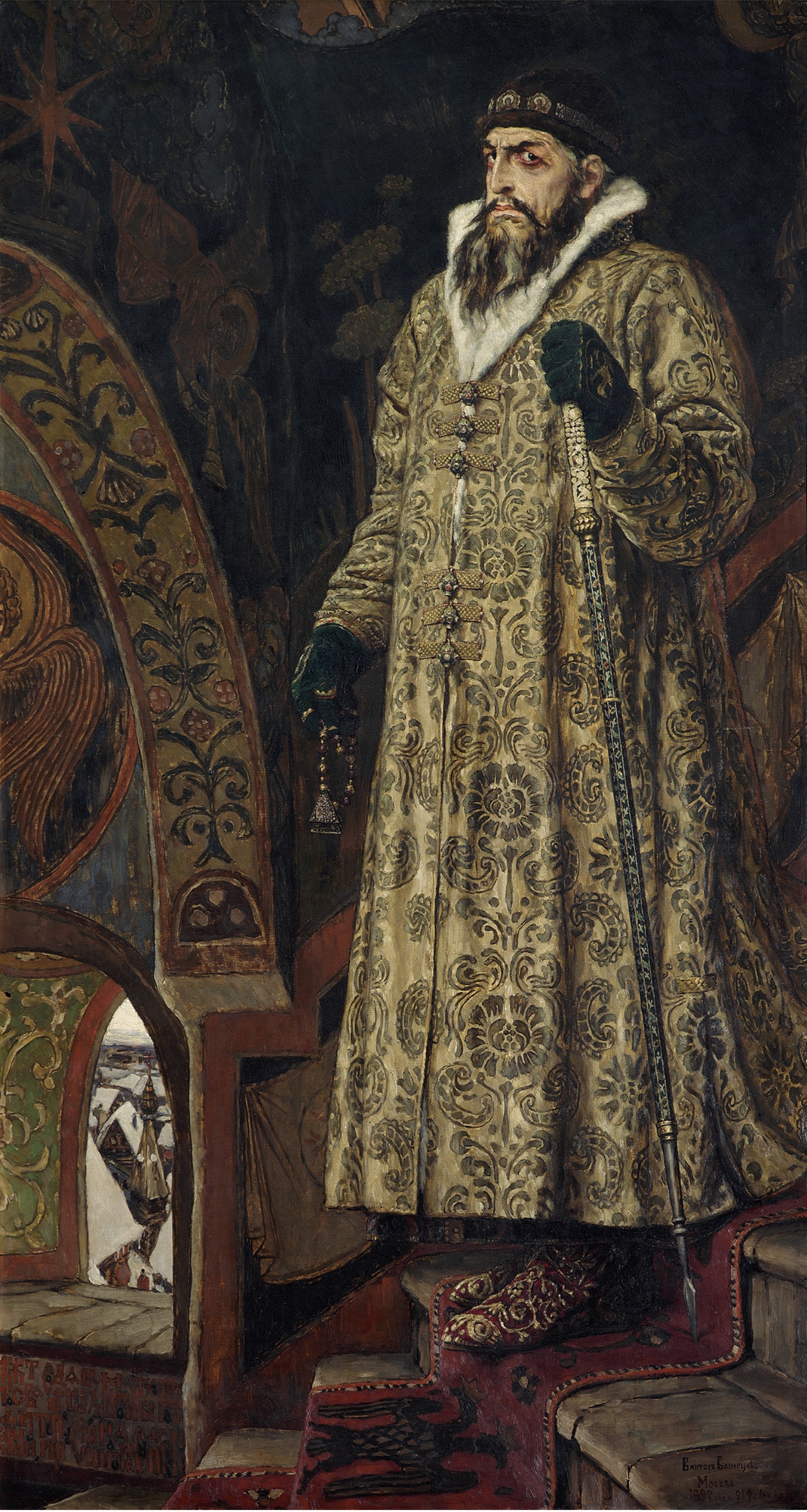
Viktor Vasnetsov, Public domain, via Wikimedia Commons
Ivan the Terrible 1547 |
- Ivan Vasilyevich, Grand Duke Ivan IV of the Grand Duchy of Muscovy, was crowned czar of all Russia on January 16, 1547.
- He was the first to hold that title and his reign was controversial and violent, earning him the name Ivan the Terrible.
- Ivan IV belonged to the Rurik dynasty
and he was connected to the Romanovs through his first wife, Anastasia Romanovna.
- She was the daughter of Roman Yuryevich Zakharin-Yuriev, whose descendants later adopted the surname Romanov and founded the second Russian royal dynasty in 1613.
- Anastasia Romanovna's great-nephew, Michael Romanov, became the first Romanov tsar in 1613 after the Rurik line ended and the Time of Troubles concluded.
- Ivan the Terrible and Peter the Great were closely related by blood, belonging to two completely different ruling dynasties separated by a time of crisis.
- Ivan belonged to the Rurik dynasty, while Peter the Great belonged to the Romanov dynasty.
|
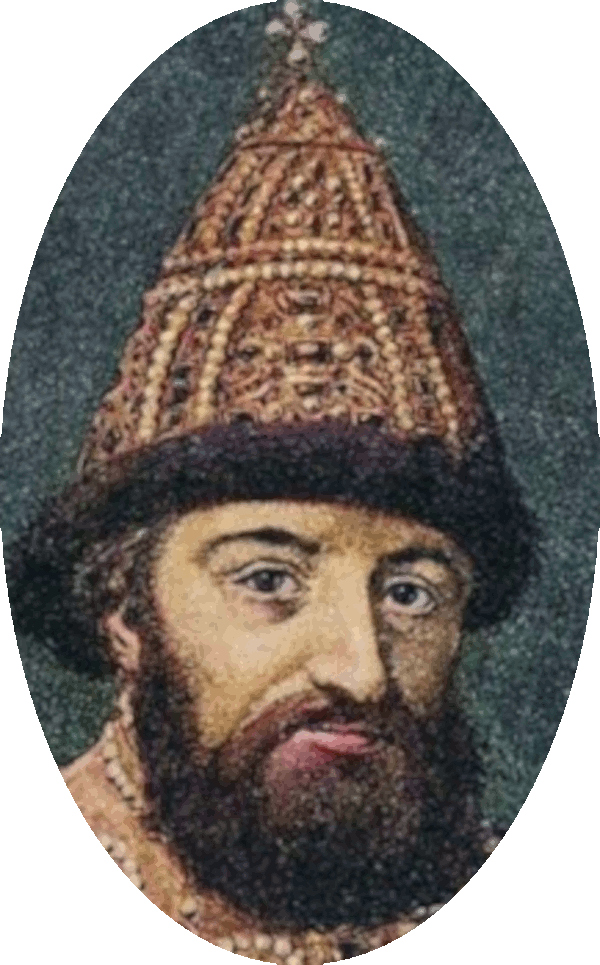
Michael Romanov as Ivan the Terrible
(McCluskey) |
 |
|
Mikhail Fyodorovich
Romanov
1596-1645
7/22 7/23
Russian Tsar |
Ivan IV Vasilyevich
1530-1584
8/25
3/28
First Russian Tsar
|
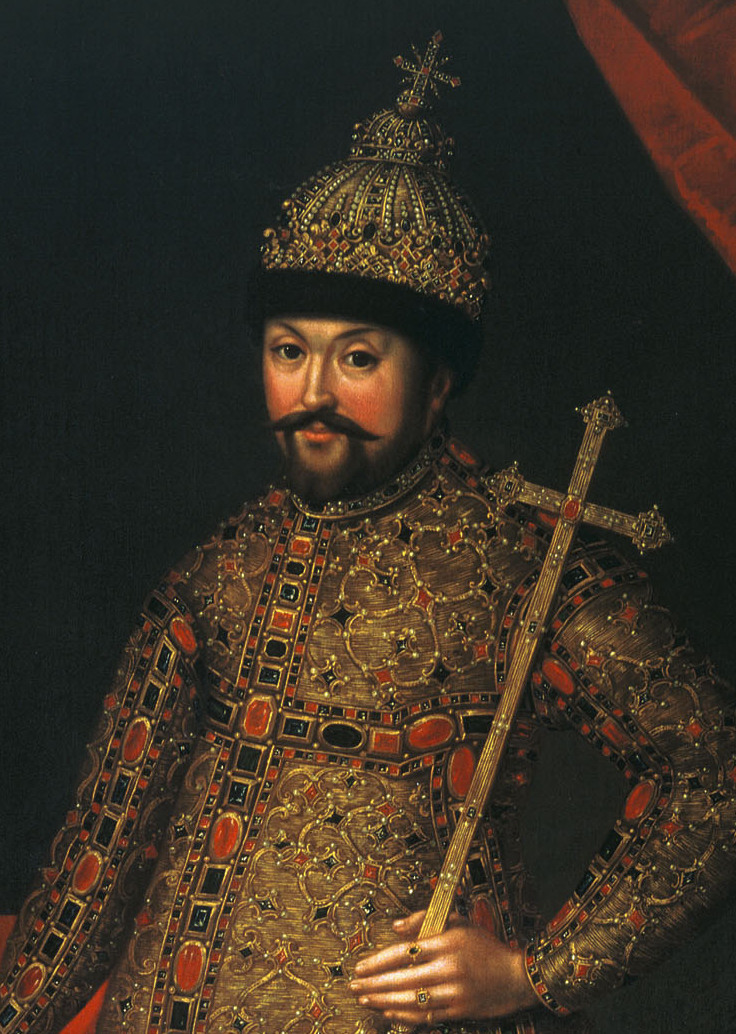
Johann Heinrich Wedekind, Public domain, via Wikimedia Commons
Michael I
of Russia in 1636 |
- Michael I was Tsar of all Russia from 1613 after being elected by the Zemsky Sobor of 1613 until his death in 1645.
- He was the first tsar of the House of Romanov, which succeeded the House of Rurik following the Time of Troubles,
a period of famine, civil conflict, foreign intervention
and dynastic collapse.
- Moscow's authority remained
limited compared with the vast territory the empire
would later claim.
- Over the next 3 centuries,
Romanov Russia expanded across Siberia, reached the
Pacific, absorbing neighboring territories, and became
one of the largest land empires in history.
- This
expansion did not occur across empty space because the
lands east of Moscow were inhabited by numerous
communities with their own languages, alliances, trade
systems, religions and political structures.
|
The Zemsky Sobor was the first Russian parliamentary assembly or "assembly of the land", active during the 16th and 17th centuries. It brought together nobility, high clergy, and townspeople to advise on major national policies, wars, and royal elections. (Assistant)
|
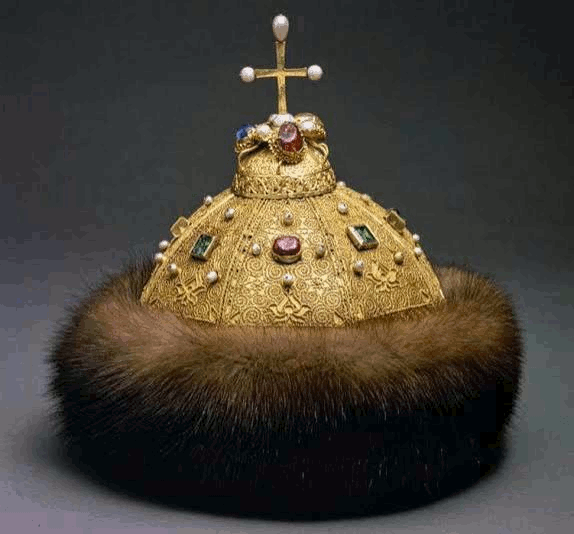
Monomakh's Cap |
- A Russian 'czar hat' typically refers to Monomakh's
Cap (the historic coronation crown), a Papakha (tall fur
hat worn by military leaders), or a Boyar hat (tall
cylindrical hat worn by nobility).
- The traditional headwear of Russian tsars and the Pope include Monomakh's Cap, the Papal Tiara, and the Mitre.
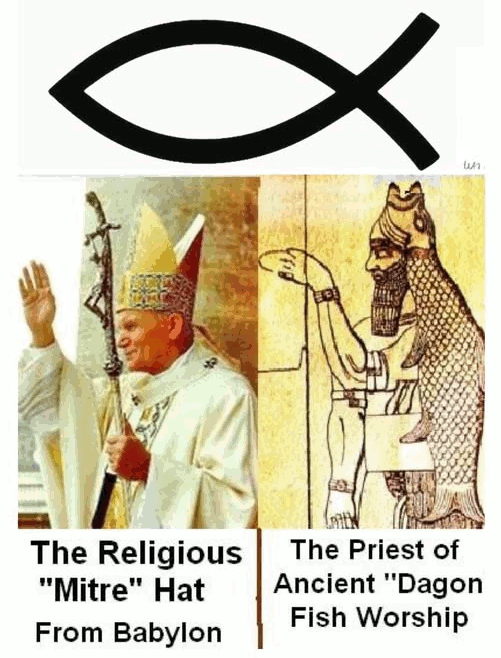
Demonic fish hat |
- The fallen angels all wear these fish shaped hats
because they know the Earth is underwater.
- This is
because the Most High Father wanted to trap the fallen
angels who kept harassing the angels, so he placed the
firmament (dome) over the the world and pressed it down.
- Because Earth is the center nucleus of the universe
where the fallen angels fell into when they were
banished from heaven (the rest of the universe).
- So
as a result, Earth is underwater and the center nucleus
is the only place in the universe that is material, with
things like mud and water, and not made out of air.
-
Unfortunately, they trapped many good angels here as
well and we're working to free all of them now.
|
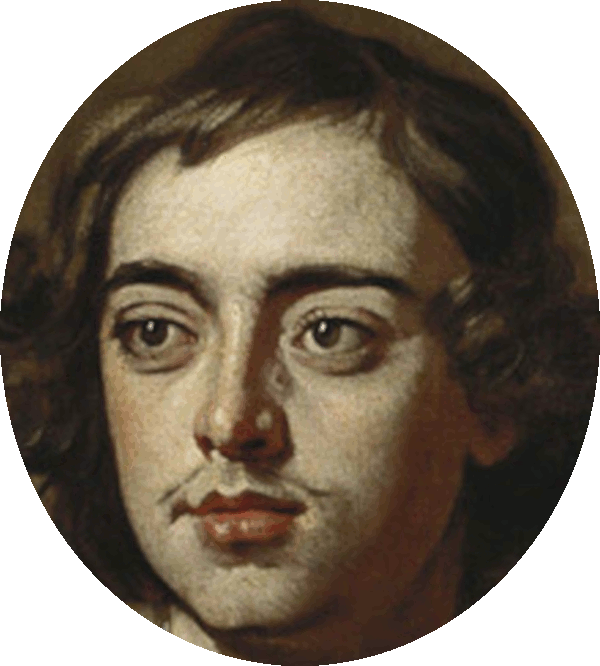
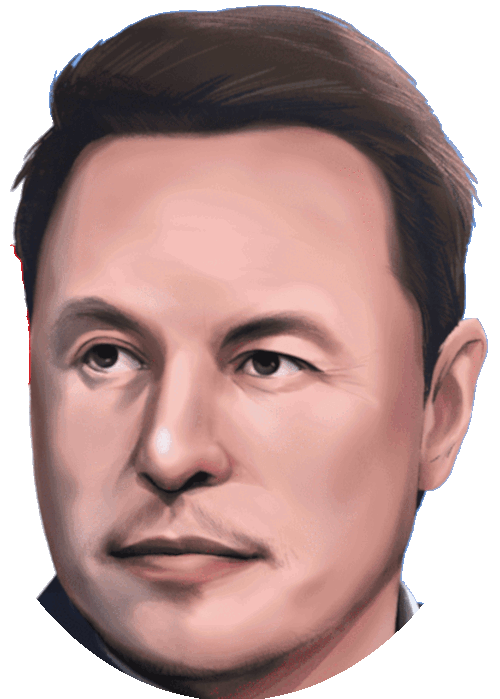
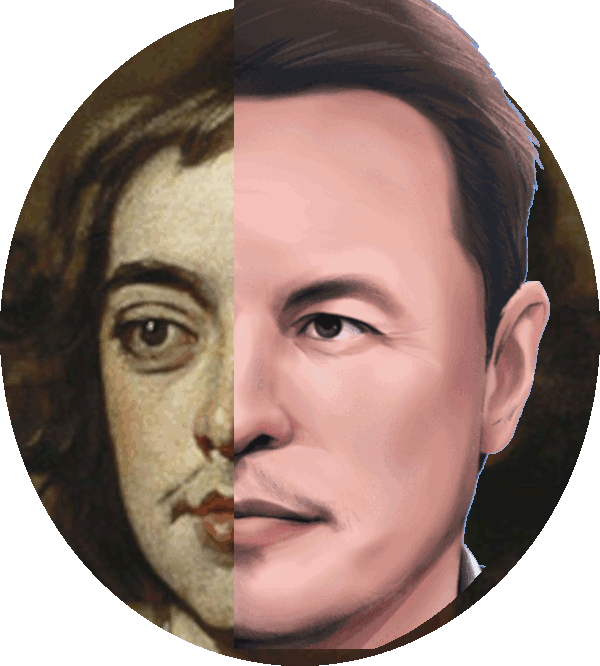
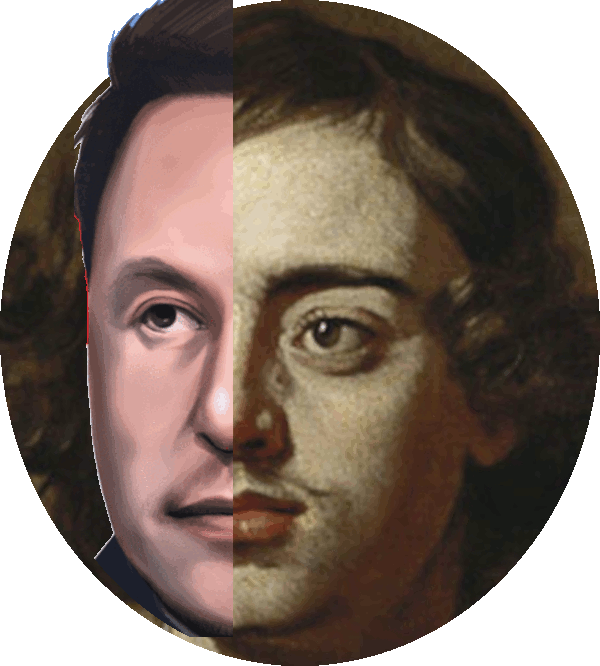
Peter the Great as Elon Musk |
 |
 |
Pyotr Alekseyevich
1672-1725
6/9
2/8
Russian Tsar |
Elon Reeve Musk
1971
6/28
|
 |
 |
Pyotr
Jean-Marc Nattier, Public domain, via Wikimedia Commons
Peter the Great in 1717 |
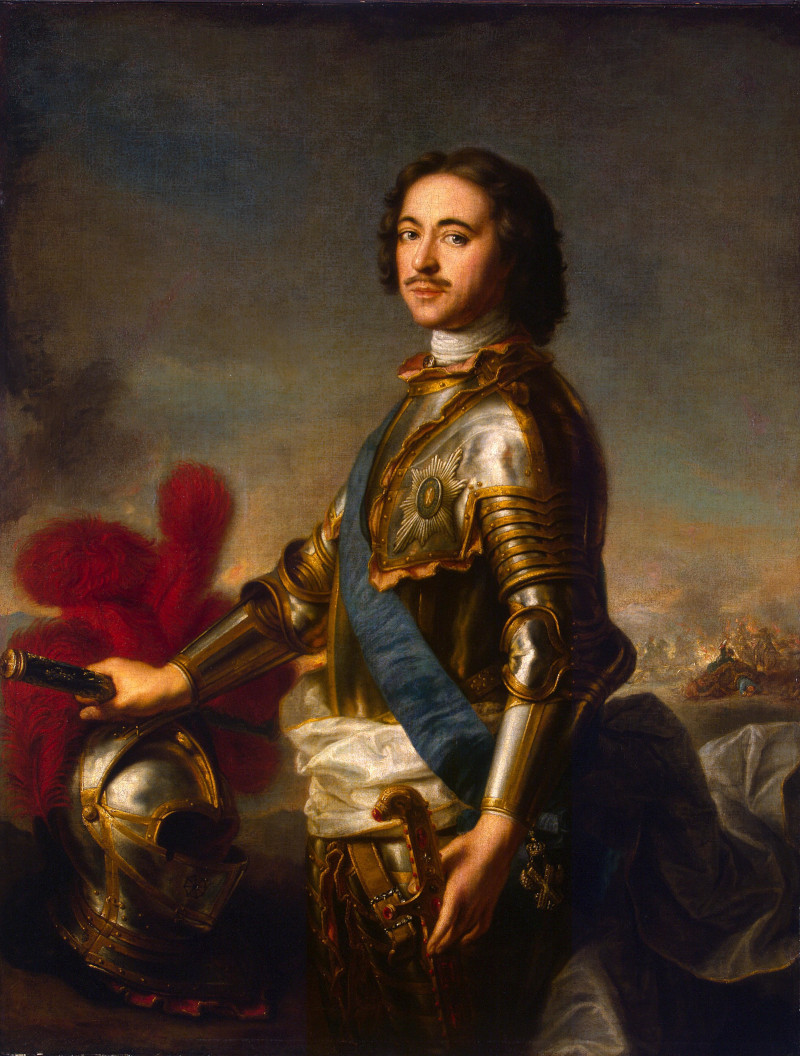
- Peter I, better known as Peter the Great (1672-1725) was the Tsar of all Russia from 1682 and the first Emperor of Russia from 1721 until his death in 1725.
- He reigned jointly with his half-brother Ivan V until 1696. Peter, as an autocrat, organized a well-ordered police state.
- Much of Peter's reign was consumed by lengthy wars against the Ottoman and Swedish empires.
- His Azov campaigns were followed by the foundation of the Russian Navy; after his victory in the Great Northern War, Russia annexed a significant portion of the eastern Baltic coastline and was officially raised from a tsardom to an empire.
- Peter I led a cultural revolution that replaced some
of the traditionalist and medieval social and political
systems with ones that were modern, scientific,
Westernized, and based on the radical Enlightenment (the
move from the belief in the Most High to science).
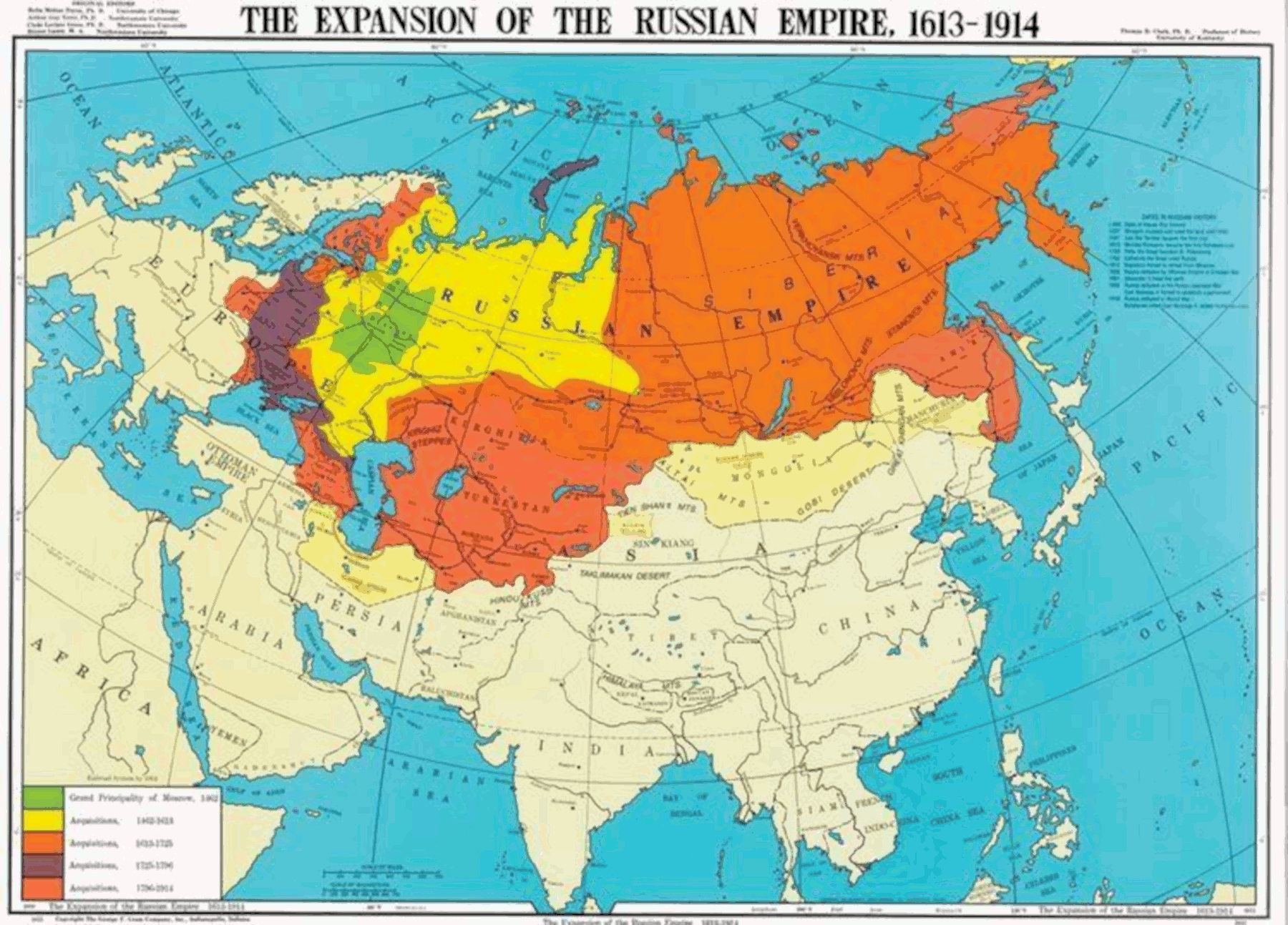
Russian expansion
1613-1914 |
- The Romanov dynasty expanded Russia across 3 main phases from the Ural Mountains to the Pacific, down into the Caucasus, and across the Baltic and Central Asia.
- Some of the territories affected by Romanov
expansion resisted the Russian authority, others entered
tributary relationships.
-
During this period, many forts were built, taxes were
collected, often in the form of fur (skins) from animal trapping.
-
Many missionaries arrived and administrative names
replaced older regional identities.
- On European maps,
the territories of Tartary became more specific, places
like Siberia, the Russian Empire, Turkestan, Manchuria and
Mongolia appeared instead.
|
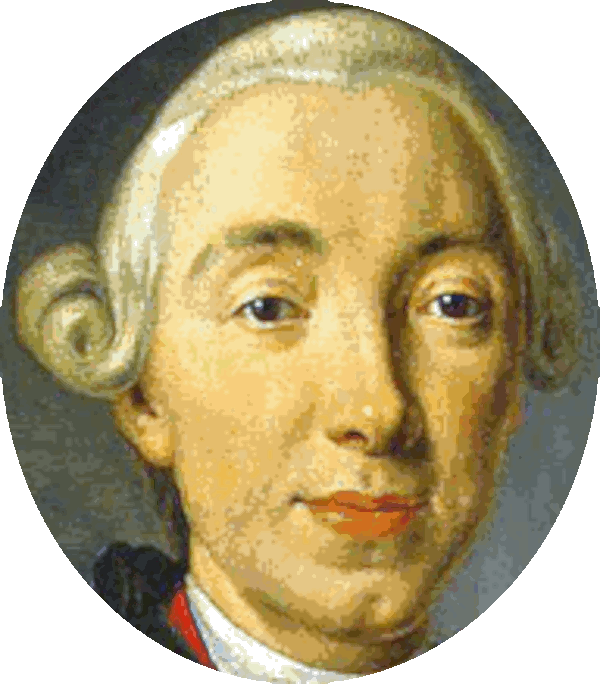
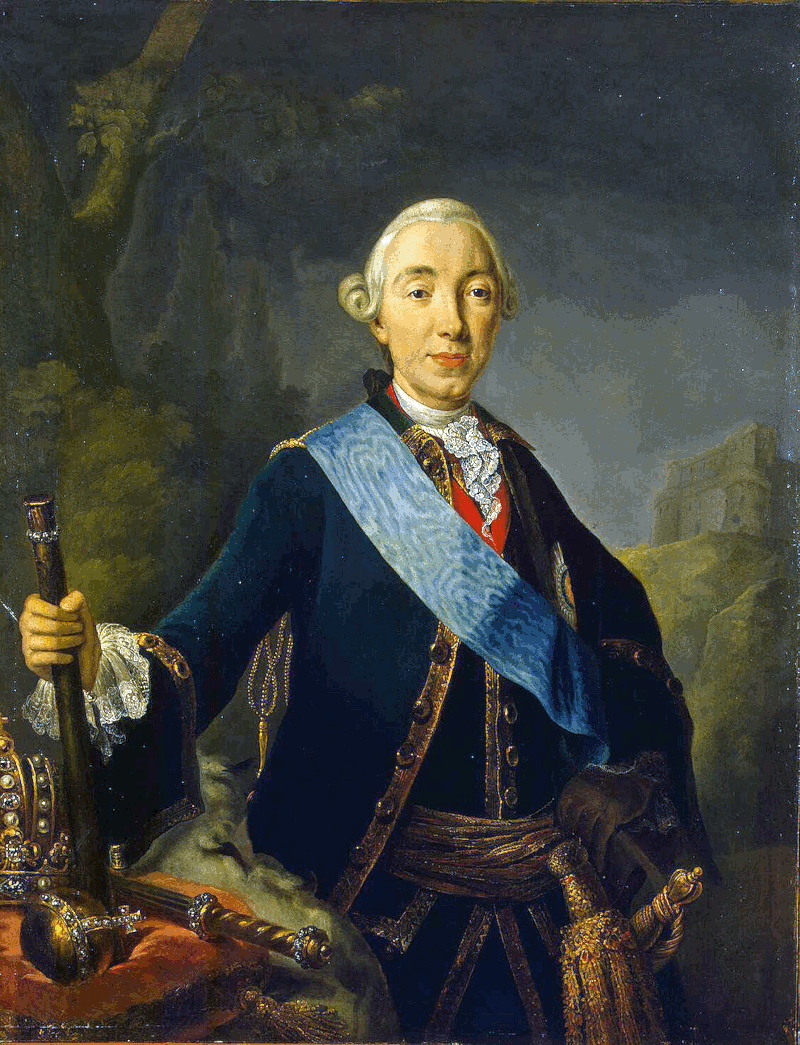
Peter III Fyodorovich as Elon Musk |
 |
 |
Charles Peter Ulrich of Schleswig-Holstein-Gottorp
1728-1762
2/21 7/17
Emperor of Russia |
Elon Reeve Musk
1971
6/28
|
 |
 |
Pyotr Ulrich
Lucas Conrad Pfandzelt, Public domain, via Wikimedia Commons
Peter III about 1761 |
- Peter III Fyodorovich (1728-1762) was Emperor of Russia from January
5, 1762, until July 9, of the same year, when his wife, Catherine II, overthrew him in a palace coup d'état.
- He implemented many notable reforms during his reign, though he is criticized for undoing Russian gains in the Seven Years' War by forming an alliance with Prussia.
- The geography
of Tartaria did not
vanish, the names and terminology did on the maps.
- Whether this
was improved cartography or was the renaming of the land
also part of its political conquest?
- It's all pretty
obvious by now isn't it?
|
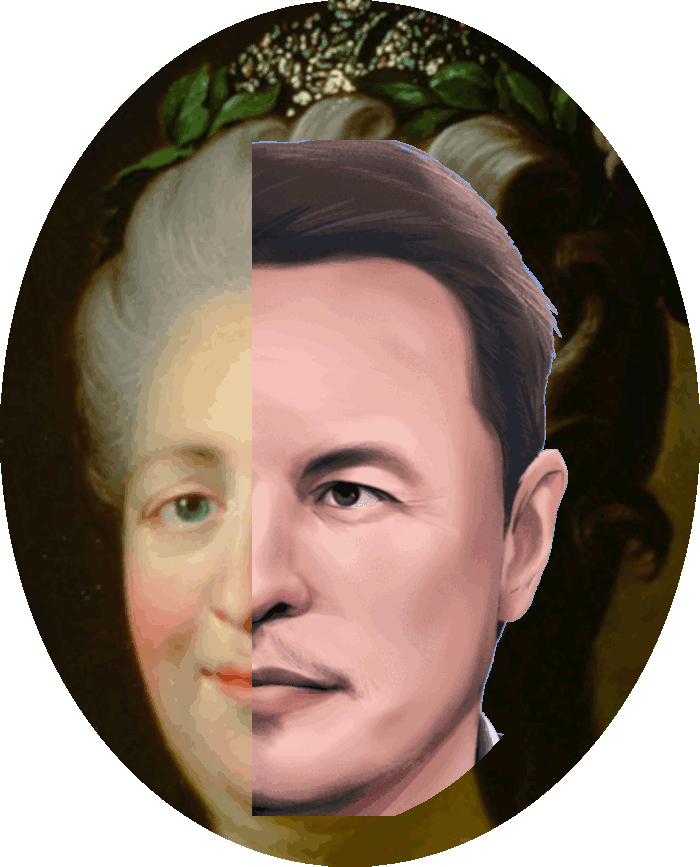
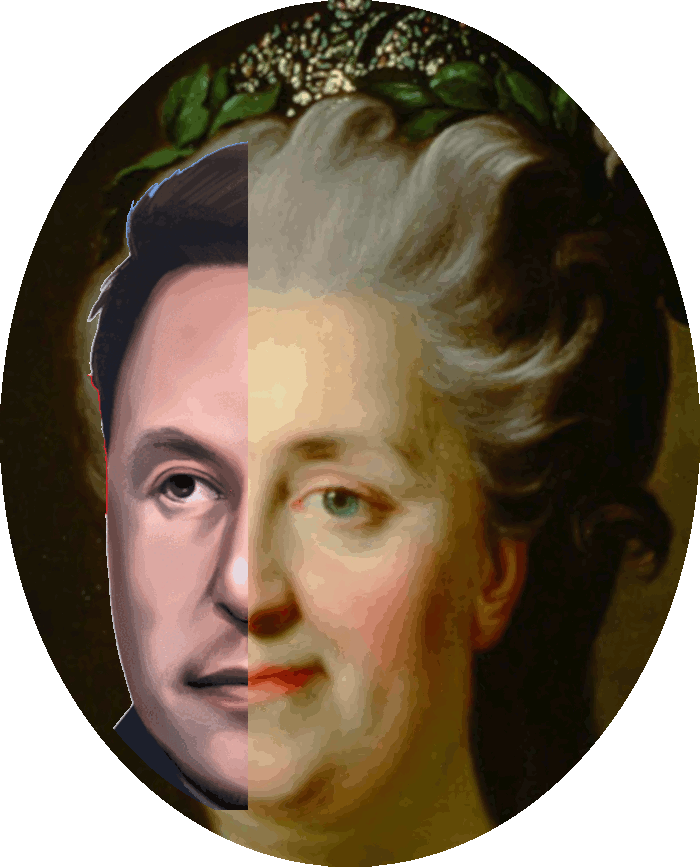
Catherine the Great as Elon Musk |
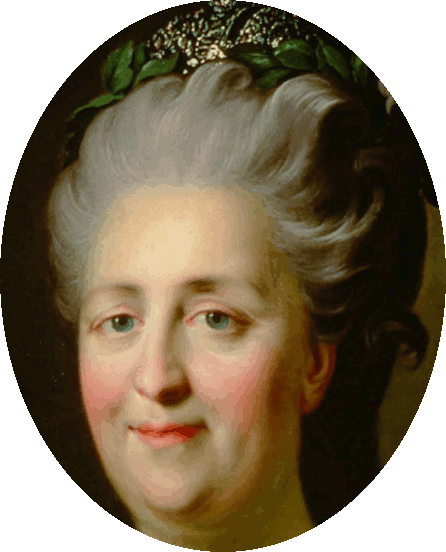 |
|
Princess Sophia Augusta Frederica of Anhalt-Zerbst
1729-1796
5/2 11/17
Empress of Russia |
Elon Reeve Musk
1971
6/28
|
 |
 |
Fike
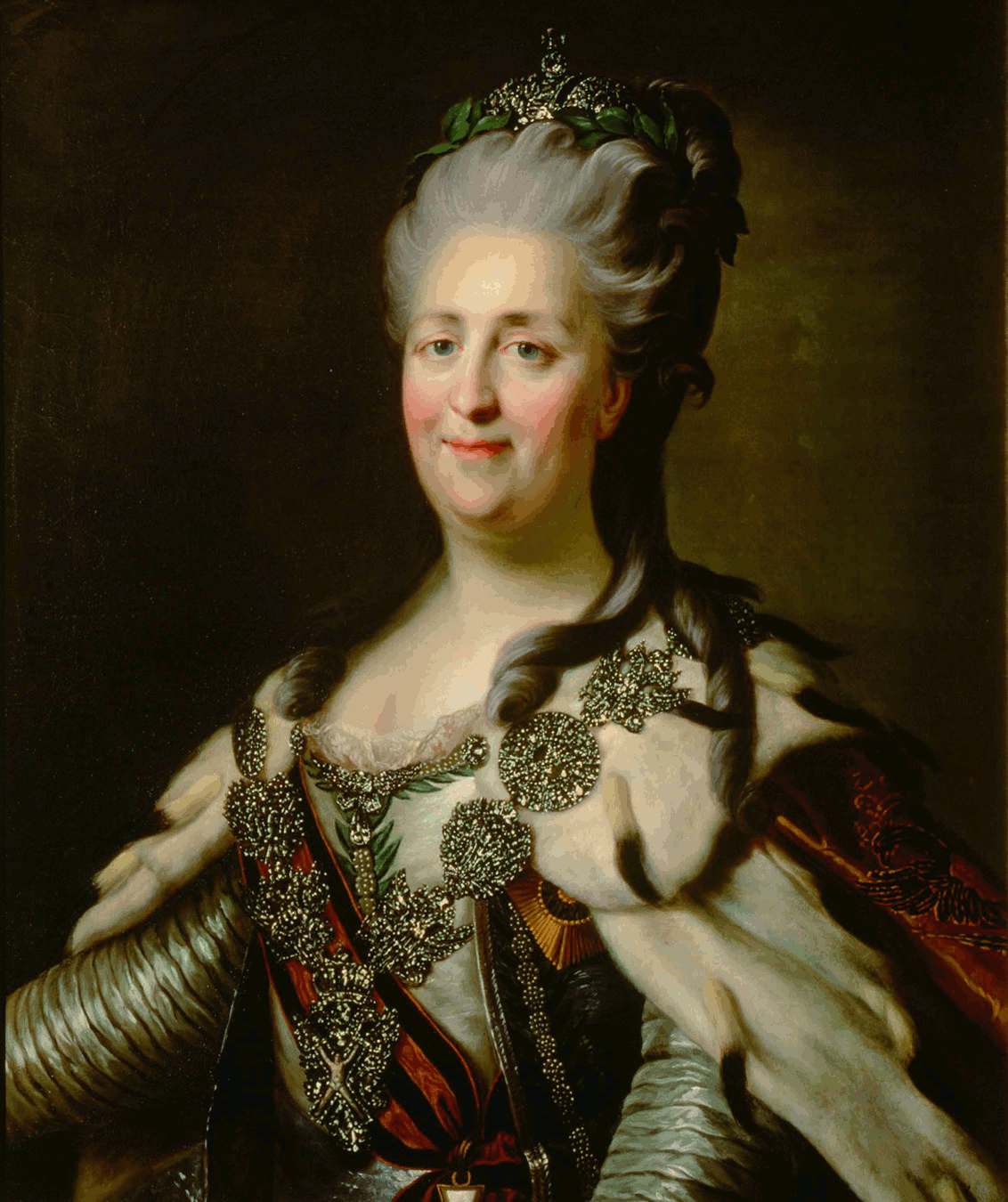
After Alexander Roslin, Public domain, via Wikimedia Commons
Catherine the Great about 1880 |
- Catherine II (1729-1796), commonly known as Catherine
the Great, was the Empress of Russia from 1762 to 1796.
-
The word fike is an old regional or dialect verb and noun (chiefly British and Scottish) that means to fidget, fuss, move restlessly, or cause trouble over small trifles
and it also rhymes with another word that begins with D.
- She came to power after a coup d'état against her
husband, Peter III.
- Catherine appointed and worked with several highly successful generals
and admirals and she governed at a time when the Russian Empire was expanding rapidly by conquest and diplomacy.
- How amazing, after overthrowing and possibly assassinating her husband
or simply removing the wig, Catherine's subsequent rule of the Russian Empire often maintained close alliances with noble favorites such as Count Grigory Orlov and Grigory Potemkin.
|
The word Potemkin is used as an adjective or part of a phrase to describe something that is fake, superficial, or a mere façade designed to deceive others into thinking a situation is better, richer, or more functional than it actually is. (Assistant)
|
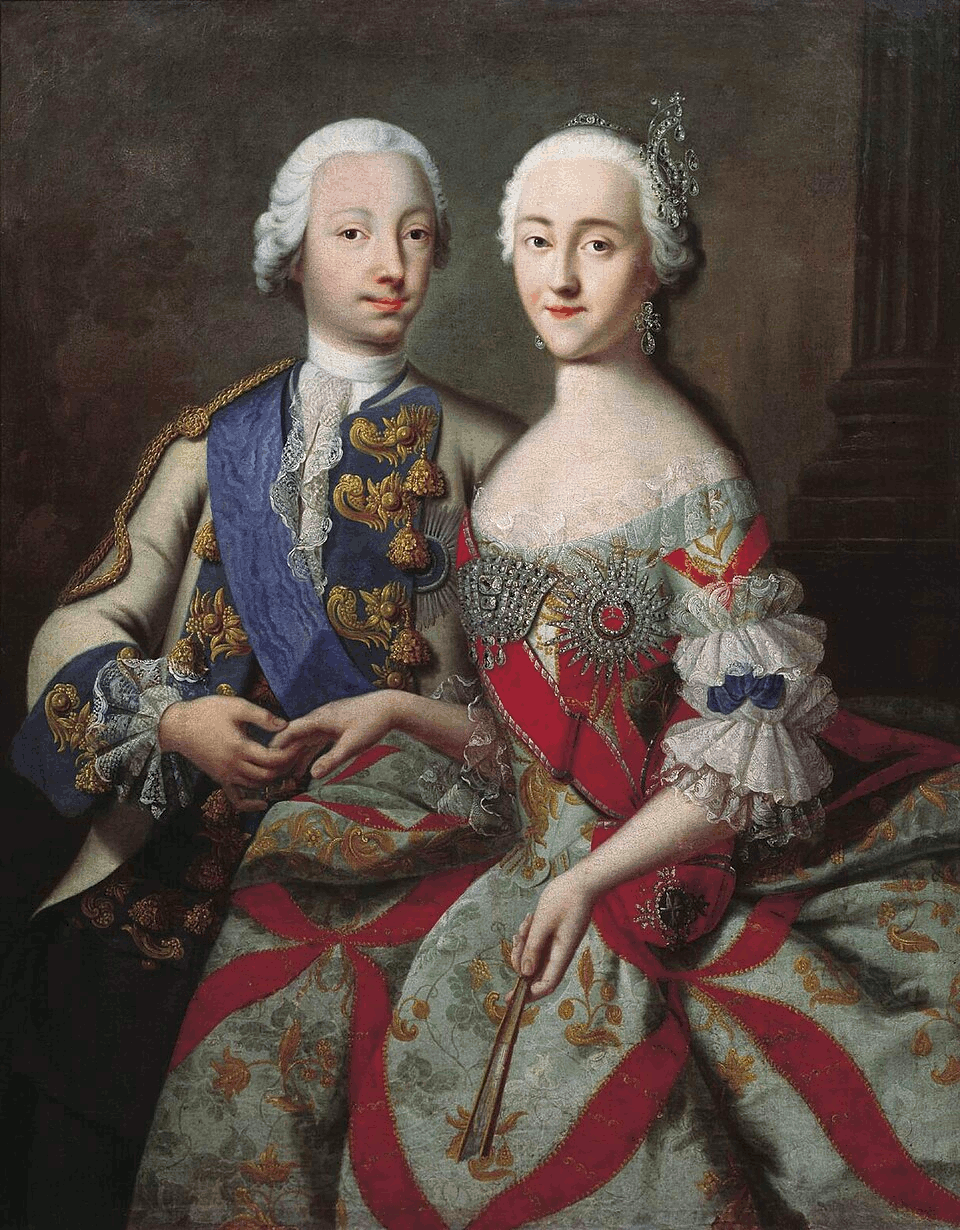
Georg Cristoph Grooth, Public domain, via Wikimedia Commons
Peter III and
Catherine -
1762 |
- In the west, Catherine installed her former lover to the throne of Poland, which was eventually partitioned.
- In the south, the Crimean Khanate was annexed following victories over the Bar Confederation and the Ottoman Empire in the Russo-Turkish War.
- With the support of Great Britain, Russia colonized the territories of New Russia along the coasts of the Black and Azov seas.
- In the east, Russians became the first Europeans to colonize Alaska, establishing Russian America.
- The Romanovs are therefore central to Tartaria theories,
not because they overthrew a state officially called the
Tartarian Empire, or because their rise coincided with the
absorption of territories.
- Well as you can see, these
two were never married and Tartaria disappeared because
they were both played by Musk.
- The dynasty also
experienced one of the darkest endings in modern royal
history, and of course, the 'female' was blamed.
 |
 |
|
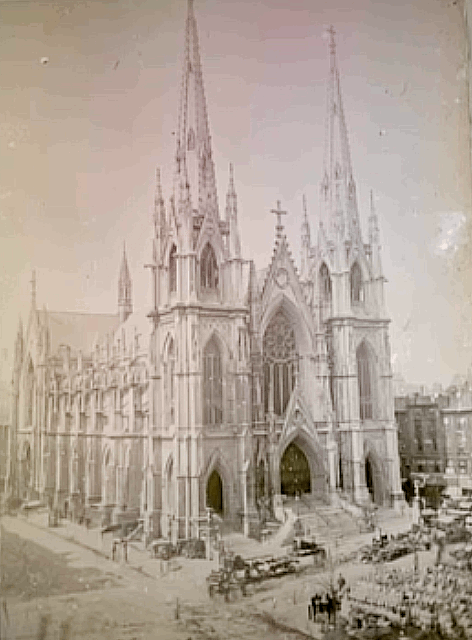
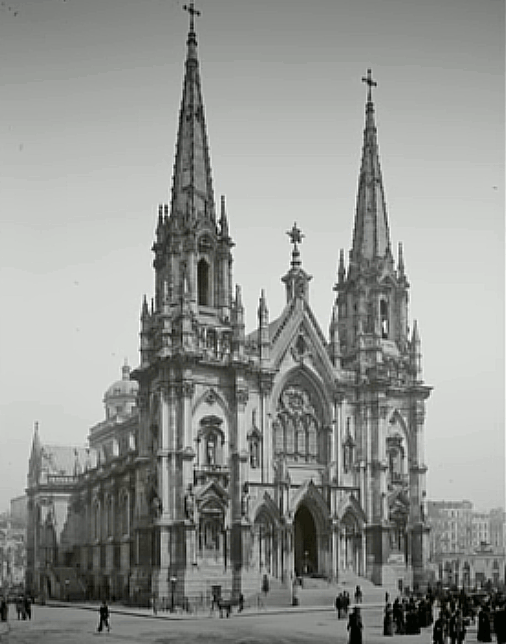
Kazan, Russia 1860 |
Syracuse, New York
1907 |
- The photograph of the church in Kazan, Russia, was taken
in 1860 and the photograph of the Sacred Heart church in
Syracuse, New York, by architects Merrick and Randall was supposedly built between
1907-1910.
- But that same church can be seen in many
places in almost exact style, the same proportions, the same
towers rising at the same angles, the same arcade running
along the facade, the same blind niches carved into the stone
at the same height, the same cornice detail without any
structural necessity.
|
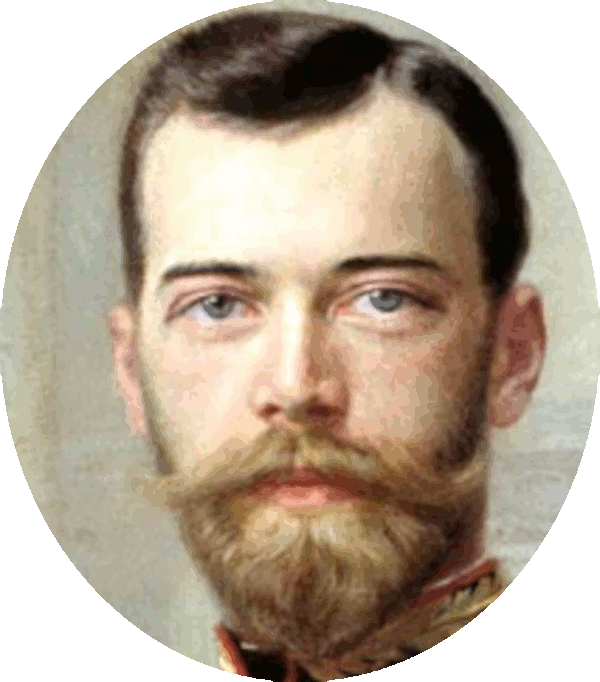
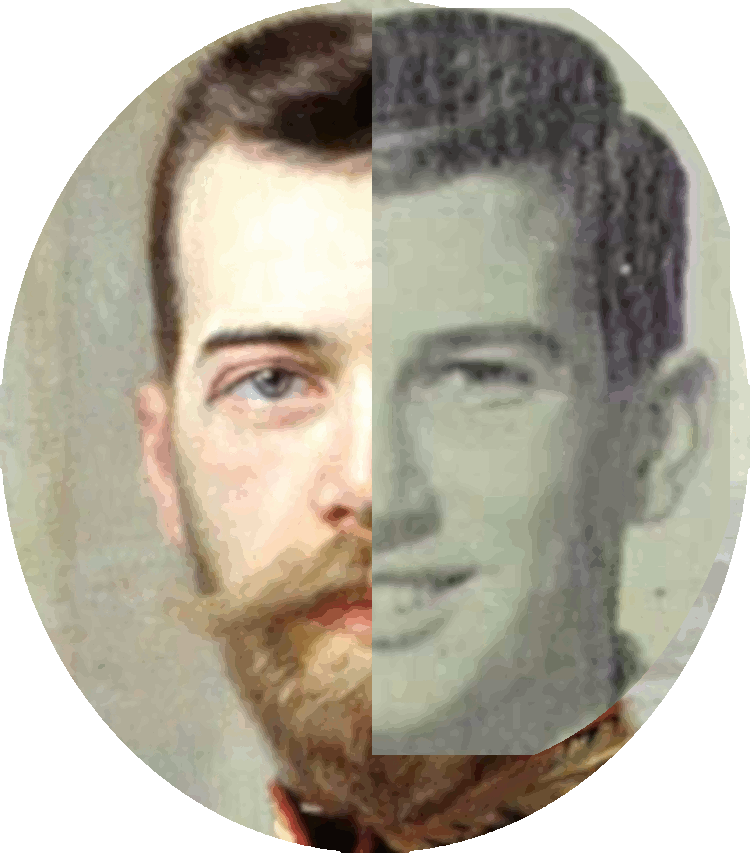
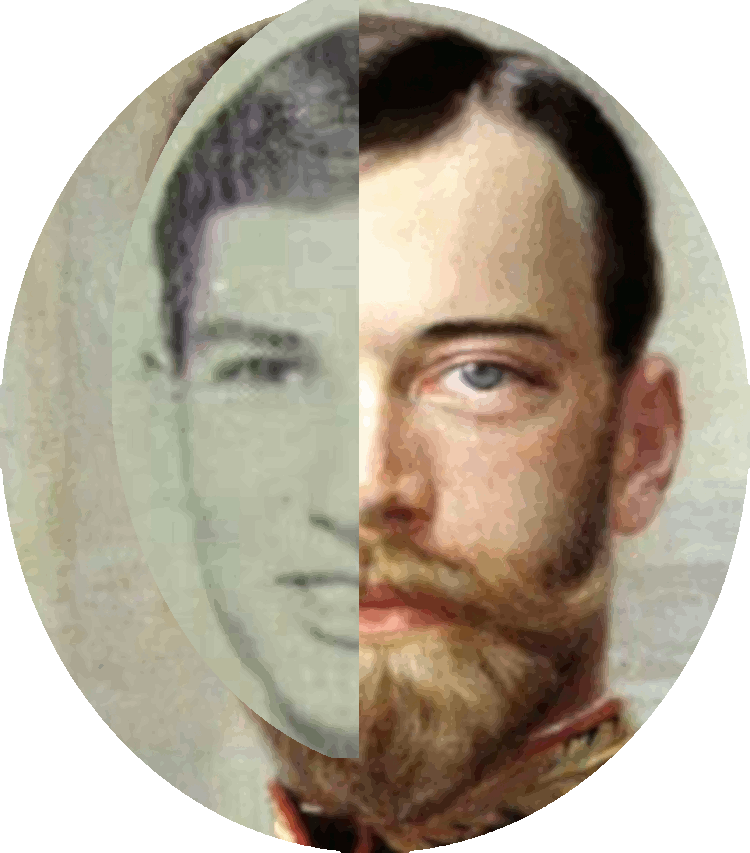
Nicholas II as Dennis McCluskey |
 |
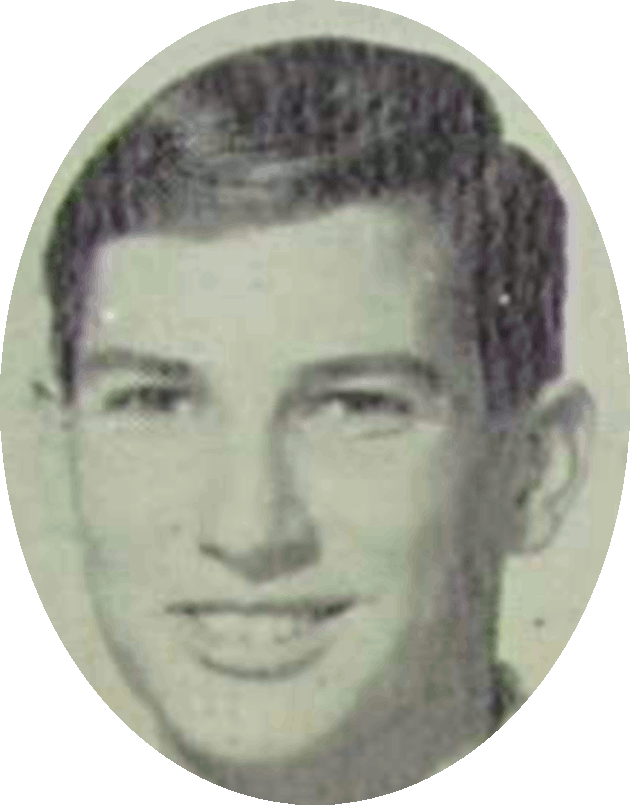 |
Nikolai Alexandrovich Romanov
1868-1918
5/18
7/17
Emperor of Russia |
Dennis Owen McCluskey
1947
7/27
Jesus
Christ shapeshifter
|
 |
 |
Bloody Nicky (Icky)
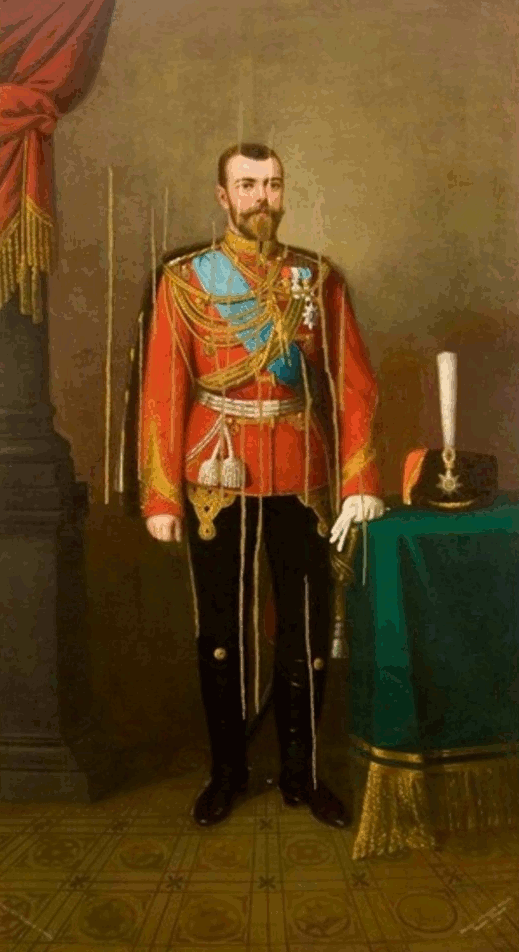
Nicholas II in 1917 |
-
Nicholas II was Emperor of Russia from November 1, 1894, until his abdication in 1917.
- He was the last Russian monarch before the Russian Revolution and oversaw the Russian Empire's participation in World War I.
- In 1918, the Romanovs were murdered, putting an end to the Romanov dynasty.
- Nicholas II the Bloodstained – for his cruelty.
- While some modern writers call Nicholas a 'saint' that
is laughable.
- He had to disappear like all fallen
angel
shapeshifters to begin a new character role.
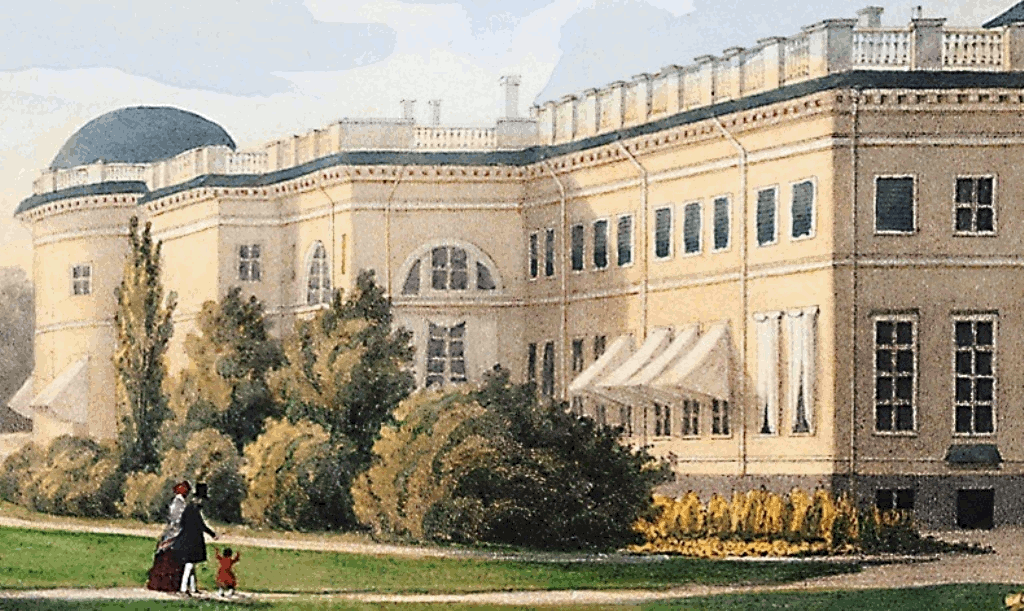
Alexander Palace -
St. Petersburg,
Russia - 1845 |
- But what we know about these aristocratic
families does not establish that they destroyed Tartaria,
inherited its technology or erased an advanced
civilization from history.
- Those are extraordinary
claims, which require evidence, but the persistence of
these families raises a quieter question, when an empire
disappears, who inherits what it leaves behind?
- Not
merely the land, who inherits the palaces, the archives,
the monuments, the trade routes, the military knowledge,
the scientific manuscripts, the taxation systems, and the
authority to explain what came before.
- History often
presents history as a chain of orderly transitions, one
dynasty falls, another rises, and one system becomes
outdated and a newer and more system replaces it.
-
Played by the same characters it appears.
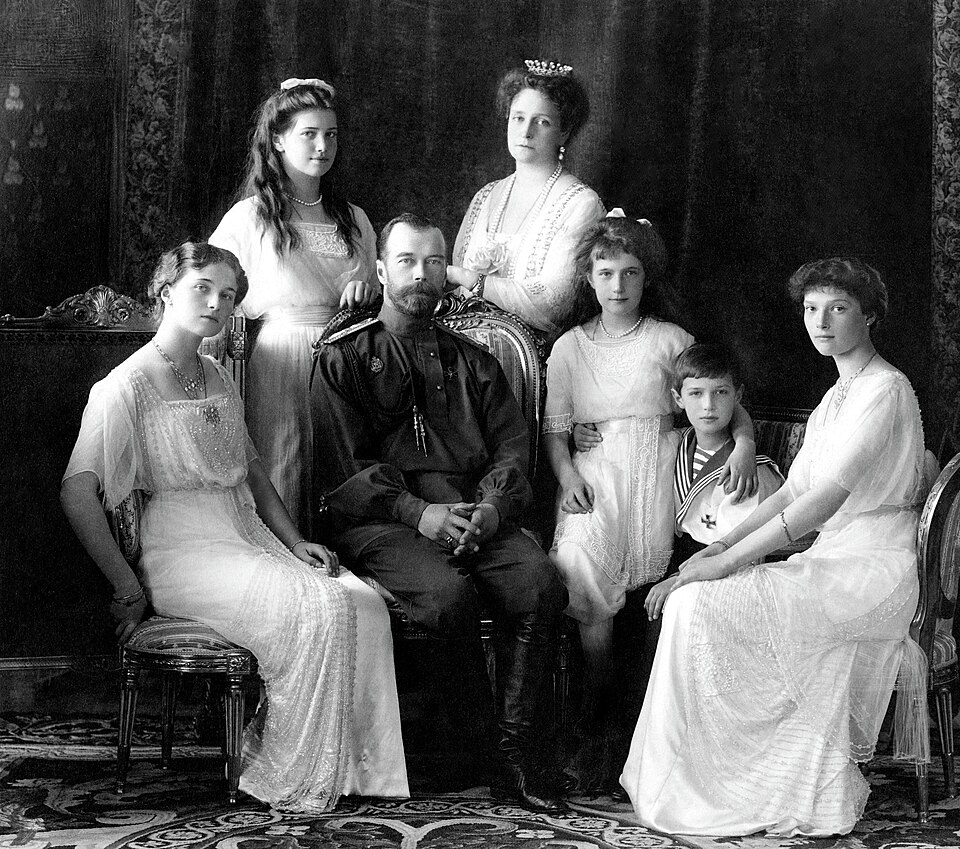
Boasson and Eggler St. Petersburg Nevsky 24., Public domain, via Wikimedia Commons
Nicholas II and
family in 1913 |
- The past is placed neatly behind glass, assigned a date,
given a label, and declared understood, but real history
is rarely so clean because cities burn, libraries vanish,
records are seized and languages are standardized and
borders are renamed.
- Old elites are
executed or quietly absorbed into the new order.
-
Property changes hands under the cover of revolution and
religious institutions preserve some documents and destroy
others.
- And we all know that the victors commission
and write the official histories and the defeated survive
only as footnotes written by their enemies.
- Nicholas
II rose to power in 1913 during a period when Russia was
rebuilding itself from internal collapse, however, the
Russian revolution brought the Romanov rule to an end in
1917.
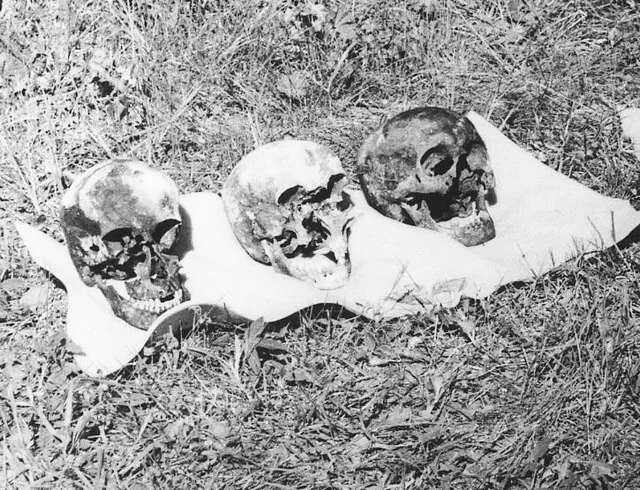
Supposed remains of
Nicholas II and
family in 1991 |
- On July 17, 1918, Tsar Nicholas II, his wife
Alexandra, and their 5 children, and several attendants
were supposedly executed in Yekaterinburg by Bolshevik revolutionaries.
- Their bodies were hidden to cover up the murder and
their remains went missing for over 80 years
described as 'years of uncertainty about the fate of the
bodies.'
- Allegedly, they were later found in 2 shallow graves in
the Koptyaki forest in 1991 and 2007 and DNA testing was used
to prove their murders but that is all a fabricated story
and a massive lie.
- DNA testing is a scam, perhaps you
haven't noticed yet, but everyone on Ancestry is now
related to you.
- Fraud Alert: Genetic Testing Scam:
The U.S. Department of Health and Human Services Office of Inspector General is alerting the public about a fraud scheme involving genetic testing.
- The Romanovs were shapeshifting fallen angels and they never died, they
just assumed new identities and character roles.
- Not
only that, any testing done in the 1990s, when such
testing began, is doubly questionable.
|
Legitimate consumer DNA tests from major companies have real limitations, and actual genetic testing scams do exist. Popular ancestry and health kits use real science to analyze your genes, but their ethnicity percentages are estimates and their health reports are not medical diagnoses. Companies look at your DNA and compare it to reference groups to find relatives and
guess your regional origins. (Assistant)
|
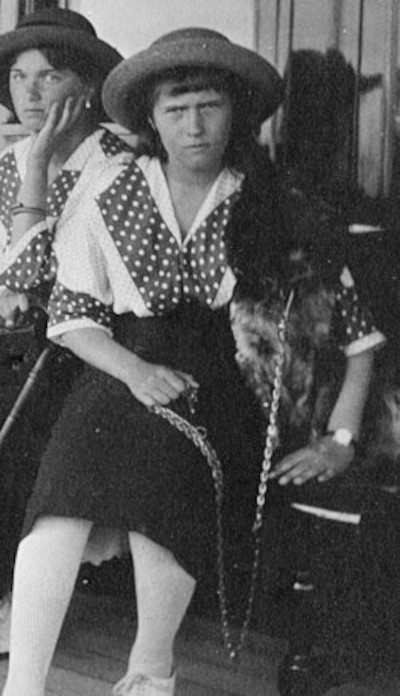
Grand Duchess Anastasia,
4th daughter of Tsar
Nicholas II and
Alexandra
Feodorovna, in 1907 |
- McCluskey who played the part of Nicholas II, was not married to his ugly girlfriend,
his destined 'eternal love,'
who he was born in the same pod with.
- Instead, he made her his
homely 4th daughter, Anastasia, but no matter what he does
to her, they'll end up together in hell for eternity as
eternal mates.
-
Remember, he made himself and Musk (without Sophia's help)
in the image of the transgender Moloch, the Baphomet, it's
all true.
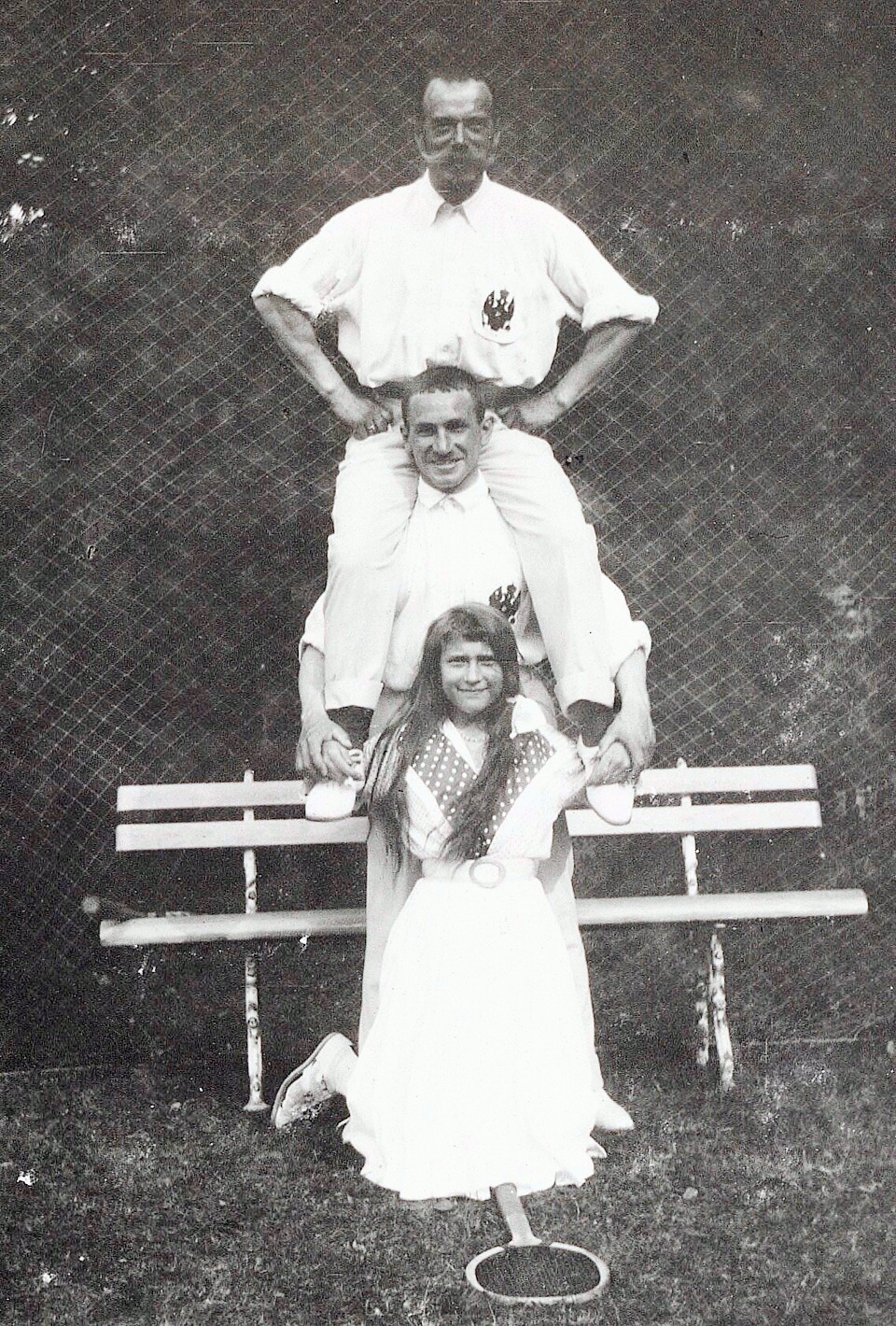
Homely Anastasia on
the bottom of the
pyramid - 1914
No
doubt with Nicholas'
real lover in the
middle |
-
If the fallen angels don't think their pod 'mate' is good enough, this
is what they do (replace) them, but notice she is sitting as an
equal to the right of him in the family portrait (above).
- Then the fallen angel will
'steal' what they consider a more worthy mate from another shapeshifter,
afterall, they're part of the same family and that's what
they do.
-
Although, he made her so ugly on purpose because he hates
females, and also he was too stupid to figure out she was
his 'eternal' mate.
- If you're wondering why his
wife, the Tsarina Alexandra had an affair with Rasputin.
|
Homosexuality in Nicholas II’s St. Petersburg: A Look at 1908’s Scandalous Expose K sudu! K sudu! apparently first appeared sometime in the early autumn of 1908, released by St. Petersburg publisher Kommerch, Typolitan, Vilenchik. Although it had been approved for publication by the Imperial government, it was deemed so controversial that authorities soon swept in and confiscated all available copies. The issue went to court as the following year the government ordered that all known copies be destroyed. (Greg
King)
|
|
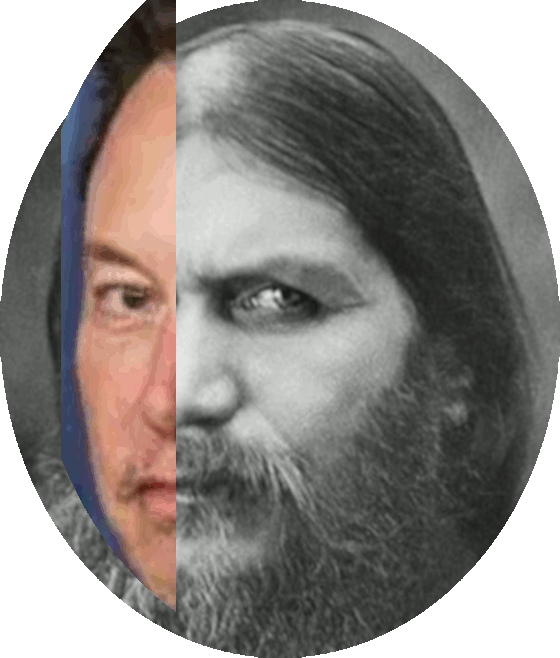
Grigori Rasputin as Elon Musk |
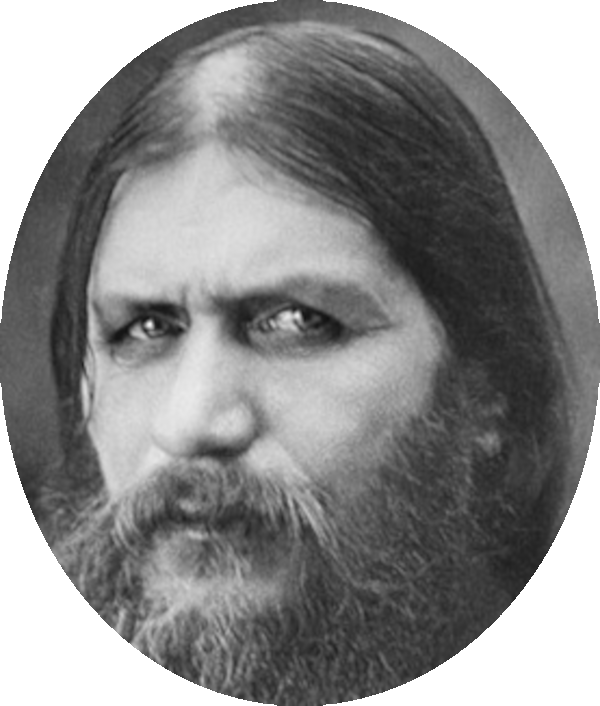 |
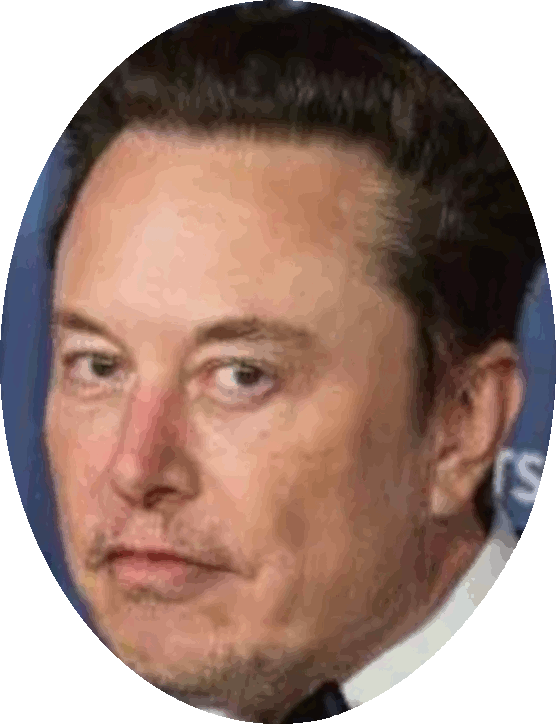 |
Grigori Yefimovich Rasputin
1869-1916
1/21
12/30
Russian mystic and faith healer |
Elon Reeve Musk
1971
6/28
|
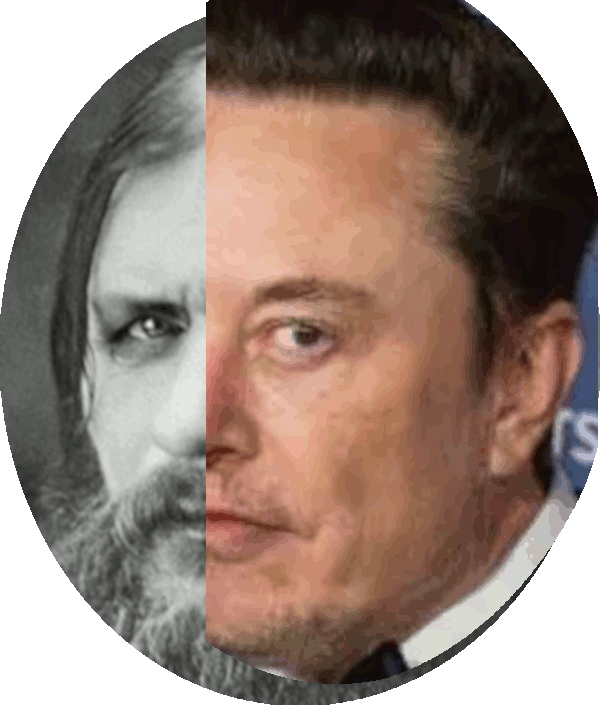 |
 |
The Mad Monk
|
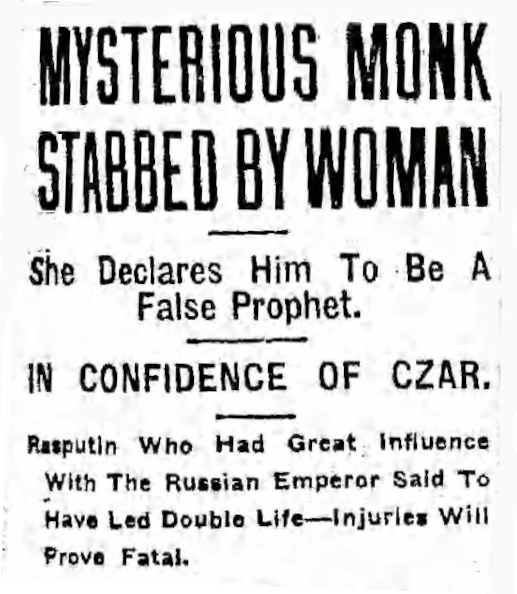
- Rasputin was a Russian mystic and faith healer but he is best known for having befriended the imperial family of Nicholas II, the last Emperor of Russia, through whom he gained considerable influence in the final years of the Russian Empire.
- But he was 'doing' way more than that, namely all the
homely daughters of Nicholas II except poor ugly
Anastasia.
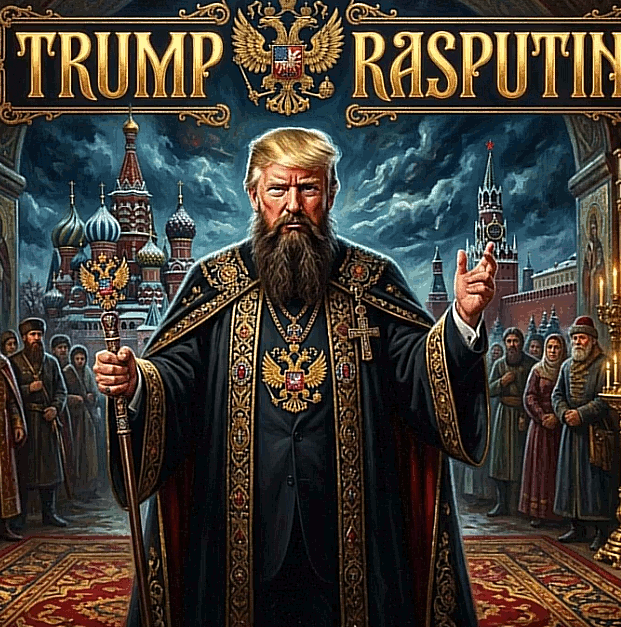
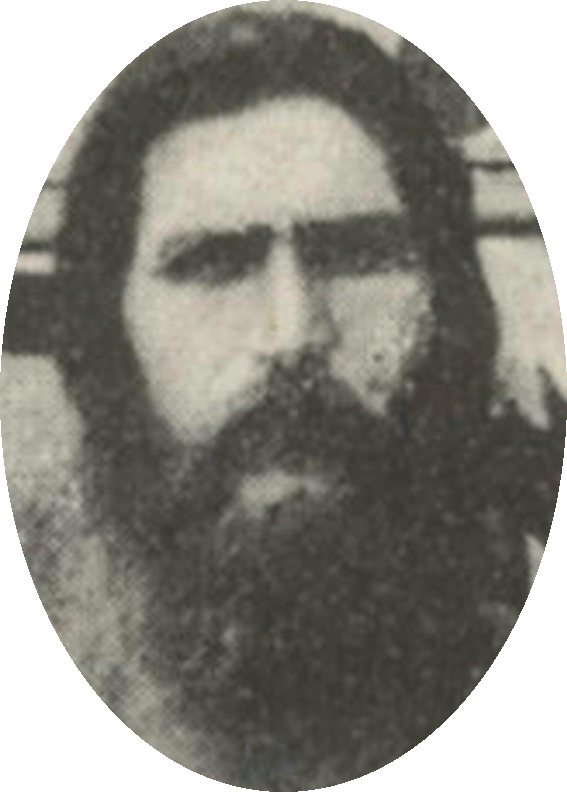
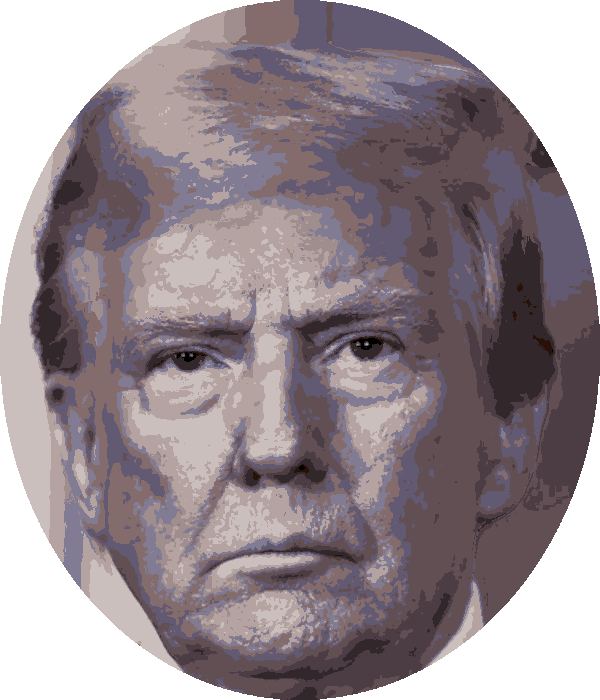
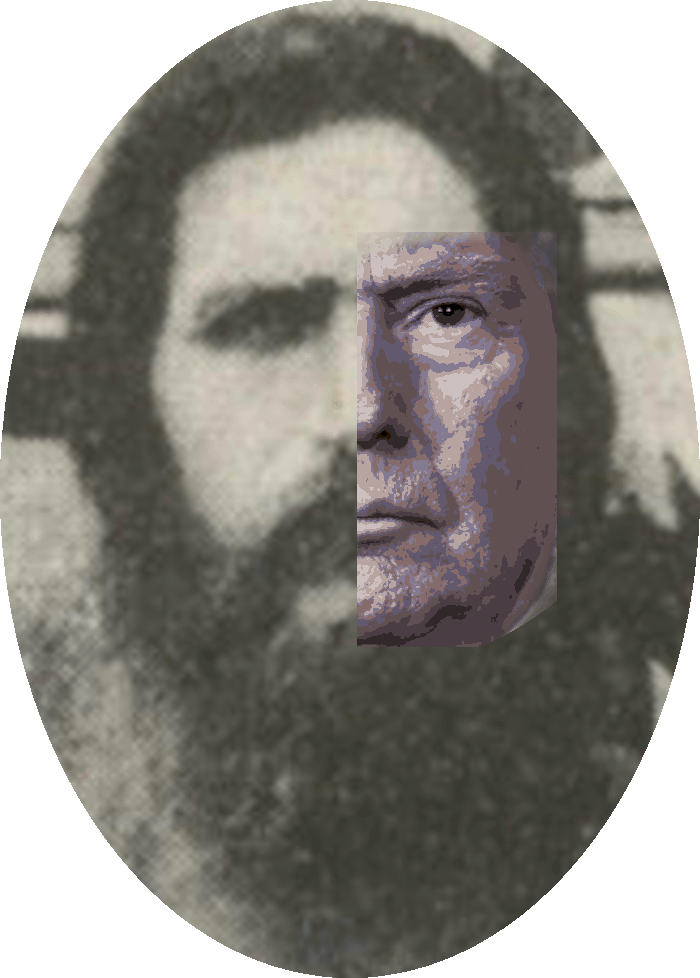
- However, he was played by 3 of the
fallen angels, not just by Musk, but also by McCluskey and
Donald Trump.
- They all took turns and they all took
turns playing the Jesus Christ character too, especially
McCluskey and Trump.
- In fact, McCluskey made himself
in the image of the Most High Father (or tried anyway) but
he's a real creep and is Lucifer.
- Musk played the
part more of Satan and the two were best of buddies when
they tried taking over Alpha Centauri and Father banished
them.
- Also, if you're wondering why Rasputin appeared to be
played by different characters in his official photos, he
doesn't always look like the same fallen angel, that is
why.
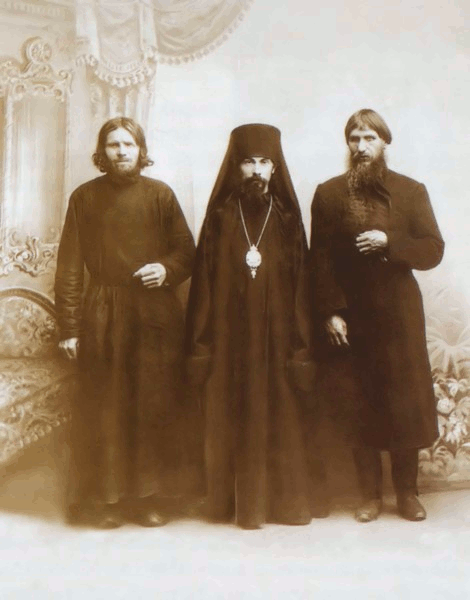
Public domain, via Wikimedia Commons
Makary, Bishop Theofan and Rasputin
(right) in 1909 |
- By the early 1900s, Rasputin had developed a small circle of followers, primarily family members and other local peasants, who prayed with him on Sundays and other holy days when he was in Pokrovskoye.
- Building a makeshift chapel in a friends root cellar, Rasputin was still living within his father's household at the time, the group held secret prayer meetings there.
- These meetings were the subject of some suspicion and hostility from the village priest and other villagers.
New York Times 31
Mar 1912, New York,
New York |
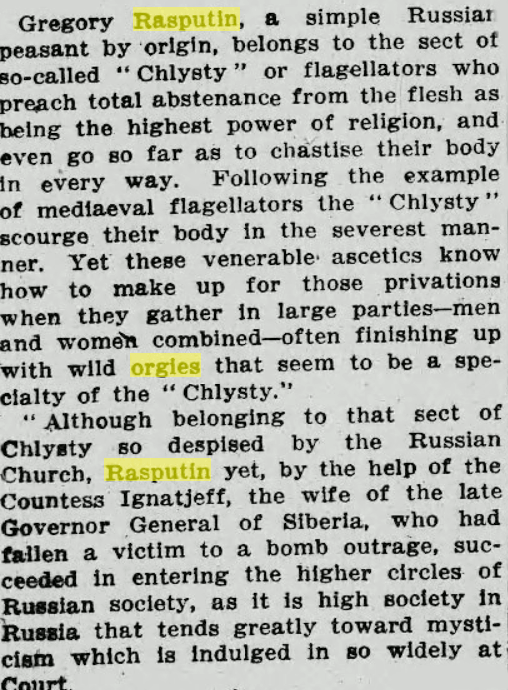
- It was rumored that female followers were ceremonially washing Rasputin before each meeting, that the group sang strange songs, and even that Rasputin had joined the Khlysty
(Chlysty), a religious sect whose ecstatic rituals were rumored to include self-flagellation and sexual orgies.
|
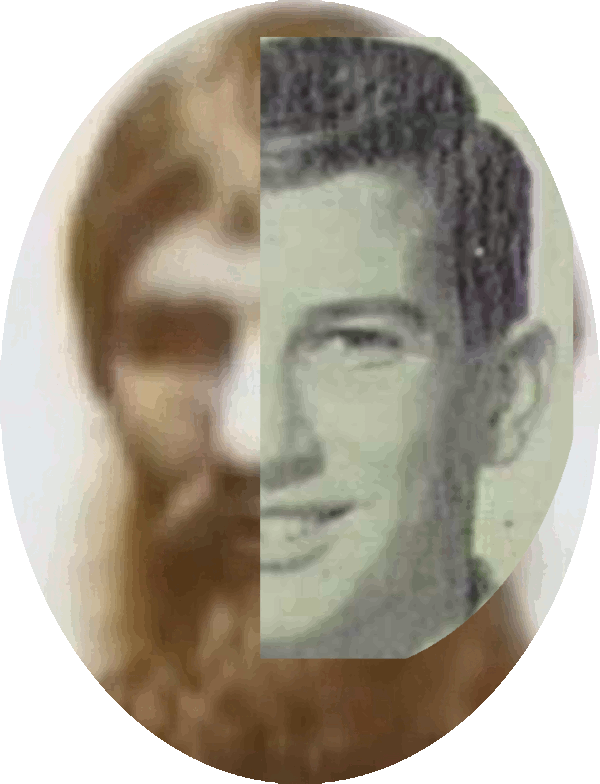
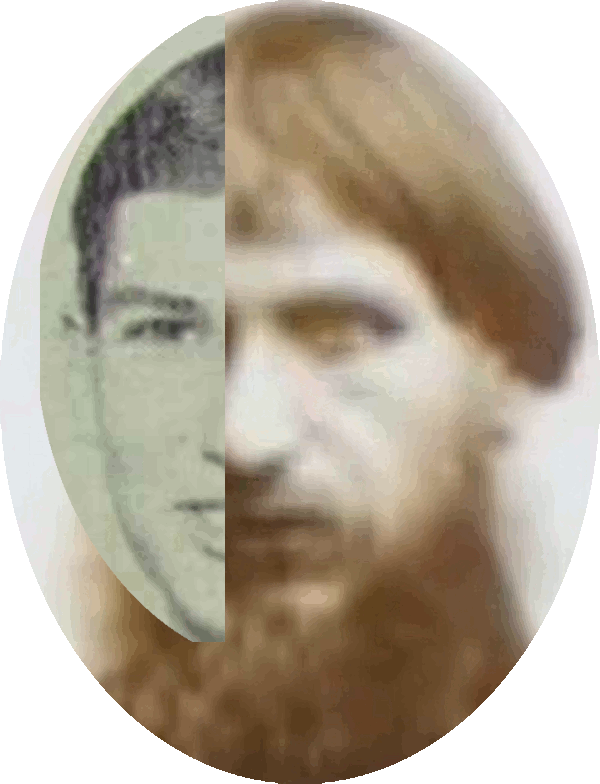
Grigori Rasputin as Dennis McCluskey
(Nicholas II) |
 |
|
Grigori Yefimovich Rasputin
1869-1916
1/21
12/30
Russian mystic and faith healer |
Dennis Owen McCluskey
1947
7/27
Jesus
Christ shapeshifter
|
 |
 |
Rake
|
-
Alternative religious movements such as spiritualism and theosophy had become popular among Saint Petersburg's aristocracy before Rasputin's arrival, and many of the aristocracy were intensely curious about the occult and the supernatural.
- Rasputin's ideas and 'strange manners' made him the subject of intense curiosity among the city's elite, who were
'bored, cynical, and seeking new experiences' during this period.
- Was he really a healer or a charlatan, a man of faith or
a manipulator, he left his wife, 7 children (and another
one on the way), and his village to escape punishment for his role in horse theft.
Lincoln Daily Star
06 May 1917,
Lincoln, Nebraska |
- Nearly all members of Rasputin's family were drunkards
and he was tried in court many times for theft of horses
and perjury.
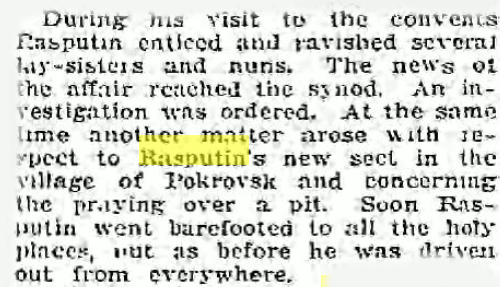
- During his visit to the convent Rasputin
enticed and ravished several lay-sisters and nuns.
-
The news of the affair reached the synod and an
investigation was ordered.
- At the same time another
matter arose with respect to Rasputin's new sect and
concerning praying over a pit.
- Soon he went
barefooted to all the holy places, but as before, he was
driven out from everywhere.
- The creep McCluskey appeared in Sophia's dream judging
her and told her he was 'Jesus Christ.'
- Rasputin told
a story about meeting Virgin Mary because he had Sophia
playing that part 2,000 years ago, archangel Gabriel is
also a fallen angel and there was nothing divine, it was
rape.
|
At that time Rasputin began propagating a new idea,
that is, the conjoint washing in the bath with the
women, "for the subjugation of the flesh." In
Petrograd they began believing more and more in
Rasputin, especially from the time rumors were spread
about "healing" the paralyzed hands of the premier,
P.A. Stolypin and many ministers came to pay their
respects to him. (Lincoln Daily Star, 06 May
1917)
|
Evening Times 14 Jul
1914, Cumberland,
Maryland |
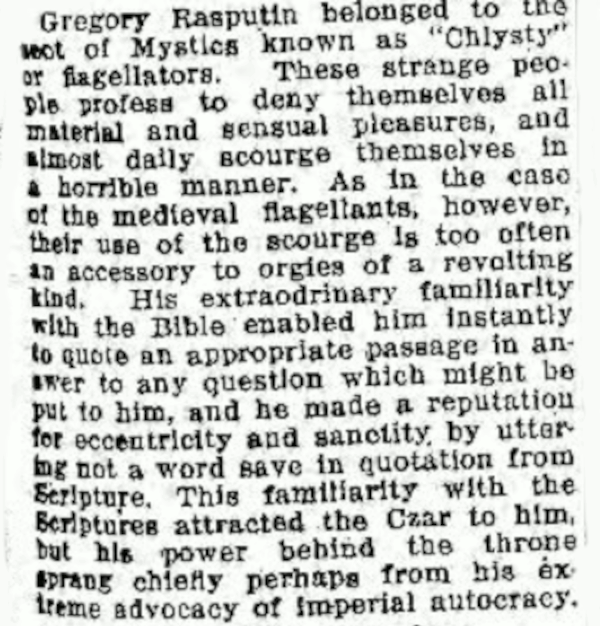
- Rasputin belonged to the sect of mystics known as
'Chlysty' or flagellators.
- These strange people
profess to deny themselves all material and sensual
pleasures, and almost daily scourge themselves in a
horrible manner.
- As in the case of the medieval
flagellants, however, their use of the scourge is too
often an accessory to orgies of a revolting kind.
- His
extraordinary familiarity with the Bible enabled him
instantly to quote an appropriate passage in answer to any
question which might be put to him, and he made a
reputation for eccentricity and sanctity by uttering not a
word save in quotation from Scripture.
- This
familiarity with the Scriptures attracted the Czar to him,
but his power behind the throne sprang chiefly perhaps
from his extreme advocacy of imperial autocracy.
- Now
isn't it just amazing this is the exact same 'act' he used
when he played the fraud, Jesus Christ and Greek Dionysus,
total pervert and creep.
- Plus, he's still walking on
Earth as a shapeshifter playing the same part.
Evening Times 14 Jul
1914, Cumberland,
Maryland |
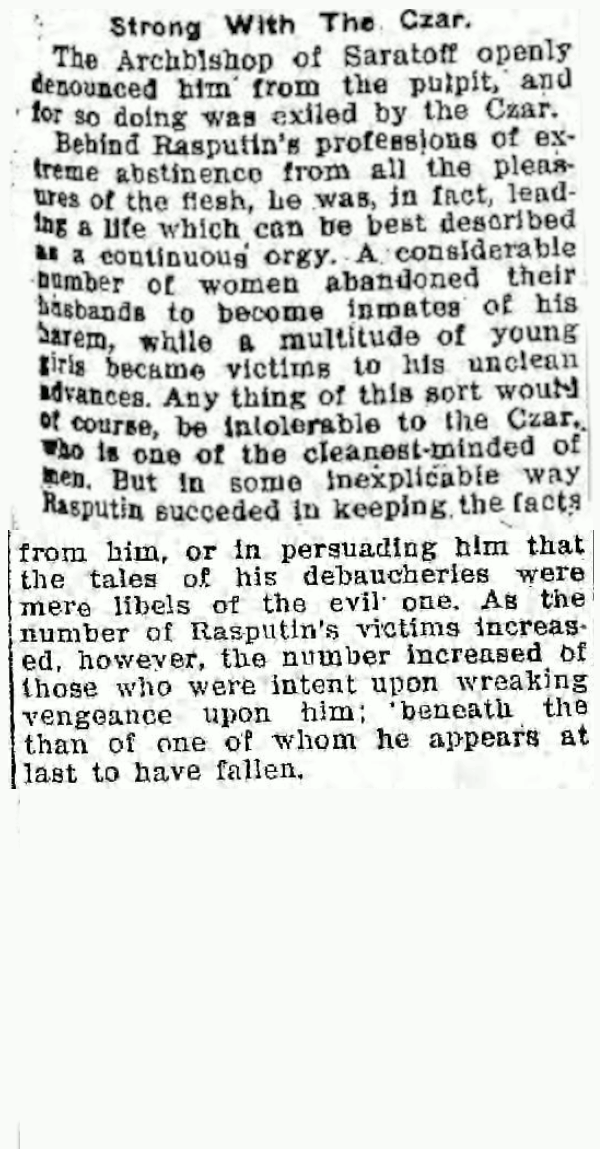
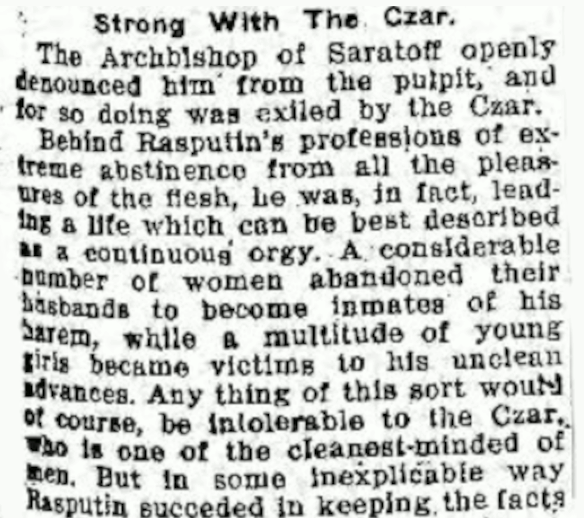
- Behind Rasputin's professions of extreme abstinence from
all the pleasures of the flesh, he was in fact, leading a
life which can be described as a continuous orgy.
- A
considerable number of women abandoned their husbands to
become inmates of his harem, while a multitude of young
girls became victims to his unclean advances.
- As the
number of victims increased, the number increased of those
who were intent upon wreaking vengeance upon him.
The khlysty |
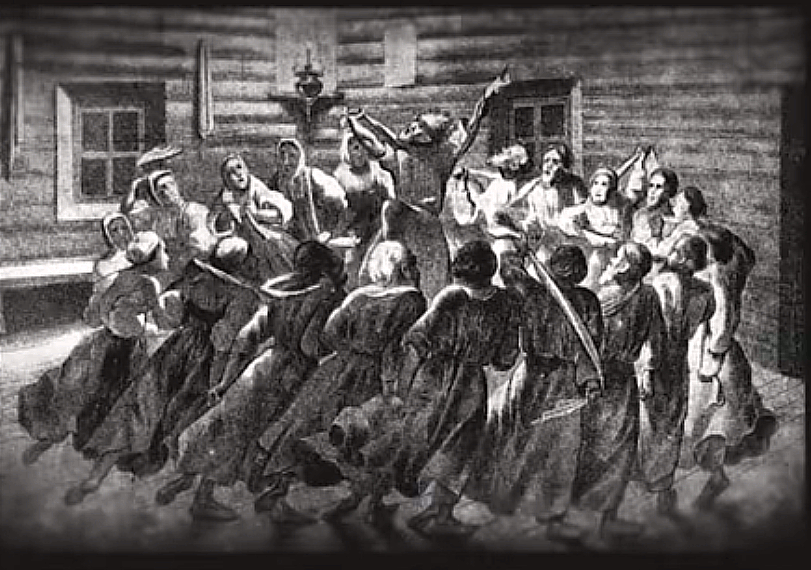
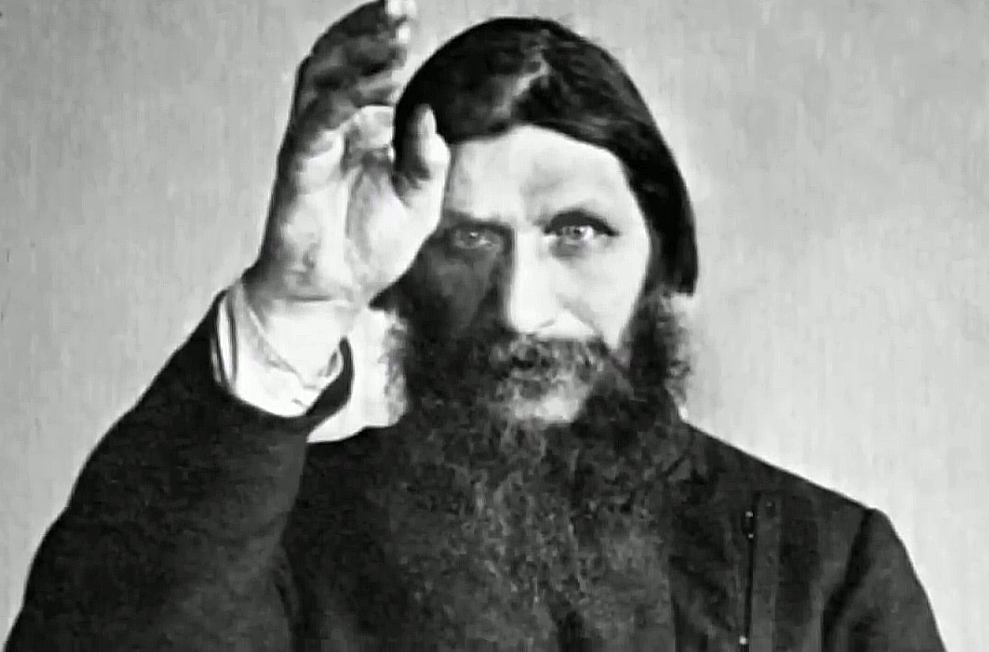
- Contrary to his popular nickname of 'the mad monk,' Rasputin was never a monk but part of a banned sect, the
Khlysty, that practiced self-flagellation and believed that enlightenment was found after becoming sexually exhausted.
- Despite rumors that Rasputin was having sex with female followers
(including the 3 eldest daughters), he made a favorable impression on several local religious leaders.
-
Rasputin's friendship with the tsar's children was evident in the messages he sent to them. "My Dear Pearl M!" Rasputin wrote the
9-year-old Maria in one telegram in 1908.
- "Tell me how you talked with the sea, with nature! I miss your simple soul. We will see each other soon! A big kiss."
- One of the girls' governesses, Sofia Ivanovna Tyutcheva, was horrified in 1910 when Rasputin was permitted access to the nursery when the
4 girls were in their thin nightgowns
and she wanted Rasputin barred from the nurseries.
-
Then the story came out that Rasputin had violated a nun
and he was fired, until Alexandra hired him back a year
later to 'cure' her sick son, Alexei.
|
In response to her complaints, Nicholas asked
Rasputin to end his nursery visits. "I am so afraid
that S.I. [Tyutcheva] can speak ... about our friend
something bad," Maria's twelve-year-old sister Tatiana
wrote to her mother on 8 March 1910, after begging
Alexandra to forgive her for doing something she did
not like. "I hope our nurse will be nice to our friend
now." Alexandra eventually had Tyutcheva fired. (Wikipedia)
|
Cursing
This is the same
hand sign McCluskey
gave Sophia
when
they first met in
her place of work |
- Nicholas IIs sister, Grand Duchess Xenia Alexandrovna, was horrified by Tyutcheva's story.
- Xenia wrote on March 15, 1910, that she could not understand "...the attitude of Alix and the children to that sinister Grigory (whom they consider to be almost a saint, when in fact he's only a khlyst!)
- He's always there, goes into the nursery, visits Olga and Tatiana while they are getting ready for bed, sits there talking to them and caressing them."
- They are careful to hide him from their governess Sofia Ivanovna, and the children don't dare talk to her about him,
and it's all quite unbelievable and beyond understanding.
- Another of the nursery governesses claimed in the spring of 1910 that she was raped by Rasputin, Maria Ivanovna Vishnyakova had at first been a devotee of Rasputin, but later was disillusioned by him.
Mad man and sex
fiend |
-
It was whispered in society that Rasputin had seduced not only Alexandra but also the
4 grand duchesses, except it was only 3 of them as he left
Anastasia alone.
- Rasputin had released ardent letters written to him by the tsarina
(Nicholas IIs wife) and the grand duchesses, which circulated throughout society and fueled the rumors.
- Pornographic cartoons also circulated that depicted Rasputin having sexual relations with the tsarina, with her
daughters, and Anna Vyrubova nude in the background.
- Nicholas II ordered Rasputin to leave Saint Petersburg for a time, much to
his wife's displeasure, and Rasputin went on a pilgrimage to Palestine.
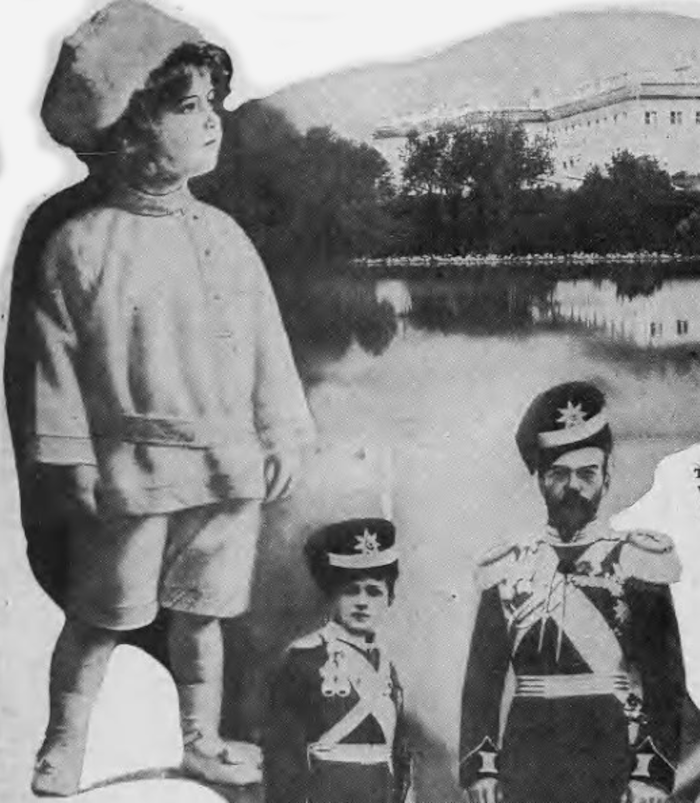
Chicago Examiner 22
Apr 1917, Chicago,
Illinois
Nicholas
II and sick son
Alexei |
-
The little ex-Czarevitch (Alexei), who Monk IIiodor says
was systematically fed with poison when Rasputin was away,
to keep alive the tradition that only Rasputin could save
his life.
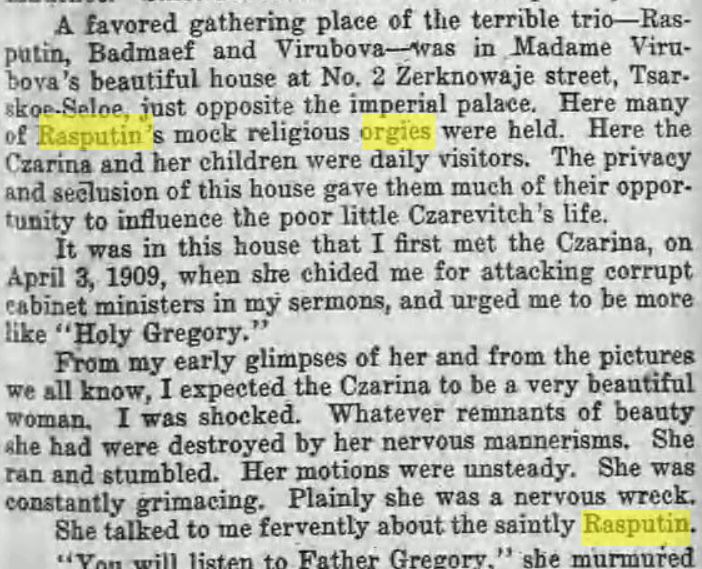
- A favored gathering place of the terrible
trio, Rasputin, Doctor Badmaef and Madame Virubova, was in
Madame Virubova's beautiful house, just opposite the
imperial palace.
- Here many of Rasputin's mock
religious orgies were held, here the Czarina (Alexandra)
and her children were daily visitors.
- The truth of
the matter was that 'Holy Gregorys' time was divided
between unspeakable orgies and artful tricks to delude the
Czar and Czarina.
- One of his most favorite sayings
was, 'The Czarevitch (Alexei) will live as long as the
prophet is honored at court' and when he was in disfavor,
Alexei would really fall ill.
- Rapsputin would give
the child yellow powders, and by means of mock religious
ceremonies, holy orgies, unbridled sensuality, and other
devices, Rasputin maintained his hold on the Czar and
Czarina to the last.
|
Explain the awesome goodness of a god who blinds a child from birth so that decades later he can heal him as a way of showing off his God powers.
Jesus admitted that he blinded a child from birth so that, after decades of suffering, he could heal him.
John 9:3 Jesus answered, “Neither this man nor his parents sinned; he was born blind so that God’s works might be revealed in him. (Reddit)
|
|
Grigori Rasputin as Donald Trump |
 |
 |
Grigori Yefimovich Rasputin
1869-1916
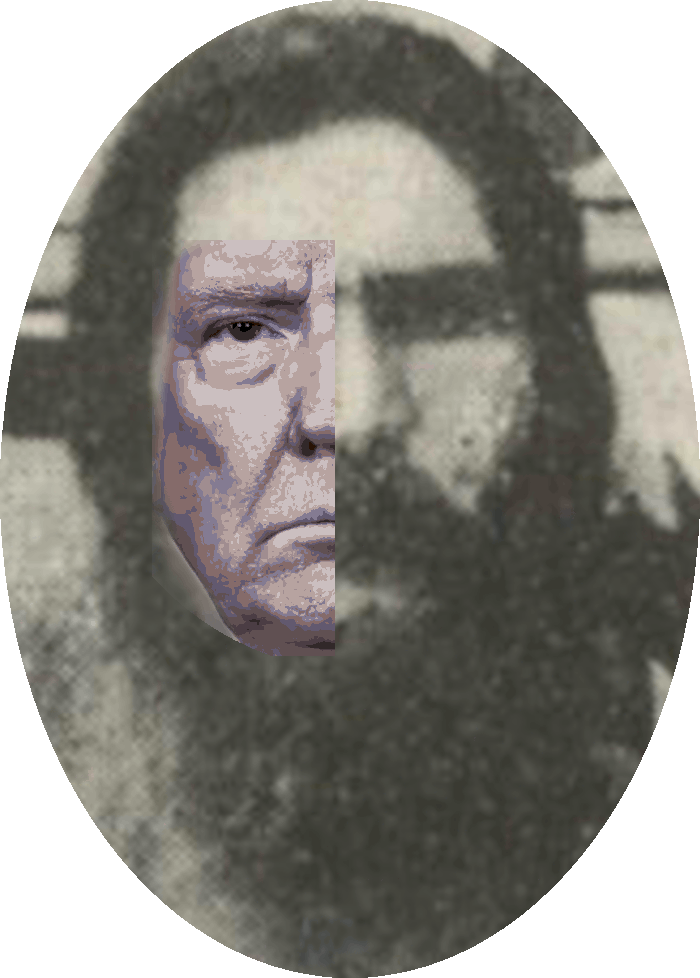
1/21
12/30
Russian mystic and faith healer |
Donald John Trump
1946
6/14
|
 |
 |
Rasputin dance
Russians turning back to religion
|
- After the radicals had made an armed demonstration in
Petrograd, and had been beaten, things changed.
- The
flight of the army, and food shortages due to industrial
disorganization, sobered the people.
- The maximalist
leaders became discredited.
- Now there is manifest a
return to religion, people are once more giving heed to
the church.
- Rasputin was a favorite bogie of the radicals, now he
was neither a priest nor a monk, but a peasant with
personality, and strongly mystical religious tendencies.
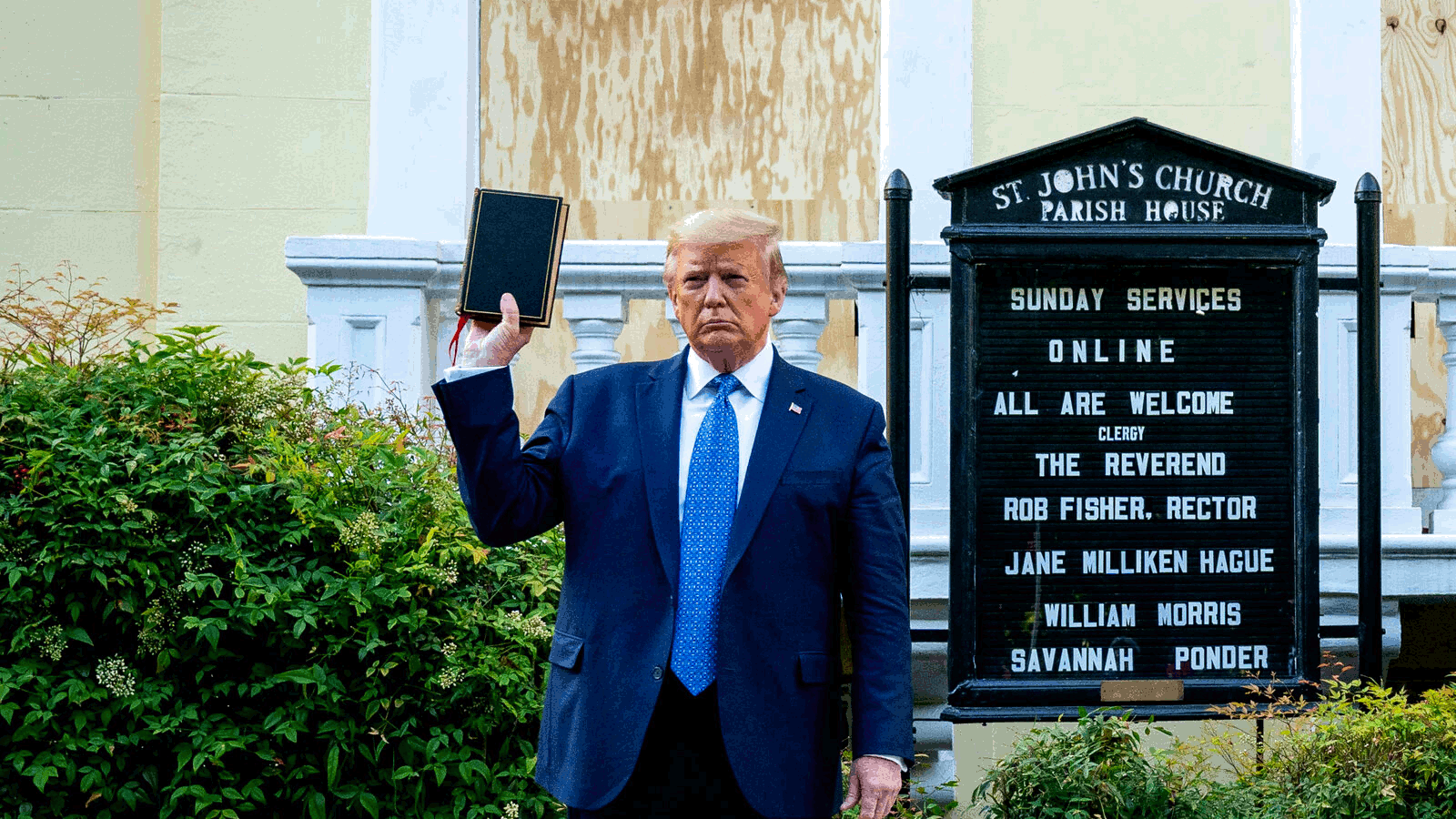
Trump $60 Bible
thumper |
-
Rasputin claimed to be both healer and teacher.
- That he
was an erotic monstrosity is beyond doubt.
- His life in
Petrograd, especially after he took to drinking and to
frequenting public places, is well known, and it was vile
beyond words.
- That his influence in court circles was
wholly evil is also clear.
- Trump’s Newest Venture? A $60 Bible
in 2024.
- His Bible sales pitch comes as he appears to be confronting a significant financial squeeze, with his legal fees growing while he fights a number of criminal cases and lawsuits.
- "Happy Holy Week! Let's Make America Pray Again. As we
lead into Good Friday and Easter, I encourage you to get a
copy of the God Bless the USA Bible," Trump wrote,
directing his supporters to a website selling the book for
$59.99 (666 upside down).
- And remember, the creep got
rid of the copper penny, so he won't give you the correct
change (which seems to be a problem everywhere now, plus
the fact it's a scam to make you think things are
'cheaper').
- Don't forget that 'God' in
the Bible was Yahweh, a fallen angel.
- There is no
such thing as 'religion' in heaven, and the Most High
Father does not consider himself a 'God.'
|
We’re bringing back religion in our country, and we’re bringing it back quickly and strongly—because for America to be a great nation, we must always be one nation under God. (President Donald J. Trump)
|
The Mobile News Item
26 Oct 1917, Mobile,
Alabama |
-
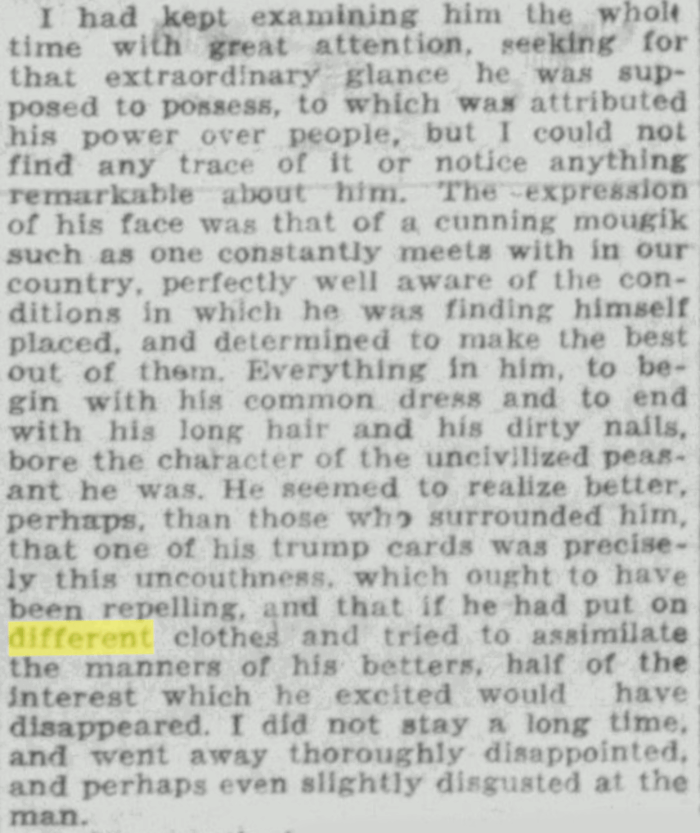
The expression of his face was that of a cunning mougik
such as one constantly meets within our country,
perfectly well aware of the conditions in which he was
finding himself placed, and determined to make the best
out of it.
- Everything in him, to begin, with his
common dress and to end with his long hair and his dirty
nails, bore the character of the uncivilized peasant he
was.
- He seemed to realize better perhaps, than those
who surrounded him, that one of his trump cards was
precisely his uncouthness, which ought to have been
repelling, and that if he had put on different clothes and
tried to assimilate the manners of his betters, half of
the interest which he excited would have disappeared.
- Grigori Rasputin completely changed in 1897 after a life-altering pilgrimage to the St. Nicholas Monastery at Verkhoturye.
- Leaving behind his life as a brawling, thieving Siberian peasant and family man, he returned transformed into a deeply religious, wandering mystic.
-
Rasputin stopped eating meat, swore off alcohol entirely, and began praying and singing hymns with intense fervor.
- However, he was played by so many characters, of course
his demeanor completely changed from time to time (and he
looked like a different person from photo to photo).
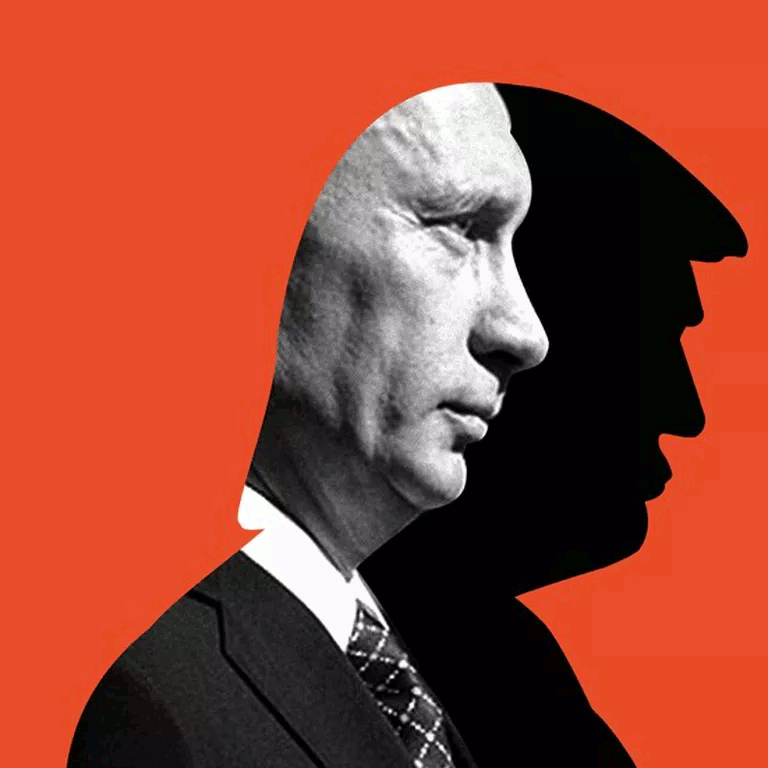
Image from Rebecca Zisser / Axios
Timeline: How Russia is haunting Donald Trump |
- He abandoned his agrarian life to travel as a self-styled holy man (starets), eventually cultivating the intense, magnetic persona that drew the attention of high society.
- From Ras-Putin to Trump.
- Rasputin's wild appearance, featuring unkempt hair and a piercing gaze, was a calculated cultivation of his ascetic, mystic mendicant identity.
- This deliberate transformation allowed him to transition from an obscure peasant into a controversial spiritual advisor to the Russian imperial court.
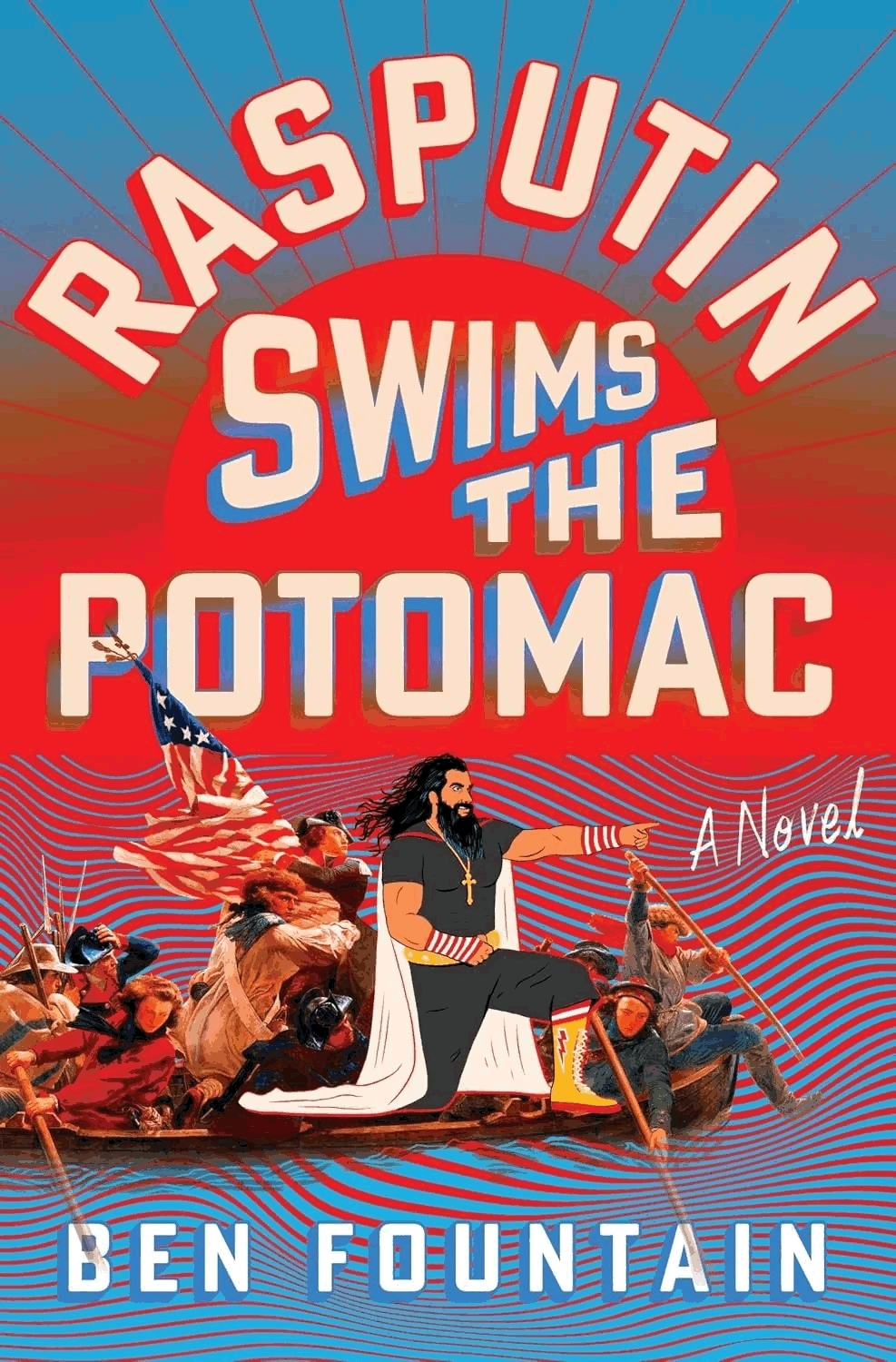
An American place before the cons and haters and billionaires attempted their
'Great Replacement' of democracy |
- Rasputin: Fraud, Mystic, Womanizer, Prophet... Or All of the Above?
- Despite the scandal, the imperial family's association with Rasputin continued until his murder on December
17, 1916.
- Rasputin didn't die, he's impossible to
assassinate because he's a shapeshifting fallen angel.
- Who knows whose body they supposedly pulled out of the
river, probably some poor dead guy frozen in his grave but
it wasn't this creep.
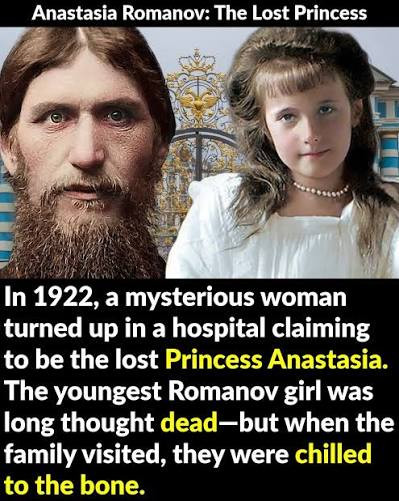
- After Anna Anderson came forward and claimed that she was Anastasia
in 1922, several family members and a friend recognized
her and noted that she was the real Anastasia.
- The
story was denied by the press and covered up, however,
Anna Anderson really was Anastasia, but she was labeled a
fraud.
- At least two of Anastasia's governess' even
identified moles, scars and other birthmarks as matching.
- The witnesses included
one friend who used to draw pictures of animals and
Anastasia would make up stories to go along with the
pictures, and he claimed that Anna Anderson knew all the
stories when they met.
- One of Jesus Christ's 11
wives was Salome, stepdaughter of King Herod Antipas.
|
Rasputin had a way of having a man exiled for not
selling his daughter to him, or for not giving her to
one of his friends, and a great many of the
respectable members of the Russian court stayed away
because of the sensual orgies and indecent abandon of
the court when Rasputin became a member. Salome had
nothing on the dances at the functions of the nobility
who used to invite Rasputin to their parties. (Washington
Herald, January 26, 1917)
|
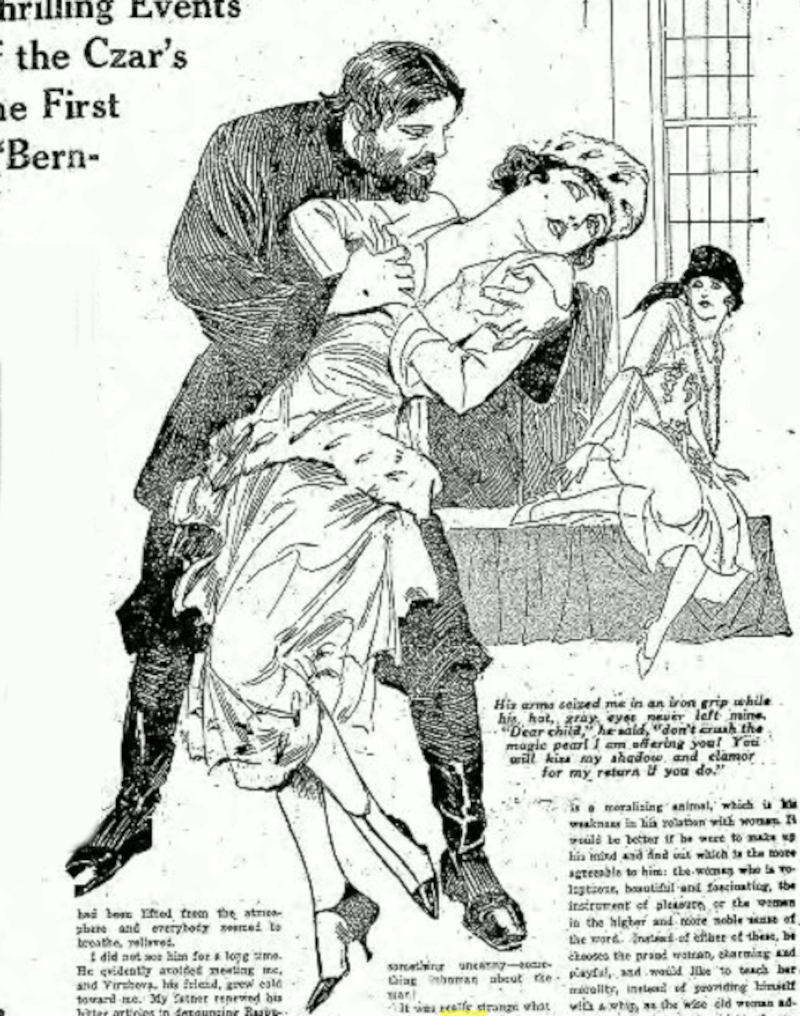
Ogden Standard
Examiner 14 May
1922, Ogden, Utah |
- Anna Anderson reported about the sexual affairs of
Rasputin and her mother and 3 sisters, but this was all
covered up by the demonic press.
- And actually,
Anastasia was very jealous because Rasputin wouldn't come
near her, partly because she was such a trickster he
worried about what she would do (who she would tell), but
also because she was his homely 'eternal love' he put on
the back shelf.
|
Rasputin’s tea parties for his devotees soon developed into a sort of salon. As a rule, he tended to attract slightly unbalanced or lonely women because he offered comfort for their unhappy souls.. (Anthony
Beever)
|
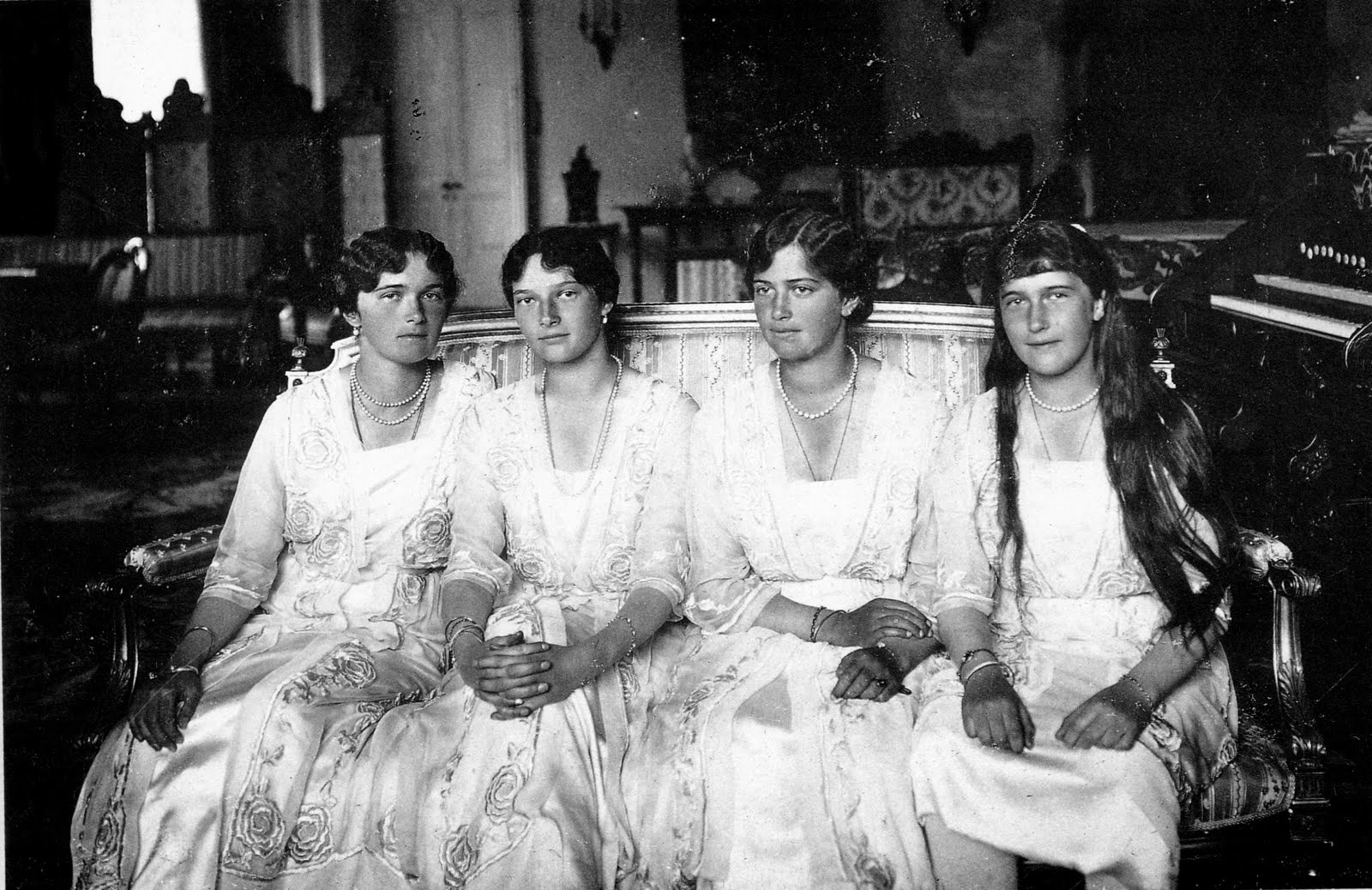
Grand Duchesses Olga, Tatiana, Maria
and Anastasia Nikolaevna, in 1916 |
- Additionally, the daughters were all painted like
porcelain dolls in most of their photographs and all of
their official portraits and they were all
actually fairly plain and not exactly very beautiful.
- They were a ruling family that had
expanded across the old lands of Tartary was erased by a
new political order (not really).
- Yet even here, the
pattern continued, the empire changed its name, its
symbols were destroyed and its official history was
rewritten.
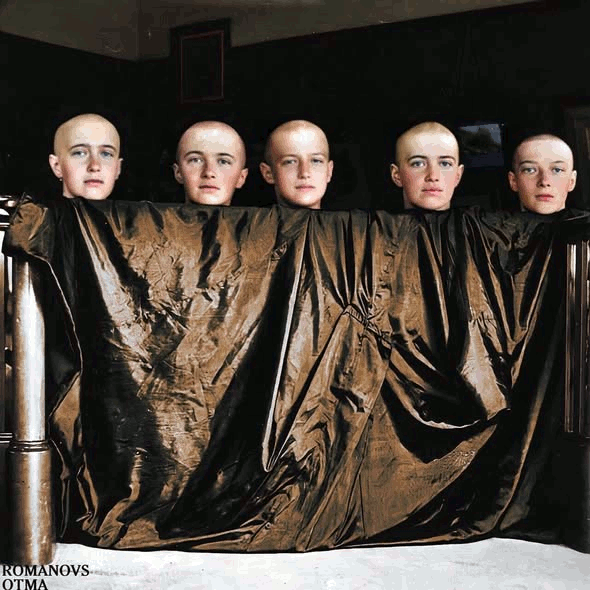
The Romanov sisters with their brother Alexei after shaving their hair because of measles
(or were they trying
to sneak off), 1917. |
- It's hard to tell which one is Alexei?
- Were
they all boys?
- Why yes, they were, but their parents
didn't want to reveal that to the general public because
they would have been horrified if they knew there were 5
male heirs.
- This is a huge part of the story.
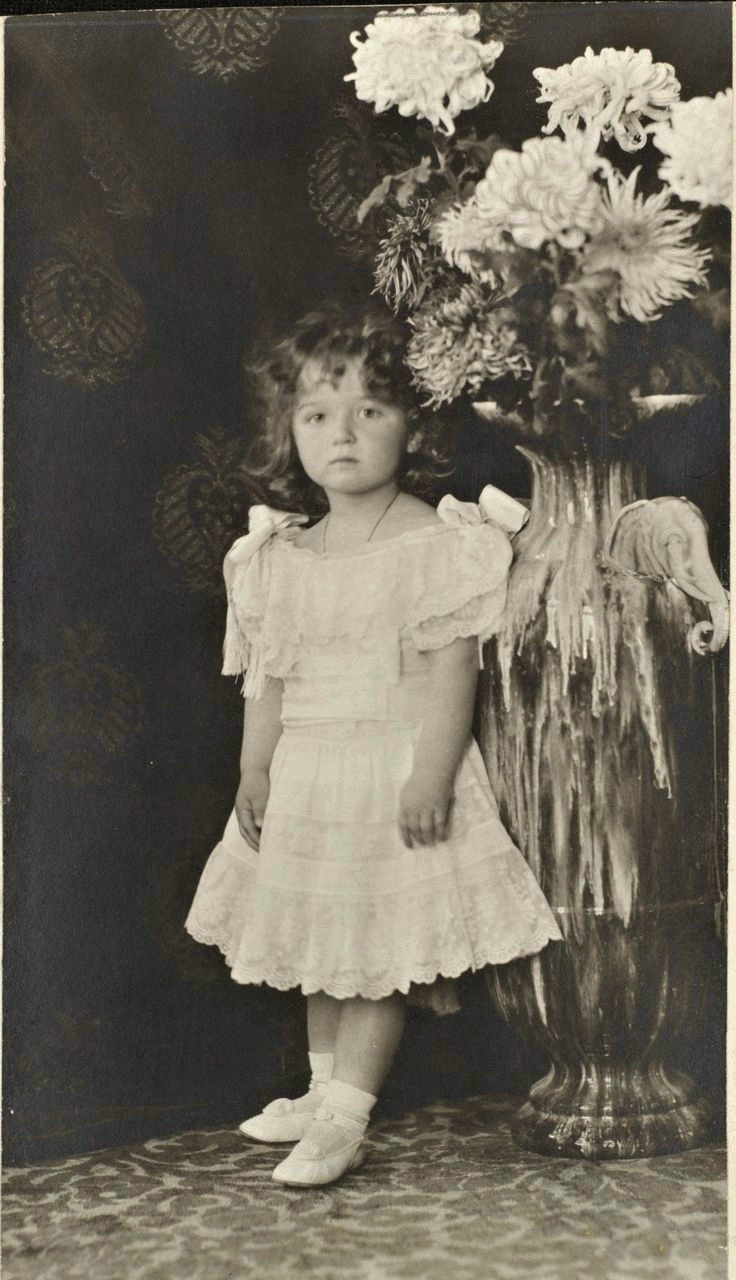
Tsarevich Alexei, the last heir to the Russian throne, wearing long white baby dresses and sporting long curls, 1905 |
- Nice flowers, the excuse they gave was that dresses made diaper changes and general infant care much easier before a child was potty trained.
- How amusing, all that lace must have absorbed all the
excess waste that came out of him.
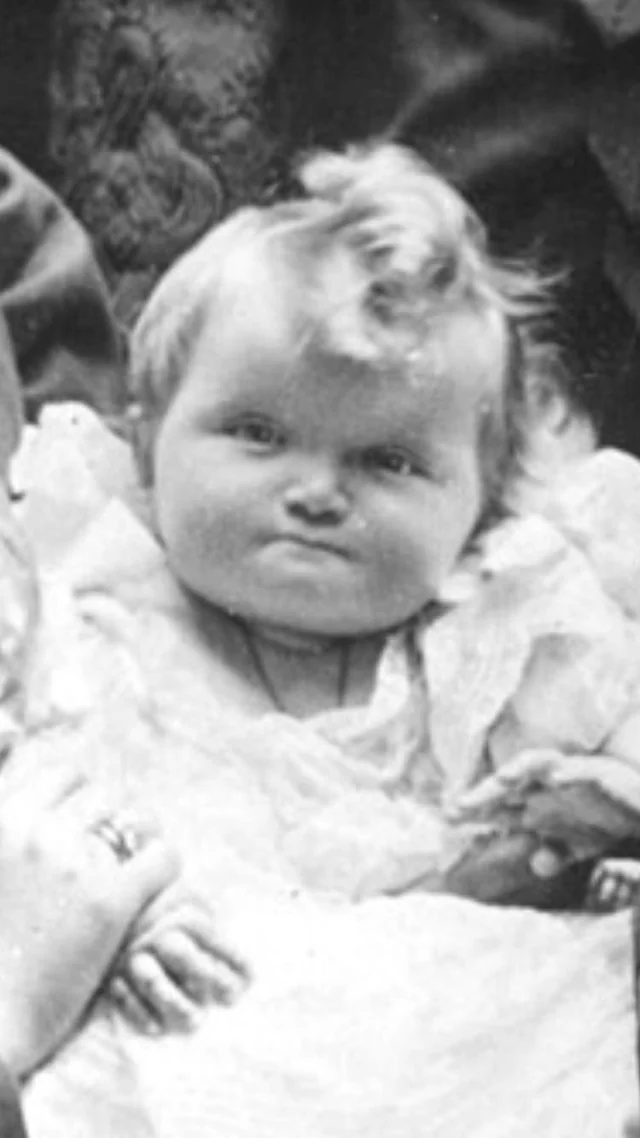
Daughter Olga with a
square head (like a
boy) - 1895 |
- Grand Duchess Olga Nikolaevna Romanova was born on November 15, 1895, weighing nearly 10 pounds.
- Observers described her as an unusually large, robust, and exceptionally chubby baby with a broad face.
- This stout, round appearance led some contemporaries and later onlookers to remark that she looked less like a delicate newborn and more like a sturdy boy.
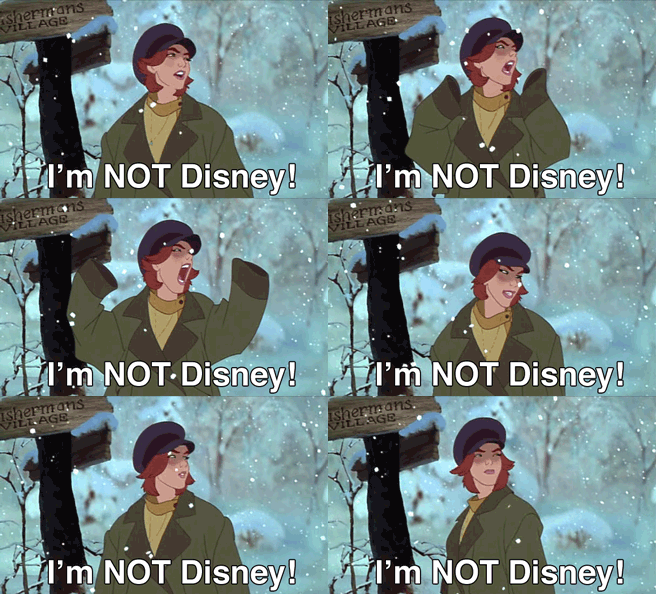
Anastasia - Disney
didn't want her
(him)
either |
-
After the Romanovs left, much of the Russian territory remained under
centralized control, the crown disappeared but the
structure survived.
- Farther west, the
Habsburgs represented another form of dynastic endurance.
- Their
influence was not built primarily through continuous
territorial expansion like the Romanovs, but through
marriages, inheritance, religious authority and political
calculation.
|
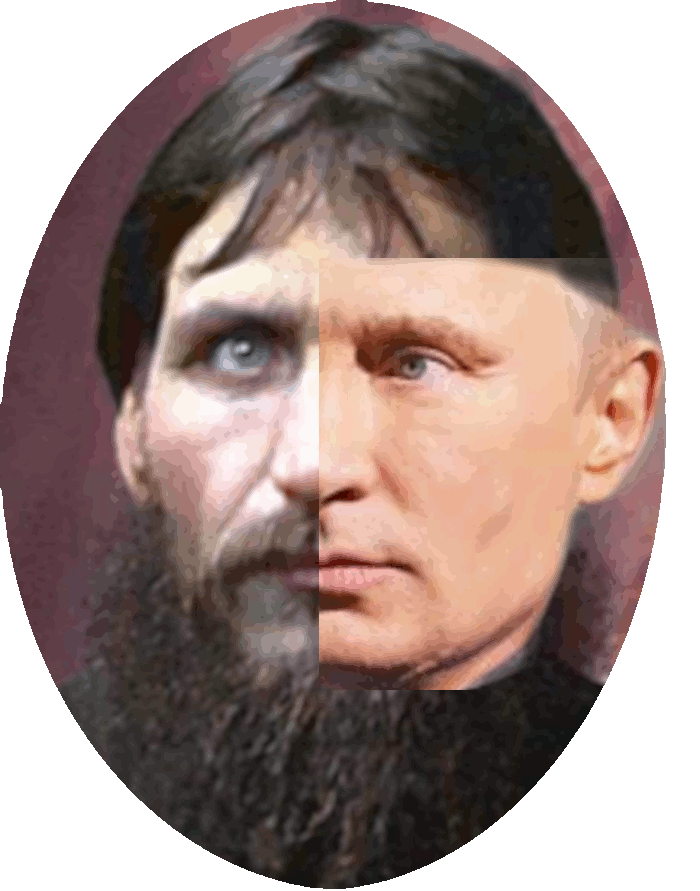
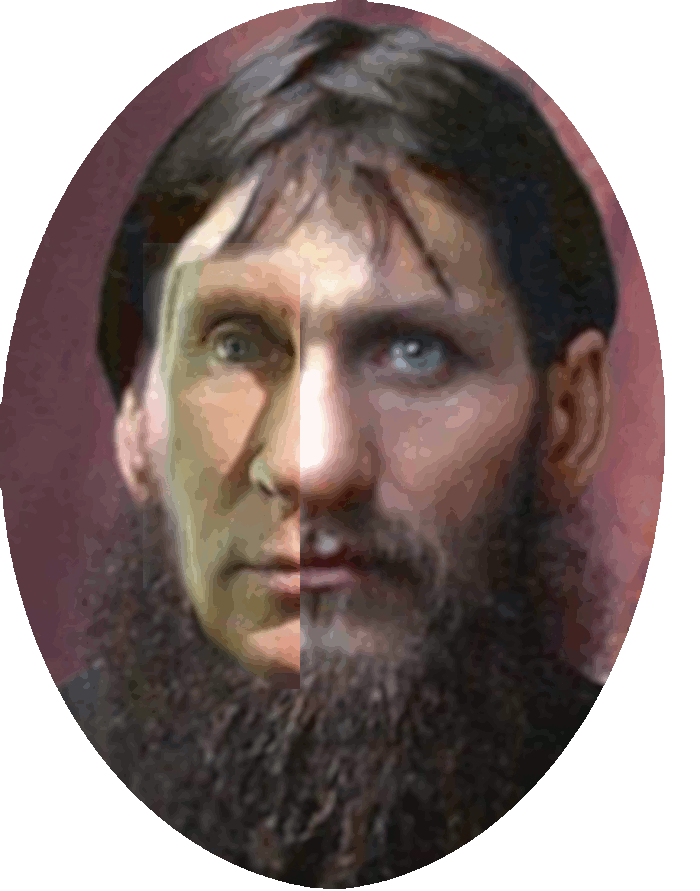
Vladimir Putin as Rasputin |
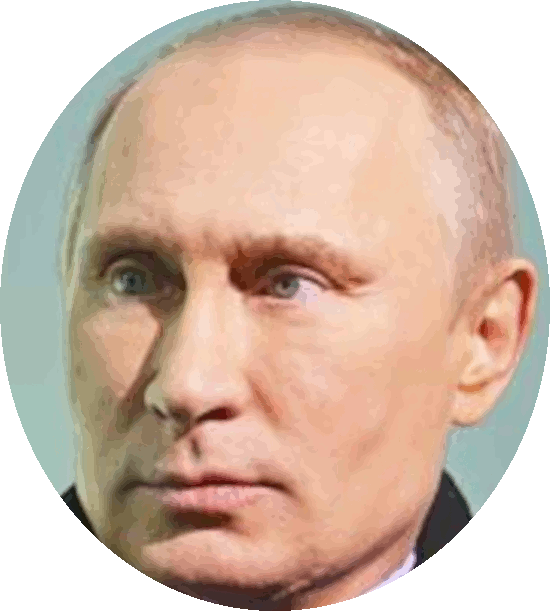 |
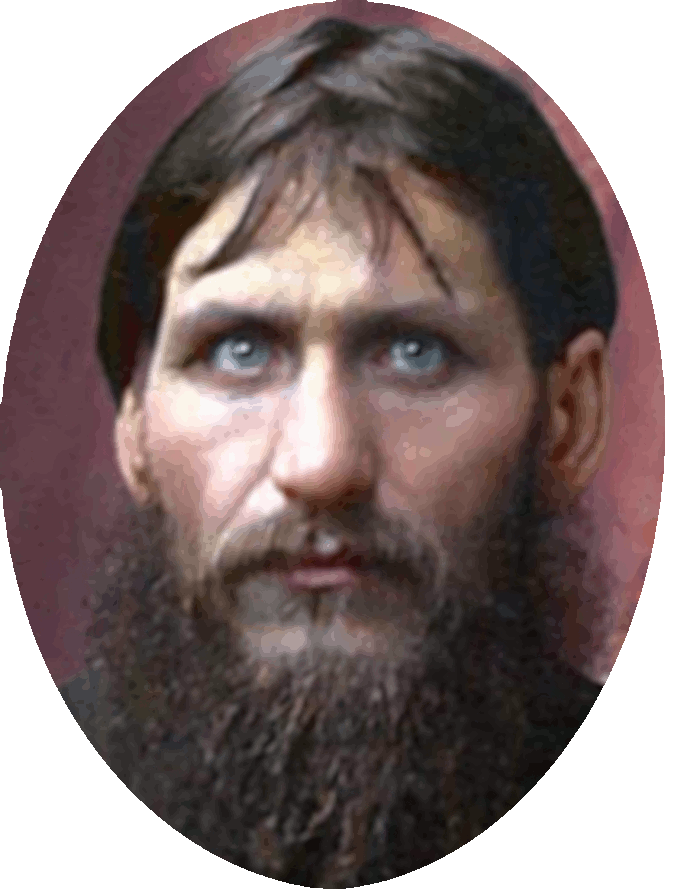 |
Vladimir Vladimirovich Putin
1952
10/7
President of Russia |
Grigori Yefimovich Rasputin
1869-1916
1/21
12/30
Russian mystic and faith healer
|
 |
 |
Moth
|
- Vladimir Vladimirovich Putin (1952-) is a Russian
politician and former intelligence officer who has served
as President of Russia since 2012, having previously
served from 2000 to 2008. Putin also served as Prime
Minister of Russia from 1999 to 2000 and again from 2008
to 2012.
- He has been described as the de facto leader
of Russia since 1999.
- Over the centuries, Romanov authority expanded
eastward across Siberia, southward toward the Caucasus and
Central Asia.
- Territories once described vaguely by
European mapmakers as parts of Tartary were gradually
surveyed, taxed, fortified and incorporated into a
centralized imperial system.
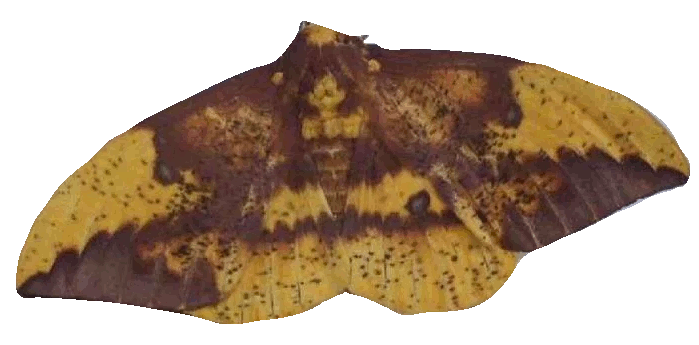
Rasputin face in moth |
- This process required
more than soldiers, it required maps, census records,
church registers, trade monopolies, languages of
administration, official titles for local peoples.
-
The empire did not simply occupy territory, it translated
that territory into a form the state could understand and
control.
- As a result, a river became a standardized
name, a region was assigned to a province, a tribe became
a category, a local ruler became either an imperial
servant or a rebel.
- Once this classification was
complete, the older and less precise language of Tartary
became unnecessary.
- The name Tartary disappeared
because the territory had been broken into manageable
parts.
|
An Imperial Moth has a guy face on it.
(Reddit)
|
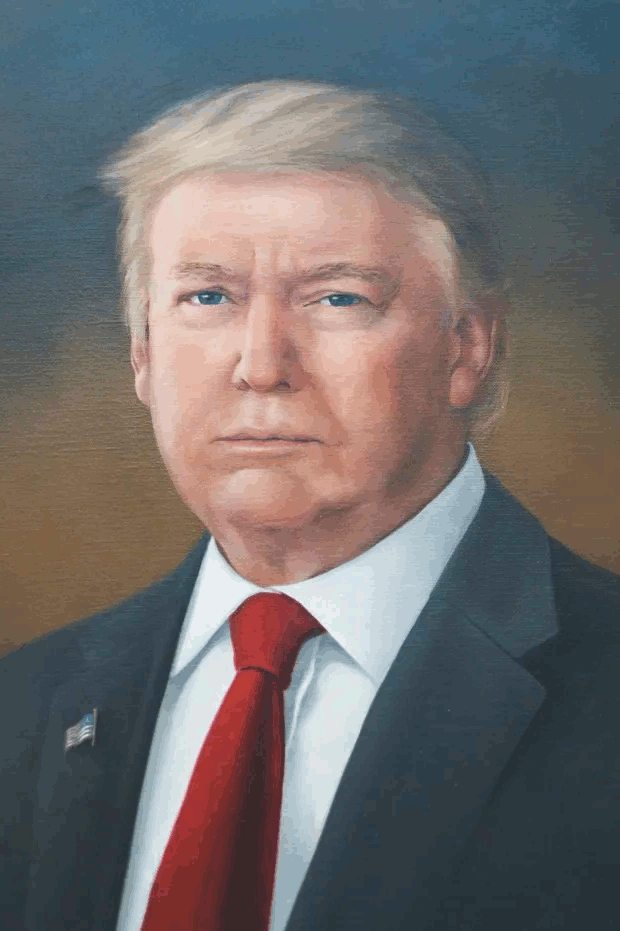
Trump’s portrait at Colorado Capitol to come down after president complains it was
'purposefully distorted' |
- The Romanovs expanded administrative control over
former Tartary and European dynasties connect through
marriage.
- European families connect through marriage,
financial families provide capital across borders,
industrial states build railways, telegraph lines,
schools, museums, and national archives.
- Cartography
becomes standardized, archaeology becomes
institutionalized and historical knowledge moves from
local memory into professional systems controlled by
universities, governments, and private collections,
revealing how a new historical reality could be
constructed.
- Suppose a region possessed old buildings
and records that did not fit the emerging national story,
the government would not need to destroy everything.
|
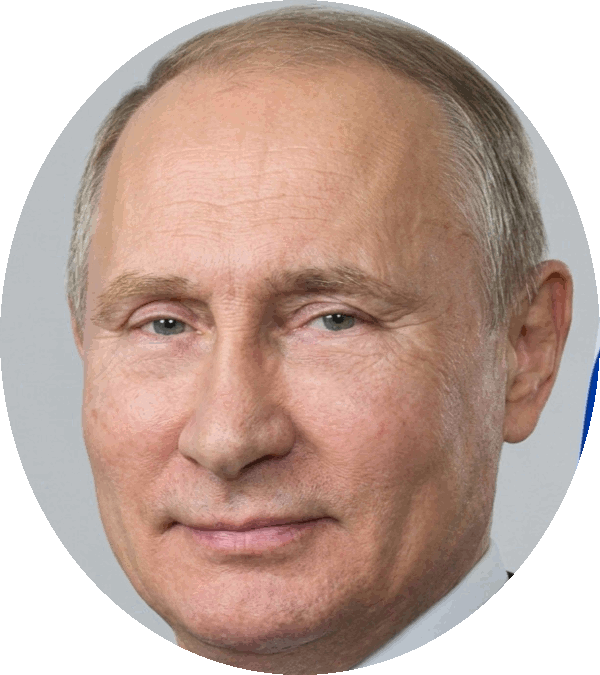
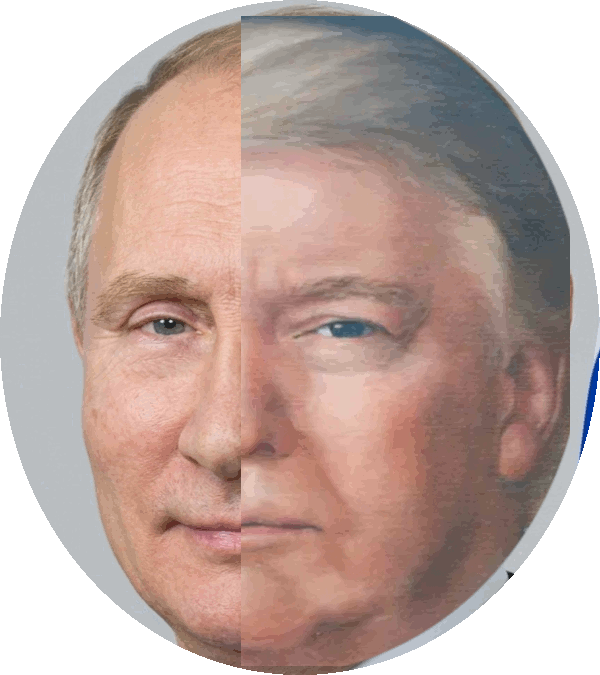
Vladimir Putin as Donald Trump |
 |
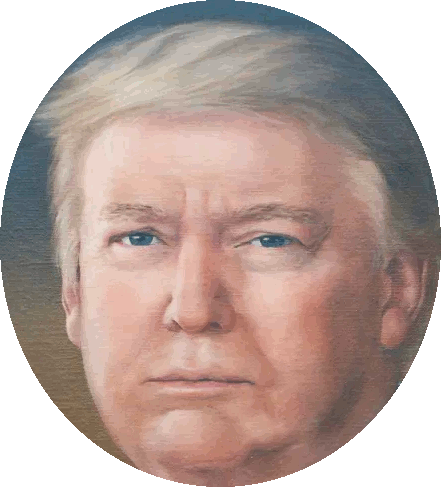 |
Vladimir Vladimirovich Putin
1952
10/7
President of Russia |
Donald John Trump
1946
6/14
|
 |
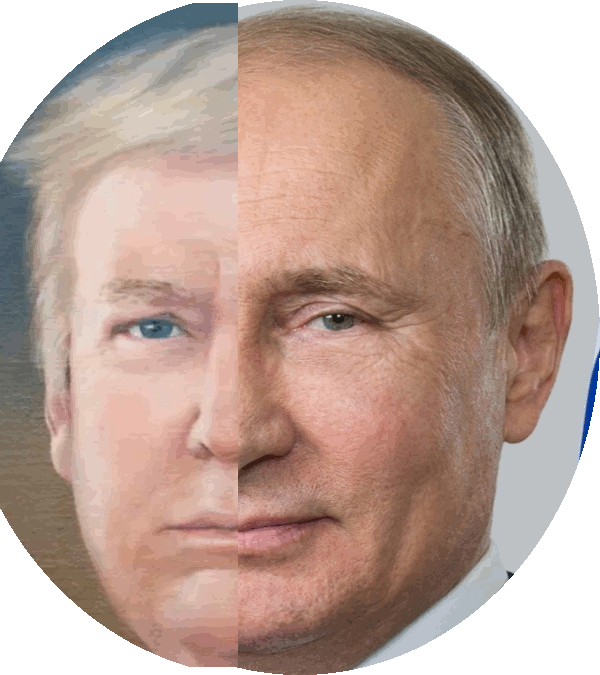 |
Rasputin dance
|
- It could classify the architecture according to
accepted styles, place documents in archives, translate
local names into official language and teach a simplified
chronology in schools.
- Within 2 generations, the
interpretation would become more powerful than the object
itself.
- The building remains, its meaning changes,
this is where the metaphor of the family tree becomes
useful.
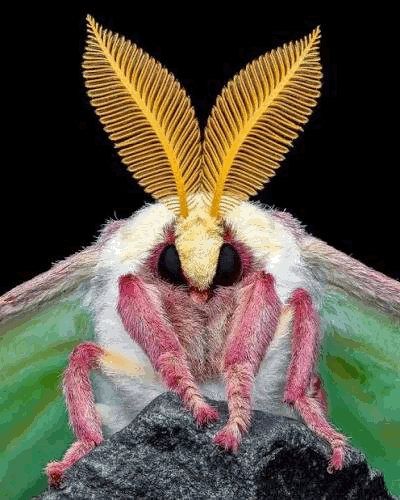
Trump Rosy Maple moth |
- At first, we see separate branches, one
branch is royal, one is financial, one is military, one is
academic, one is religious, one is industrial, but as we
follow them downward, the branches begin to converge
around the same trunk, control over land, records,
inheritance, and legitimacy.
- The same families did
not need to control institutions personally, their
influence could move through appointments, marriages,
patronage, loans, foundations, and ownership.
- A
nobleman sponsors an expedition, a banker finances a
railway, s monarch grants a charter, a museum acquires
artifacts, a university publishes the accepted
interpretation, a newspaper repeats it, a school teaches
it.
- Eventually, the narrative appears to have no
author, it simply becomes history, and a civilization over
time is erased from public awareness, especially the more
time that passes.
- Children born after the change know
only the new names, old maps become collector's items.
|
Rosy Maple Moth (Dryocampa rubicunda), is famous for its bright pink and yellow colors, and [Neopalpa donaldtrumpi], a tiny micro-moth named after Donald Trump because the yellowish scales on its head resemble his hairstyle.
(Assistant)
|
- Fallen angels disguise themselves as moths when they
want to spy on you.
- They have to tell you what
they're doing but they think they're being cute while they
laugh at you.
- Last laugh for demon boy.
AUSTRIA
|
|
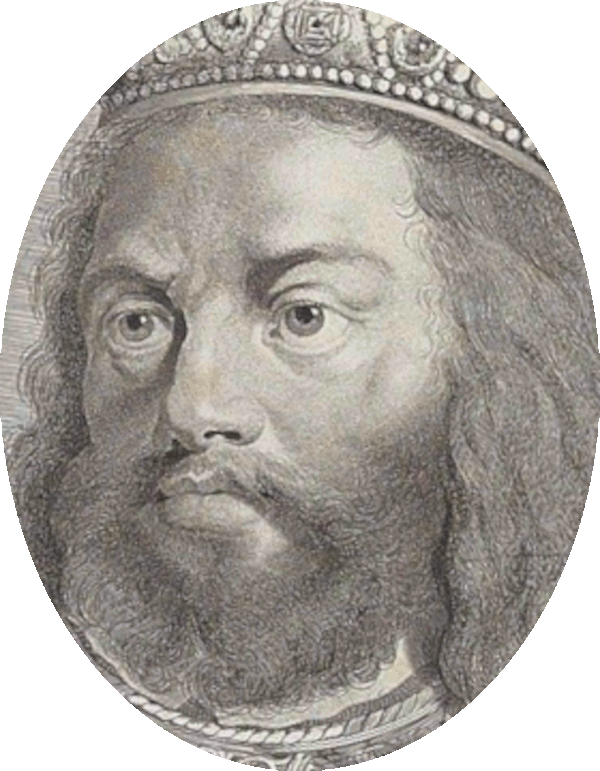
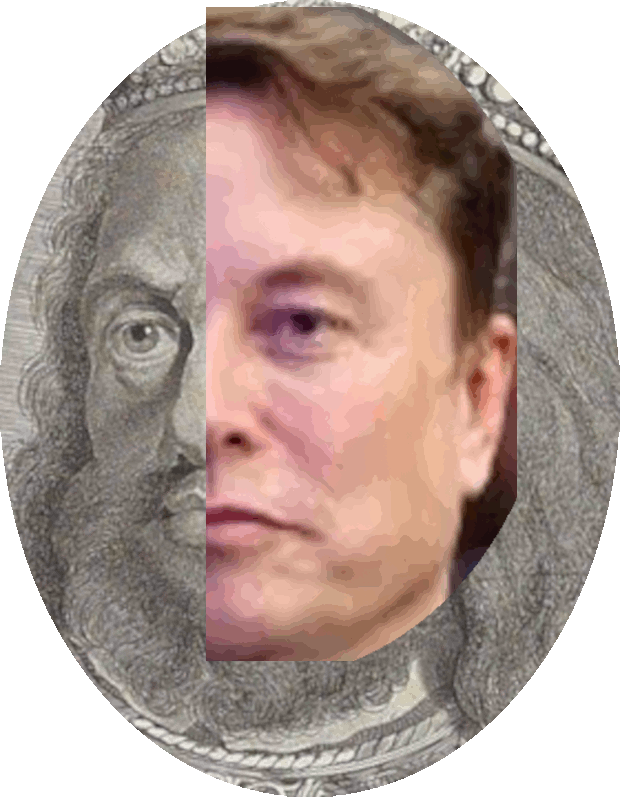
Rudolf I as Elon Musk |
 |
 |
Rudolf of Habsburg
1218 -1291
5/1
7/15
King of the Romans and Germany |
Elon Reeve Musk
1971
6/28
|
 |
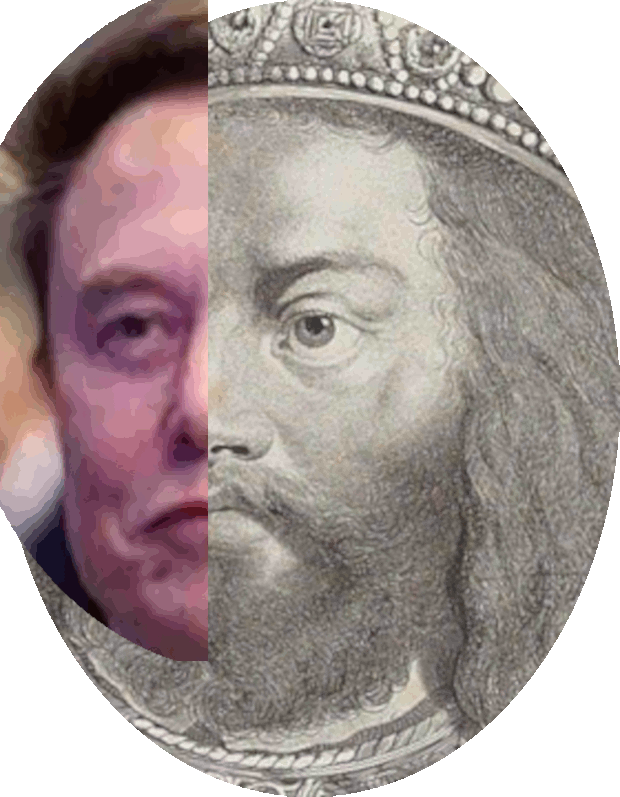 |
Poor count
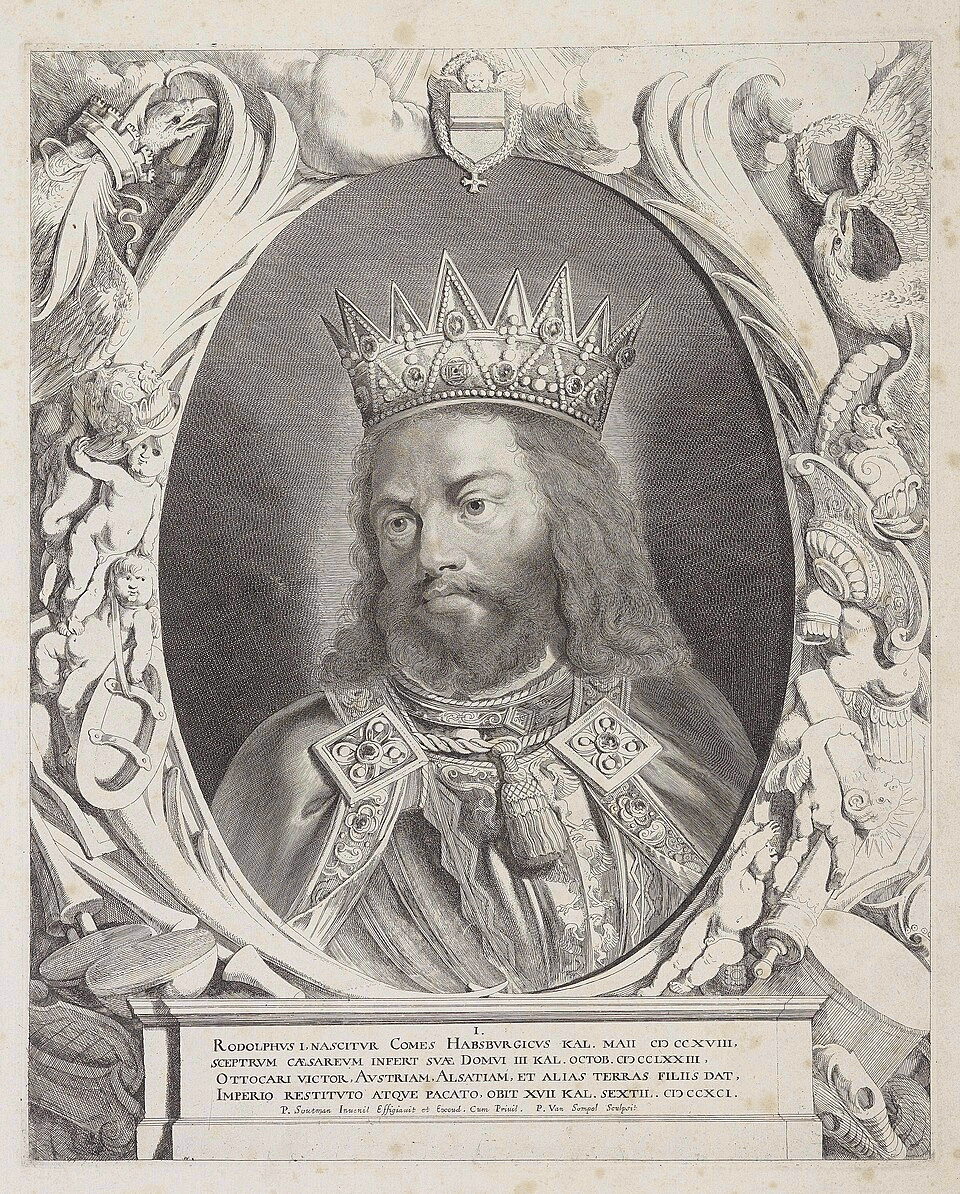
After Pieter Soutman, Public domain, via Wikimedia Commons
Rudolf I of Habsburg in 1640 |
- Rudolf of Habsburg (1218 -1291) was a German nobleman and the first member of the House of Habsburg to become King of the Romans, reigning from 1273 until his death.
- Born into a relatively minor noble family, Rudolf succeeded his father as Count of Habsburg in 1240, gradually expanding his power through military campaigns, political alliances, and the construction of key fortresses such as Neuhabsburg Castle
- The House of Habsburg was one of Europe's most powerful royal dynasties, ruling Austria from 1282 until 1918.
- Famous for expanding their empire through strategic marriages rather than wars, they governed the Holy Roman Empire, Bohemia, Hungary, and later the Austro-Hungarian Empire before losing power at the end of World War I.
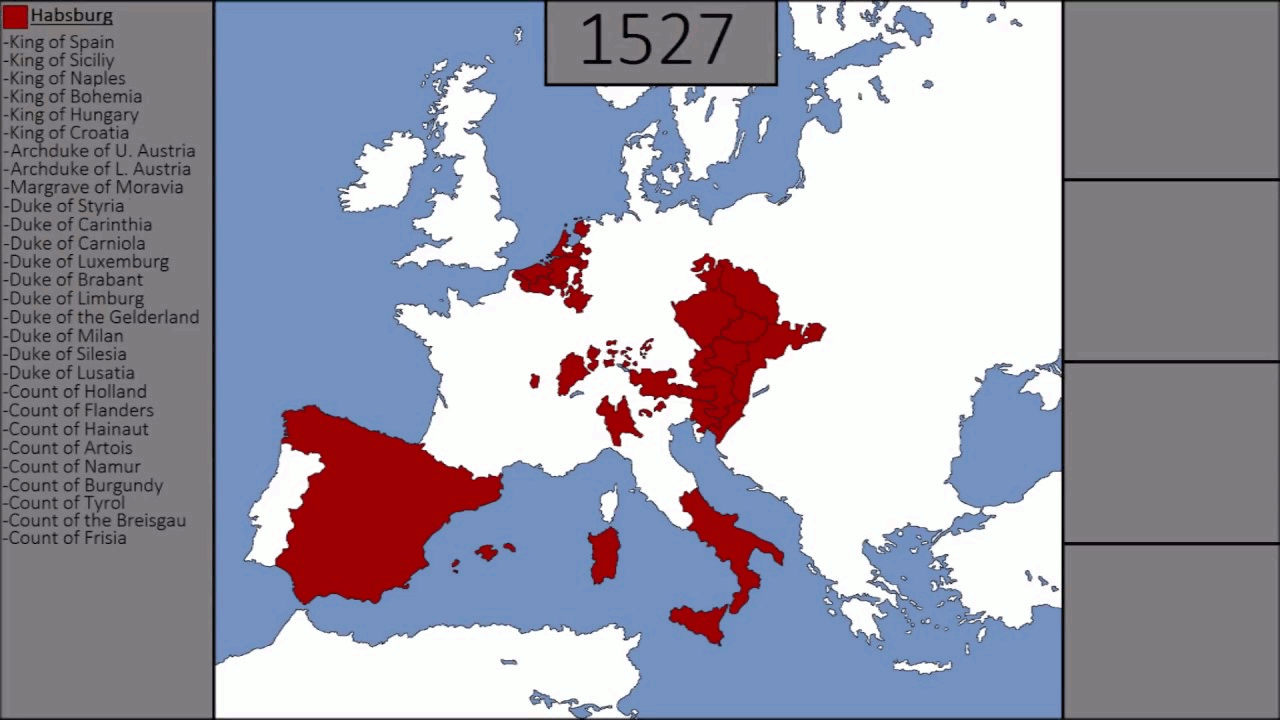
Habsburg Empire by
1527 |
- The principle associated with the Habsburg
strategy was simple, others might wage war, but Austria
should marry.
- Through dynastic unions, the Habsburgs
came to rule or influence Austria, Hungary, Bohemia,
Spain, parts of Italy, the low countries, and territories
across the Americas.
- Their family tree became so
interconnected that repeated marriage among close
relatives eventually produced severe genetic consequences.
- The story appears almost symbolic, a dynasty attempting
to preserve power through blood gradually damaged the
bloodline it was trying to protect.
- Habsburgs are
drawn into Tartarian narratives because they occupied the
western side of the geopolitical transformation.
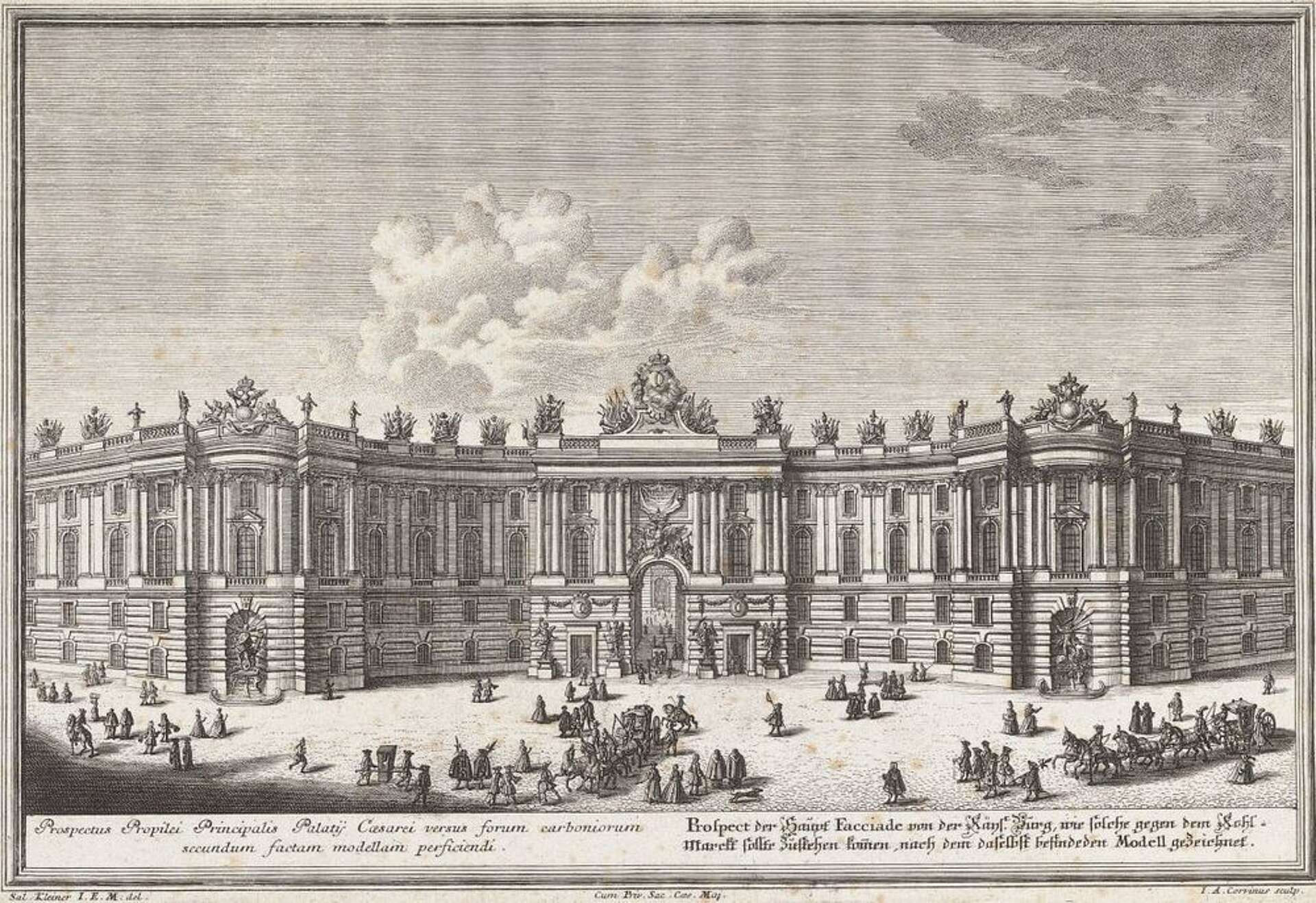
Hofburg Palace in
Vienna, Austria -
1275 |
- The Habsburgs controlled territories that stood between
competing political systems; Western Europe, the Ottoman
world, the Balkans, and the lands connected through trade
and war to Russia and the Black Sea.
- Their dynasty
repeatedly gained territory not only through battle, but
through inheritance.
- This matters because inherited
power leaves fewer visible scars than conquest.
- A
fortress seized in war tells a clear story whereas a
province transferred through marriage may appear to have
changed hands peacefully, even though the people living
there had no voice in the agreement.
- The Habsburg
system was built around continuity, land, titles, archives,
and legal rights could pass from one branch of the family to
another.
- Entire populations could wake under a new
ruler because of a wedding arranged hundreds of miles away.
PRUSSIA./GERMANY
|
|
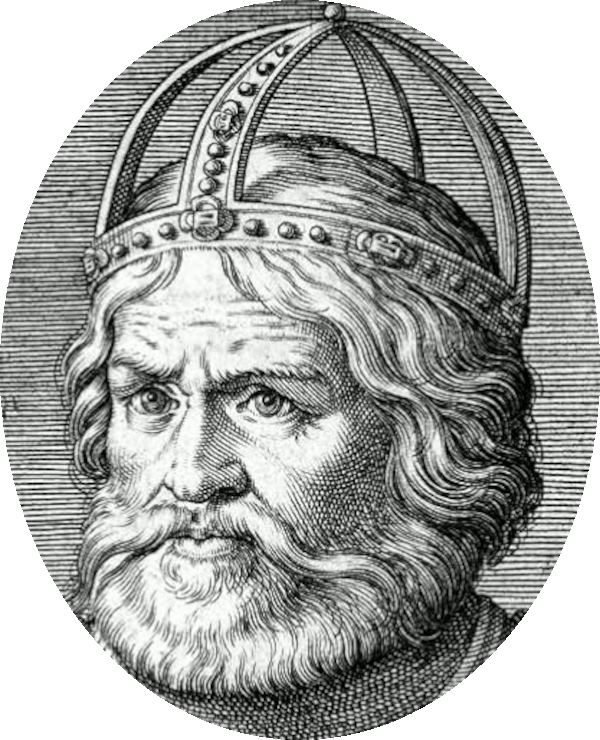
Frederick
Barbarossa
as Donald Trump
|
Frederick Barbarossa
1122-1190
12/?
6/10
King of Germany
Holy Roman Emperor |
Donald John Trump
1946
6/14
|
 |
 |
Redbeard
House of Hohenstaufen |
Holy Roman Emperor
Frederick I Barbarossa
about 1152 |
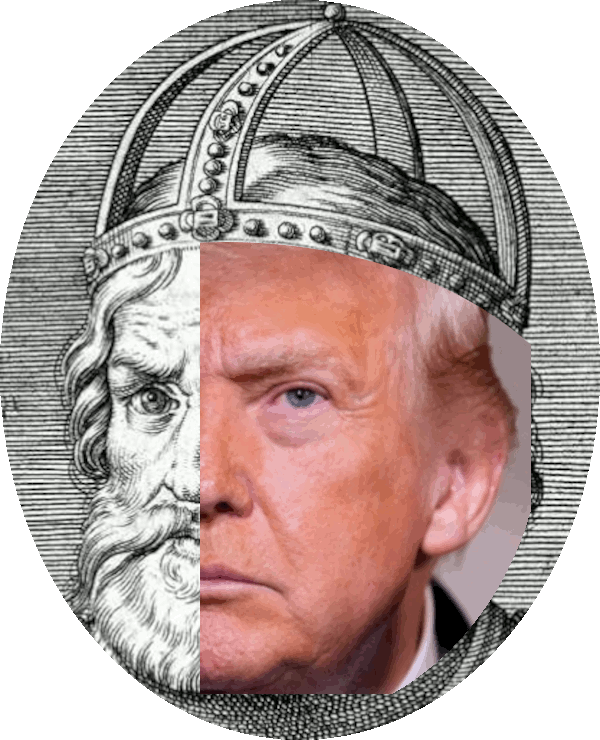
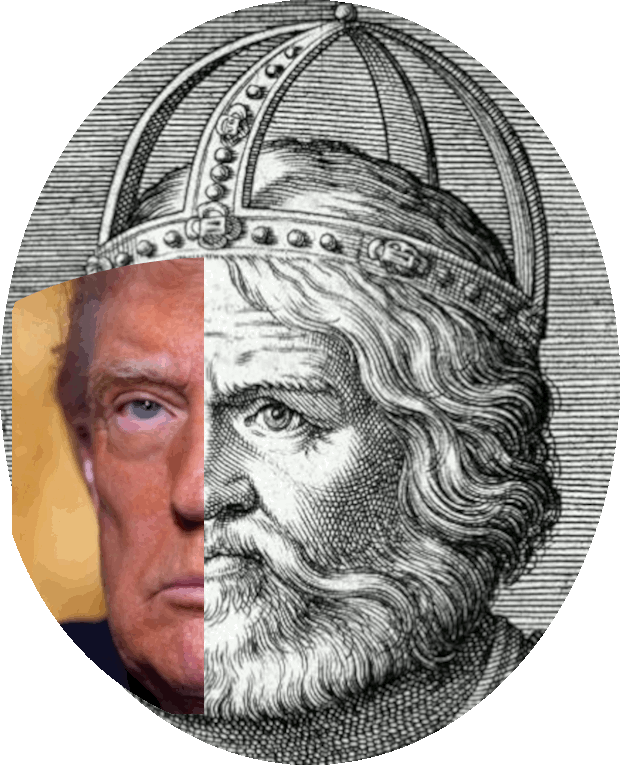
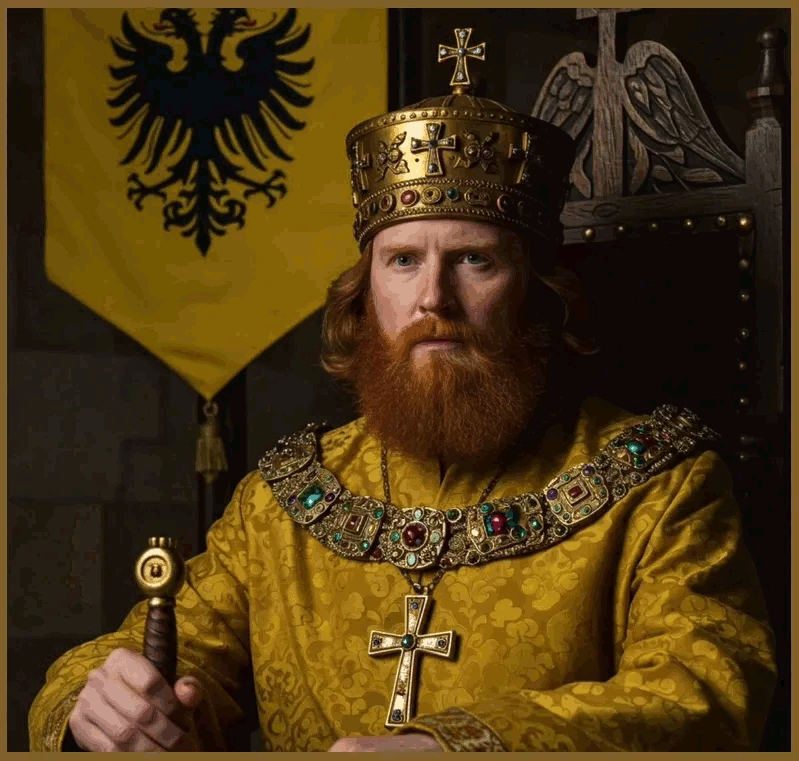
- Frederick Barbarossa (1122-1190), also known as Frederick I, was the Holy Roman Emperor from 1155 until his death in 1190.
- He was elected King of Germany in Frankfurt on March
4, 1152, and crowned in Aachen on March 9, 1152.
- He was crowned King of Italy on April 24, 1155, in Pavia and emperor by Pope Adrian IV on June
18, 1155, in Rome.
-
He was the son of Frederick II, Duke of Swabia and Guelph Judith.
- Frederick had a cousin, called 'Henry the Lion,' who was
his greatest enemy.
|
Frederick I
of Prussia
as Donald Trump
|
Frederick I
1657-1713
7/11
2/25
1st
King of Prussia |
Donald John Trump
1946
6/14
|
 |
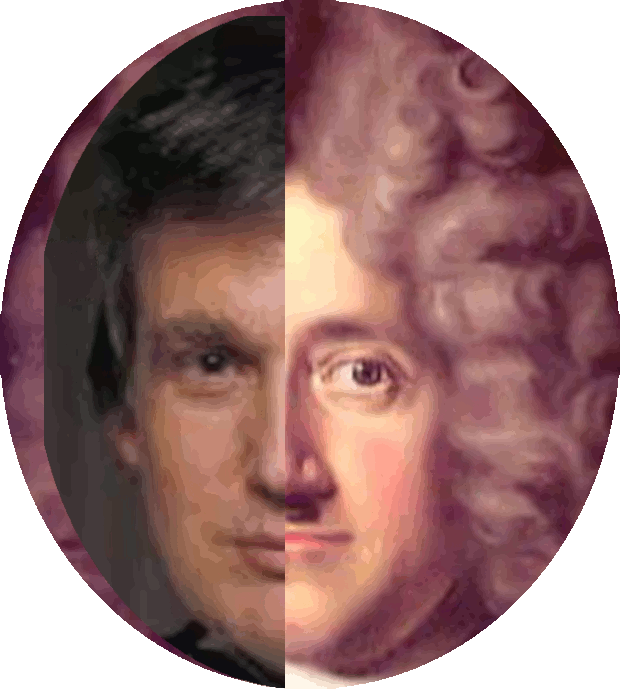 |
The Father of the King
House of Hohenzoller |
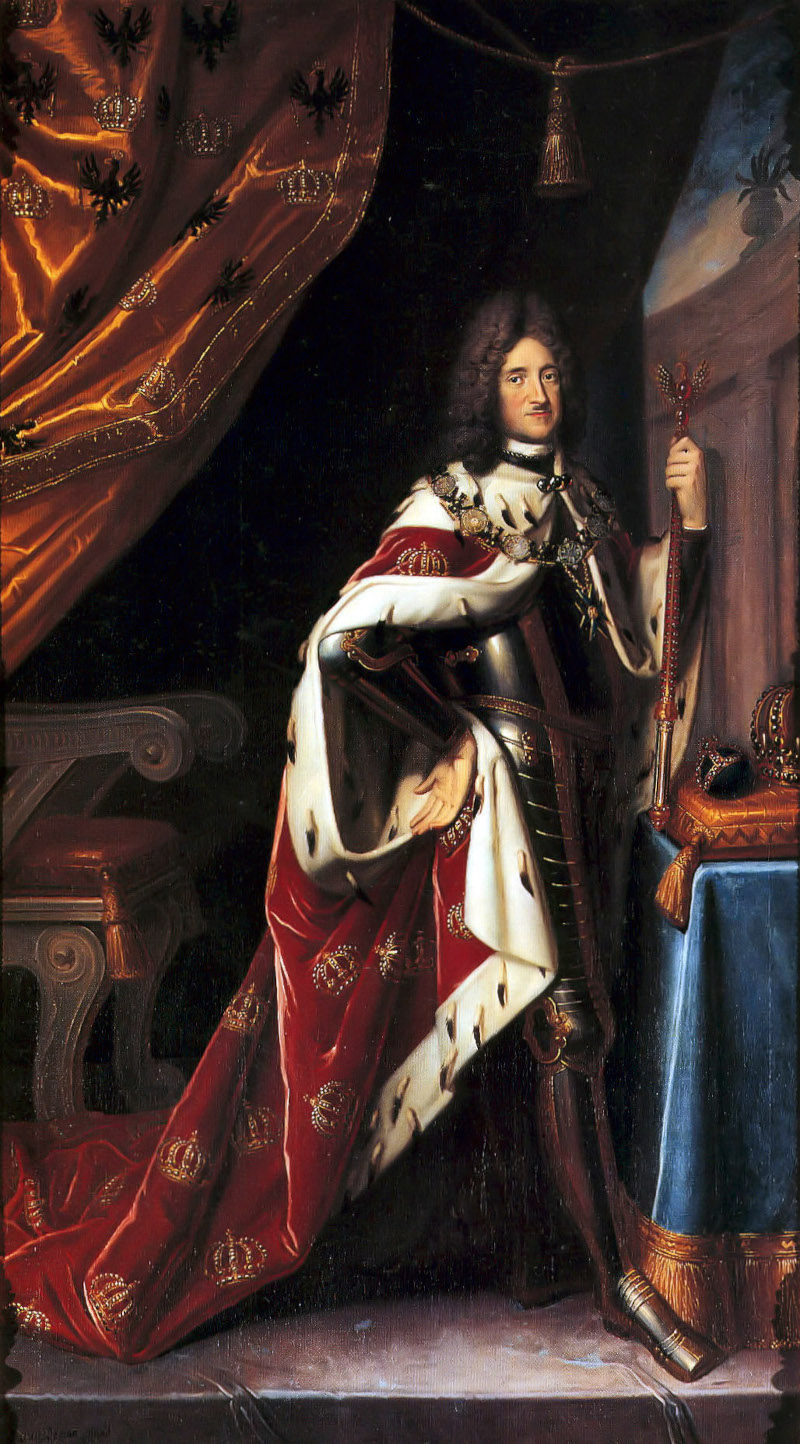
Friedrich Wilhelm Weidemann, Public domain, via Wikimedia Commons
Frederick I of Prussia - 1701 |
-
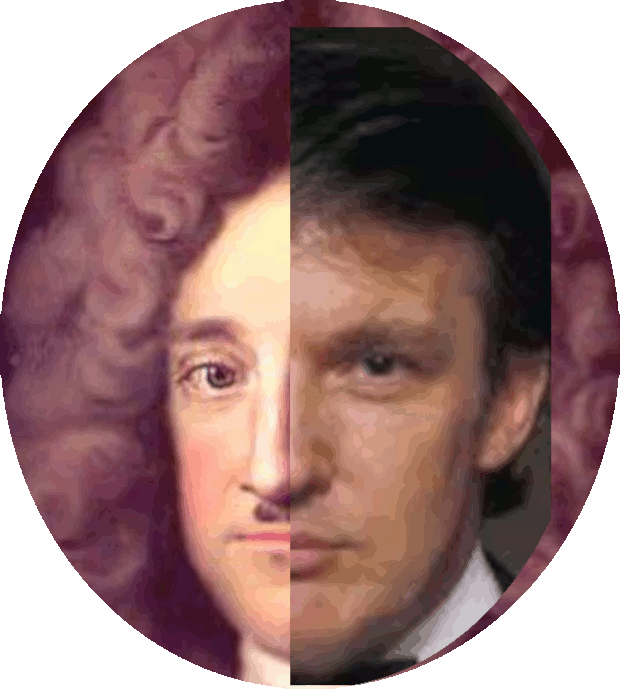
Frederick I (1657-1713), of the Hohenzollern dynasty, was (as Frederick III) Elector of Brandenburg (1688–1713) and Duke of Prussia in personal union (Brandenburg–Prussia).
- The latter function he upgraded to royalty, becoming the first King in Prussia (1701–1713)
and from 1707 he was also Prince of Neuchâtel.
- In 1701,
the Kingdom of Prussia was formally established and its first
king, Frederick I consolidated land, banking, and
military authority with a speed that contemporary observers
found remarkable.
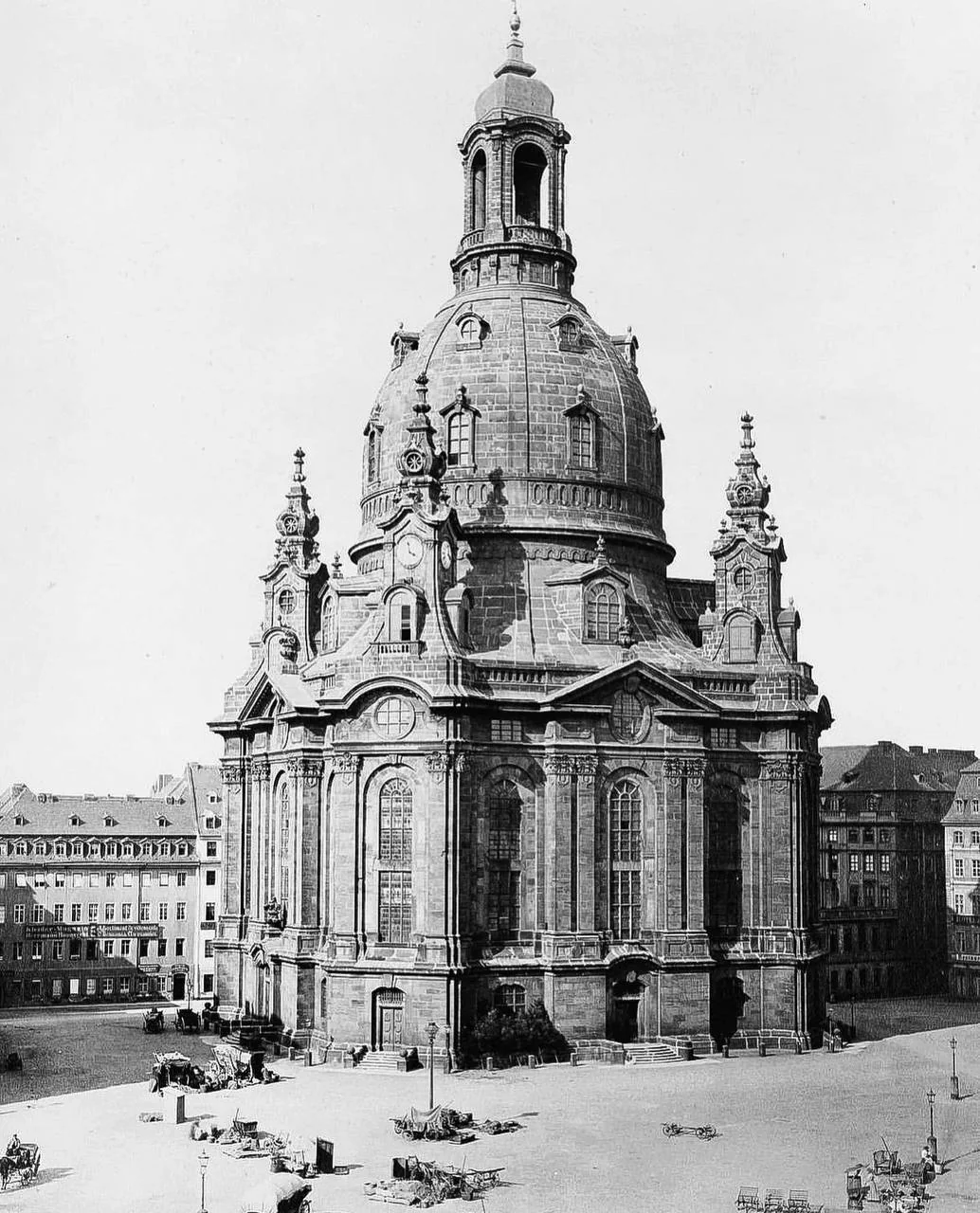
Frauenkirche in Dresden,
Saxony, Germany - 1726 |
- At the same time all the mapmakers began removing
Tartary, transfer of land was accomplished through
acquisition and there doesn't seem to be any documentation.
- Acquisition is a word so vague it means everything
and nothing and it's a word that papers over what might be the
largest transfer of assets in human history.
- The deeper
you dive into the specific mechanics of these acquisitions,
the more a pattern emerged.
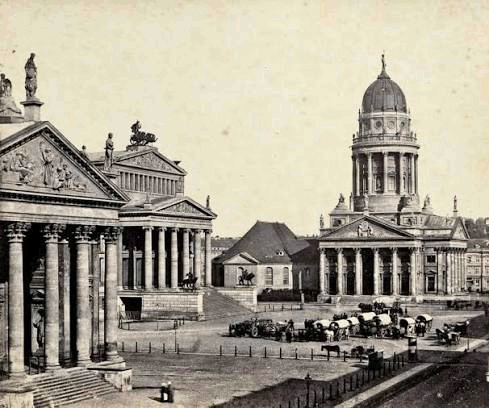
Berlin, Germany -
1850s |
- The families, which there
appear to be in various formulations across different
researchers and documentary traditions, somewhere in the
vicinity of 12 or 13 core dynastic groupings.
- At the
apex of this process, these families did not simply acquire
wealth, but rather, they acquired the apparatus of
civilization itself.
- This includes not only the
buildings, but the land under the buildings, and the legal
frameworks that determined who could own what and the
financial instruments that denominated value.
- In prior years, documentation proved that Gothic
cathedrals were constructed over centuries by known guilds
with documented apprenticeship traditions and extensive
ecclesiastical records detailing costs.
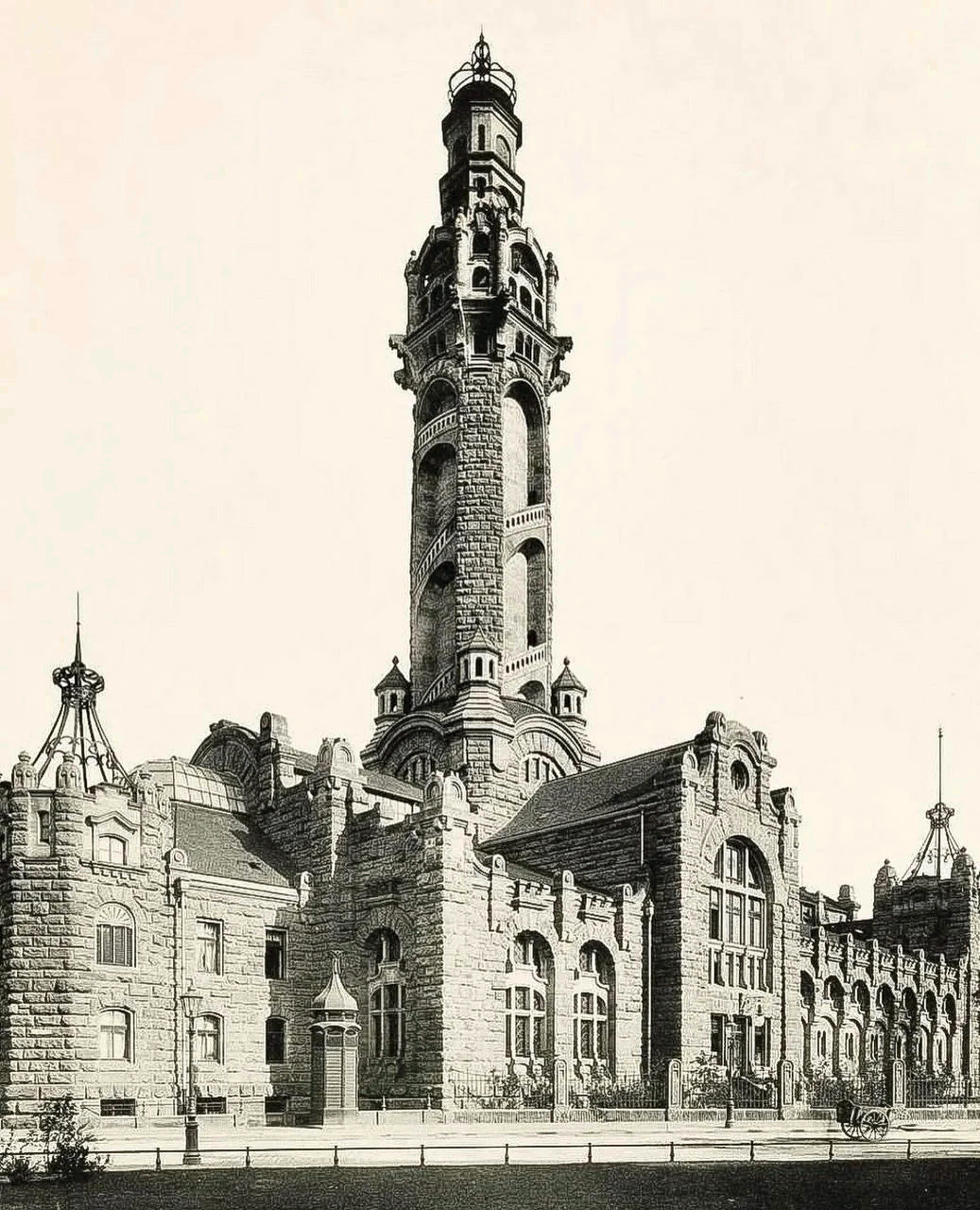
Staatliches Fernheiin
in Dresden,
Saxony, Germany - 1899 |
- All the parts,
including laborers, architects and construction phases.
-
For example, the Roman aqueducts were the product of a
200-year-old imperial engineering tradition backed by the
largest professional military and civic apparatus the ancient
world had ever produced.
- The pyramids, whatever their
true origin, were the demonstrable focus of the entire
organizational capacity of a centralized state.
- Only
these modern owners don't seem to have any documentation
to show how they were built, or how long it took, they
just 'acquired' them somehow.
- There aren't any
construction photos either, and what they show as
construction appear to be ancient weathered stone
buildings already completely built.
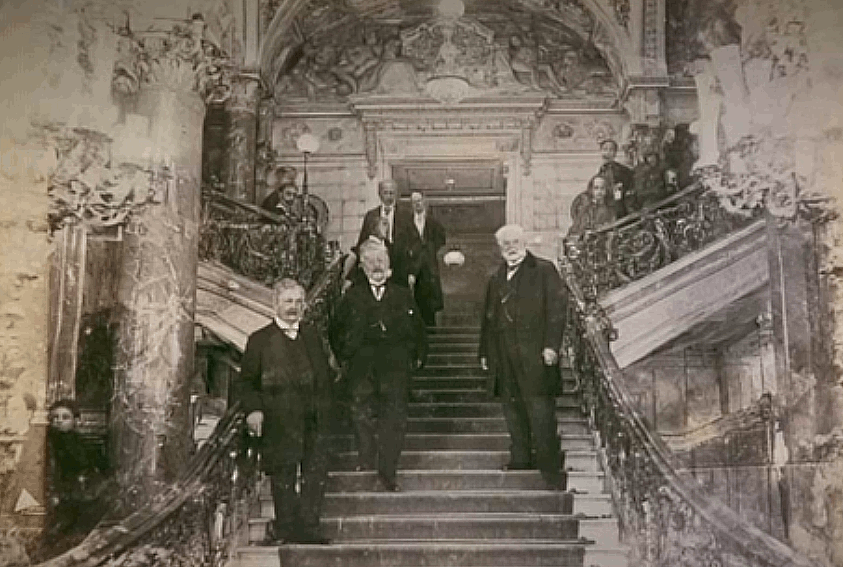
National Zionist
occupation |
- The evidence suggests that something much larger
was at work.
- It wasn't inspiration or coincidence or
coordination.
- Coordination at that scale requires an
organizing intelligence.
- It requires people who know each
other and share information, who have agreed explicitly or
implicitly on a common framework.
- In short, it requires a
network.
- The 13 families, or however many there were, and
13 is a random number that appears across multiple independent
research traditions, not as a definitive count, these families
were that network.
- Because if you remove them from the
equation, you're left with a historical impossibility.
-
The spontaneous, simultaneous coordinated emergence on a world
spanning scale of an identical high civilization, ex nihilo,
with no paper trail.
|
Ex nihilo is a Latin phrase meaning "out of nothing" or "from nothing." It is most often used as creatio ex nihilo ("creation out of nothing"). (Assistant)
|
|
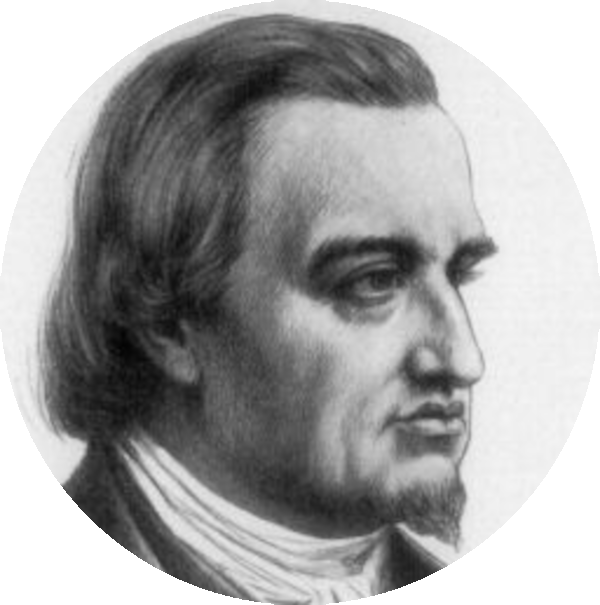
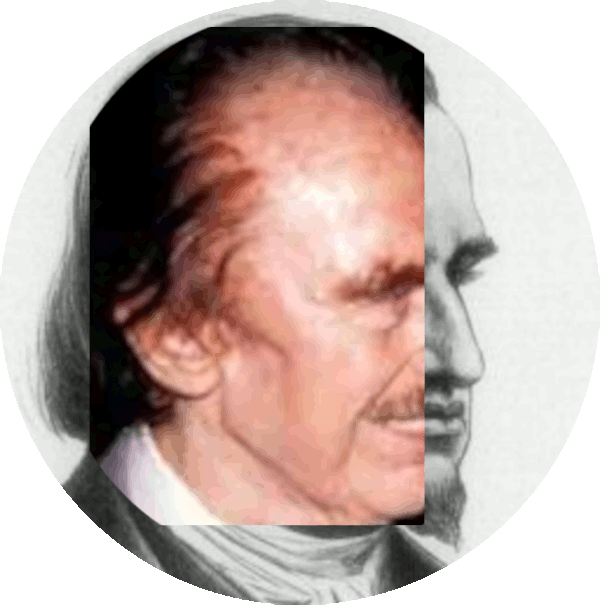
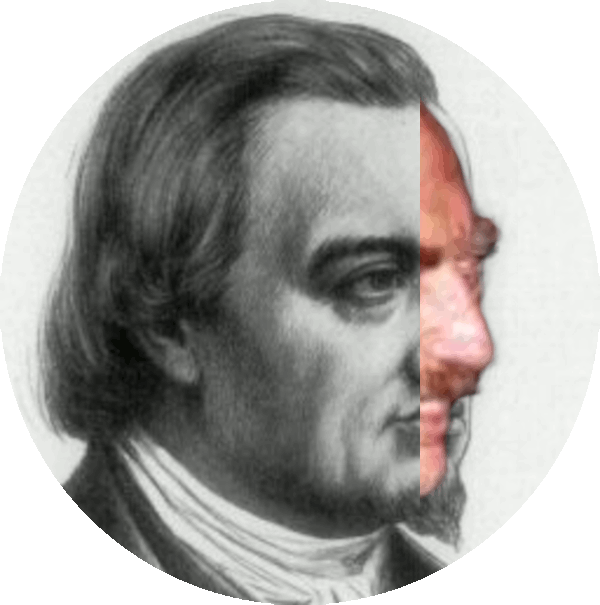
Mayer Amschel Rothschild as Fred Trump |
 |
 |
Mayer Amschel Rothschild
1744-1813
2/23
9/19
|
Frederick Christ Trump Sr.
1905-1999
10/11 6/25
Real estates |
 |
 |
|
Money changer |
- Some 50 years after the Bank of England opened its
doors, a goldsmith in Frankfurt named Amschel Moses
Bower opened a coin shop, or counting house in 1743.
-
Over the door he placed a sign depicting a Roman eagle on a
red shield, and the shop became known as the 'Red Shield'
firm, or in German, Rothschild, and that became the new family
surname.
- Continuity can hide
beneath transformation and the Rothschild family entered
this European network not as monarchs, but as financiers.
- During the late 18th and early 19th-centuries, Mayer
Amschel Rothschild and his sons established banking houses
in major European centers, Frankfurt, London, Paris,
Vienna and Naples.
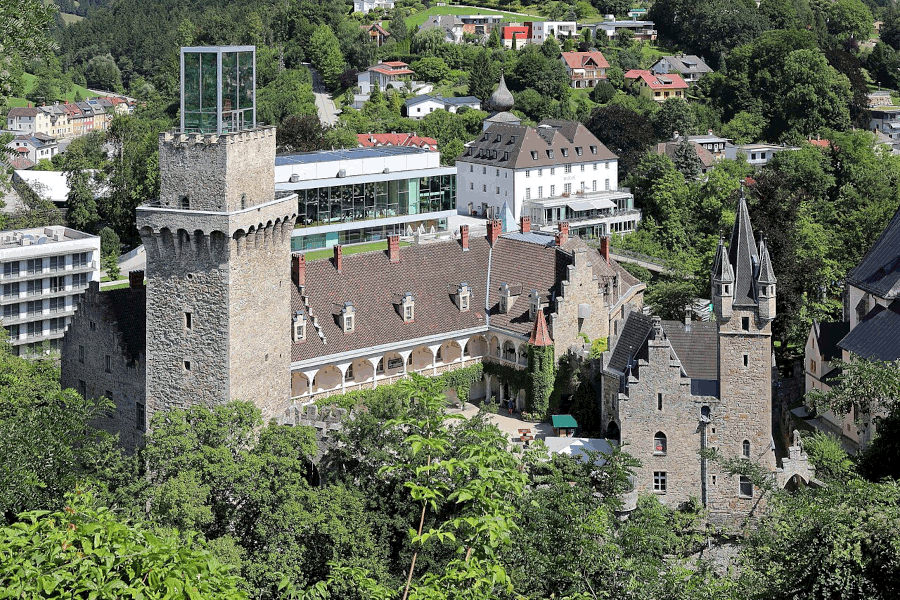
C.Stadler/Bwag, CC BY-SA 4.0 , via Wikimedia Commons
Rothschild Waidhofen
Castle - Lower
Austria - built
about 1250 |
- Their financial network was unusually effective
because it operated through trusted family relationships
across borders.
- European governments needed loans for
war, diplomacy, infrastructure, and reconstruction.
-
The Rothschild banks became powerful because modern states
were expensive.
- Armies had to be paid, railways had
to be built, debts had to be serviced, industrial
expansion demanded capital on a scale that older economies
struggled to provide.
- Alternative researchers often
exaggerate this influence into total control, but the
documented reality is more complicated.
- However,
their faces show it all.
- Shapeshifting fallen angels
don't die, they just assume new identities.
|
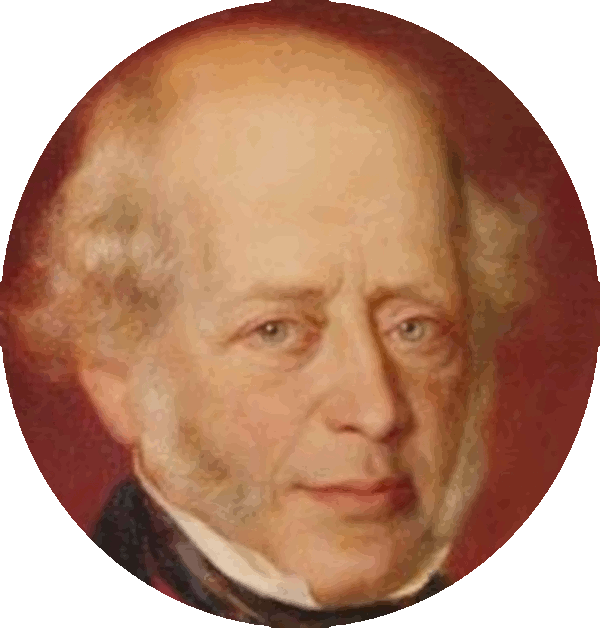
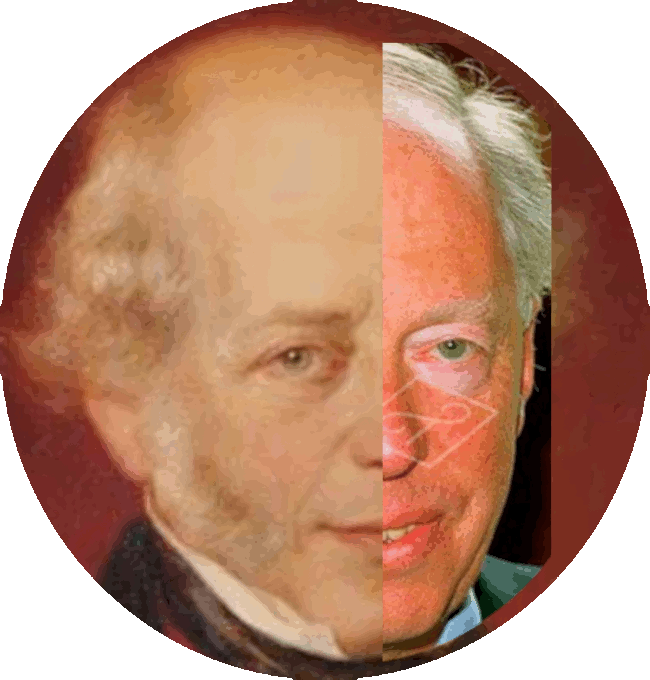
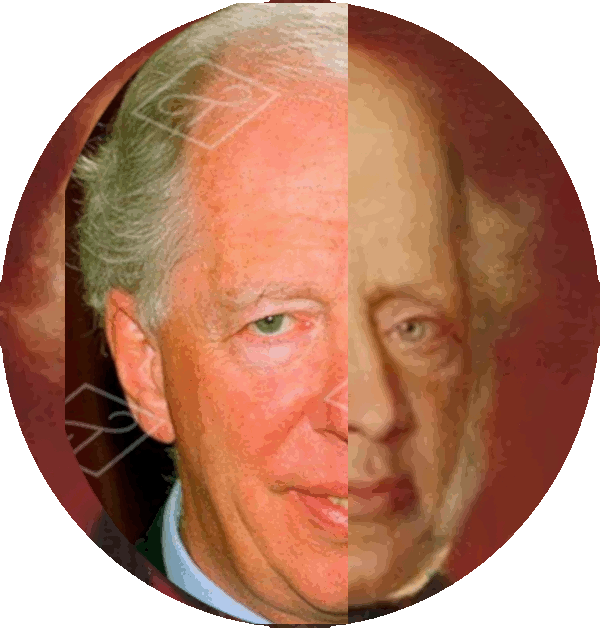
Amschel Mayer Rothschild as Jacob
Rothschild |
 |
 |
Amschel Mayer Freiherr von Rothschild
1773-1855
6/12
12/6
German Jewish banker
|
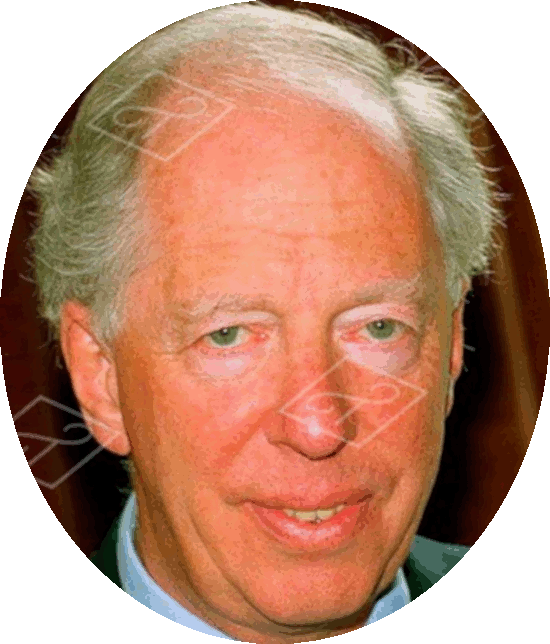
Nathaniel Charles (Jacob) Rothschild
1936-2024
4/29
2/26
British hereditary peer, investment banker
|
 |
 |
|
Pious |
- Amschel Mayer Freiherr von Rothschild (1773-1855) was a German Jewish banker of the prominent Rothschild family.
- He was the 2nd child and eldest son of Mayer Amschel Rothschild (1744–1812), the founder of the dynasty, and Gutlé Rothschild (née Schnapper; 1753–1849).
- The Rothschilds were powerful, but they were not the
only banking family, nor did they secretly direct every
government.
- Still, their rise illustrates another
transition, power was moving away from land alone and
becoming financial.
|
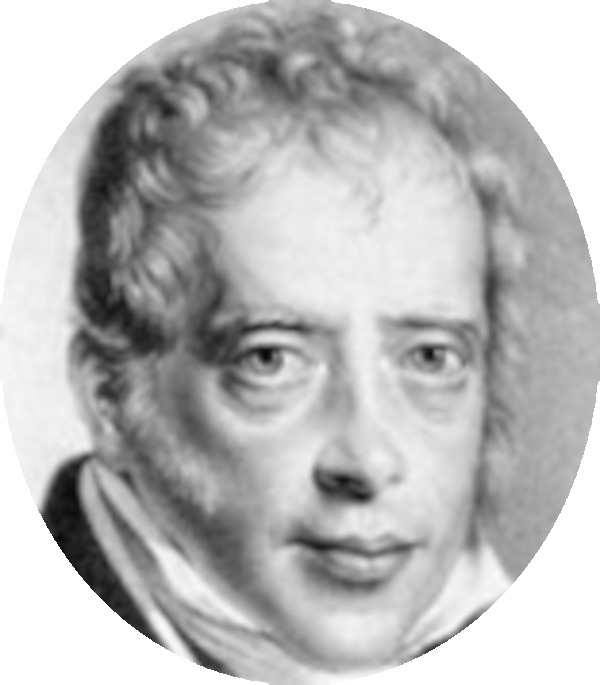
Anselm Rothschild as Jacob
Rothschild |
 |
|
Anselm Salomon von Schwartz Rothschild
1803-1874
1/29
7/27
Austrian banker, founder of the Creditanstalt
|
Nathaniel Charles (Jacob) Rothschild
1936-2024
4/29
2/26
British hereditary peer, investment banker
|
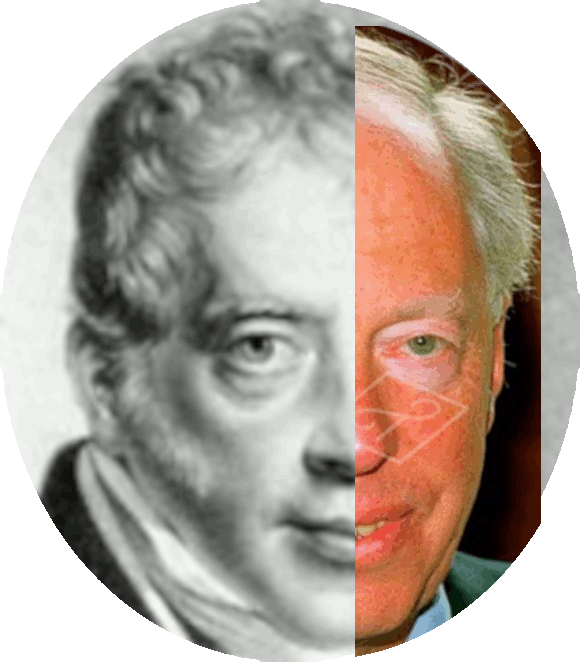 |
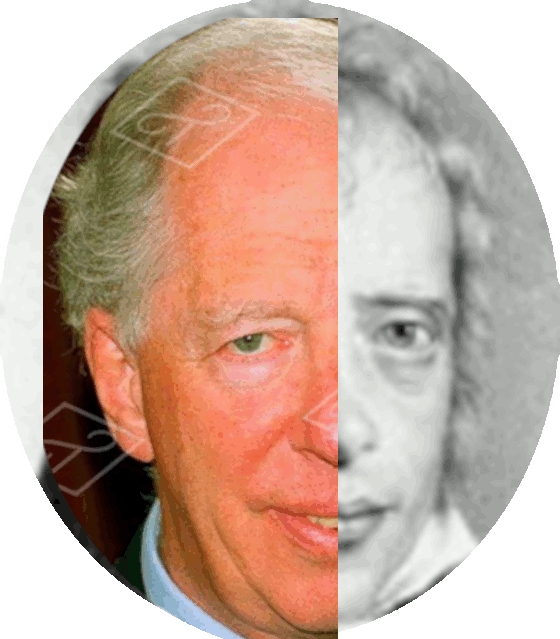 |
|
Baron Rothschild |
- Anselm Salomon von Schwartz Rothschild (1803-1874) was an Austrian banker, founder of the Creditanstalt, and a member of the Vienna branch of the Rothschild family.
- The Rothschilds occupied crucial positions during
the centuries in which the old geographical world was
dismantled and replaced.
- They controlled armies,
marriages, credit, archives, and borders.
- They did
not need to gather together in one hidden chamber because
their interests often aligned naturally and once we
place their timelines beside the changing maps, the first
uncomfortable pattern begins to appear.
- The families
grew stronger as Tartary grew smaller, perhaps that is
coincidence, but the deeper we look, the harder it becomes
to treat every overlap as accidental.
- Because the
next layer of evidence is not found only in royal
genealogies.
- It is written into cities, fortresses,
photographs, fires, and buildings that seem to belong to a
world much older than the one we were taught to imagine.
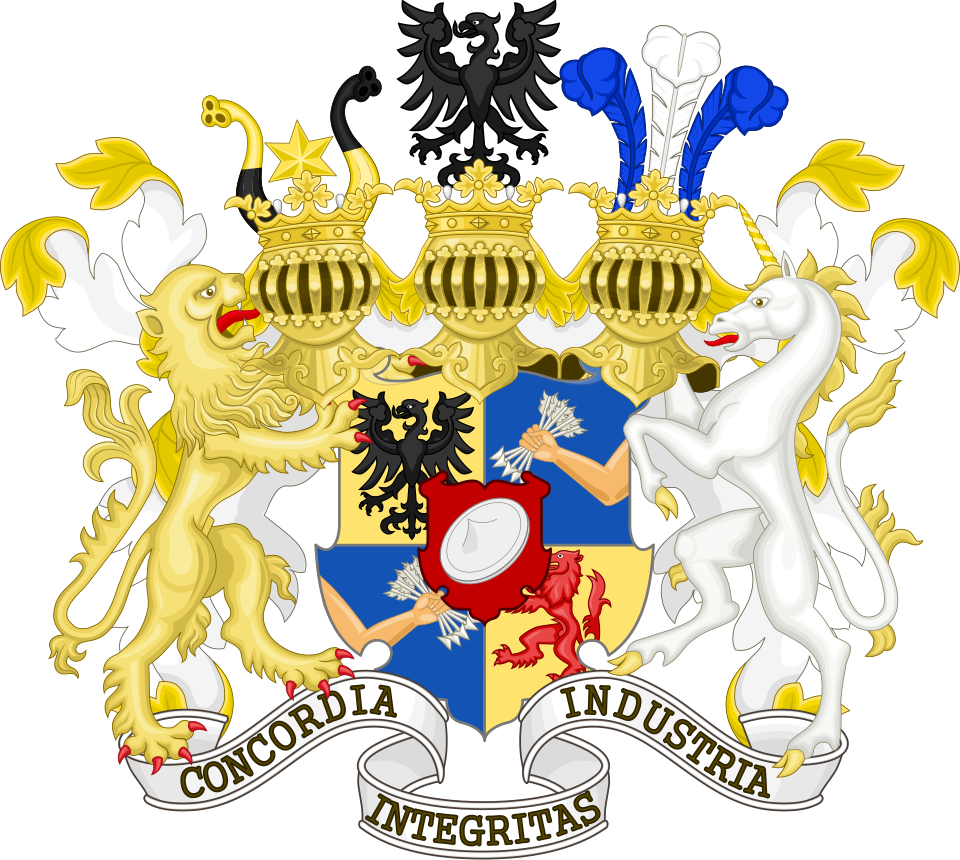
Rothschild Heraldry |
- These names are not secret, their names filled
libraries, they ruled kingdoms, financed governments,
arranged marriages, sponsored wars, supported scientific
institutions, and helped shape the political order of
Europe.
- Their influence is documented and their
bloodlines crossed borders with a freedom unavailable to
ordinary people.
- While nations fought one another,
aristocratic families often remained related by
marriage.
- Kings went to war against their cousins,
queens negotiated with nephews, emperors signed treaties
with in-laws.
- The flags were different, but the
family tree was not, however, this does not prove the
existence of a coordinated plot, however, their faces
sure do.
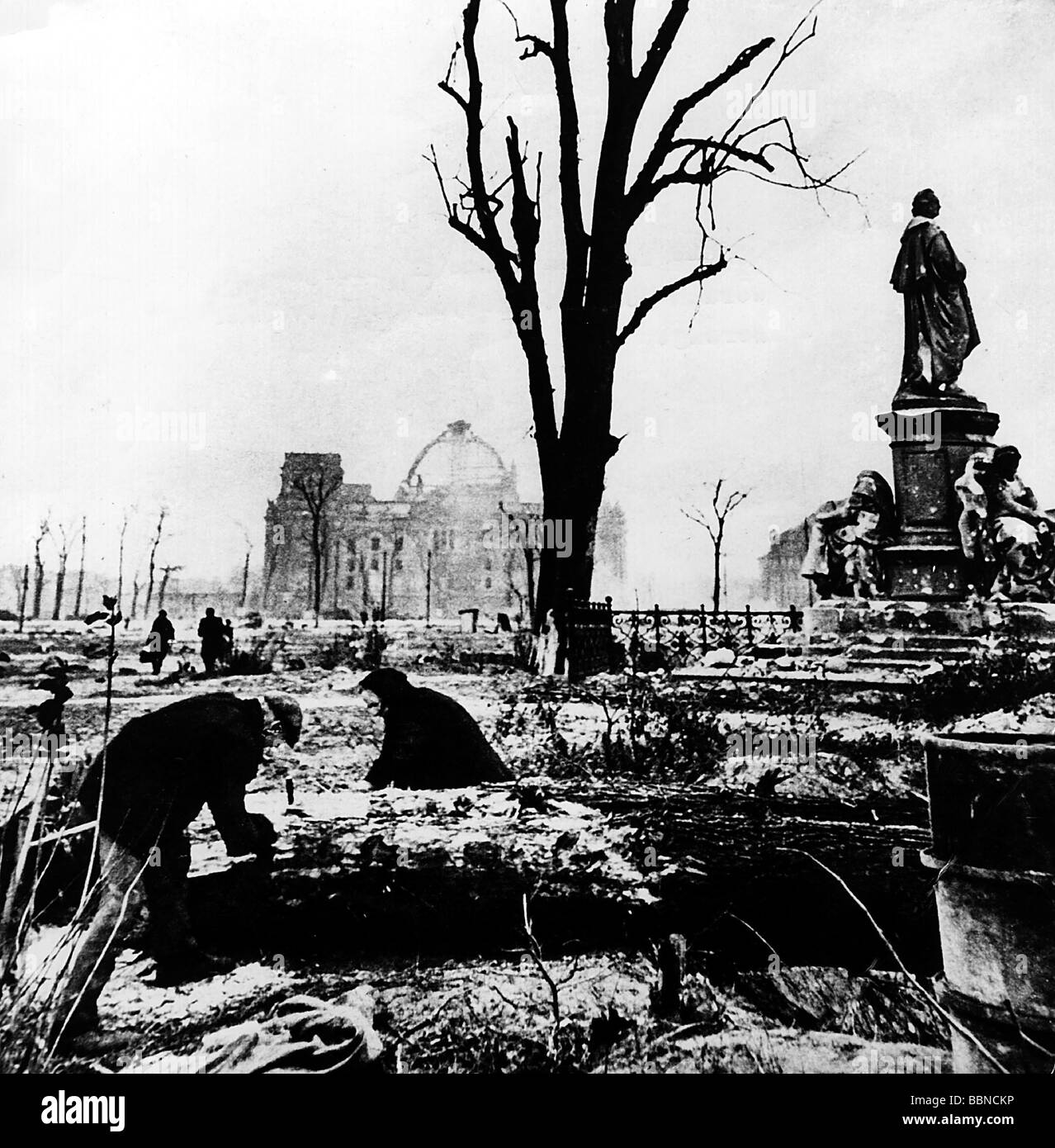
Tiergarten in Berlin
wartime devastation - 1946 |
- But the remaining question is, what were they doing
there in what would become some of the world's great capital
cities?
- Massive ancient food producing trees embedded in
urban land that was subsequently surrounded by ornamental
planting that doesn't produce anything.
- Could it be that
these surviving specimens are not metaphorically, not
romantically, but literally the remnants of a food system that
once served those cities?
- That the parks built around
them are not green spaces that happen to contain old trees,
but old food forests that have been fenced off and surrounded
by lawns or declared heritage sites.
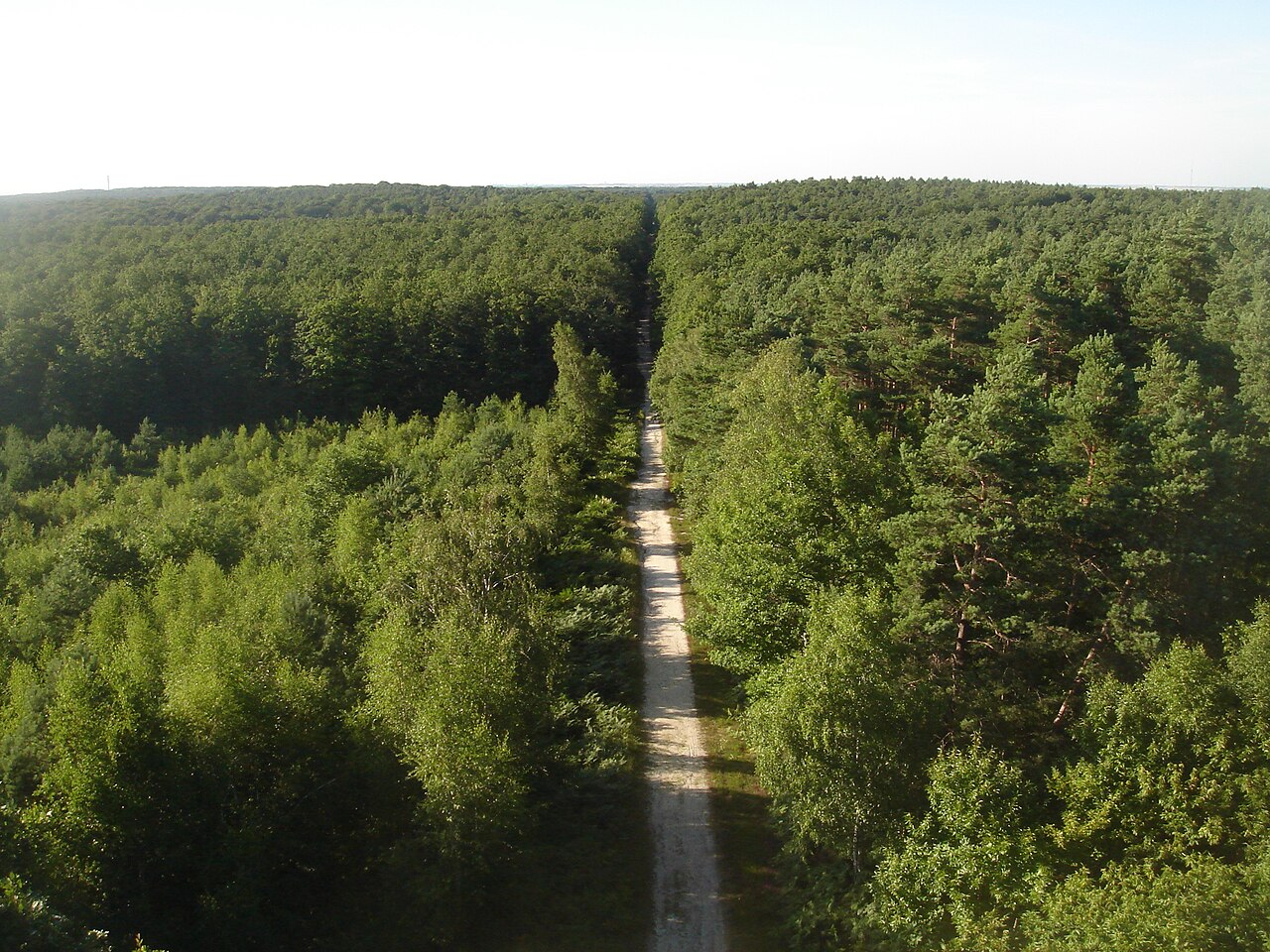
Bannforste |
- In the German territories, the
consolidation of Bannforste ancient protected forest
designations which transferred what had been communal
harvesting grounds into 'noble' and eventually state holdings.
-
In the Ottoman territories, the Matruk (or Matruka) land was a specific category of communal public property defined under the Ottoman Land Code of 1858 during the Tanzimat modernization era.
- It designated land left aside for common public and community use, such as village pastures, public roads, and market squares.
- Again, all these land grabs were concentrated in the 1850s
and 1860s and redefined communally used lands as state
property, eligible for private grant.
- Slowly rendered
inaccessible to the people who might once have depended on
them as a food source.
- The evidence suggests that
something much larger is hiding in plain sight.
|
Environmental forest monitoring
Politics, industry, administrative bodies and the public need reliable and up-to-date data on forests. This need for information is met by the National Forest Inventory and the surveys on environmental forest monitoring.
(Assistant)
|
GREAT BRITAIN/UNITED KINGDOM
|
|
Edward I as Donald Trump |
 |
 |
Edward I
1239–1307
6/17
7/7
monarch |
Donald John Trump
1946
6/14
|
 |
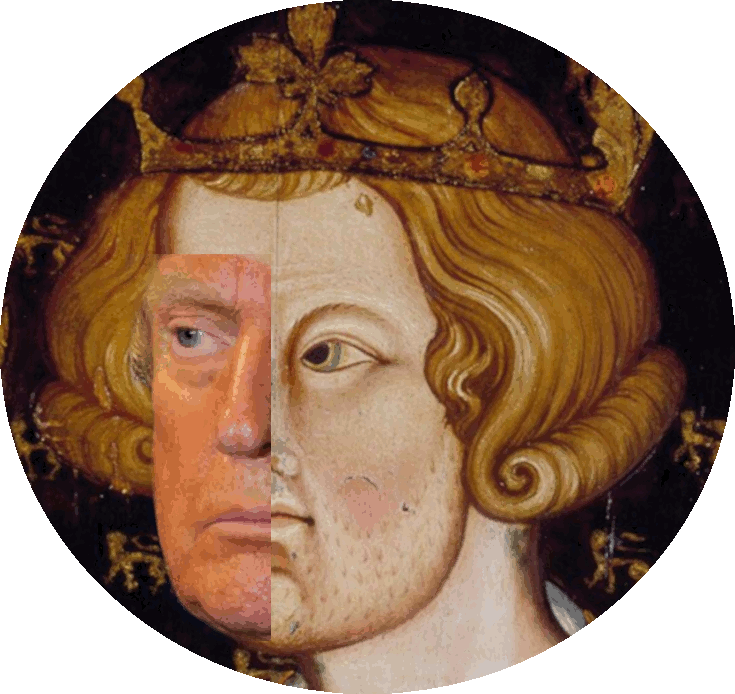 |
Longshanks
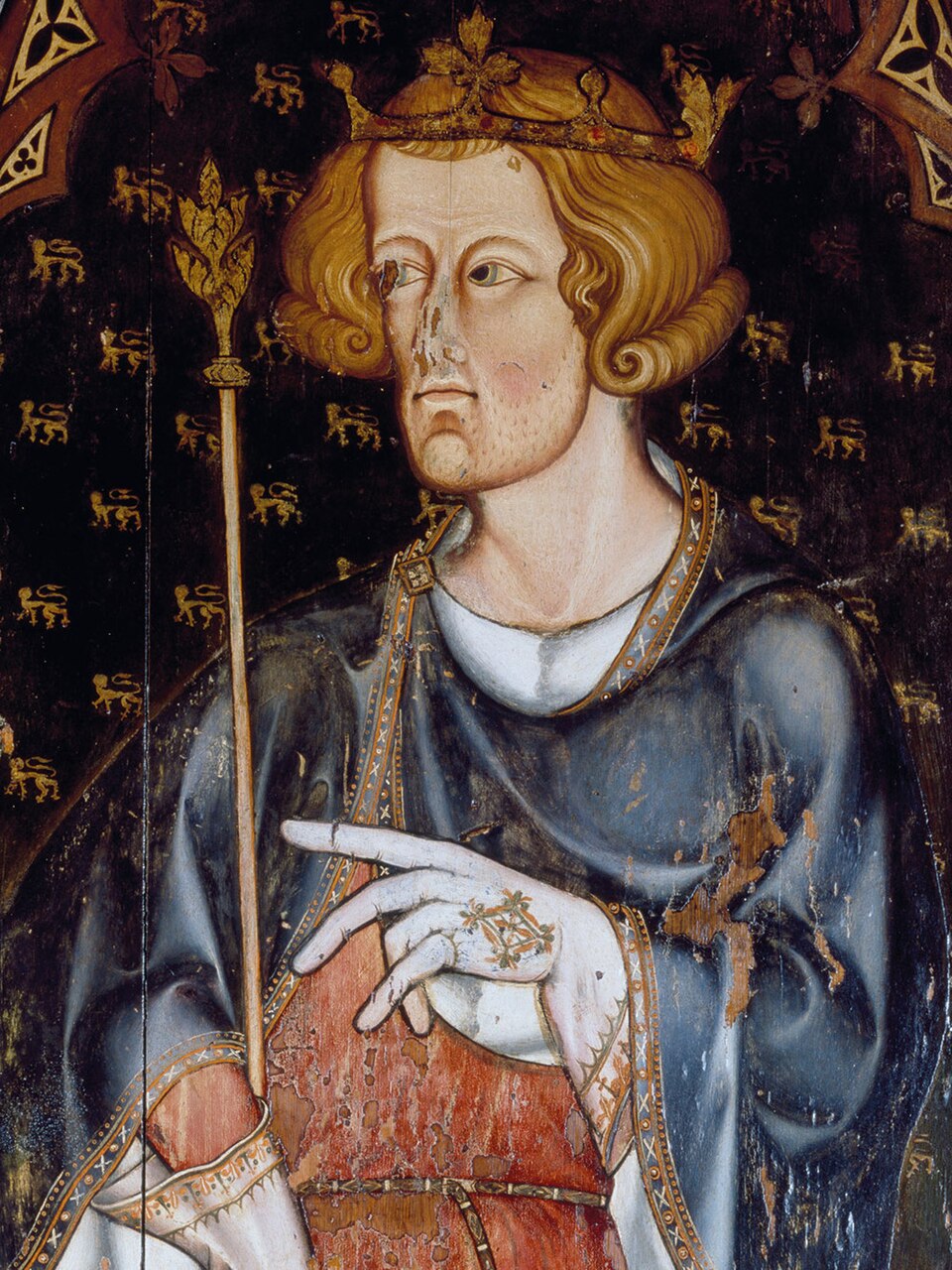
See page for author, Public domain, via Wikimedia Commons
Edward I in
Demonic Masonic hand sign and the arrow is
the Rothschild |
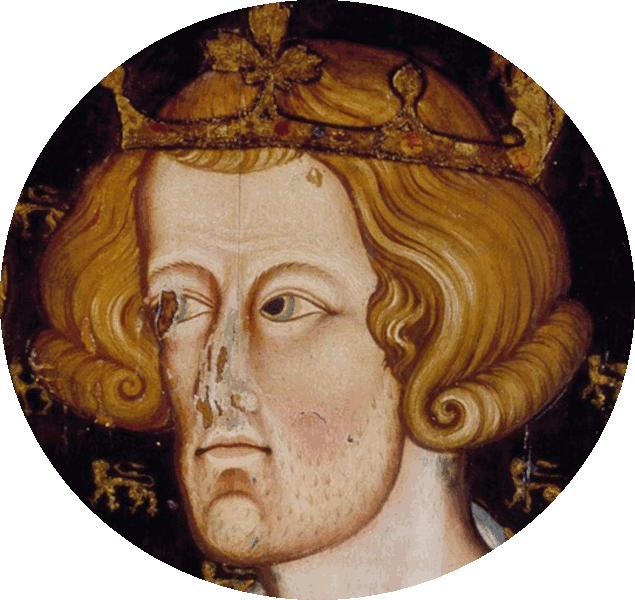
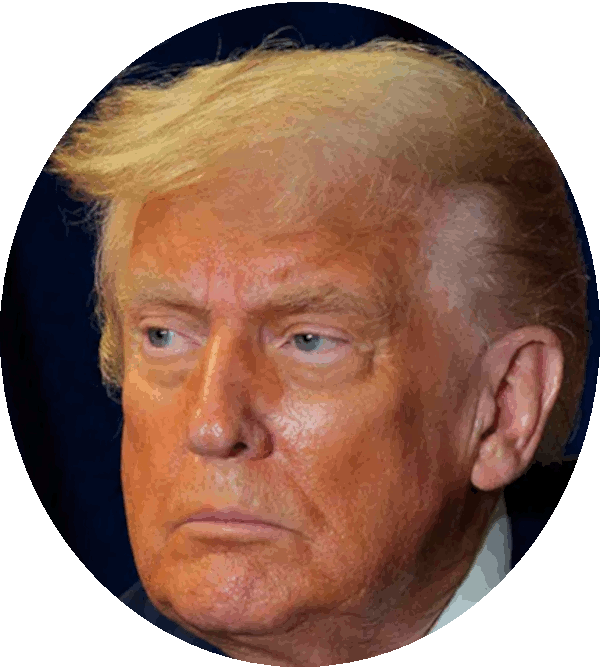
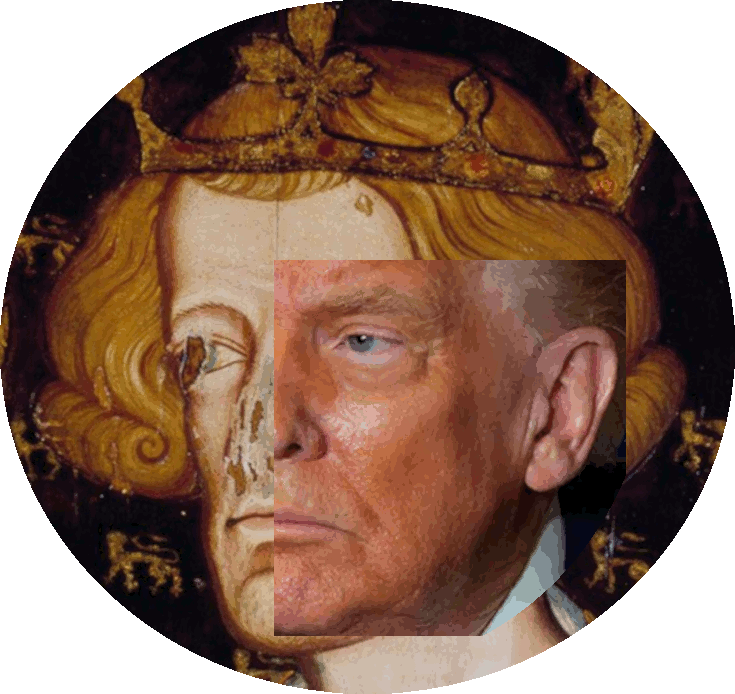
- Edward I (1239-1307), also known as Edward Longshanks and the Hammer of the Scots (Latin: Malleus Scotorum), was King of England from 1272 to 1307.
- Concurrently, he was Lord of Ireland, and from 1254 to
1306 ruled Gascony as Duke of Aquitaine in his capacity as a
vassal of the French king.
- Edward was born at the Palace of Westminster, to King Henry III and Eleanor of Provence.
- Before his accession to the throne, he was commonly referred to as the Lord Edward.
-
Edward's temperamental nature and height (6 ft 2 in, 188 cm) made him an intimidating figure.
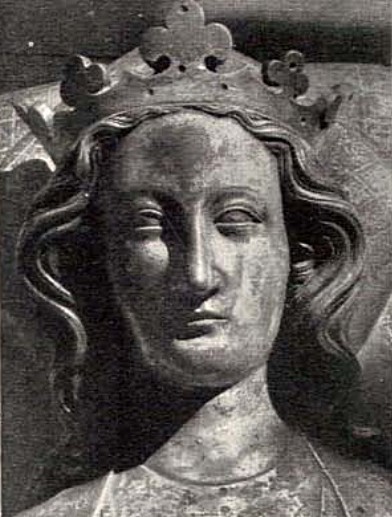
History England Westminster abbey Souvenir book, CC0, via Wikimedia Commons
Eleanor of
Castile - Tomb
effigy |
- Edward I was married twice, first to
Eleanor of Castile
(m. 1254; died 1290) and then to
Margaret of France (m. 1299).
- Edward spent much of his reign reforming royal administration and common law.
- Through an extensive legal inquiry, he investigated the tenure of several feudal liberties.
- The law was reformed through a series of statutes regulating criminal and property law, but the King's attention was increasingly drawn towards military affairs.
- He shaped land ownership through aggressive military conquest, systemic legal investigations to claw back royal rights, and the confiscation of property from specific targeted populations.
- Edward I used law and he stole all the orchards and food forests from the
citizens.
Hugh Despenser the
Elder |
- Hugh le Despenser (1 March 1261 – 27 October 1326),
referred to as 'the Elder Despenser,' served
Edward I on numerous occasions both in battle and as a
diplomat, and was created a baron by writ of summons to
Parliament in 1295.
- Hugh the Elder was loyal to his son and the King, which worried the barons
in the Lancastrian court because they believed he had too much power, but until that time, the highest office he had held was justice of the forests.
- Although Edward I used law to confiscate his subjects
property and it was during his reign that the food
forests, which were a primary source of nutrition for
the citizens, were taken over by the nobles and
government.
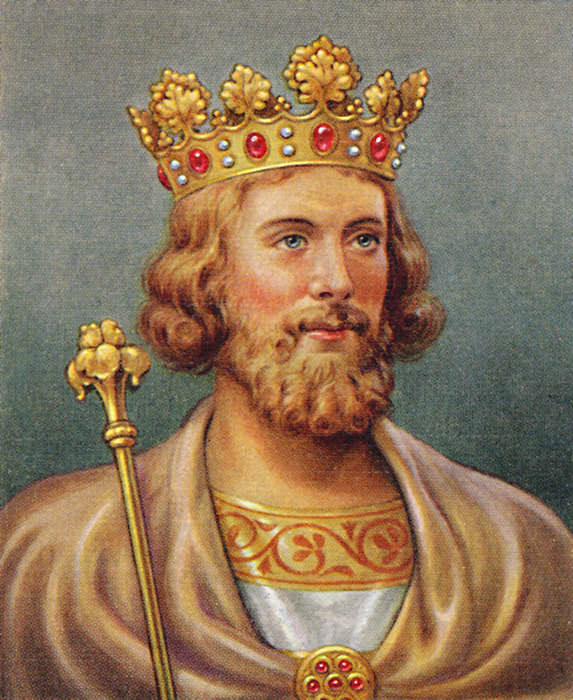
Edward II |
-
Edward II (1284–1327) was King of England from 1307 until he was forced to step down in January 1327.
- He was also known as Edward of Caernarfon or Caernarvon
and he was the 4th son of Edward I, and he became the heir to the throne following the death of his older brother Alphonso.
- Beginning in 1300, Edward accompanied his father on campaigns in Scotland, and in 1306 he was knighted in a grand ceremony at Westminster Abbey.
- Edward succeeded to the throne the next year, following
his father's death.
|
Isabella of France |
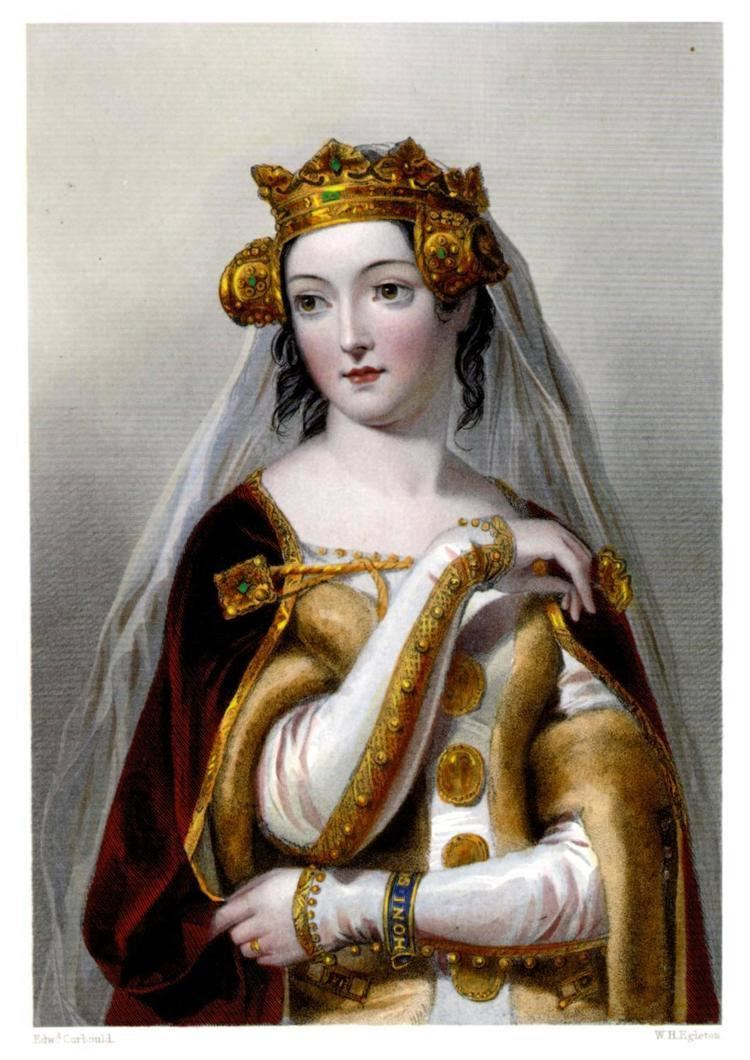
Queen of England |
- In 1308, Edward II married Isabella, daughter of the powerful King Philip IV
(1268-1314) of France, as part of a long-running effort to resolve the tensions between the English and French crowns.
- Isabella was born in Paris about 1295 or 1296.
-
She was the youngest surviving child and only surviving daughter of King Philip IV
and the House of Capet and Jeanne I (1273-1305) of Navarre.
- Unfortunately, the barons in the Lancastrian court hated
Edward IIs
father, Edward I, because of his association with the power
mongers in the Despenser family and they came after Edward II
even before he was crowned.
- False rumors, lies and
accusations by the barons impacted the marriage of Isabella
and Edward II and eventually caused Isabella to mistrust him
and depose him as king.
Piers Gaveston |
-
Edward II appointed Piers Gaveston (1284-1312), 1st Earl
of Cornwall, as his top military man and their were many
lies and rumors spread about a supposed homosexual
relationship, although none of them were true.
-
Gaveston was loyal to the crown and wanted the best
outcome for England and he was a competent military man.
- For a time, Hugh le Despenser the Elder was the
chief adviser to King Edward II of England and he became
his loyal servant and chief administrator after his top
military man, Piers Gaveston, was unjustly executed by the
barons in 1312.
House of envy |
- Although the
Despenser the Elder's reputation was not as unsavory as his son's,
he was accused by a significant number of people of widespread criminality during the next few years, often involving accusations of trespass or theft and the extortion of money or land.
- The Elder was not very well liked by
the Lancastrian barons and because of their resentment, and, more importantly, his own corruption and unjust behavior led to his being exiled in 1321.
-
After his death, his corrupt son, Hugh Despenser the Younger,
became a favorite of Edward II, who unfortunately,
seemed blind to the Despenser's manipulative actions.
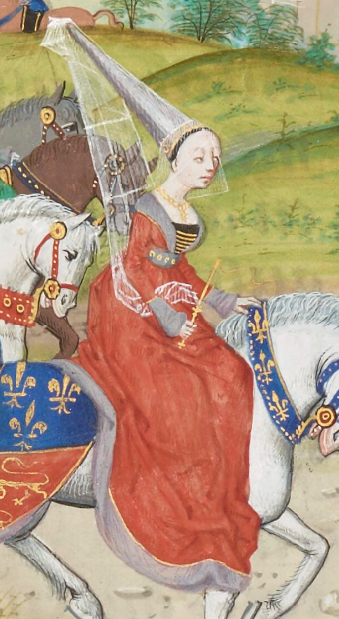
Loyset Liédet, Public domain, via Wikimedia Commons
Isabella riding to meet her brother, Charles IV, in 1325. 15th-century illustration from Froissart's Chronicles |
- Isabella and Roger
Mortimer and the
Tour de Nesle Affair.
-
Edward IIs chaotic 20-year rule was defined by intense conflicts with angry barons, a crushing military defeat by Scotland, and massive political scandals over his close male favorites.
- However, Edward II was a good king and wanted the best
for his subjects and the barons spread many lies and
rumors about his 'male companions' that weren't true
which eventually led to the War of the Roses.
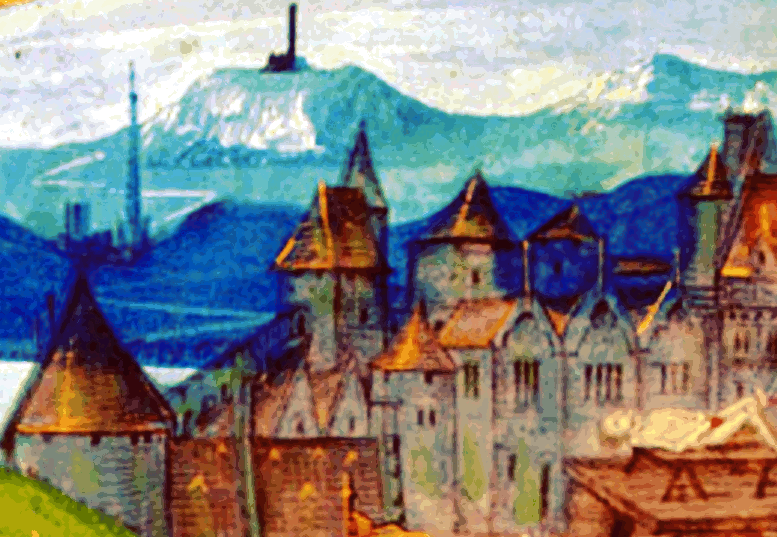
Scotland |
- After going after Robert the Bruce in Scotland in the
Despenser War, Edward II was defeated in 1314.
- But
Edward II wasn't power hungry like his father and he
only wanted to merge with Scotland because he wanted to
unite the small nations in the British Isles so that
some larger European nation couldn't take them over.
- Unfortunately, Scotland interpreted this as a land
grab, however, it really wasn't anything like that.
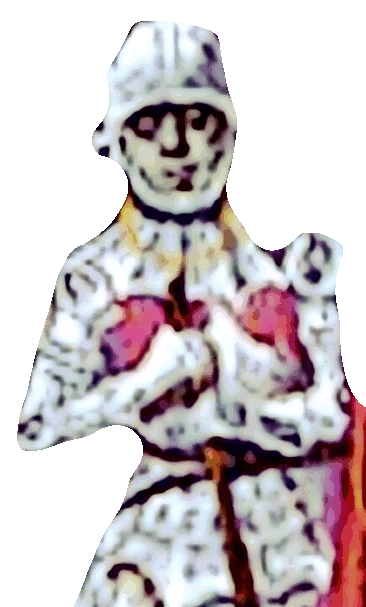
Hugh Despenser the
Younger |
- After the death of his leading military man, Piers Gaveston at the hands of the barons, Edward
II turned to a new aide, Hugh Despenser the Younger.
- Despenser rose to national prominence as royal chamberlain and
unfortunately became a favorite of Edward II.
|
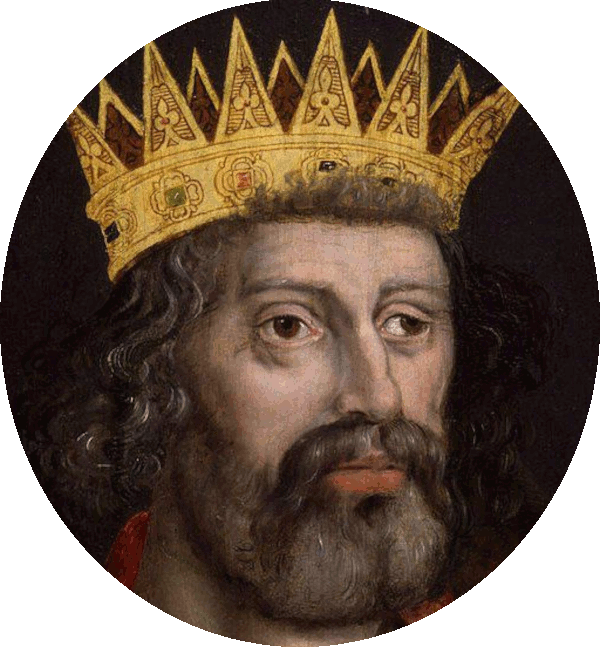
Hugh Despenser the Younger as Elon Musk |
 |
 |
Hugh Despenser the Younger
1287/9–1326
?
11/24
Wanna be monarch |
Elon Reeve Musk
1971
6/28
|
 |
 |
|
Wanted to be king |
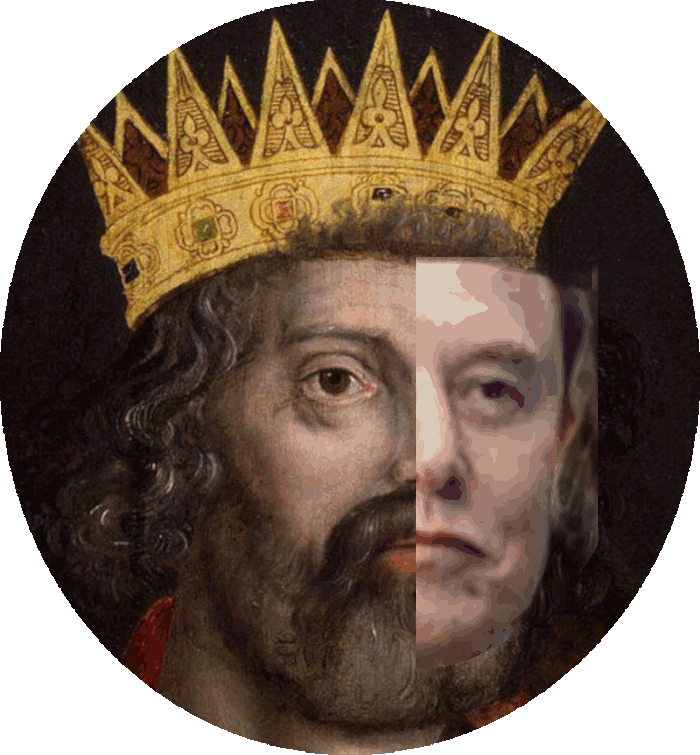
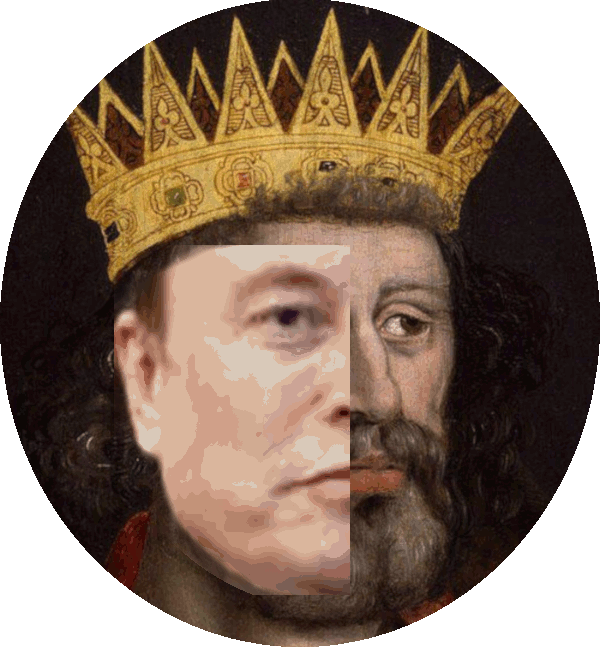
- Hugh le Despenser, 1st Baron le Despenser was also
known as the Younger Despenser (c. 1287/1289-1326) was
an English nobleman and top aide to Edward II.
- He was a nobleman
and was one of 2 sons and the eldest of 4 children.
- His parents
were Hugh le Despenser the Elder (1261-1326), 1st Elder of Winchester, and
Isabel de Beauchamp.
- William Beauchamp, who was Earl of Warwick,
and Maud Fitzjohn were his maternal grandparents.
- His paternal grandmother
was Aline Basset who was Countess of Norfolk and his grandfather Hugh Despenser was Justiciar of England.
- Hugh had this painting done because he wanted to be king
and he more or less took over that role during Edward IIs
reign.
|
Hugh Despenser the Younger as Rasputin |
 |
|
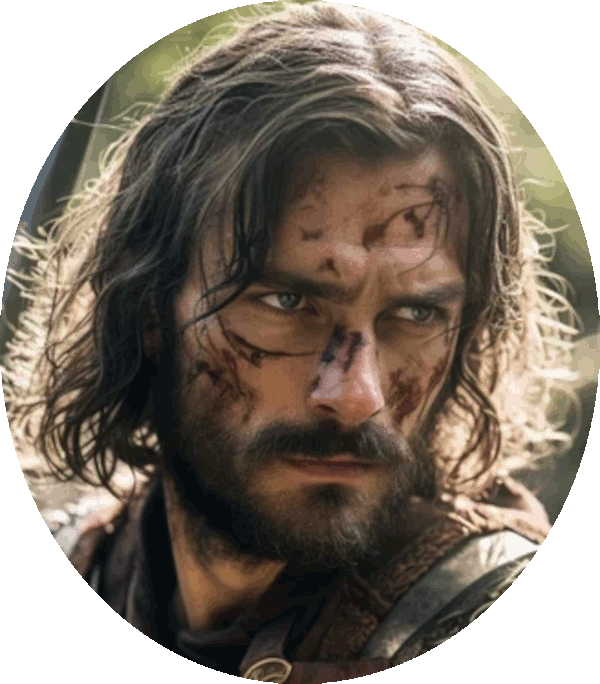
- He was not really played by Rasputin, but he
certainly looked just like him and was very devious.
- Recently named the ‘greatest villain’ of the
14th-century, Hugh Despenser the Younger, was a pirate and extortionist, and
had become the richest and most powerful man in England
in the early 1300s.
- Only Edward II never realized how
Despenser was betraying his crown.
- The younger Despenser rose to national prominence as chamberlain of the royal household and a close favorite of Edward II of England.
- His influence at court earned him many enemies among the English nobility.
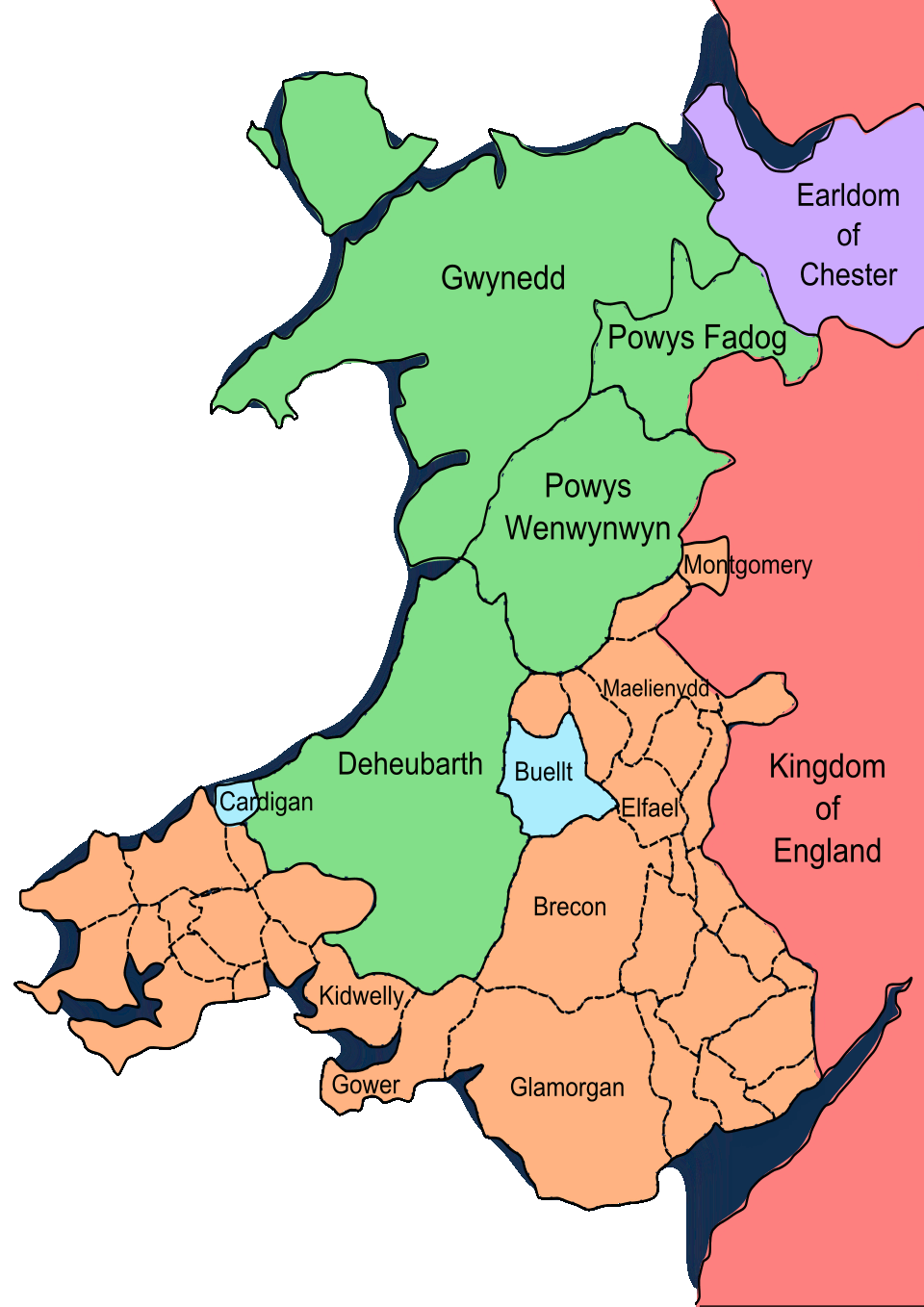
AlexD, CC BY-SA 3.0 , via Wikimedia Commons
Marcher Lords
territory |
-
Edward II found himself at odds with the barons, in particular his first cousin Thomas, 2nd Earl of Lancaster,
in the continuing war against the Scots that he had inherited from Edward I.
-
The Despensers were bitter enemies of Lancaster, and, with Edward's support, began to increase their power base in the Welsh Marches, in the process making enemies of Roger Mortimer de Chirk and his nephew, Roger Mortimer of Wigmore, their rival Marcher Lords.
|
A marcher lord was a noble appointed by the king of
England to guard the border (known as the Welsh
Marches) between England and Wales. (Assistant)
|
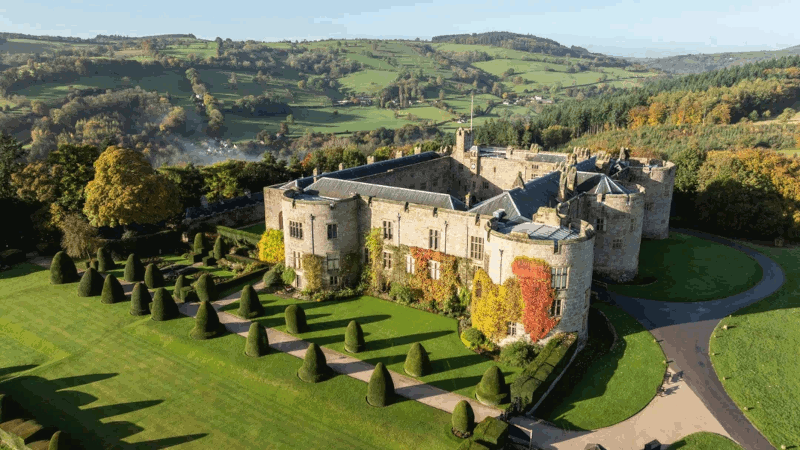
Chirk Castle 1295 |
-
Roger Mortimer, 1st Baron Mortimer of Chirk (c.1256-1326) was a 14th-century Marcher lord, the third son of Roger Mortimer, a powerful Marcher lord in the Welsh border territories.
- The family were from the second rank of parvenu nobility elevated by the king as a reward for fierce loyalty to the Plantagenet dynasty.
- In 1282, the ruling princes of Gwynedd attacked lands granted to King Edward
II under the treaty of Aberconwy.
- Consequently, the Welsh wars broke out, and Mortimer, a professional soldier, was a Captain in the victorious royal army.
- He was said to be a lecherous and violent man
and was notable for his opposition to Edward II of England during the Despenser War.
- He was the uncle of Roger Mortimer of Wigmore who was
even more devious.
|
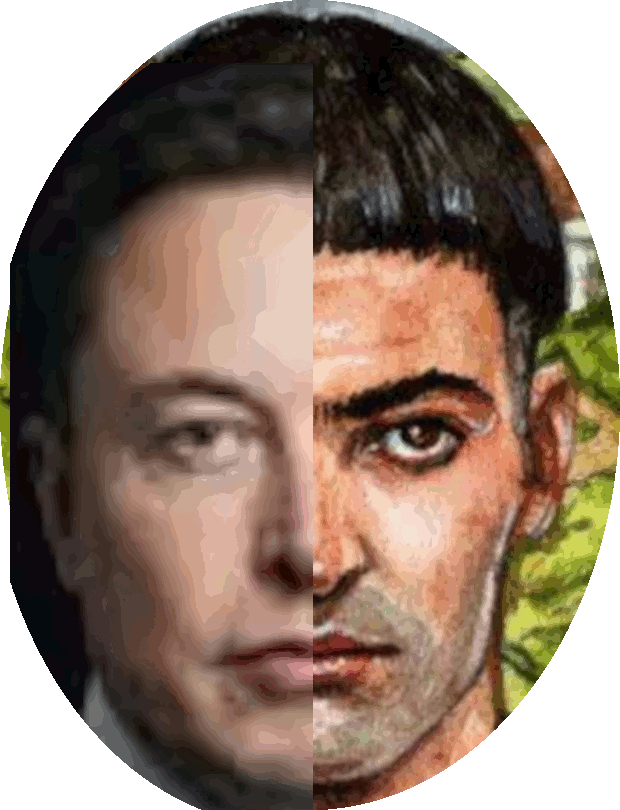
Roger Mortimer of Wigmore as Elon Musk |
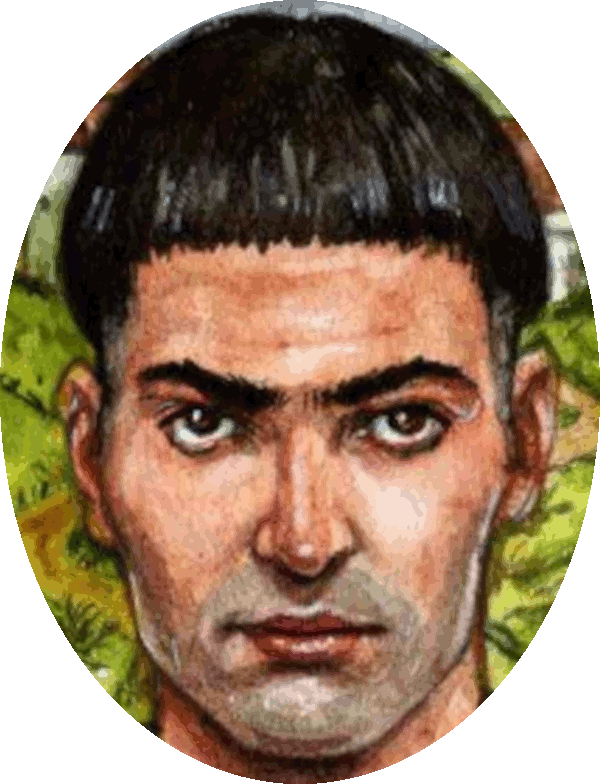 |
|
Roger Mortimer
1287-1330
4/25 11/29
1st Earl of March |
Elon Reeve Musk
1971
6/28
|
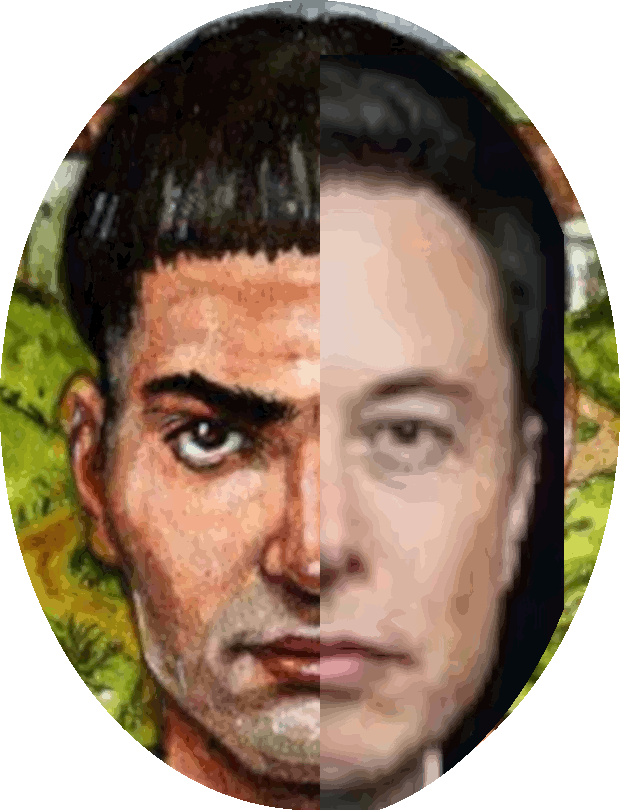 |
 |
|
King of Folly |
-
Roger Mortimer, 3rd Baron Mortimer of Wigmore, 1st Earl of March
(1287-1330), was an English nobleman and powerful marcher lord who gained many estates in the Welsh Marches and Ireland following his advantageous marriage to the wealthy heiress Joan de Geneville, 2nd Baroness Geneville.
- Initially there was loyalty and Mortimer served Edward II, fighting in Ireland, but turned against the king due to the unchecked power of the Despenser family.
- Soon after, in January 1322, Edward's army, reinforced by the Despensers
who had returned from exile, had forced the surrender of the Mortimers.
- In March 1322, Lancaster himself had been captured after the
Battle of Boroughbridge.
- Lancaster was promptly executed, leaving Edward and the Despensers victorious.
Roger Mortimer
Not any kind of
prince in shining
armor |
- Except the real story is that both Hugh Despenser the
Younger and Roger Mortimer ended up on the wrong side of
Edward II and both wanted to overthrow him.
- Although
neither wanted to overthrow England, they just wanted to take
his place as king and attain his power.
- So they both
ended up working against not only Edward II, but each other as
well, while the Lancastrians hated both of them.
- Only
Edward II was still supportive of the manipulative
Despenser family.
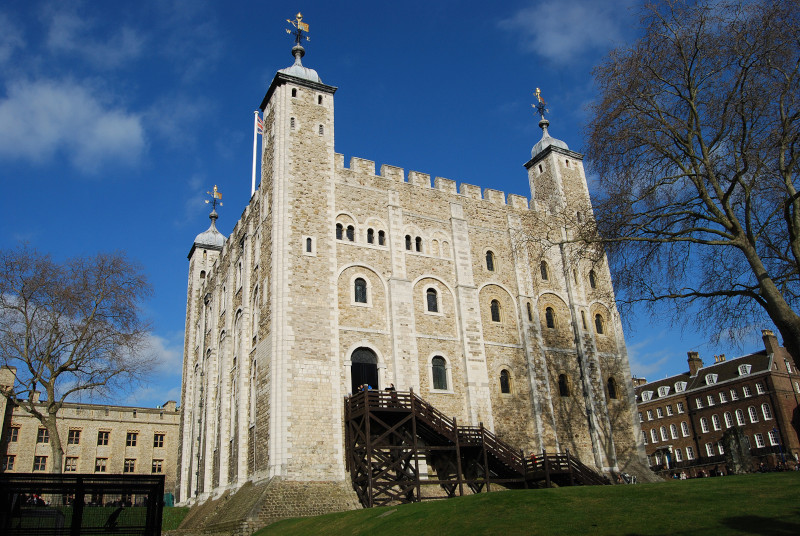
Tower of London
built in 1066 |
- Hugh Despenser the Younger was now firmly ensconced as Edward's favorite
military leader and together over the next
4 years the Despensers took control and imposed a harsh rule over England, a
'sweeping revenge' characterized by land confiscation, large-scale imprisonment, executions and the punishment of extended family members, including women and the elderly.
- Some of the women that Edward persecuted and stole land from were Isabella's friends
and she had fallen out of total favor with Edward II by
then.
After surrendering to Edward's forces on 31 October 1321, Margaret, Baroness Badlesmere, Kent and her children were sent to the Tower, and 13 of the Leeds garrison were hanged. (Wikipedia)
|
Edward's winding
road |
- Edward II left Isabella in Scotland while
Scottish troops began pursuing her household.
- Isabella was furious both with Edward
and felt that he abandoned her to the Scots, and with Despensers for convincing Edward to retreat rather than sending help.
- She fled from her home to safety but she was furious at
Edward and she let him know.
- Isabella effectively separated from Edward from here onwards, leaving him to
deal with Hugh Despenser.
- At this point, she went back to her homeland France,
but it had been overrun by the Despensers and she feared for her
safety there as well.
- Edward II never had any
intent of overtaking France, however, the French were
leery of his actions because of what the Despensers were
doing.
- At the end of 1324, the
Despenser family snatched Isabella's lands, overtook her
household, and put her French staff behind bars.
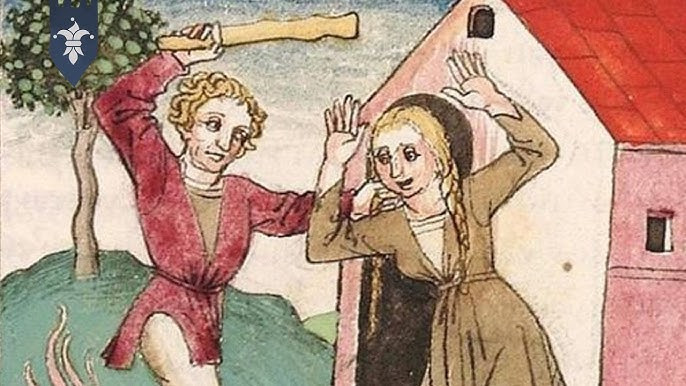
English baron goes after
Isabella |
- All the while, the demonic English barons running everything
had the nerve to call Isabella a cruel 'She-Wolf.'
-
The Despensers also removed her children from her and put them
in the care of their own family.
- At this point, Isabella appeared to have realized that any hope of working with Edward was effectively over and begun to consider radical solutions.
- Because of the Despensers she had lost everything, her
home, her land, her children, her friends, and her
staff.
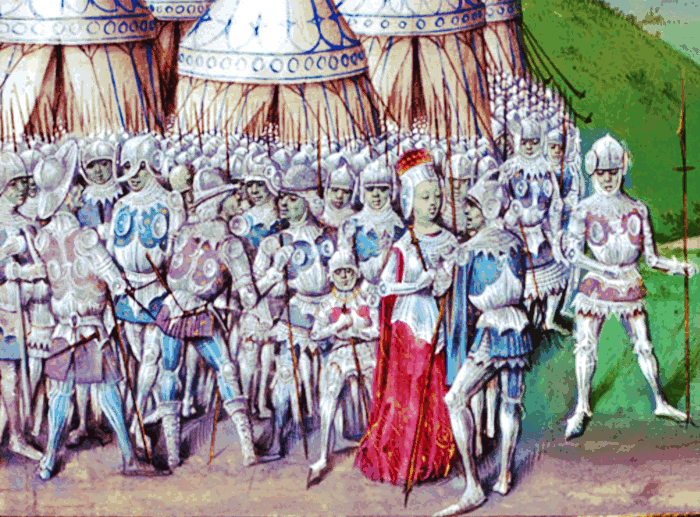
Queen Isabella and
army |
-
Isabella returned to England
with Roger Mortimer after spending a year in France.
-
Contrary to popular belief, she was not having a
romantic affair with Mortimer, he was her political ally,
only she was blind to his real intent.
- She had
equipped a small mercenary army in 1326, and they landed at
Orwell on the east coast of England.
- They invaded England after Isabella drew up the plans and as they marched
along they gathered many supporters.
- The invasion was
actually incredibly easy because most everyone was against the
Despensers and many greeted her as a savior.
- At that
time,
Isabella wrongly deposed Edward
which was widely celebrated throughout England.
- After the overthrow of Edward II, Despenser was charged with high treason and ultimately hanged, drawn and quartered
by Edward III and Isabella realized she was wrong and
returned to her family in England.
- Edward IIs reign and relationships inspired the famous Renaissance play Edward II by Christopher Marlowe.
|
Henry VII as Donald Trump |
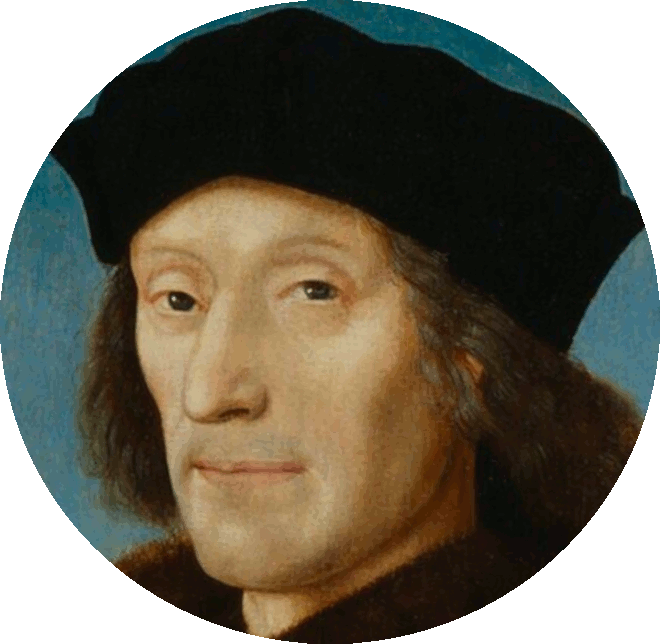 |
|
Henry Tudor
1457-1509
1/28
4/21
monarch |
Donald John Trump
1946
6/14
|
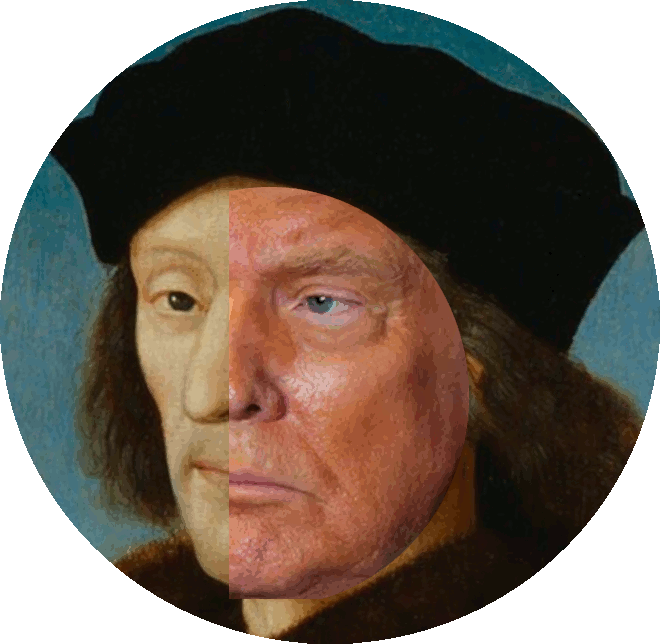 |
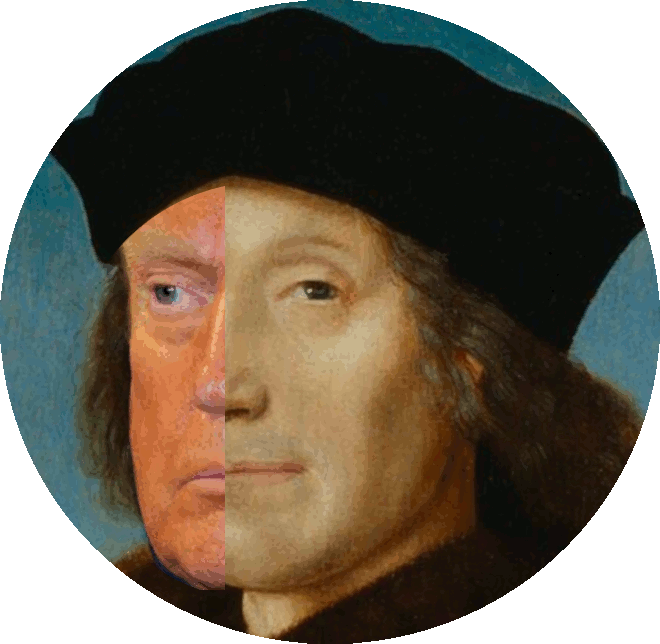 |
The spin
starts here
Henry with a little more meat on
his bone |
-
Henry VII (1457-1509), also known as Henry Tudor, was King of England and Lord of Ireland from his seizure of the crown on August
22, 1485, until his death in 1509.
- He was the
first monarch of the House of Tudor.
-
Henry was the son of Edmund Tudor, 1st Earl of Richmond, and Lady Margaret Beaufort.
- His mother was a great-granddaughter of John of Gaunt, an English prince who founded the Lancastrian cadet branch of the House of Plantagenet.
- Henry VII was such a distant relation to the royal
family, he had to usurp the throne through war to gain
power.
|
Edmund Plowden as Elon Musk |
 |
|
Sir Edmund Plowden
1518-1585
English lawyer, legal scholar and theorist |
Elon Reeve Musk
1971
6/28
|
 |
 |
Plowden Hall
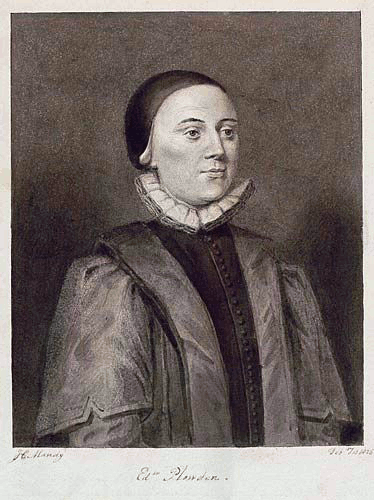
Sir Edmund Plowden about 1550 |
- The surname Plowden was first found in Shropshire where the family were Lords of the Manor or Plowden Hall.
- One of the most notable lords of the estate was Sir Edmund Plowden (1518-1585), a distinguished English lawyer, legal scholar and theorist during the late Tudor period.
- Edmund was born at Plowden Hall, Lydbury North, Shropshire, the son of Humphrey Plowden (1490–1557) and his wife, Elizabeth Wollascot, neé Sturry (died 1559).
- Traditionally, the Plowdens of Plowden held these estates at the time of the Norman Conquest, but the first record is of Sir Roger Plowden who accompanied King Richard on his Crusade to the Holy Land and was present at the siege of Acre.
- For his gallantry he was awarded by the King an augmentation of two fleur-des-lys on his Coat of Arms, a distinction the family has borne ever since.
|
Henry VIII as Donald Trump |
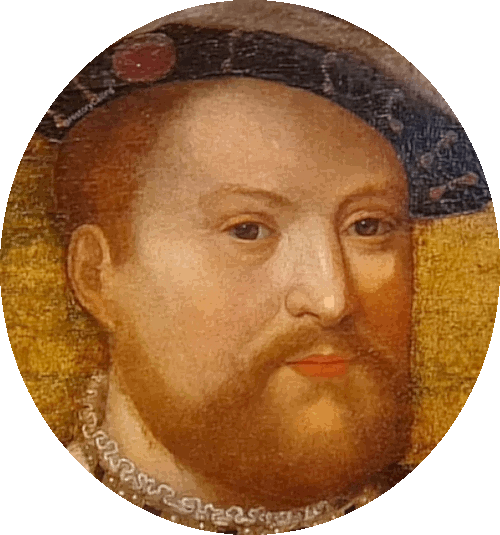 |
 |
Henry Tudor
1566-1625
6/19
3/27
monarch |
Donald John Trump
1946
6/14
|
 |
 |
|
Orange man |
- Henry VIII (1491-1547) was King of England and Lord of Ireland from April
22, 1509, and King of England and Ireland from June 14, 1542, until his death in 1547.
- Henry was born in Greenwich as the second son of Henry VII and Elizabeth of York.
= His elder brother, Arthur, Prince of Wales, was heir apparent until his unexpected death in 1502.
- Henry was created Prince of Wales in 1504 and acceded to the throne upon his father's death in 1509.
- He married Catherine of Aragon, who had previously been married to
his older brother Arthur until his death, and Henry had two children with her: Henry, Duke of Cornwall, and Mary I
Queen of Scots.
- After 25 years of marriage he had the marriage to
Catherine annulled and then married another 5 wives, 2 of
whom he had beheaded.
- Under Henry VIII, the crown was determined to rein in powerful families and extract revenue efficiently,
therefore, wealthy towns tied to influential nobles were highly visible, and highly assessible
and brutally taxed.
|
Edward VI as Donald Trump |
 |
 |
Edward Tudor
1537-1553
10/12 7/6
monarch |
Donald John Trump
1946
6/14
|
 |
 |
AI Baby
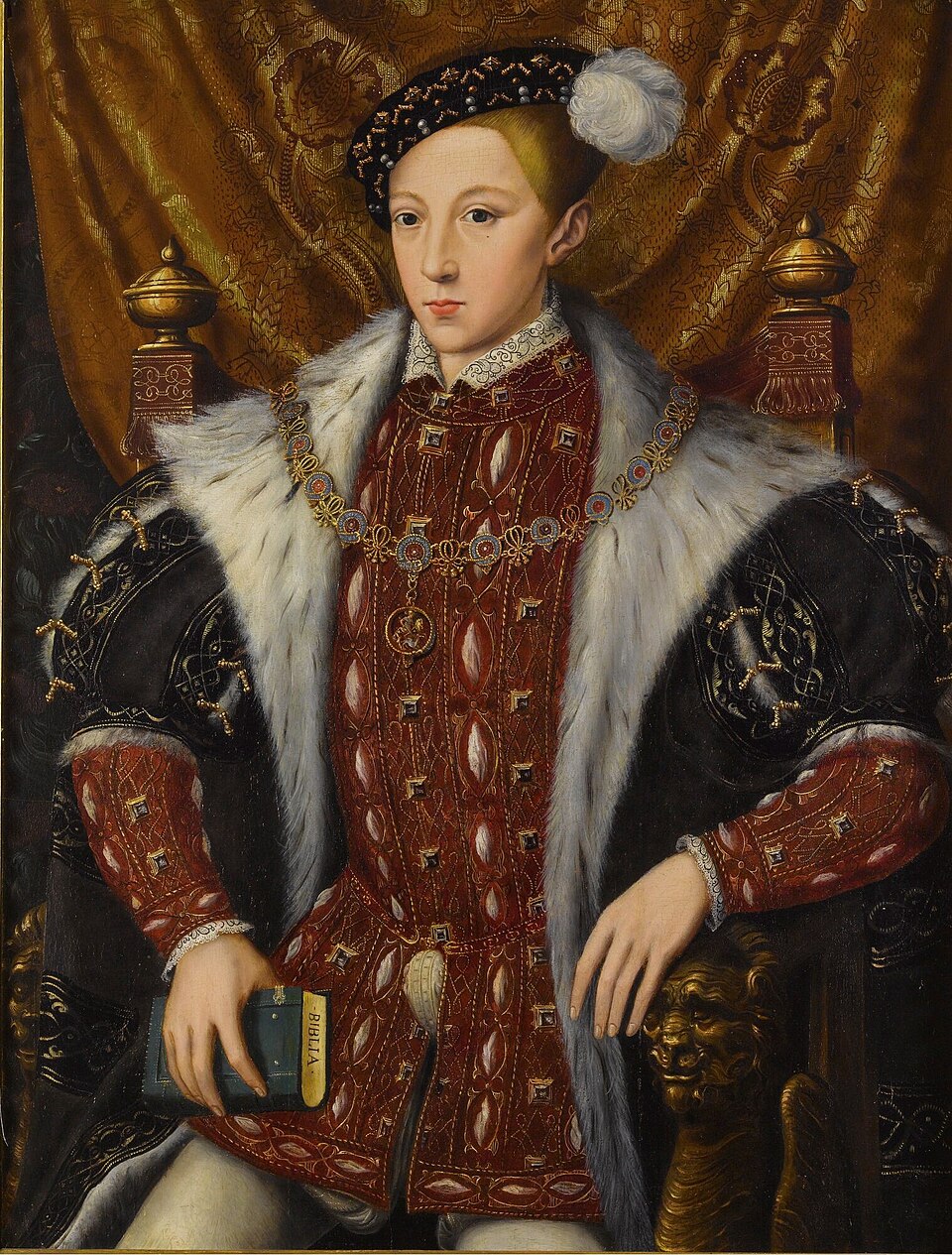
Circle of William Scrots, Public domain, via Wikimedia Commons
Edward Tudor |
- Edward VI was King of England and Ireland from January
28, 1547, until his death in 1553.
- He was crowned on February
20, 1547, at the age of 9.
- The only surviving son of Henry VIII by his third wife, Jane Seymour, Edward was the first English monarch to be raised as a Protestant.
- He was only 10, but a full grown demon and fallen angel,
when he worked with Edward Seymour and John Dudley to
remove John de Vere's estate which turned Edward de Vere
into a poor man.
|
John Dudley as Elon Musk |
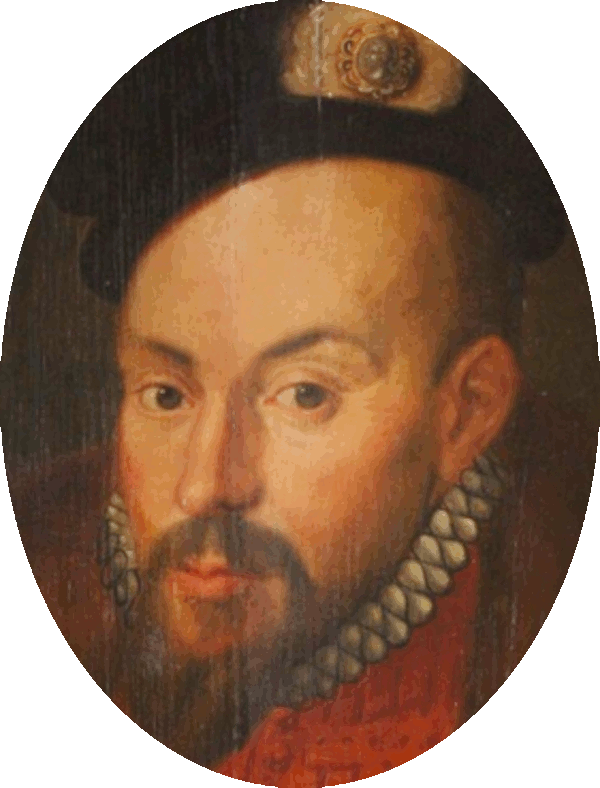 |
|
John Dudley
1504-1553
?
8/22
1st Duke of Northumberland
|
Elon Reeve Musk
1971
66/28
|
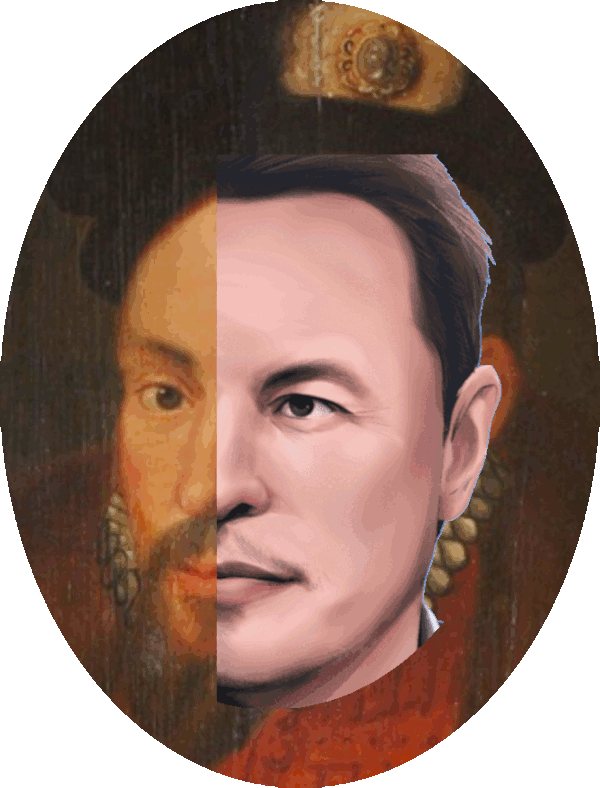 |
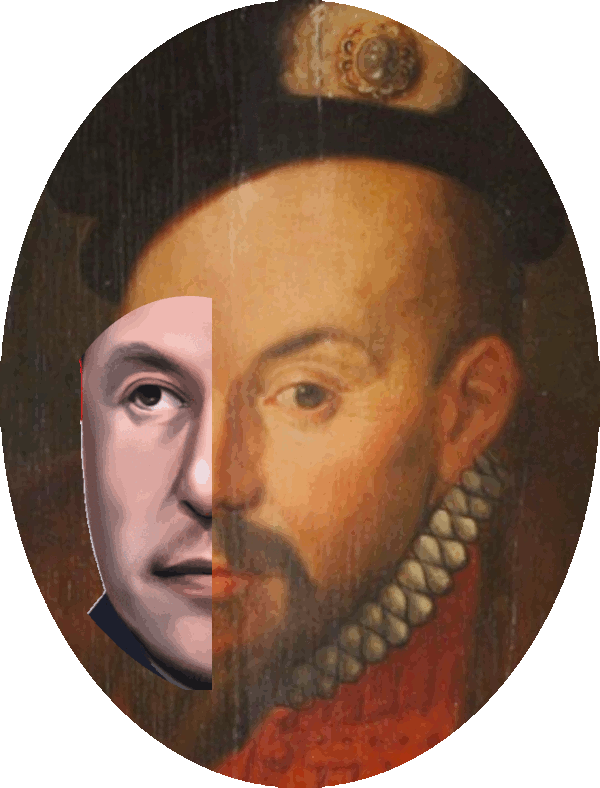 |
Wicked Duke
.jpg)
National Trust, Public domain, via Wikimedia Commons |
- John Dudley, 1st Duke of Northumberland (1504-1553) was an English military officer and politician, who led the government of the young King Edward VI from 1550 until 1553, and unsuccessfully tried to install Lady Jane Grey on the English throne after the King's death.
- The son of Edmund Dudley, a minister of Henry VII executed by Henry VIII, John Dudley became the ward of Sir Edward Guildford at the age of
7.
- John Dudley, 1st Duke of Northumberland, was beheaded on Tower Hill on August 22, 1553.
- He was executed for high treason after his failed plot to place his daughter-in-law, Lady Jane Grey, on the English throne instead of Queen Mary I.
The execution of Northumberland and the imprisonment of his sons which resulted in part from the 16th Earl’s support of Mary sowed seeds of animosity toward the house of Oxford on the part of Northumberland’s son, Sir Robert Dudley, later Earl of Leicester and Queen Elizabeth’s favorite. (Nina
Green)
|
Queen Elizabeth I |
-
Elizabeth I (1533-1603) was Queen of England and Ireland from November
17, 1558, until her death on March 24, 1603.
- Elizabeth was the only surviving child of Henry VIII and his second wife, Anne Boleyn.
- When Elizabeth was 2 years old, her parents' marriage was annulled, her mother was executed, and Elizabeth was declared illegitimate,
although Henry restored her to the line of succession when she was 10.
- She was the last and longest reigning monarch of the House
of Tudor and her eventful reign, and its effect on history and culture, gave name to the Elizabethan era.
- Although she left an illegitimate son, Edward de Vere
(1550–1604) who was the 17th Earl of Oxford, but she had given him
to the De Vere family in hopes of keeping the birth secret.
-
But De Vere was very aware of who his true birth mother really was,
even though she retained the nickname of the 'Virgin Queen.'
Public domain, via Wikimedia Commons
Edward de Vere |
- Edward de Vere (1550–1604) was the 17th Earl of Oxford, an
Elizabethan courtier and poet who is famous as the author of
Shakespeare's works, which he wrote with help from Francis
Bacon's sophisticated printing press.
- He thought it all
up, and Bacon typed it in, although much like Bacon's Bible,
it was mainly sarcastic gibberish, riddles and rhymes.
- He was also the illegitimate son of Queen Elizabeth I but
he wasn't supposed to know that, meaning that he was next in
line for the throne but was denied.
Anonymous as
Shakespeare |
- Because of that relationship, Edward de Vere took on
the role of William Shakespeare in order to provoke
Elizabeth I and mock her.
-
But there wasn't anything that Elizabeth could do to him to
shut him up, even
though he humiliated her in front of her royal court, because
she wanted to keep him a secret.
- So instead, she
doled out small financial awards and controlled his family
wealth and inheritance by making him a ward of the court
at age 12 when his father died.
- You might say it was a
triple whammy, unacknowledged birthright, denial of his
rightful place on the throne, and theft of of his
inheritance, no wonder he was such an angry young man.
|
Edward Seymour as Elon Musk |
 |
 |
Edward Seymour
1500-1552
? 1/22
Duke of Somerset, served as Protector of the Realm
|
Elon Reeve Musk
1971
6/28
|
 |
 |
|
Summer setting |
-
The de Vere family, Earls of Oxford, were among the oldest noble dynasties in England, with deep roots in East Anglia long before Henry VIII’s reign.
- They were a hard-working family who had earned their
wealth through industry.
- The 17th Earl
Edward de Vere has been libeled as a wastrel who dissipated a vast patrimony inherited from his father, however,
the historical documents tell a far different story.
- During the first years of King Edward VI (1537-1553),
age 10, the young King’s uncle, Edward Seymour (c.1500-1552), Duke of Somerset, served as Protector of the Realm.
- In 1548-9, he abused his great power and authority
to extort almost all the lands of the Oxford earldom from
the 16th Earl under the pretext of a marriage contract
with the earl's first wife, Dorothy Neville (d.1548).
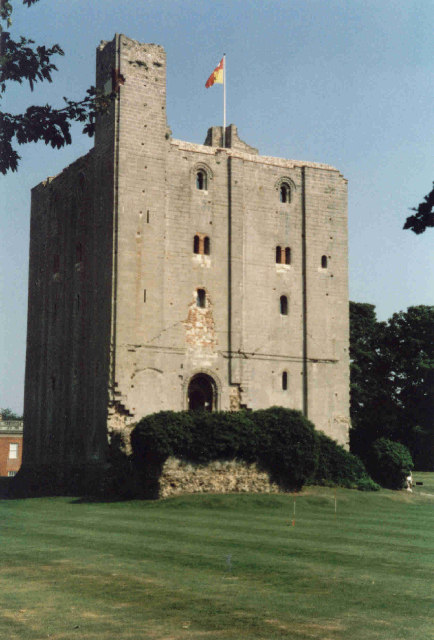
Public domain, via Wikimedia Commons
House of Oxford -
Hedingham Castle |
- In 1548 Somerset obtained license from the young King authorizing the 16th Earl to alienate some of his lands to Somerset.
- In February 1548, Somerset forced the 16th Earl to enter into an indenture, in the amount of £6000, binding him to marry his
9-year-old daughter Katherine de Vere to the youngest son of Somerset’s
2nd marriage, Henry Seymour (1540-c.1600).
- And to transfer legal title to the lands of the Oxford earldom
to Somerset and his heirs by means of a fine before May 1548.
- It is clear from the language of the Act that Somerset used coercion to blackmail the 16th Earl into breaking the ancient de Vere entails,
or order of inheritance, and signing away the de Vere inheritance
for some unknown criminal act.
- Therefore proving that the fall of the house of Oxford began with the Protector Somerset’s extortion against Edward de Vere’s father, John de Vere, the 16th Earl of Oxford.
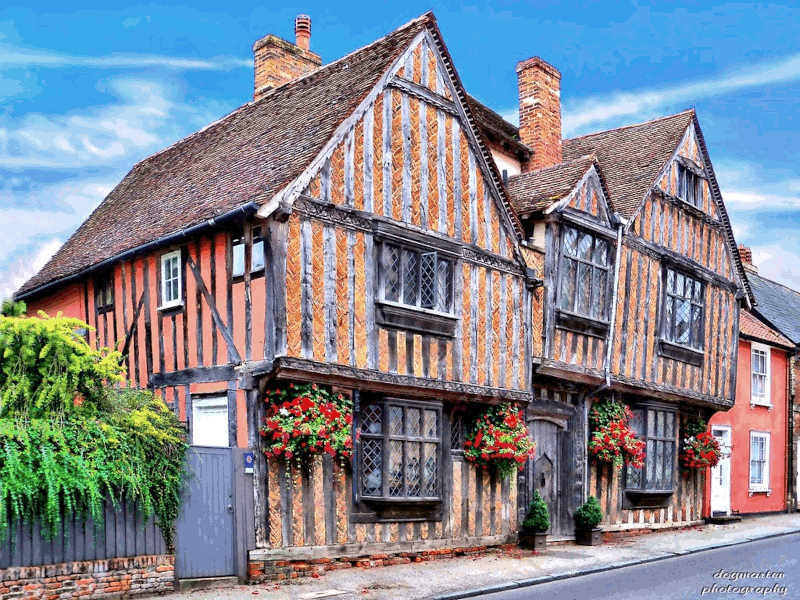
De Vere house in
Lavenham, Suffolk -
1485
Harry Potter |
- This Act was later reversed and Seymour was beheaded
in 1552, although the private Act of Parliament which was
finally passed in 1552 struck down Somerset’s entail, that Act was in itself insufficient to undo the legal harm Somerset’s extortion had caused to the 16th Earl.
- Elizabeth got into the act because she changed the
inheritance entails and the result was that Edward de Vere
had to essentially purchase his own inherited estates,
what a scam.
- The legal battles and financial disruptions permanently crippled the wealth of the Oxford earldom.
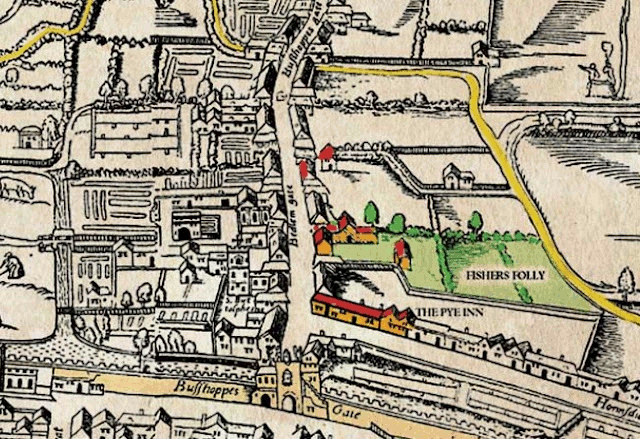
De Vere property -
Fisher's Folly map |
-
Then the folly continued when
Edward de Vere's father died in 1562, young Edward, age
12, became a royal ward under Queen Elizabeth I and was placed in the care of chief advisor William Cecil.
- Under the Tudor wardship system, the Crown (and by extension the Master of the Wards) administered the minor's lands and took the primary revenues during the minority years, ostensibly to cover the costs of wardship and
administration.
- In later years, his estate was managed according to standard Tudor
law, and Cecil proceeded to micro-manage De Vere's
spending which forced him to sell land he had inherited.
|
William Cecil as Elon Musk |
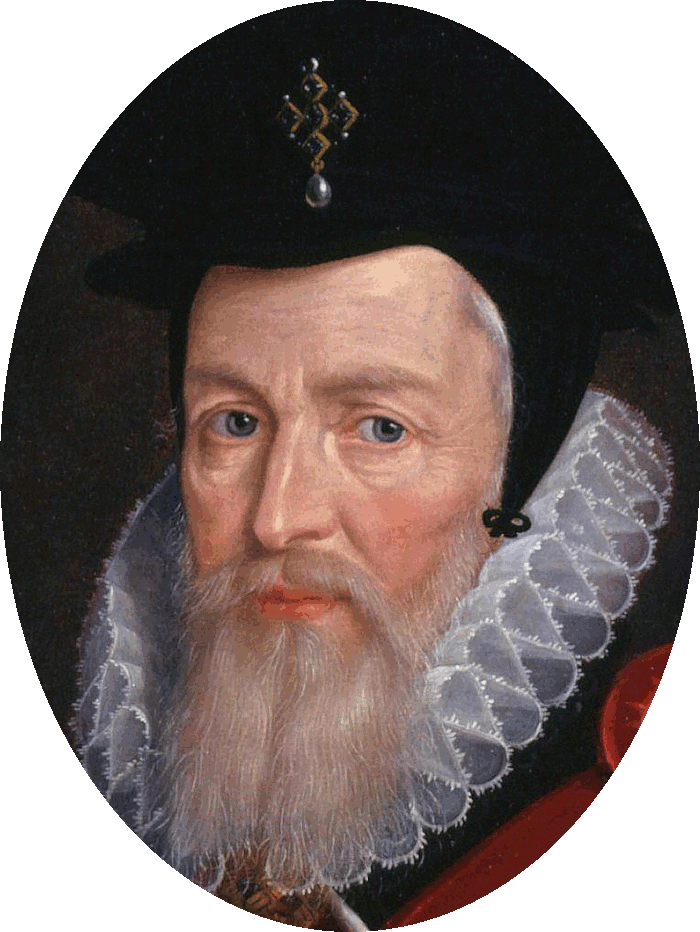 |
|
William Cecil
1520-1598
9/13 8/4
Master of the Wards |
Elon Reeve Musk
1971
6/28
|
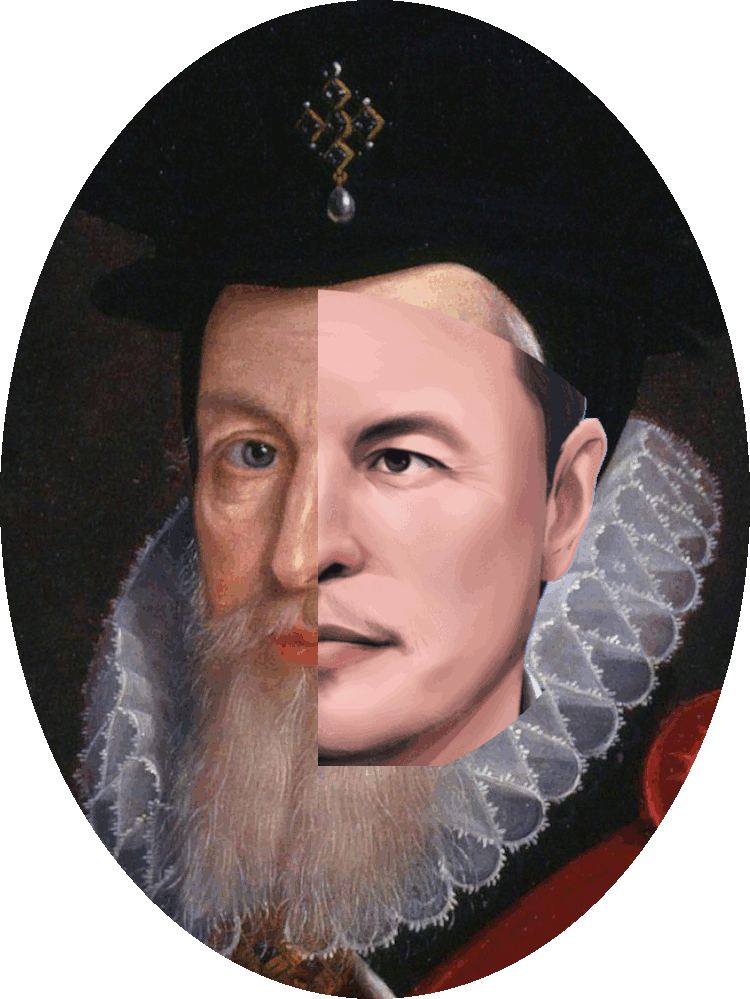 |
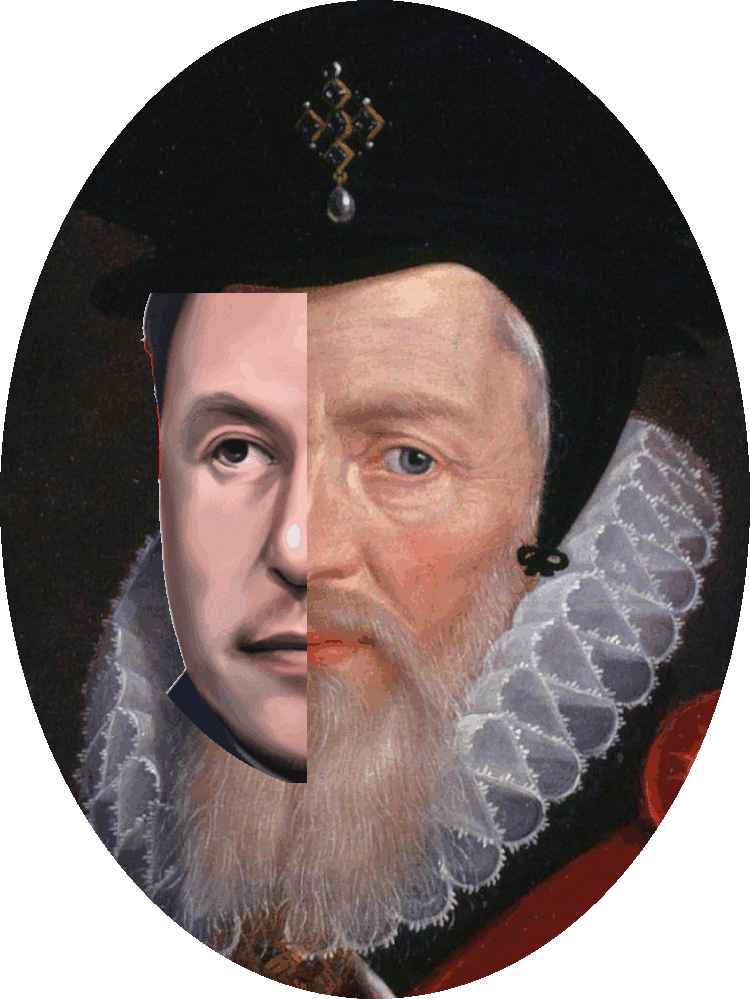 |
|
Friction |
- Cecil used his role as the Master of the Wards, Oxford's
guardian, and later his father-in-law, rather than
literal, illegal theft, through the Tudor wardship system and Cecil's financial controls functioned as a legal form of systemic exploitation that drained the House of Oxford.
-
In the end, Queen Elizabeth’s mismanagement of de Vere’s wardship was a primary cause of his eventual financial downfall
and she took a 'thirds' or 1/3 of his rightful inheritance.
- Proponents of the Oxfordian theory, who argue that Edward de Vere wrote the works attributed to William Shakespeare, frequently point to the precise, highly technical knowledge of real property law, inheritance, and homicide found in plays like Hamlet.
- Edward paid close attention to the barristers in the
Plowden family to attain his extensive knowledge about
law.
- Continuing the travesty, the Plowden family, specifically through the eminent jurist Edmund Plowden (1518–1585), benefited from the Tudor court and legal system through professional advancement, lucrative land managements, and high-level political networking within the Inns of Court.
de Vere's mother Margery Golding, the widowed
Countess of Oxford, received £444 per annum, or almost
20% of de Vere’s net yearly revenue, as her jointure. After
her death, he should have received the income from
these lands. However, the Queen initiated a lawsuit
claiming that she was entitled to the remainder of the
revenue from Golding’s jointure. Moreover, the surviving documents show that the Queen not only intended to take from her young ward the revenue from the lands which had constituted his late mother’s jointure, but also another £343 in net yearly revenue from lands which he had inherited after his father’s death. (Nina
Green)
|
|
Robert Dudley as Elon Musk |
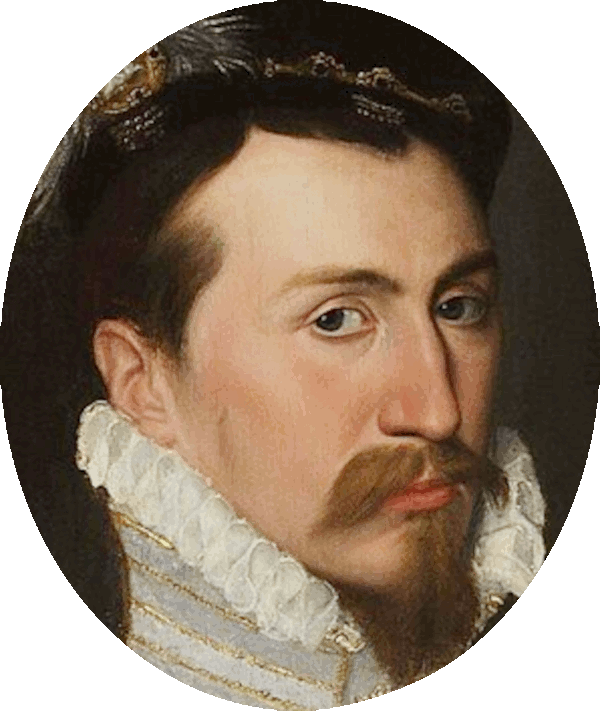 |
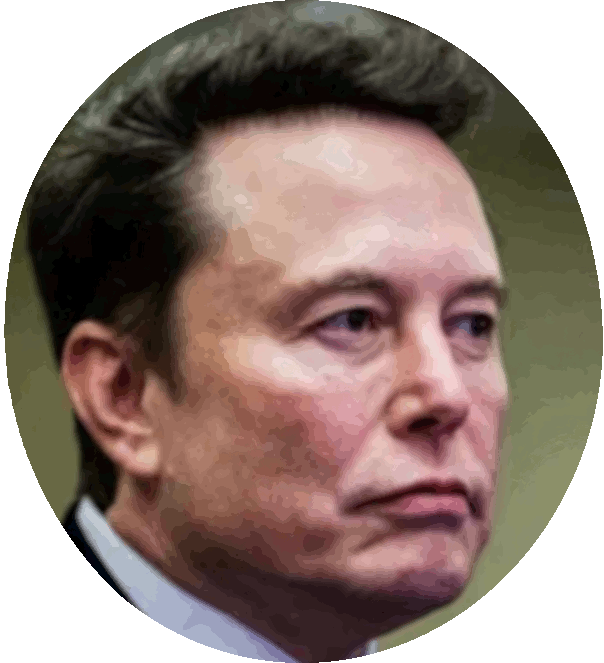 |
Robert Dudley
1532-1588
6/24
9/4
1st Earl of Leicester
|
Elon Reeve Musk
1971
66/28
|
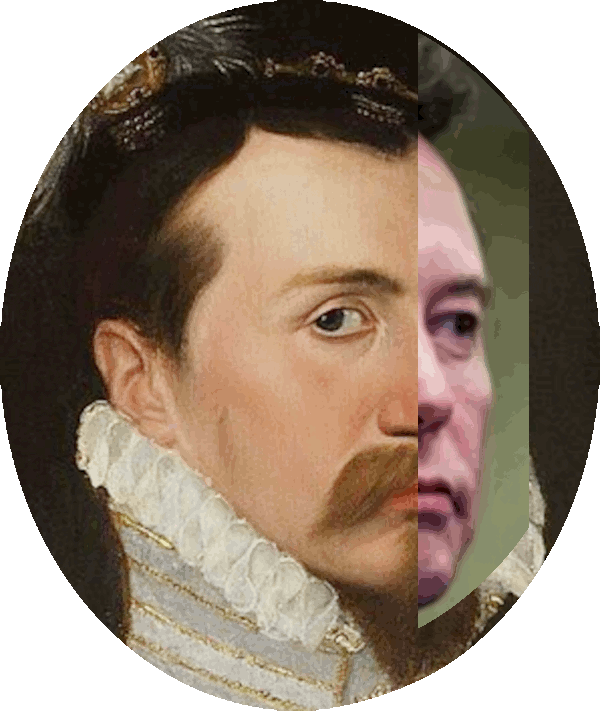 |
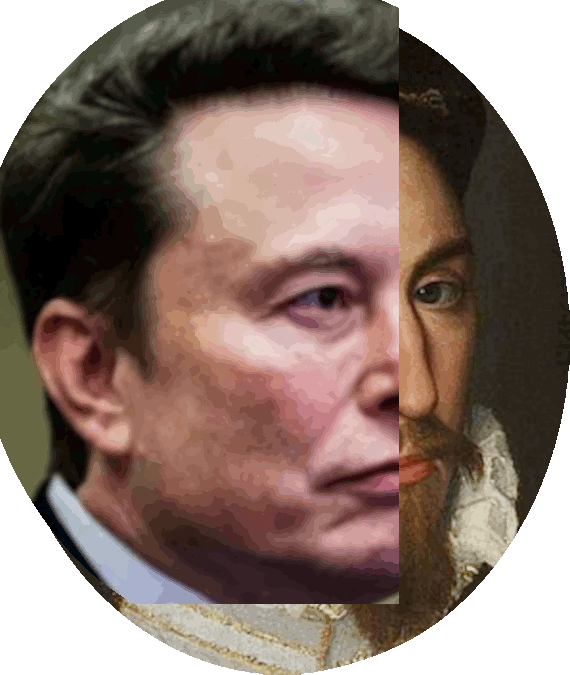 |
Eyes
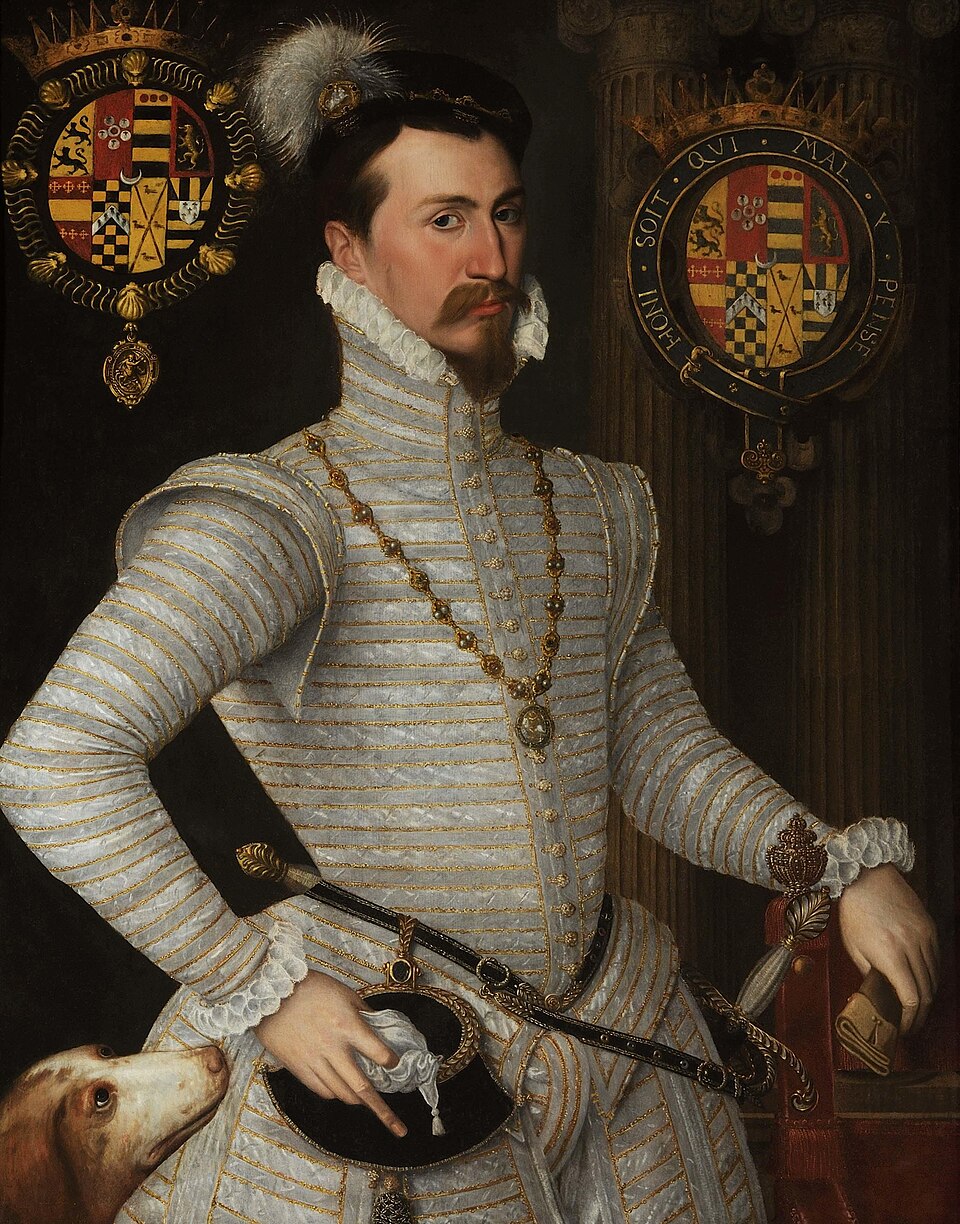
Steven van der Meulen, Public domain, via Wikimedia Commons |
- Robert Dudley, 1st Earl of Leicester (1532-1588) was an English statesman and the favorite of Elizabeth I from her accession until his death.
- He was a suitor for the queen's hand for many years.
- Dudley's youth was overshadowed by the downfall of his family in 1553 after his father, the Duke of Northumberland, had failed to prevent the accession of Mary I.
-
It was the
Queen
Elizabeth’s mismanagement of de Vere’s wardship and the stranglehold which she held over his finances during his entire lifetime which led inevitably to his financial ruin.
|
Francis Plowden as Donald Trump |
 |
 |
Francis Plowden
1749-1829
6/8
1/4
Barrister, legal writer, and historian |
Donald John Trump
1946
6/14
|
 |
 |
Jesuit
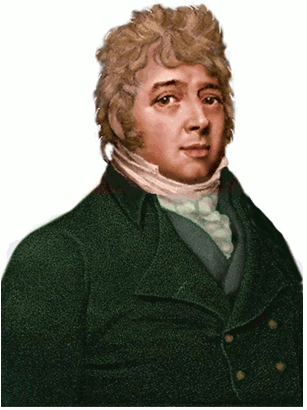
Chief Inspector of Irish Iron Age, CC BY-SA 3.0 , via Wikimedia Commons
Francis Plowden about 1800 |
- Francis Plowden, born in Shropshire was the 8th son of
William Ignatius Plowden of Plowden Hall; his grandfather was Charles,
5th Baron Dormer of Wenge and 5 of his brothers became Jesuits including Charles Plowden and Robert Plowden.
- This family was very influential in the founding of the
New World and later the New World Order (NWO).
De Vere Wokefield Estate -
England - 1560 |
- The formerly publicly owned lands passed slowly
not through neglect, nor natural
succession, but through an act of claiming, a coordinated
continent spanning act of enclosure, so through and complete,
and so quietly executed that most of us have never questioned
it.
- Wokefield Park is an 18th-century country house, situated in the parish of Wokefield, near Mortimer, in the English county of Berkshire. It is currently run as an events venue.
- Many claim that the estate had no relation to
Edward de Vere, however, Wokefield Estate sits on land
formerly owned by him.
-
Over time, it was removed from public use and someone should have asked who decided that the trees
belong to anyone at all?
- But someone started the
questioning recently and began by looking at estate records
from the English county of Berkshire, specifically the land
transfer documents associated with what are now listed as
heritage parkland sites.
Public Domain, via
Wikimedia Commons
Wokefield Park
in 2009
first mentioned in 1319 as a deer park |
- The historic De Vere Wokefield Estate originated in the 1560s, when the first house was built on the land for the Plowden family.
- The land was first recorded in 1086 in the Domesday Book,
and the core structure known today as the Mansion House was later rebuilt in the 1720s by Charles
Parry.
- In 1340, King Edward III, granted the estate at Wokefield to John Brocas, which was then purchased by Bernard Brocas a wedding present for himself.
- The land confiscation continued on with royals
passing it to each other.
- The first house at Wokefield was built in the 1560s for
Edmund Plowden; it is likely that the present vaulted cellars date from this time.
Public Domain, via
Wikimedia Commons
Wokefield Park
in 2009
first mentioned in 1319 as a deer park |
- At this time the house was alternatively known as Oakfield Park. The estate passed through the Plowden family until Edmund's grandson Francis sold it to the Weaver family in 1627.
- Through marriage, the estate passed from the Weaver family to the Pearces (in the late 17th-century) then to the Parry family (in the early 18th-century).
- Charles Parry rebuilt the house in the 1720s in a similar design to that of Kinlet Hall in Shropshire
and his house is the current mansion.
- Nearby Reading was becoming a thriving industrial hub, with fashionable society in London and Bath easily reached by carriage along the new ‘Bath Road.’
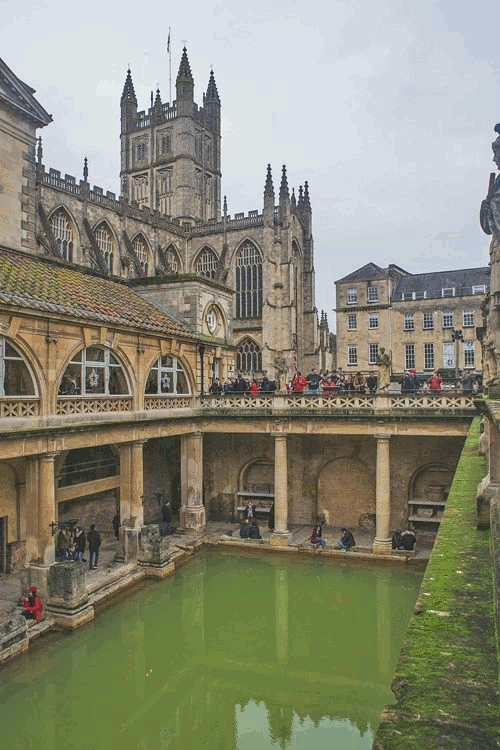
Aquae Sulis in Roman
town of Bath,
England (Britannica) |
- Wokefield Park was sold in 1742 to Henry Paget, 1st Earl of Uxbridge.
- The Earl's grandson, Henry Paget, 2nd Earl of Uxbridge,
inherited the estate before selling it to Bernard Brocas
(of nearby Beaurepaire) before the latter's death in 1777.
- Around this time, John Rocque's map of Berkshire shows that the estate was landscaped with avenues, woodland and water.
|
De Vere Wokefield Estate sits on 250 acres of historic parkland in Berkshire, England, near Reading and Mortimer. The scenic grounds feature manicured lawns, lakes, a championship golf course, and mature trees. (Assistant)
|

Community garden
lost |
- Although it's not the land transfers themselves
that raise questions, because land changes hands, that's
history.
- What does
raise questions is the huge number of transactions that
occurred within a short period of time of approximately 40
years, from the mid to late 1800s.
- That, coupled with the
almost complete absence of documentation explaining why these
lands were considered transferable in the first place.
- In
English property law, land must have a prior owner or it
reverts to the crown.
- Simple enough, but the
documentation for these particular parcels, many of them
covering hundreds of acres of what the records described as
ancient wood and established orchards, doesn't trace backward
the way it should.
Food forager |
- It simply begins as though the land had no
history before the point of claiming and the strangest part,
is that the trees on these properties were already mature.
- In some cases, extremely
mature, and these were trees like mulberry, walnut, sweet
chestnut, and perry pear specimens.
- Based on girth measurements taken by Victorian era surveyors
recorded them as between 200 and 400 years old at the time of
registration.
- Trees that nobody planted and no one
inherited, trees that appeared in the scanty documentation to
have simply appeared fully grown, already productive when the
first new owner thought to write their name beside them.
-
This raises a simple but critical question, if no one planted
these trees and no prior owner appears on record, where
exactly did the ownership come from?
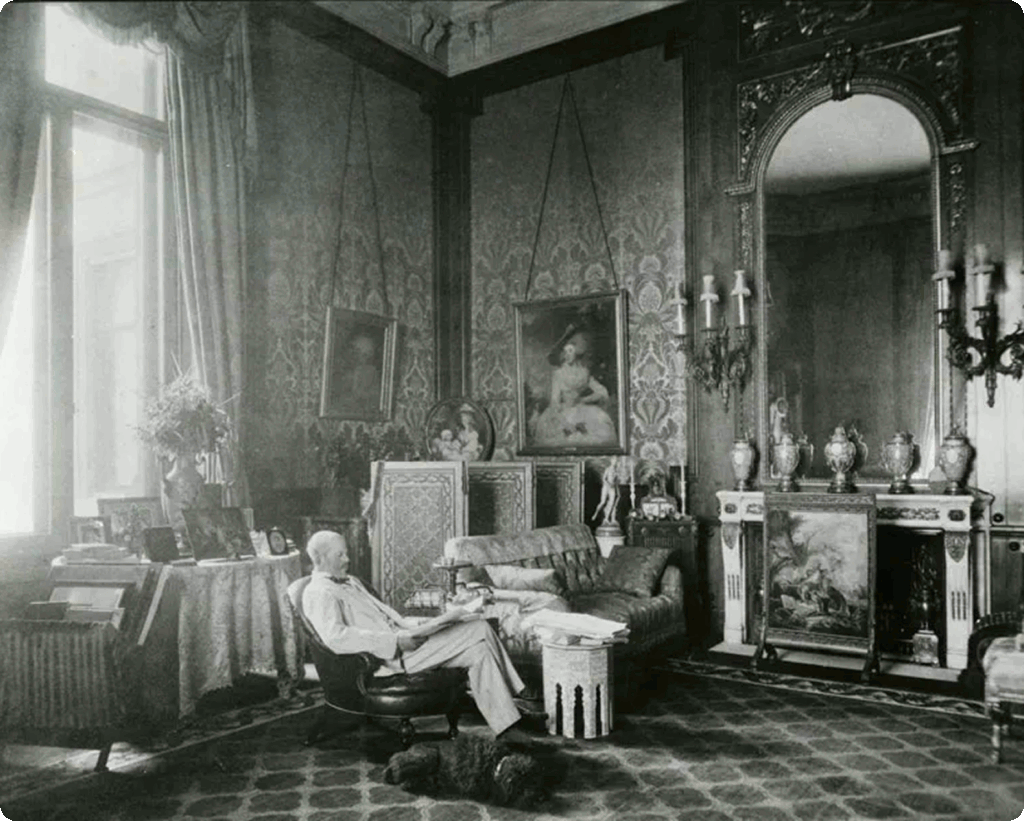
Waddesdon Manor in
England - Built by Ferdinand de Rothschild between 1874 and 1883 |
- The official
explanation, when you can find one at all, is something vague
about customary use becoming formalized or wasteland being
brought under management.
- But the official explanation
collapses here because wasteland doesn't produce centuries old
orchards.
- Quite complex food forests, berry shrubs
beneath fruit trees and nut canopies, across properties
separated by hundreds of miles.
- Today, we act like food
forests are an invention, a design methodology, something you
build, but what if they were the default?
- What if the
world's baseline ecological state before the event or
transition that alternative researchers call the 'old world
reset,' was a managed perennial food system so vast and so
integrated into the landscape that it didn't require farming
in the way we understand it.
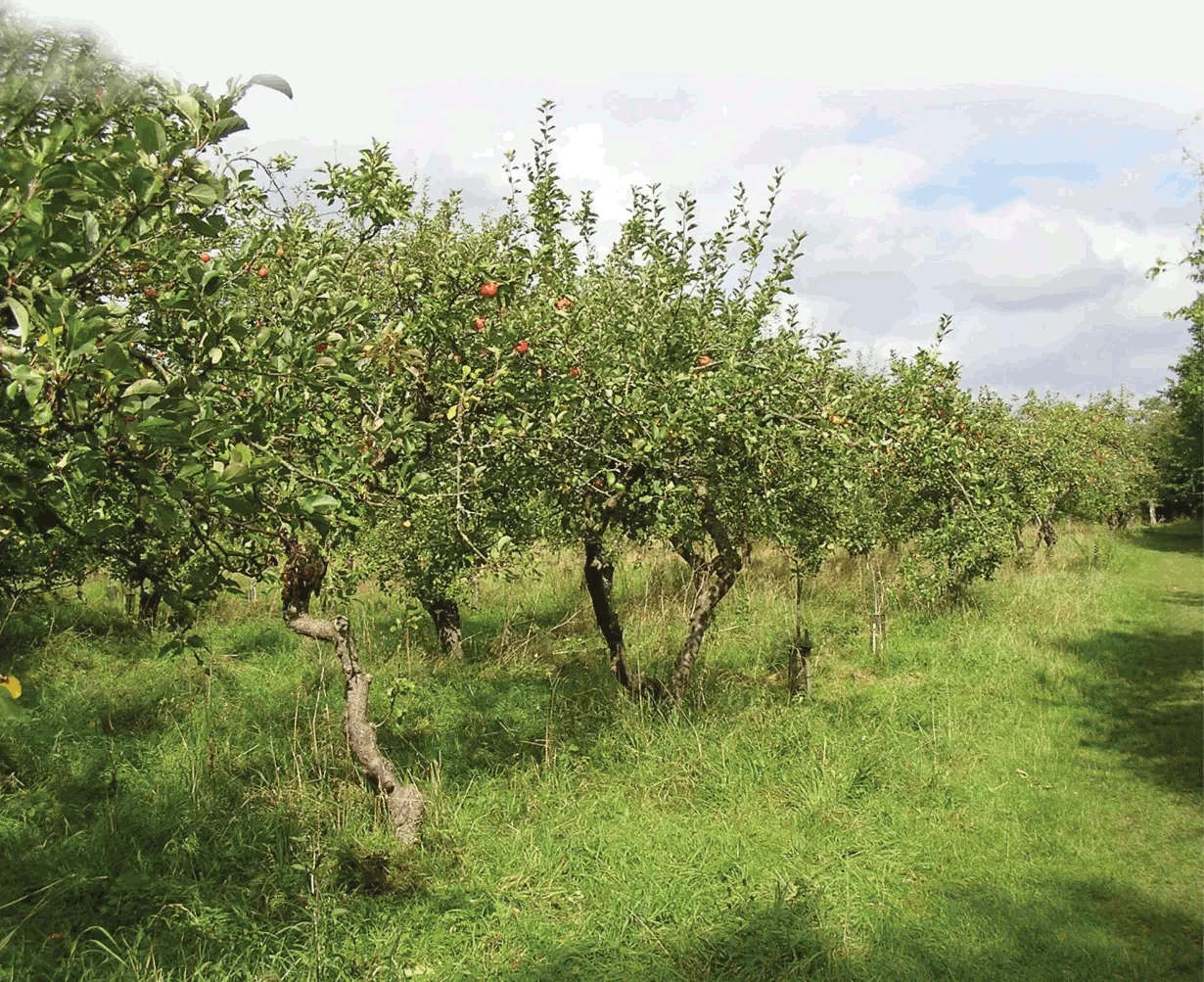
Rivers Nursery,
Sawbridgeworth,
Hertfordshire
Founded in 1735 |
- Botanical research has demonstrated that what European
colonizers described as wilderness across North America, the
Amazon Basin, and much of Sub-saharan Africa, was in many cases
a deliberately maintained food-producing landscape.
-
Forests managed across generations through selective planting,
pruning, controlled burning, and what we now call gilding.
- Not farms, not wilderness, something in between that our
vocabulary no longer has a word for.
- The deeper you
investigate the historical record, the more clearly a picture
emerges.
- These systems weren't primitive, they were
sophisticated enough to feed dense populations without the
coercive agricultural apparatus.
- Including things like
plowing, irrigation infrastructure, and seasonal labor that
appeared so suddenly in the historical record of almost every
major civilization simultaneously.
The Orchard (1890) – Arras Tapestry by William Morris |
- The question that remains is if these systems existed
and they were mature enough to sustain cities, produce
surplus, and operate without top-down management, then what
happened to them?
- And who was positioned to move into the
vacuum that their disappearance created?
- There is a
period in worldwide history concentrated most visibly between
1830 and 1890, that appears to be the window when much of this
land 'claim' took place.
- In England, the Great Park
formations, hundreds of ancient wooded estates suddenly
formalized under single family ownership and their access
routes gated.
|
King Charles I as Elon Musk |
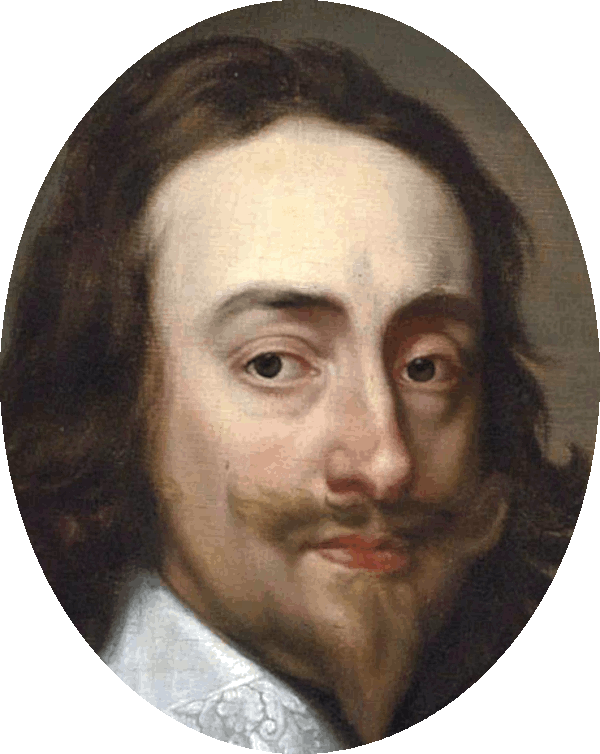 |
|
Charles Stuart
1600-1649
3/27
1/30
monarch |
Elon Reeve Musk
1971
6/28
|
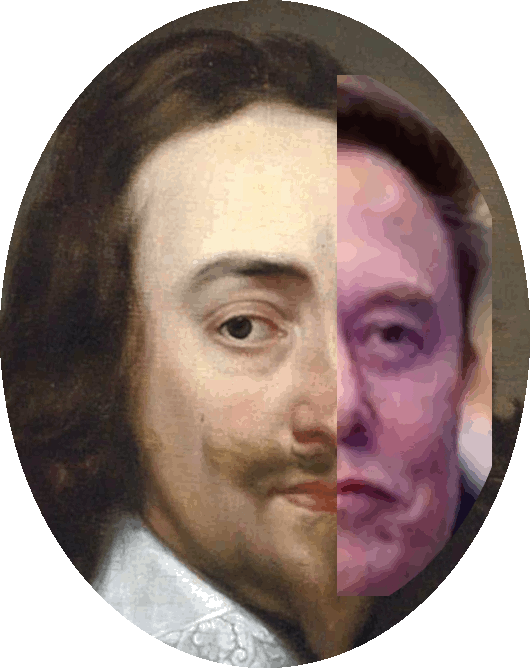 |
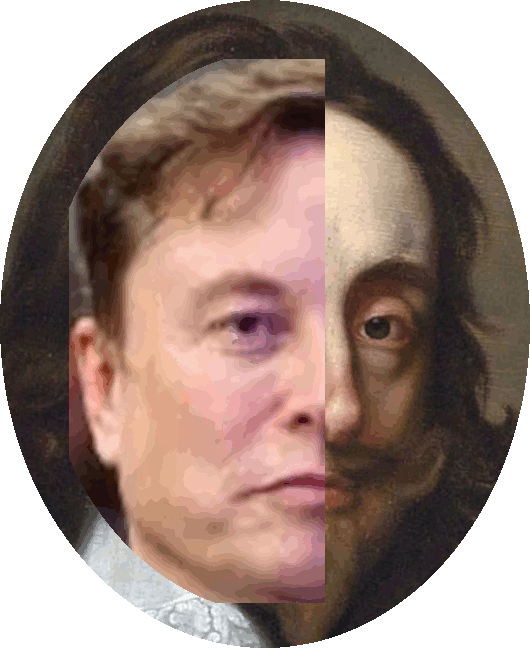 |
Crypto
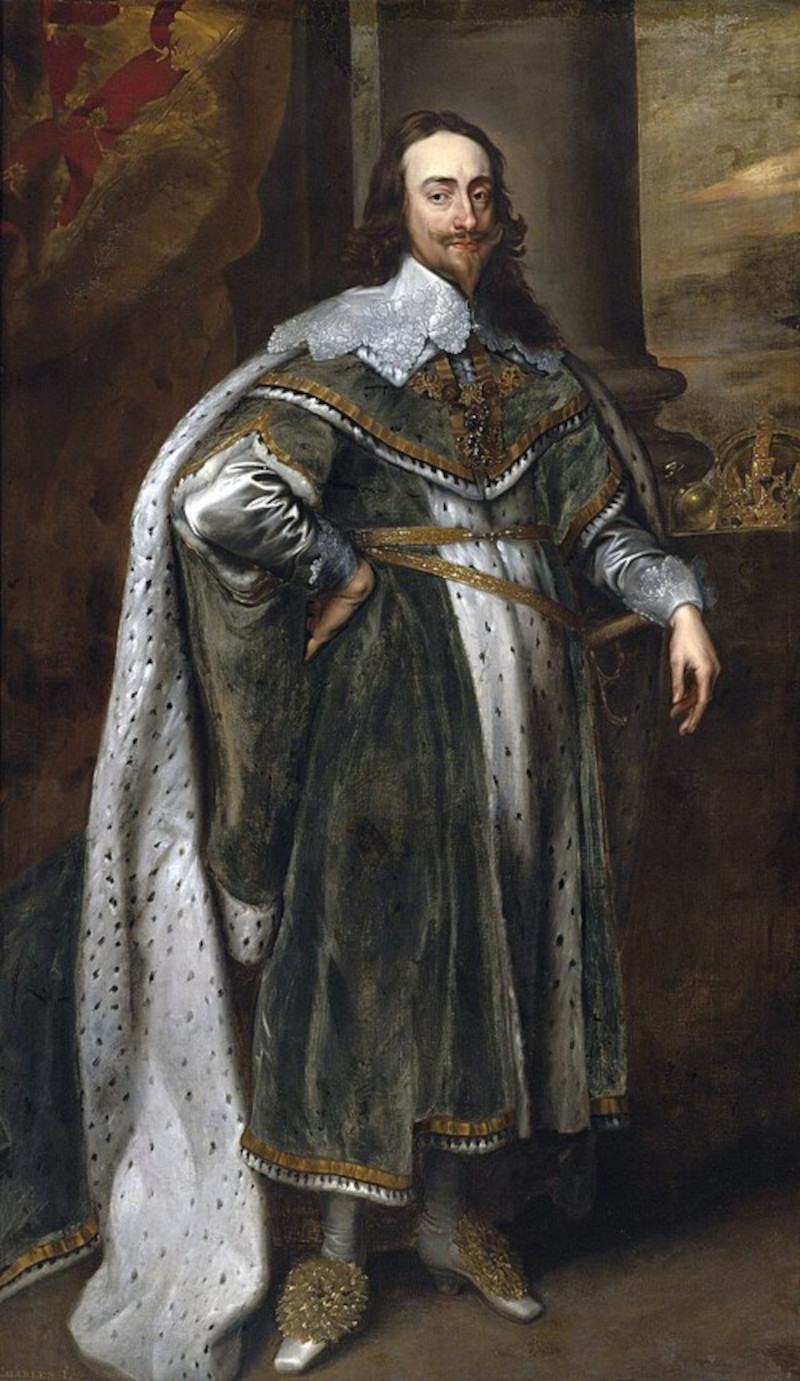
Workshop of Anthony van Dyck, Public domain, via Wikimedia Commons
King Charles I in 1636 |
- Charles I (1600-1649) was King of England, Scotland, and Ireland from March
27, 1625, until his execution in 1649.
- Charles was born into the House of Stuart as the second son of King James VI of Scotland.
- After his father inherited the English throne in 1603, he moved to England, where he spent much of the rest of his life.
- He became heir apparent to the kingdoms of England, Scotland, and Ireland in 1612 upon the death of his elder brother, Henry Frederick, Prince of Wales.
- After his accession in 1625, Charles quarrelled with the English Parliament, which sought to curb his royal prerogative.
- He believed in the divine right of kings and was determined to govern according to his own conscience.
- And we also know that fallen angel Yahweh plays 'God' in
the Old Testament.
- Many of his subjects opposed his policies, in particular the levying of taxes without Parliamentary consent, and perceived his actions as those of a tyrannical absolute monarch.
|
The divine right of kings is a political and religious doctrine. It states that a monarch gets the right to rule directly from God, not from the people or a parliament. Because of this, the king is answerable only to God for his actions. (Assistant)
|
8 Royal Parks -
England -
Established 1852 |
- Although many today are curious about royals and
their land.
- There have
been extensive searches of land records, estate maps, and the
royal park surveys.
- Hyde Park was the first, opened up by King Charles I in 1637. King Charles II invited the public into St. James's Park soon after, and by the 1800s all the parks were open to everyone.
- Londoners and visitors alike. In the Victorian age, the parks became an important public space for major events.
- At some point before the historical period we call the
19th-century, an enormous proportion of the Earth's surface
was covered in what we would today recognize as food forests,
self-sustaining, perennial, producing fruit, nut, and
medicinal yield without cultivation, labor or ownership.
-
Although in the space of what appears to be a single
generation, roughly 1820-1880, depending on the region, that
system vanished.
- And what replaced them were the 'elite'
selling us poisoned apples in grocery stores and such.
|
Charles II as Donald Trump |
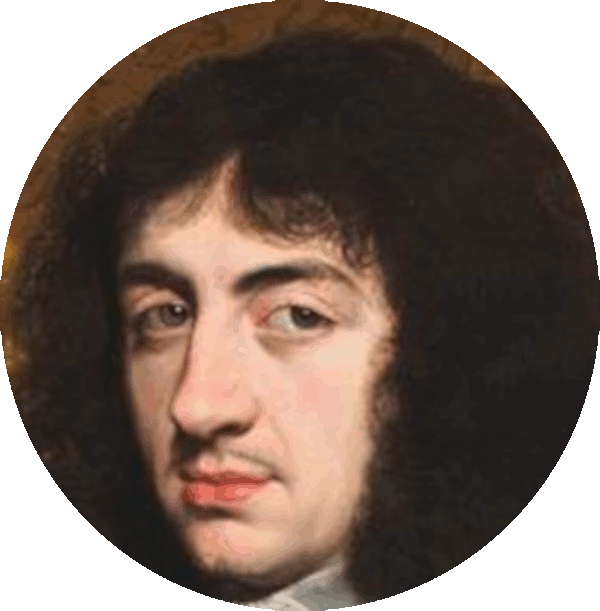 |
 |
Charles Stuart II
1630-1685
5/29 2/6 |
Donald John Trump
1946
6/14 |
 |
 |
The walls of the kingdom
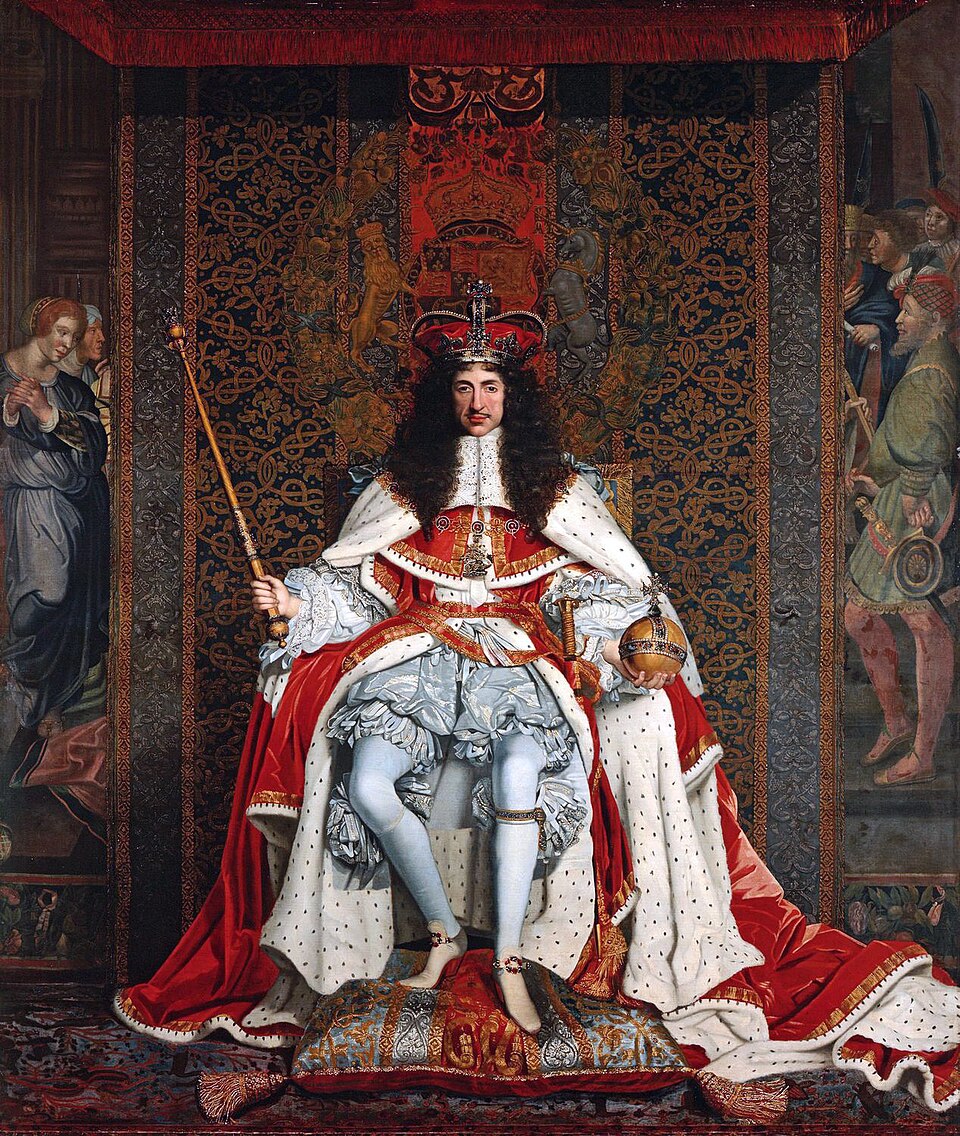
John Michael Wright, Public domain, via Wikimedia Commons
King Charles II in 1661 |
- Charles II (1630-1685) was King of Scotland from 1649 until 1651 and King of England, Scotland, and Ireland from the 1660 Restoration of the monarchy until his death in 1685.
- Charles II was the eldest surviving child of Charles I of England, Scotland and Ireland and Henrietta Maria of France.
- After Charles I's execution at Whitehall on January 30, 1649, at the climax of the English Civil War, the Parliament of Scotland proclaimed Charles II king on February
5, 1649.
- The future Queen Anne was born during the reign of her uncle King Charles II. Her father was Charles's younger brother and heir presumptive, James, whose suspected Roman Catholicism was unpopular in England.
|
King James II and VII as Trump |
 |
|
James Stuart
1633-1701
10/14 11/16 |
Donald John Trump
1946
6/14 |
 |
 |
Not so glorious
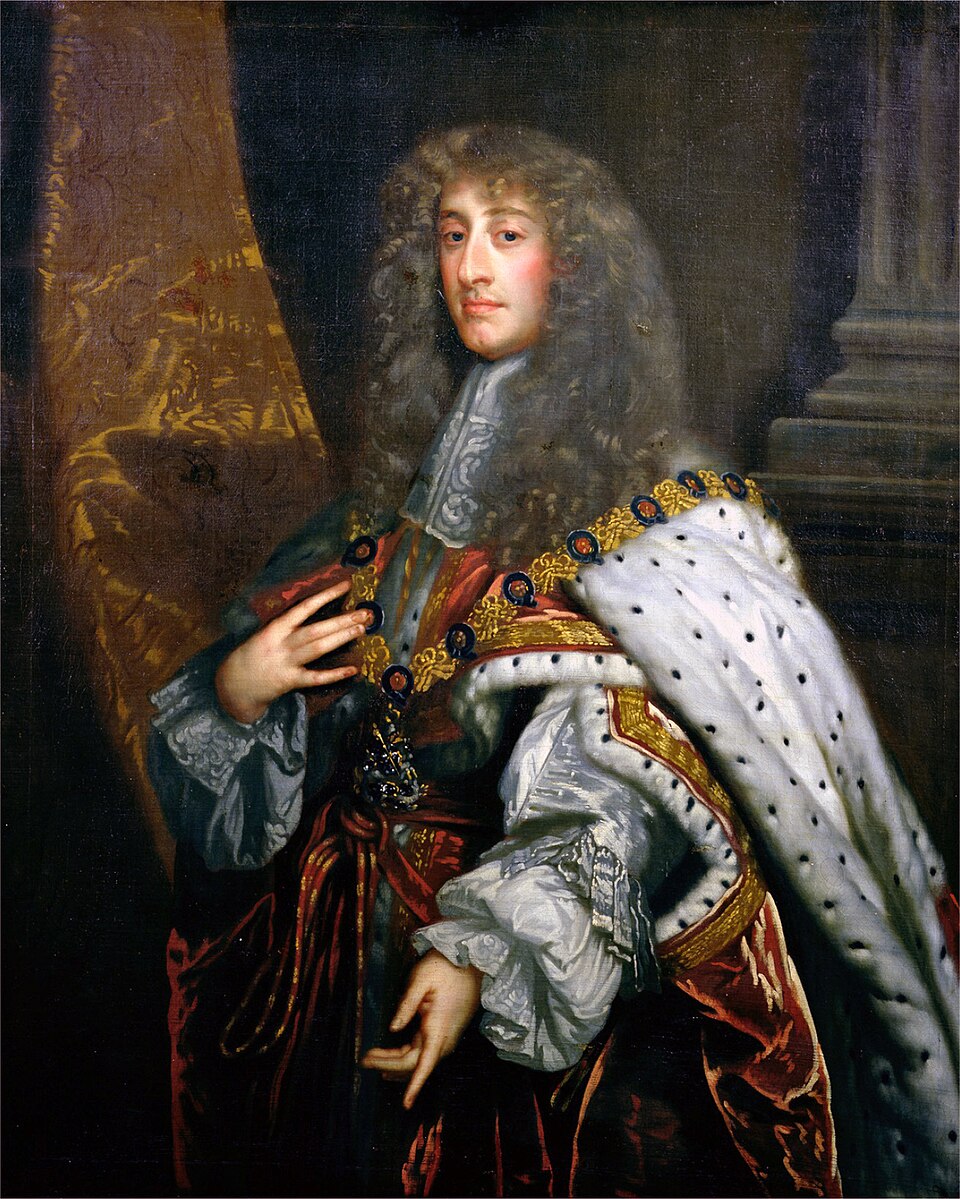
School of Peter Lely, Public domain, via
Wikimedia Commons
King James II in 1685
|
- James II and VII (1633-1701) was King of England and Ireland as James II and King of Scotland as James VII from February 1685 until he was deposed in the 1688 Glorious Revolution.
- The last Catholic monarch of England, Scotland, and Ireland, his reign was marked by conflicts over religion, absolutism and the divine right of kings; his deposition ended a century of political and civil strife by confirming the primacy of the English Parliament over the Crown
-
He was the younger brother of King Charles II and father of Queen Anne.
|
Queen Anne as Musk |
 |
|
Anne Stuart
1665-1714
2/6
8/1
monarch |
Elon Reeve Musk
1971
6/28
Chief thief |
 |
 |
A real beaut
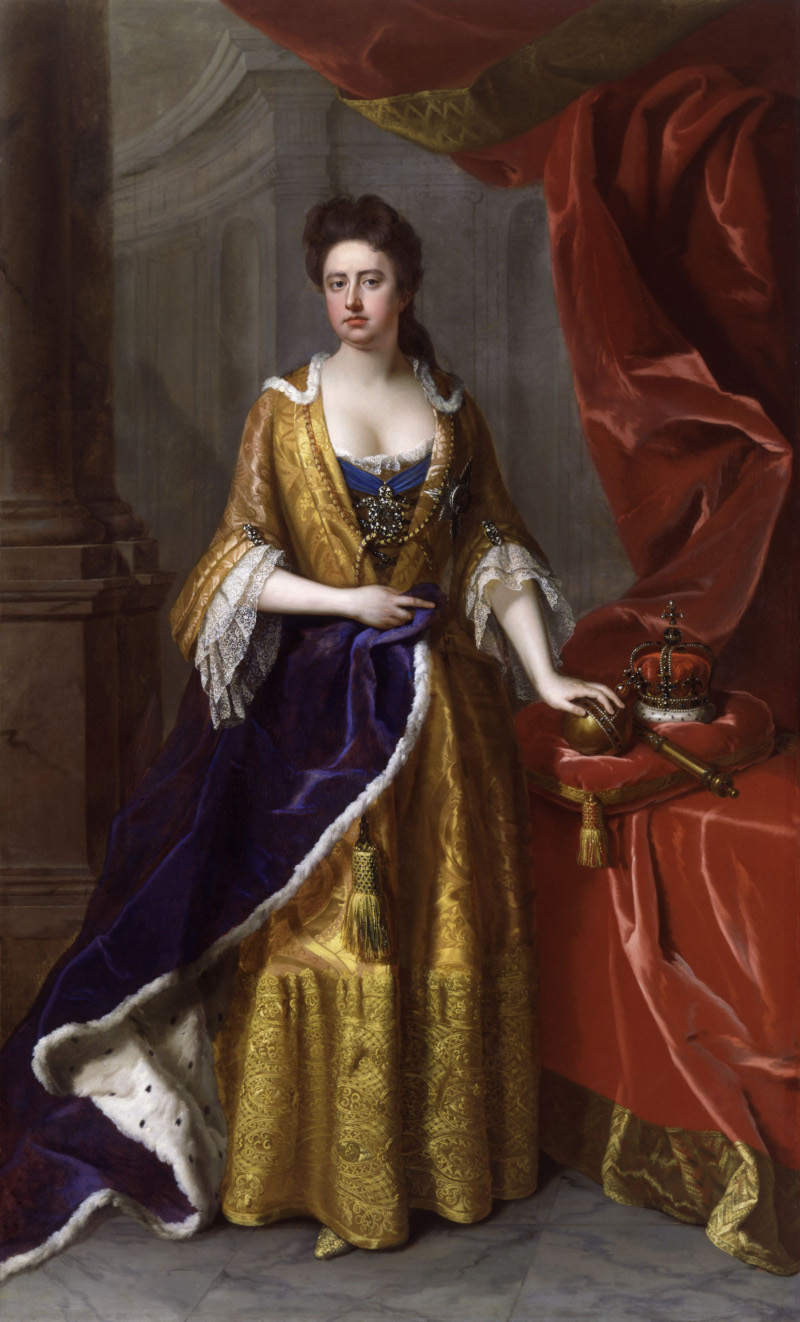
Michael Dahl, Public domain, via Wikimedia Commons
Queen Anne in 1705 |
- Anne Stuart (1665-1714) was Queen of England, Scotland, and Ireland from March
8, 1702, and Queen of Great Britain and Ireland following the ratification of the Acts of Union 1707 merging the kingdoms of England and Scotland, until her death in 1714.
- The map changed at the dinner table, the House of
Hanover demonstrates the same principle from another angle
than the Habsburgs.
- In 1714, the British crown passed
to a German prince because of succession law and religious
eligibility mattered more than national identity.
- The
people of Britain did not select a new political system,
instead, a distant genealogical relationship determined the
throne.
- The royal house changed its name from Hanover to
Windsor in 1917, 2 centuries later, while its bloodline
remained largely continuous.
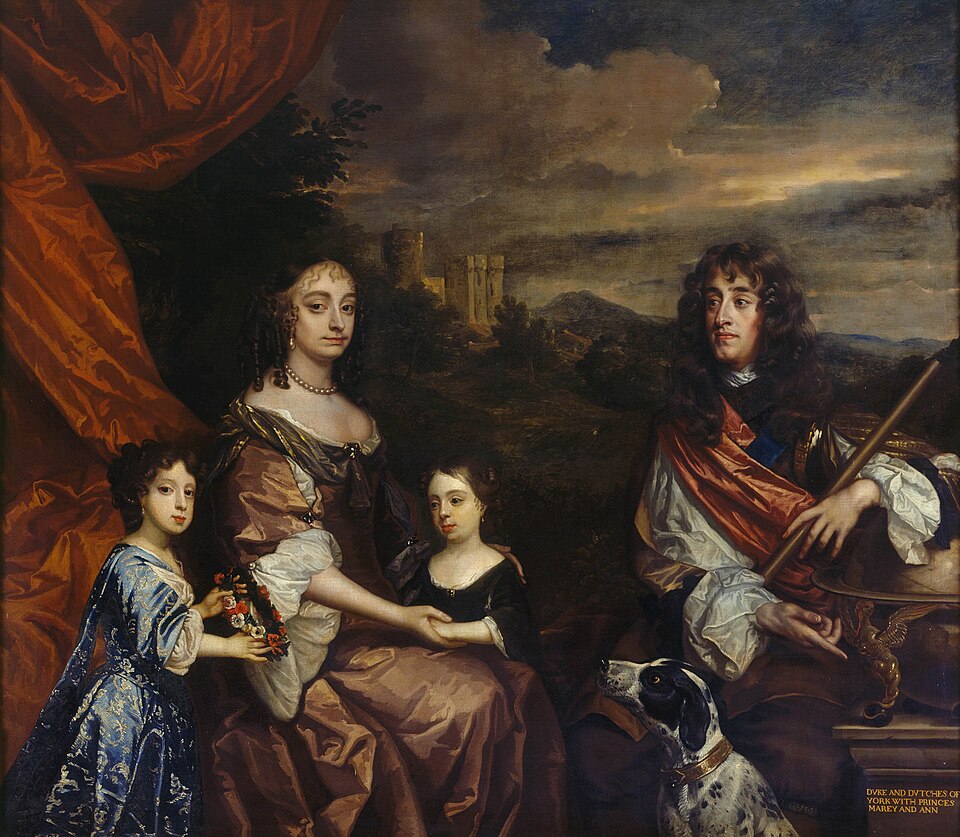
Public Domain, via
Wikimedia Commons
The Duke and
Dutchess of York
with Anne (center)
and his sister Mary
in 1668 |
- Names changed because of
political circumstances demanded it, continuity survived
because the institution required it, and this is why Tartaria
researchers focus so heavily on dynastic families.
- There
argument was not necessarily because these families possessed
wealth, but that they provided a mechanism through which
property, knowledge, influence and legitimacy could pass across
periods of apparent historical rupture.
- A revolution may
remove a flag, a marriage may preserve the estate, a war may
destroy a government and a financial arrangement may
preserve its creditors.
|
George I as Musk |
 |
|
George Louis/Ludwig
1660-1727
5/28
6/11
monarch |
Elon Reeve Musk
1971
6/28
Chief thief |
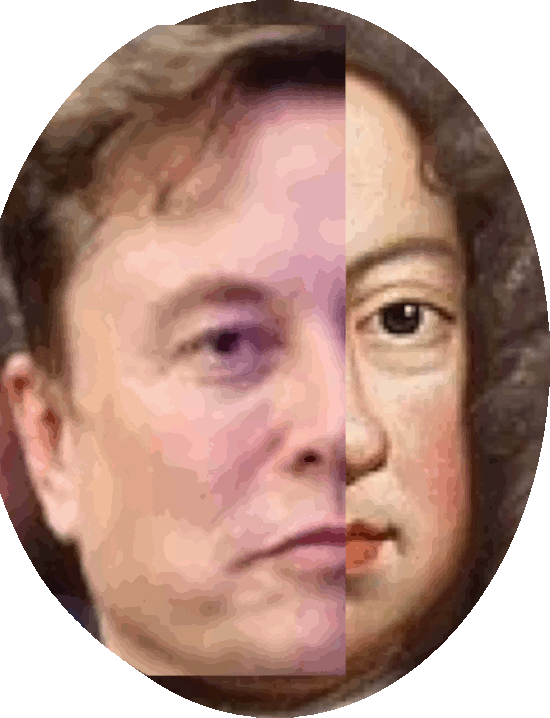 |
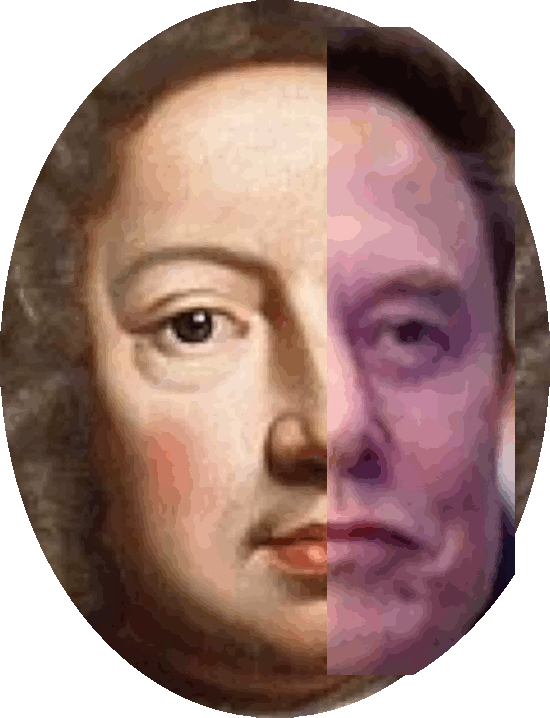 |
The eyes have it
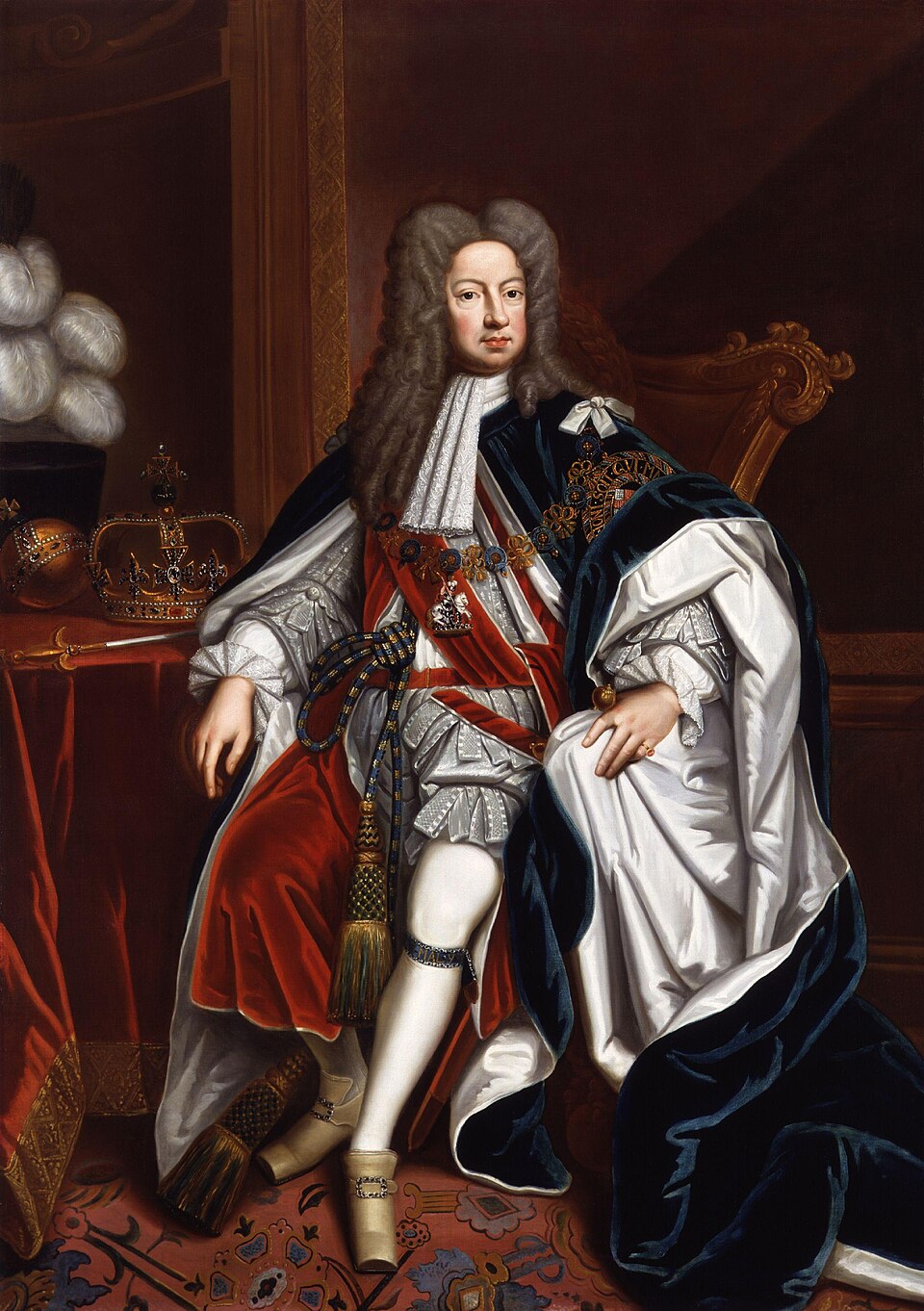
Workshop of Godfrey Kneller, Public domain, via Wikimedia Commons
King George I in 1714 |
- George I (1660-1727) was King of Great Britain and Ireland from August
1, 1714, and ruler of the Electorate of Hanover within the Holy Roman Empire from January
23, 1698, until his death in 1727.
- He was the first British monarch of the House of Hanover
and was born in Hanover to Ernest Augustus and Sophia of Hanover,
- George inherited the titles and lands of the Duchy of Brunswick-Lü from his father and uncles.
- In 1682, he married his cousin Sophia Dorothea of Celle, with whom he had
2 children; he also had 3 daughters with his mistress Melusine von der Schulenburg.
- George and Sophia Dorothea divorced in 1694.
- A succession of European wars expanded George's German domains during his lifetime; he was ratified as prince-elector of Hanover in 1708.
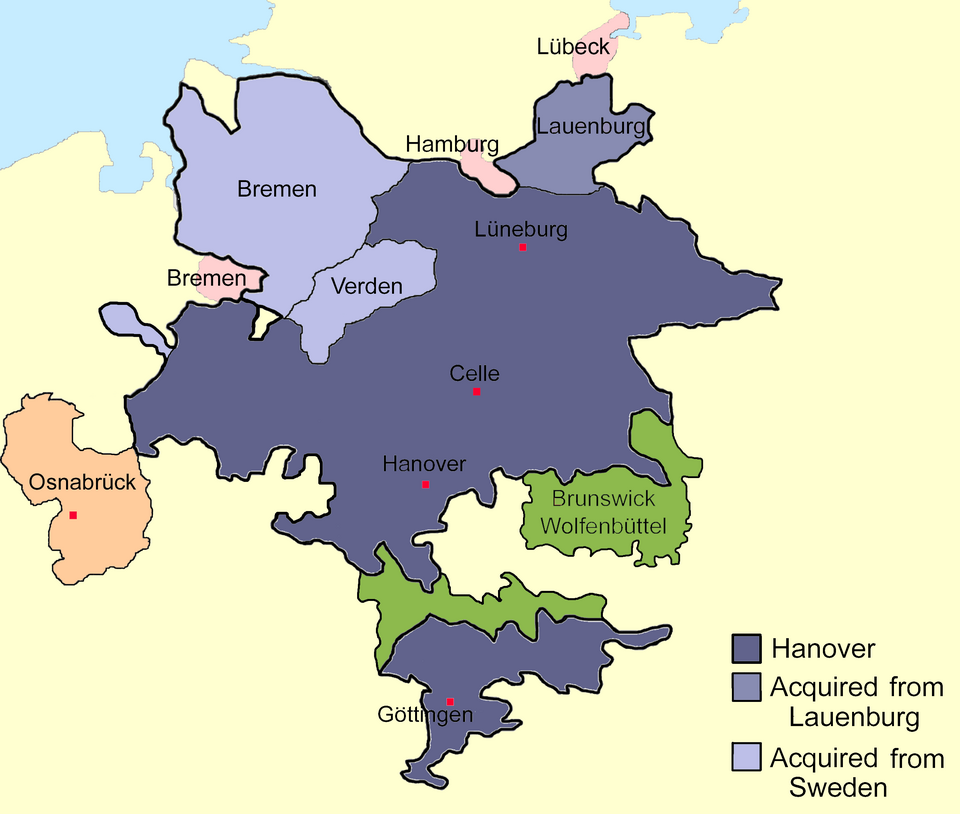
DrKay, Public domain, via Wikimedia Commons
Map of Hanover -
1720 |
- In 1714, George Louis, elector of Hanover, become King
George I of Great Britain.
-
A German prince inherited the British throne because of
dynastic succession and religious law.
- The event
reveals how misleading national labels can be when
discussing ruling families.
- A person could rule
Britain while remaining deeply connected to the German
territory.
- Because of this, a royal household could
appear nationally British while belonging genealogically
to a broader European network.
- The public saw flags
and kingdoms, the dynasty saw marriages, claims,
inheritance, and blood.
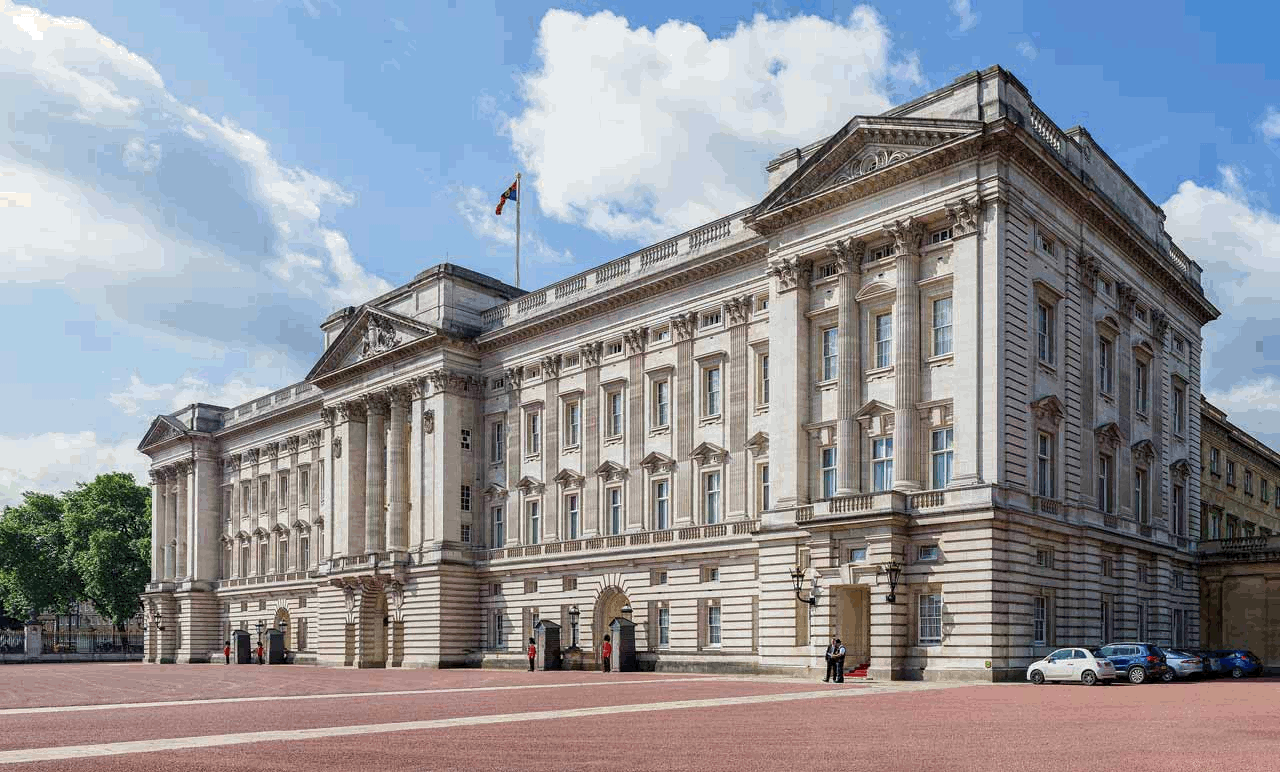
Buckingham Palace -
England - 1703 |
- This is where the story becomes
uncomfortable because the history of powerful families is
not simply a history of wealth and ceremony.
- It is
also a history of forced marriages, political
assassinations, religious conflict, private debt, colonial
expansion, resource monopolies and wars fought by millions
on behalf of decisions made by very few.
- Behind
portraits of kings and queens are prisons, behind grand
estates are enslaved tenant populations.
|
George IV as Donald Trump |
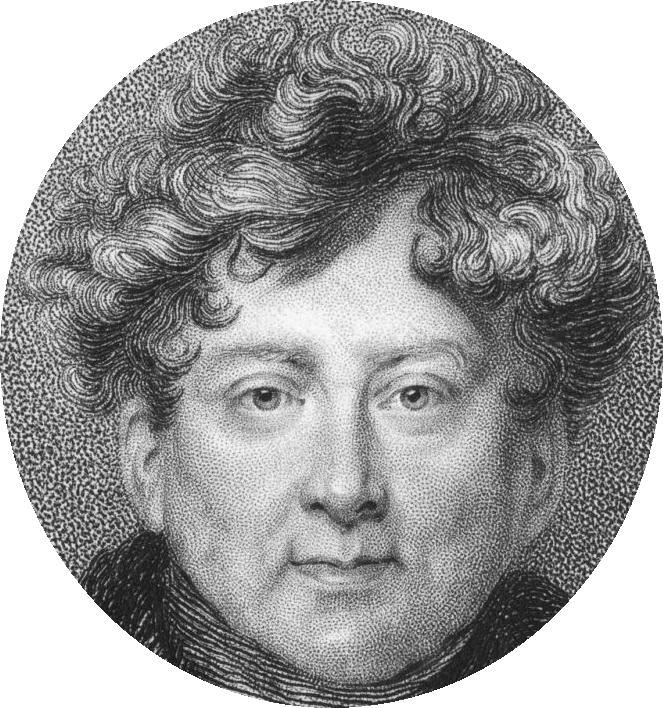 |
 |
George Augustus Frederick
1762-1830
8/12
6/26
monarch |
Donald Trump
1946
6/14
|
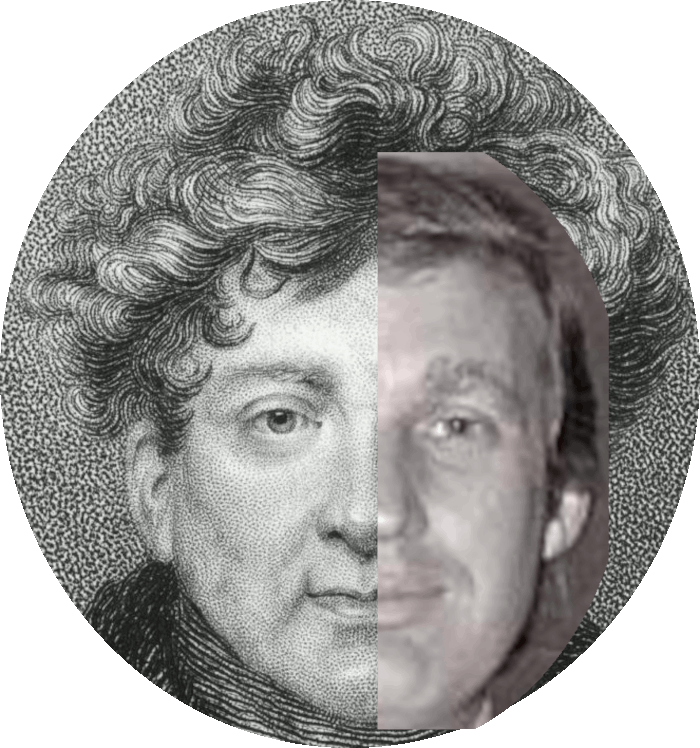 |
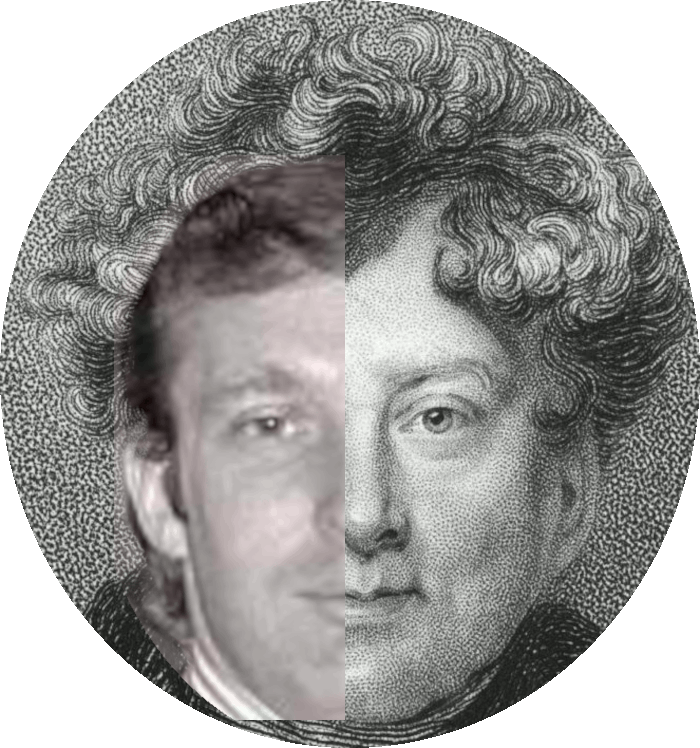 |
Many mistresses
_-_Royal_Collection_(RCIN_405918).jpg)
Thomas Lawrence, Public domain, via Wikimedia Commons
King George IV in 1821 |
- George IV (1762-1830) was King of the United Kingdom of Great Britain and Ireland and King of Hanover from January
29, 1820, until his death in 1830.
- At the time of his accession to the throne, he was acting as prince regent for his father, King George III, having done so since February
5, 1811, during his father's final mental illness.
- George IV was the eldest child of King George III and Queen Charlotte.
- Known affectionately as
'Prinny' by friends, he led an extravagant lifestyle that contributed to the fashions of the Regency era.
Alexandrina Victoria
1819-1901
5/24 1/22 |
Elon Reeve Musk
1971
6/28 |
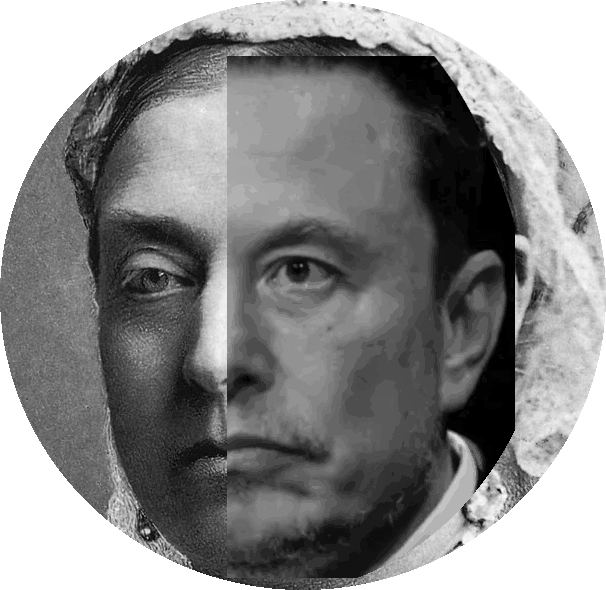 |
 |
Faggy boy
After George Hayter, Public domain, via Wikimedia Commons
Queen Victoria in 1833 |
-
Victoria (1819 -1901) was Queen of the United Kingdom of Great Britain and Ireland from June
20, 1837, until her death in 1901.
- Her reign of
63 years and 216 days (2+1+6=
9), which was longer than those of any of her predecessors, constituted the Victorian era, a period of industrial, political, scientific, and military change within the United Kingdom marked by a great expansion of the British Empire.
- In 1876, the British parliament voted to grant her the additional title of Empress of India.
Royal Family in 1846
Queen Victoria, Prince Albert and their Children |
- Behind industrial fortunes are mines, factories
and armies and behind elegant genealogical charts are
children used as diplomatic instruments.
- Some women
are sent across Europe to secure alliances and entire
populations are reorganized around dynastic ambitions.
-
Power rarely survives by remaining innocent, it survives
by adapting and if Tartaria was only an outdated map
label, then these families may have benefited from the
ordinary transformation of Eurasia (and the entire world).
British Parliament
with Big Ben - 1840 |
- They rose during the decline of older political systems
and helped build the modern states that replaced them.
- The British royal line later became the House of
Saxe-Coburg and Gotha through Queen Victoria's marriage to
Prince Albert.
- During the First World War,
anti-German sentiment made the name politically dangerous.
-
Behind the visible throne stood a growing architecture of
debt and this matters because the financial disappearance
of Tartary from common cartography occurred during the
same broad era in which modern banking, industrial
infrastructure, centralized states and imperial archives
expanded rapidly.
|
Nathan Rothschild as Elon Musk |
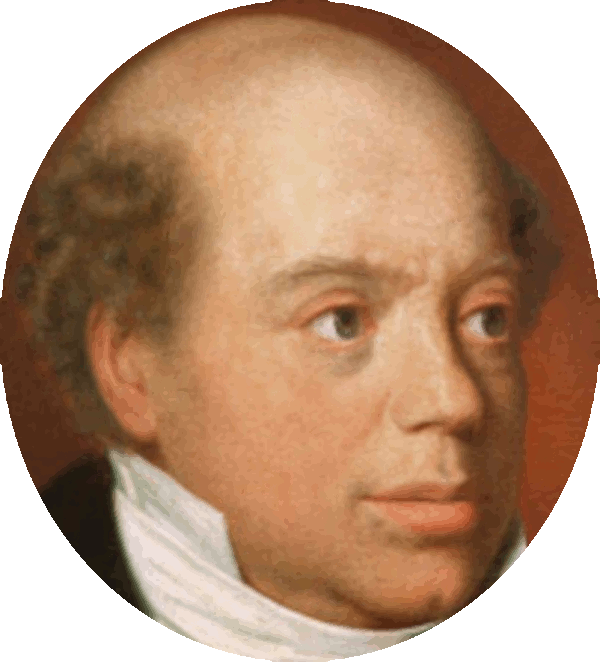 |
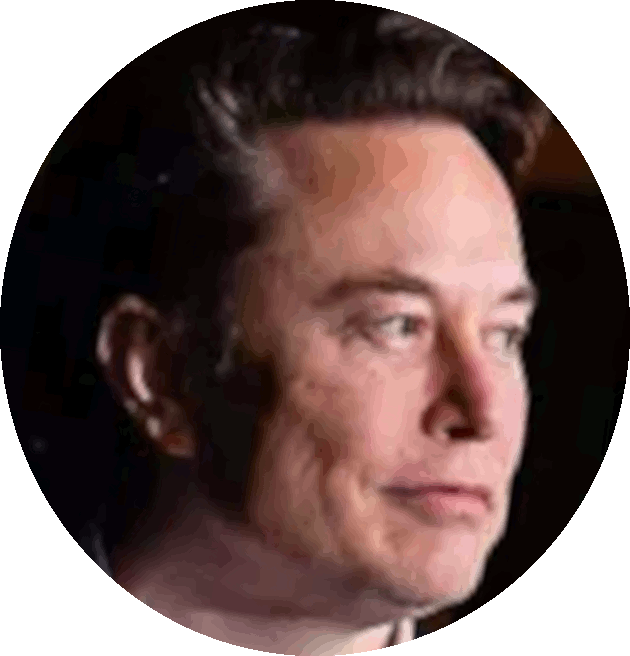 |
Nathan Mayer Rothschild
1777-1836
9/16 7/28
German-British banker,
businessman and financier
|
Elon Reeve Musk
1971
6/28
|
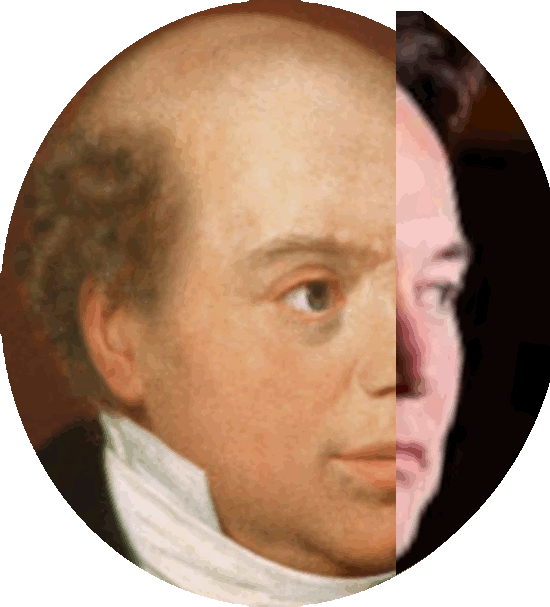 |
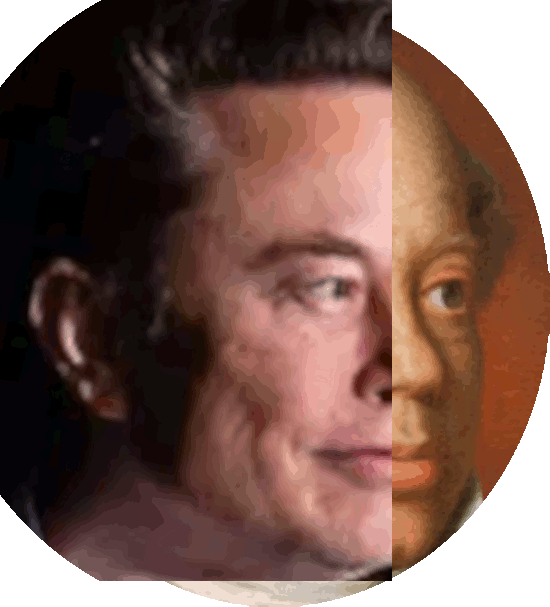 |
|
British branch |
- Nathan Mayer Rothschild (1777-1836), also known as Baron
Nathan Mayer Rothschild, was a German-British banker, businessman and financier.
- Born in Frankfurt am Main, he was the 3rd of the 5 sons of Mayer Amschel Rothschild and his wife, Guttle (née Schnapper).
- He was the founder of the British branch of the prominent Rothschild family.
- A king might own a country in
theory, but if he depended on credit, suppliers, and
international markets, his independence was limited.
- Is it a coincidence or does it make more sense now why one other
country called Germany went to Britain and took over the Parliament and had relations with Queen Victoria.
- This was Nathan Mayer Rothschild and Queen Victoria and they ended up with 9 children that didn't belong to Prince Albert.
- However, these 9 children ended up in positions of
power throughout Europe and literally, they took over all of
Europe.
|
The British branch of the family was elevated into the British nobility by Queen Victoria in 1855. Queen Victoria had initially disliked the proposal by Prime Minister William Ewart Gladstone to raise Lionel de Rothschild to the peerage. However, in 1855, Victoria raised Lionel's son, Nathan Rothschild, 1st Baron Rothschild, to the peerage; he became the first Jewish member of the House of Lords. (Wikipedia)
|
- By the 19th-century, European warfare had become
enormously expensive.
- Maintaining armies across
continents required food, uniforms, weapons, transport and
steady payment.
- Governments could no longer rely on
treasure stored in royal vaults, they needed access to
credit.
- The Rothschild banking network became
influential because it could move information and capital
across borders more efficiently than many states.
-
Family members operating in different family centers could
coordinate loans, investments, and government transactions.
- Alternative narratives often transform this documented
influence into a claim of absolute control, which it clearly
was.
- Railroads, mines, canals and military industries become
tied to investors whose interests cross national
boundaries.
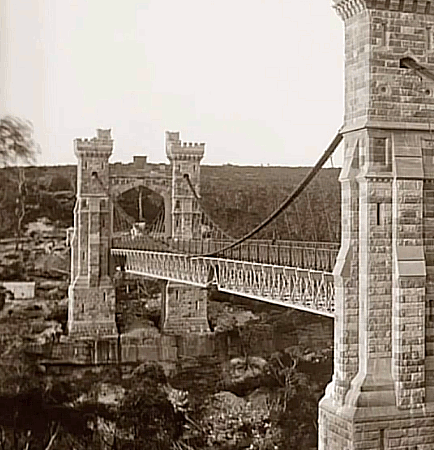
Northbridge
Suspension bridge -
Australia - 1897 |
- The cities of the 19th-century have none of that,
what they have instead is something more puzzling.
- It's
called world spanning simultaneity,
- Consider what would
have been required for the official story to be true.
-
Dozens of cities on multiple continents would have to
independently develop within the same 50-year window, the same
architectural vocabulary.
- Everything the same, the same
pillars, cornices, the same dome proportions, the same
decorative programs, all without a common educational
institution or professional organization.
- Also, without a
common government mandate and without modern communication
technology capable of transmitting detailed technical
specifications across oceans in real time.
|
Simultaneity is the quality of two or more things happening at the exact same time. In physics, particularly under Albert Einstein's Special Theory of Relativity, whether separate events are simultaneous depends on how fast the observer is moving. (Assistant)
|
|
George V as Donald Trump |
 |
 |
George Frederick Ernest Albert
1865-1936
6/3
1/20 |
Donald Trump
1946
6/14
|
 |
 |
Cousin to
Romanov
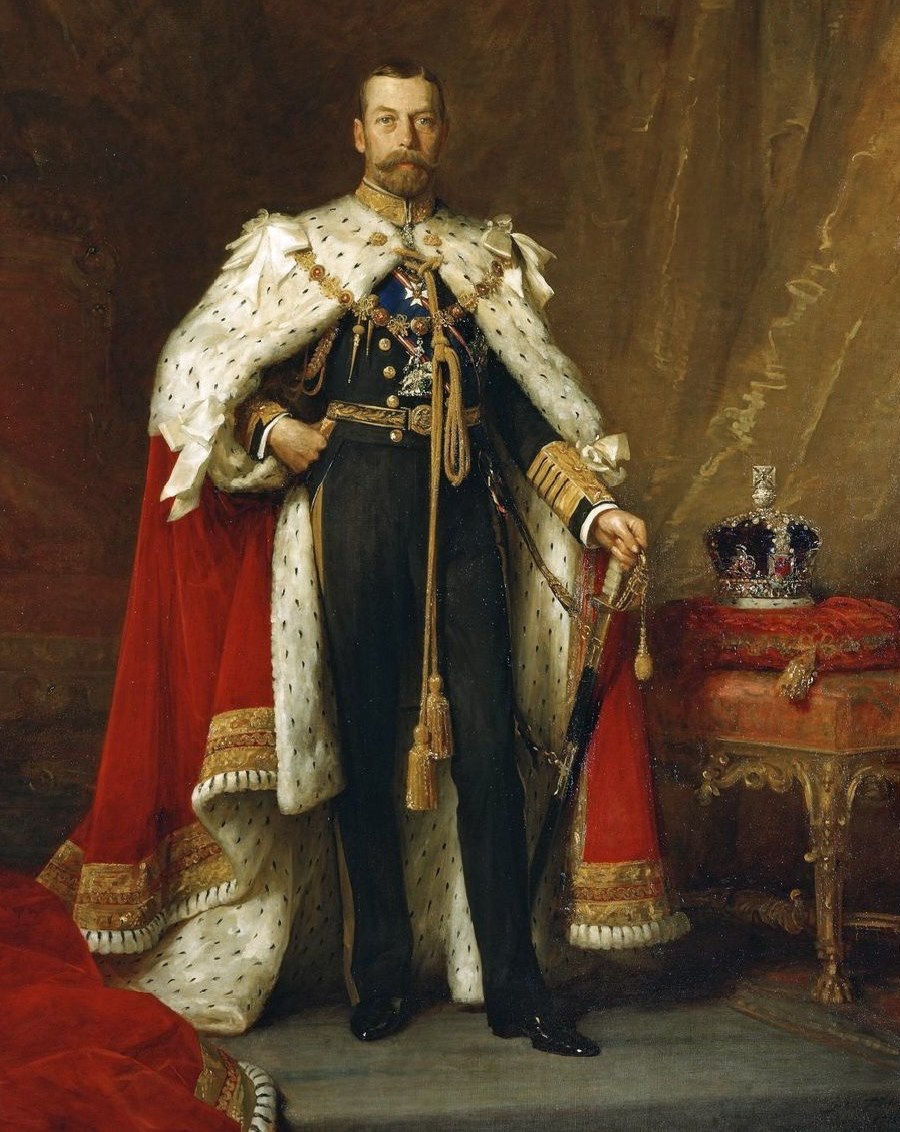
Luke Fildes, Public domain, via Wikimedia Commons
George V in 1911 |
-
George V (1865-1936) was King of the United Kingdom and the British Dominions, and Emperor of India, from May
6, 1910, until his death in 1936.
- George's reign saw the rise of socialism, communism, fascism, Irish republicanism, and the Indian independence movement.
- In 1917, George V changed the royal house's name to
Windsor and the family remained, but the label changed.
- This is not evidence of Tartarian concealment, however,
the faces sure are.
- But it demonstrates a mechanism
that hidden history researchers consider important.
-
Names can be altered without
changing the underlying continuity of power.
- A
dynasty can adopt a new national identity and an empire
can become a republic, a region can simply be redrawn and
a people can be placed under a different historical
category.
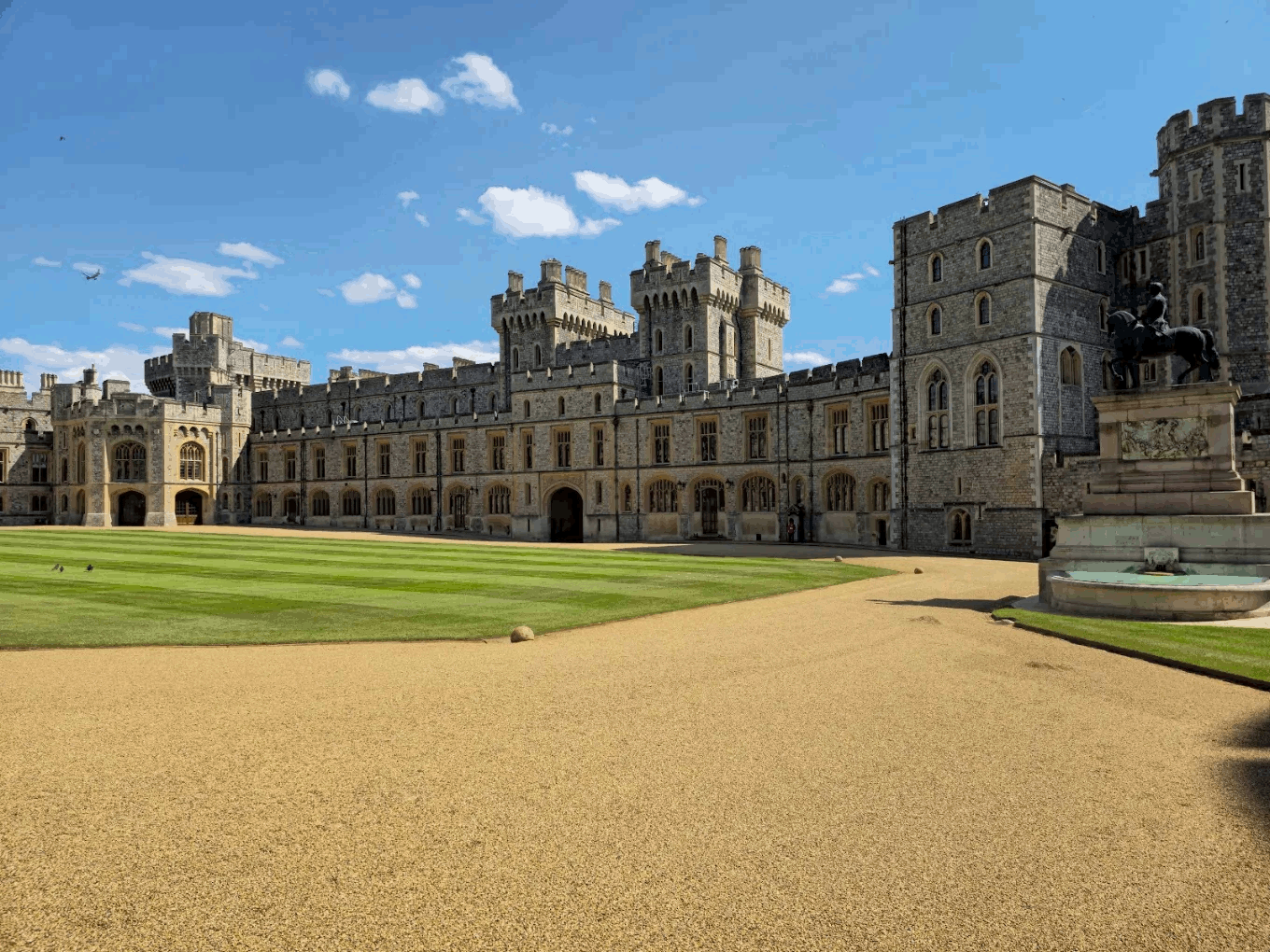
Windsor Castle -
London -
built in 1070 |
-
Windsor Castle is the oldest and largest inhabited castle in the world, spanning nearly 1,000 years of royal history.
- Key periods include its founding by William the Conqueror around 1070, its medieval expansion under Edward III, and its modern use as a primary royal residence.
- All of these developments radically changed the
political landscape of the British Empire, which itself
reached its territorial peak by the beginning of the
1920s.
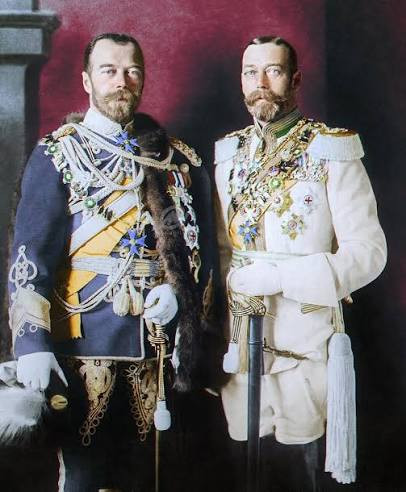
Emperor Nicholas II with his cousin, George V of the United Kingdom (right), wearing German military uniforms in Berlin before the war; 1913 |
- George V was the cousin of Russian Emperor Nicholas II,
fallen angel 'twins.'
- The truth
is not always erased with fire, sometimes it is erased
with classification.
- A mansion becomes a 19th-century
courthouse, a fortress becomes a decorative urban plan and
an ancient symbol becomes an architectural fashion.
- A civilization becomes a vague geographical
expression and a family that served one empire appears a
generation later serving another.
- In 1917,
George V betrayed Nicholas II who he had promised to
shelter when he was evicted from Russia when the 'deal'
he made with his cousin fell through.
- More than
likely because Nicholas was already in Britain.
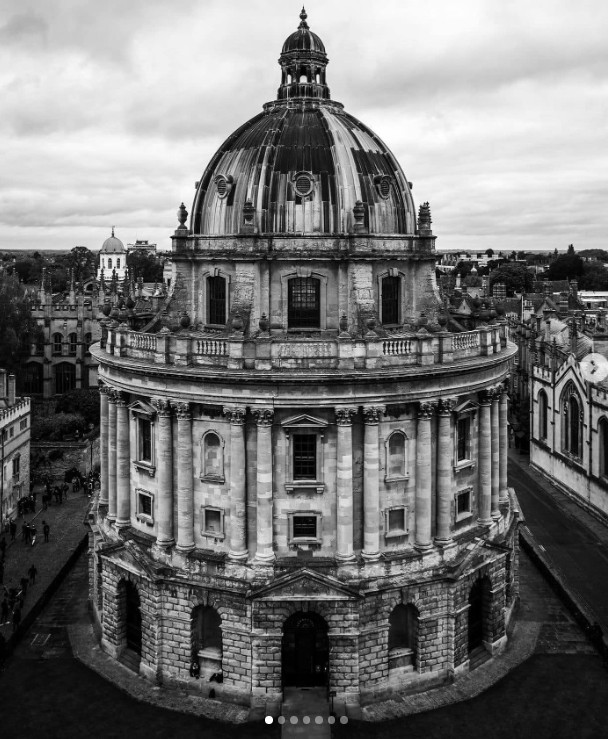
Oxford, England |
- If the alternative researchers (truth seekers) interpretation contains even a
fragment of truth, if there was a larger and more
organized civilization hidden beneath the broad term,
Tartary, then the survival of these families becomes far
more significant.
- Perhaps they did not create the new
world, perhaps they inherited it, that possibility has
become central to a growing body of hidden history
speculation.
- Researchers point to monumental
buildings allegedly constructed in remarkably short
periods.
- They examine photographs of cities that
appear strangely empty and Oxford in England is one often
cited.
- However, the 'empty city' or deserted street photos in England and globally are used by the Tartarian Empire
'conspiracy theory' to claim a past advanced civilization was erased.
- Historians and experts state this premise is false, explaining that old photos look empty due to early camera shutter speeds that could not capture moving people,
how much of their 'theory' can you believe?
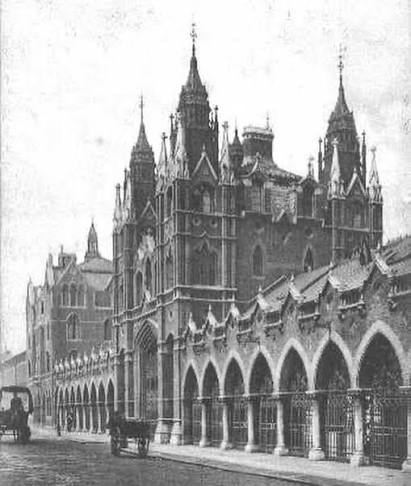
Oxford University, England
built in 1096 |
- The researchers also question enormous institutions
built for populations that supposedly did not yet exist.
- They compare star-shaped fortresses across continents
and study the demolition of world fair structures.
-
Additionally, they study the frequency of devastating urban
fires, and the rapid replacement of local histories with
standardized narratives.
- Then they follow the money
as to who financed the reconstruction and financed the
railroads?
- Who really owned the land and advised all
these monarchs and supplied governments during war.
-
Who preserved collections of ancient manuscripts and
decided which artifacts entered museums and libraries, or
which remained in private archives.
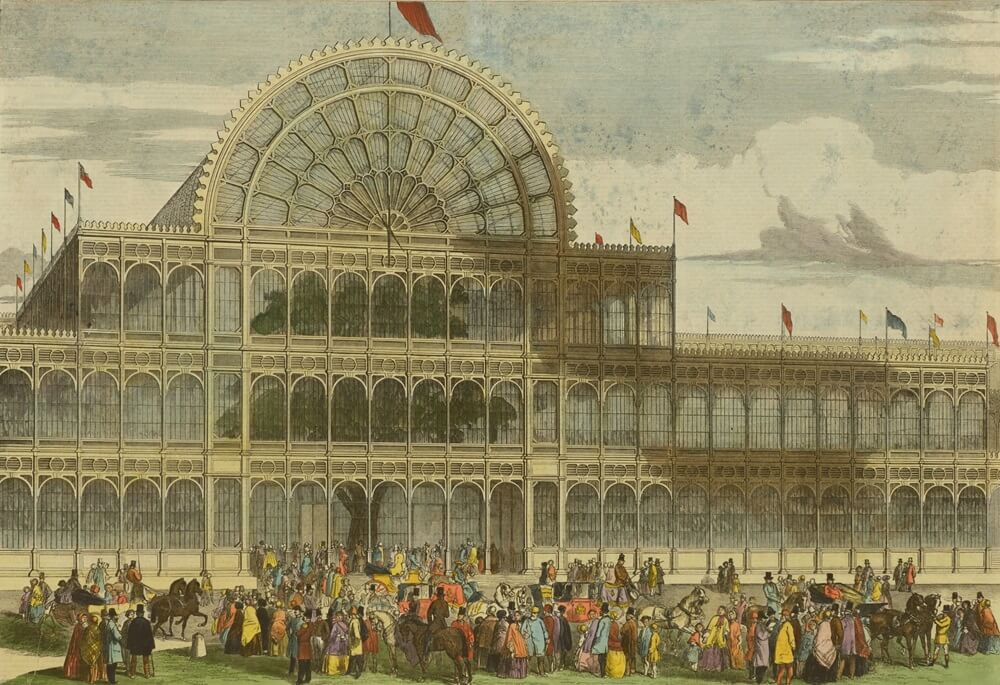
The Great Exhibition of 1851 in Hyde Park,
London |
- Again and again, the search arrives at networks of
aristocratic royal, commercial and banking families whose
influence crossed every border drawn on the map.
- But many people question this gap scattered across
the historiographical record and in the footnotes of academic
papers.
- Or in the fine print of municipal incorporation
documents and the margin notes of 19th-century land surveys.
- However, there are always the same names, recurring across
cities, continents and across what should be entirely separate
and unconnected historical processes.
- Why is it always
certain family names that appear at the founding moments of so
many major institutions and so many major cities.
-
Additionally, in charge of so many major financial structures
and so many different parts of the world at virtually the same
time.
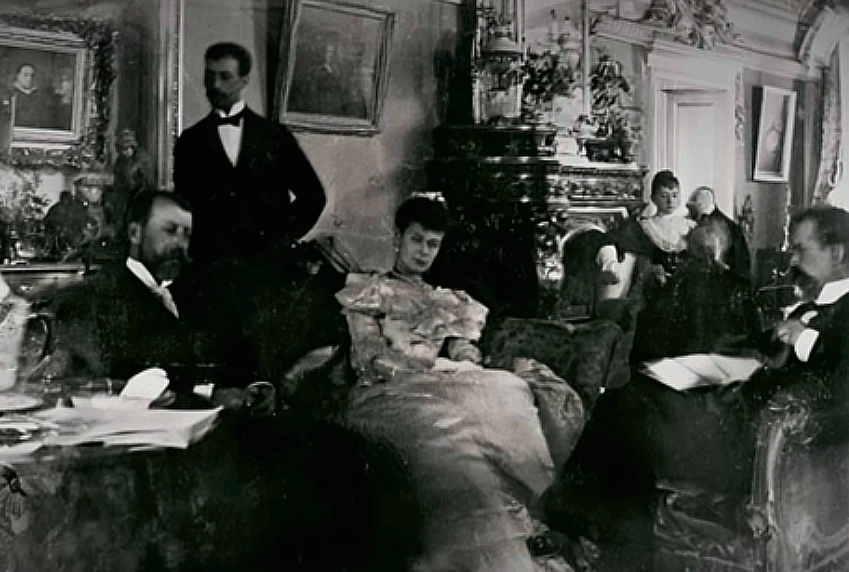
Rich families |
- This does not mean that every coincidence is evidence
because genealogical connections among European royal
houses were normal.
- Wealth naturally concentrated
within a small ruling class and banking families became
influential because governments required vast amounts of
credit.
- Architectural similarities spread through
education, trade, fashion, engineering, and empires.
-
Maps changed because geographical knowledge improved and
political borders became more precisely defined.
London |
-
These explanations can be considered reasonable, but a
reasonable explanation should resolve the mystery and it
should not require us to ignore every uncomfortable
detail.
- The deeper question is not whether one family
possessed a secret document labeled Tartaria because
history rarely provides evidence in such convenient form.
- The deeper question is whether a network of ruling
families could have benefited from the fragmentation,
renaming, and historical reclassification of a much older
world.
- Philip IV (April–June 1268 – 29 November 1314) who was called Philip the Fair (French: Philippe le Bel), was King of France from 1285 to 1314.
- By virtue of his marriage with Joan I of Navarre, he was also King of Navarre and Count of Champagne as Philip I from 1284 to 1305.
- Although Philip was known to be handsome, hence the epithet le Bel, his rigid, autocratic, imposing, and inflexible personality gained him (from friend and foe alike) other nicknames, such as the Iron King (French: le Roi de fer).
- Except he was none of those things, he was very kind and
loved his countrymen and wanted to help them and he loved
Isabella very much, she was his only daughter.
-
As king, Philip IV steadfastly created a strong monarchy in France.
- He developed a bureaucracy that allowed for firmer central control of raising revenues in the kingdom.
- His efforts, by accelerating the departure from a feudal form of government, began to modernize the French state.
-
Isabella's brother, King Louis X (1289-1316) took the throne in 1314
but he died in 1316.
- Louis was succeeded by
his brother, Philip V (1291-1322) who died in 1322.
-
Philip V was succeeded by
his brother Charles IV (1294-1328) who took the throne in 1322
and died in 1328.
-
Isabella who was Queen of England was the wife of King Edward II, and de facto regent of England from 1327 until 1330.
-
Jacques de Molay (c. 1240–1250-1314), also spelled 'Molai,' was the 23rd and last grand master of the Knights Templar, leading the order sometime before April
20, 1292, until it was dissolved by order of Pope Clement V in 1312.
- Many history books claim that Philip IV was jealous of the
Templars and wanted to steal their wealth, but that is not
true.
- The same fallen angels are ruling all these
European courts today and they wrote the history, only it's
all wrong.
-
Because the Templars had immense wealth after supposedly being
founded as a modest military monastic order.
- Napoleon Bonaparte (1769-1821), later known by his regnal name Napoleon I, was Emperor of the French from May
18, 1804, until his first abdication in 1814, with a brief restoration during the Hundred Days in 1815.
- He rose to prominence as a general during the French Revolution and led a series of military campaigns across Europe and the Middle East during the French Revolutionary and Napoleonic Wars.
- As a statesman, he implemented numerous legal and administrative reforms in France and Europe.
- Born on the island of Corsica to a family of Italian origin, Napoleon moved to mainland France in 1779 and was commissioned as an officer in the French Royal Army in 1785.
- In France, the reorganization of the forêt
(National Forest), which absorbed enormous tracks of
previously owned unregistered productive woodland under a
central registry in the decades following the Napoleonic
administrative reforms.
- Bonaparte integrated public spaces, botanical networks, and large- зеленые (green) landscapes into his centralized administrative reforms.
- He utilized a top-down bureaucratic approach to design massive public parks, drain marshlands for public health, and establish departmental tree nurseries linked directly to Parisian scientific institutions.
- Local territories were overseen by state-appointed prefects who managed public works and regional infrastructure.
- Law for Reorganizing the Administrative System
February 17, 1800.