|
PAST LIVES - TUDOR WIVES - CATHERINE PARR - PAGE 6

Morning glory |
- Catherine Parr (1512-1548) is now best remembered for being the
6th and final wife of King Henry VIII.
- She was the fortunate wife who survived him, narrowly escaping divorce or execution,
although he did make moves to arrest her for treason.
- They were married for just under 4 years during which time
Catherine was nothing more than a nursemaid managing the old
goat's pain and disability.
- A time which also included
his rages, his paranoia and mental instability.
- The wedding
took place on July 4, 1543, when Catherine was 30 and the union was cut short by
Henry's death on January 28, 1547.
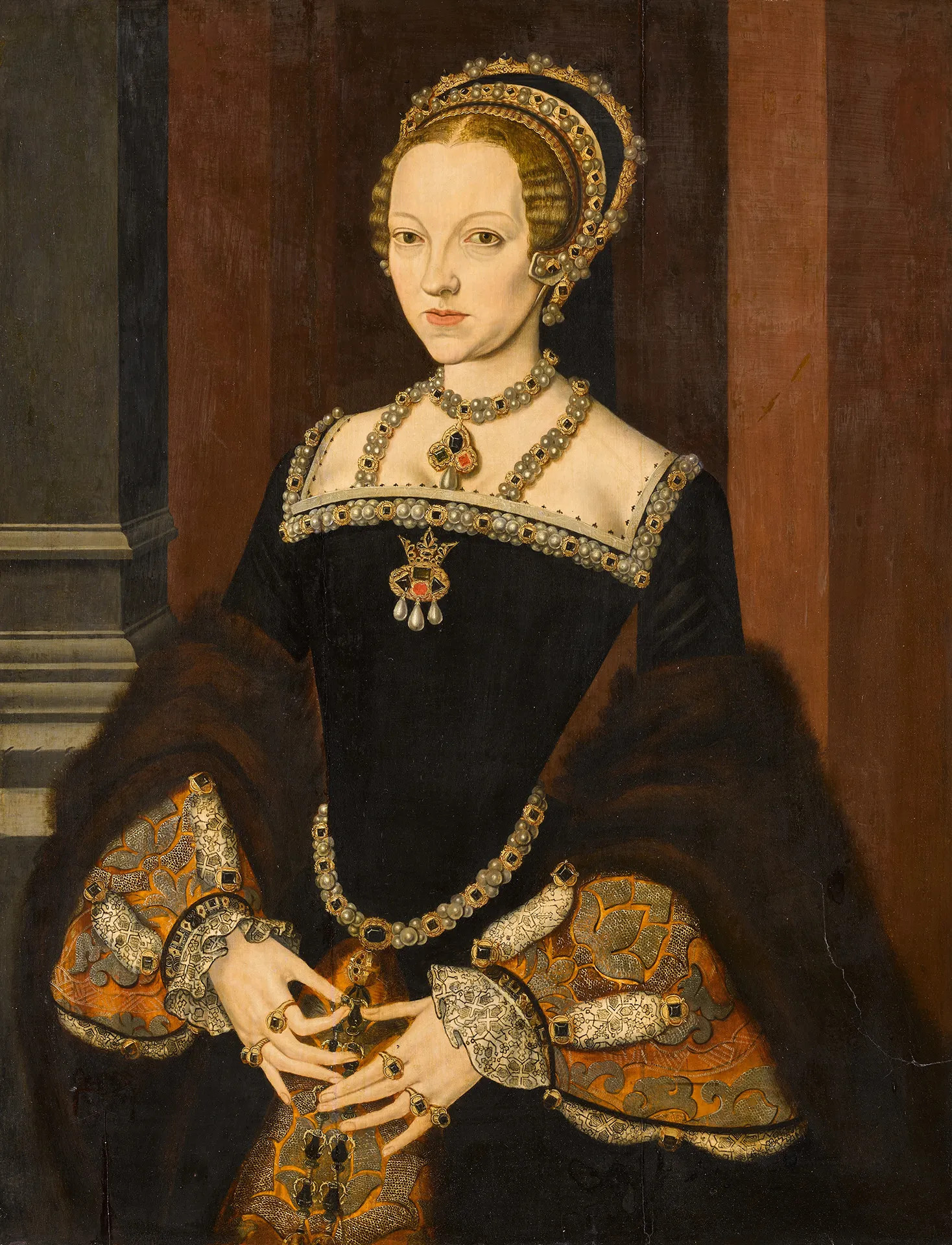
Public Domain, via Wikimedia Commons
Catherine Parr - 1545 |
- Catherine Parr (c.1512-1548) was Queen of England and
Ireland as the last of the 6 wives of King Henry VIII from
their marriage until Henry's death.
- She was the final queen consort of the House of Tudor, and outlived Henry by a year and
8 months.
- Catherine was born sometime in late summer or
early autumn of 1512, the exact date is unknown.
- She was the eldest child of Sir Thomas Parr
(1478-1517), lord of the manor of Kendal in Westmorland (now in Cumbria), and Maud Green
(1492-1631), daughter and co-heiress of Sir Thomas Green, lord of Greens Norton, Northamptonshire, and Joan Fogge.

Public Domain, via Wikimedia Commons
Town of
Kendal |
- The Parr family had risen in the ranks, the same as
the Boleyn family, as the result of several generations of
royal patronage and advantageous marriages.
- Her father was knighted by Henry VIII and was a descendant of King Edward III, and the Parr's were a substantial northern family,
quite wealthy, which included many knights, but they were
classified as gentry, not nobility.
- Both her parents
served in the court of Henry VIII and her mother was a
lady-in-waiting for Queen Catherine of Aragon.
- The family
divided their time between their Kendal Manor and a townhome
in London at Blackfriar.
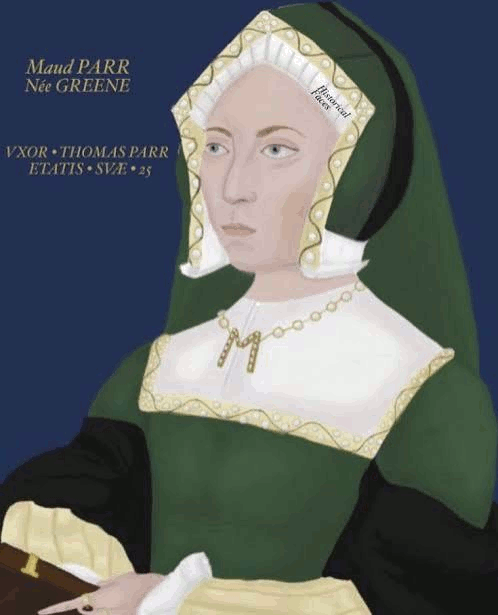
Public Domain, via Wikimedia Commons
Maud
Green Parr |
- When Thomas Parr died in 1517, he left his family with
an estate that allowed her mother to spend considerable time
raising and educating her children.
- Because of this, and
the fact their mother was so progressive, both Catherine and
his sister Anne, received the same rigorous education as their
brother William Parr.
- All 3 Parr siblings were instructed
in history as well as French, Italian, and Latin and the
daughters also had dance and music.
- The Parr household
developed such a reputation for scholarship and learning that
the parents of other noble and gentry families often appealed
to Maud to take in their children for instruction.
|
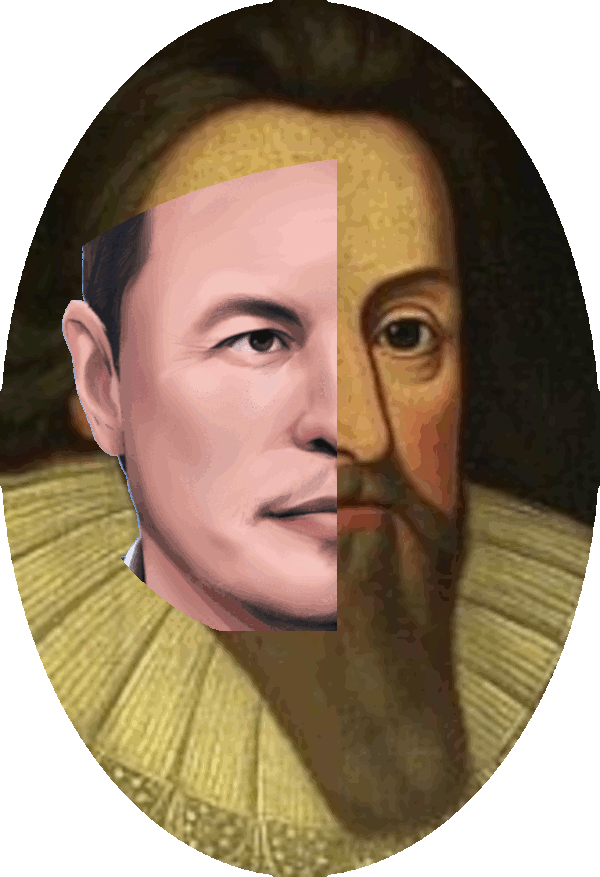
William Parr as Elon Musk |
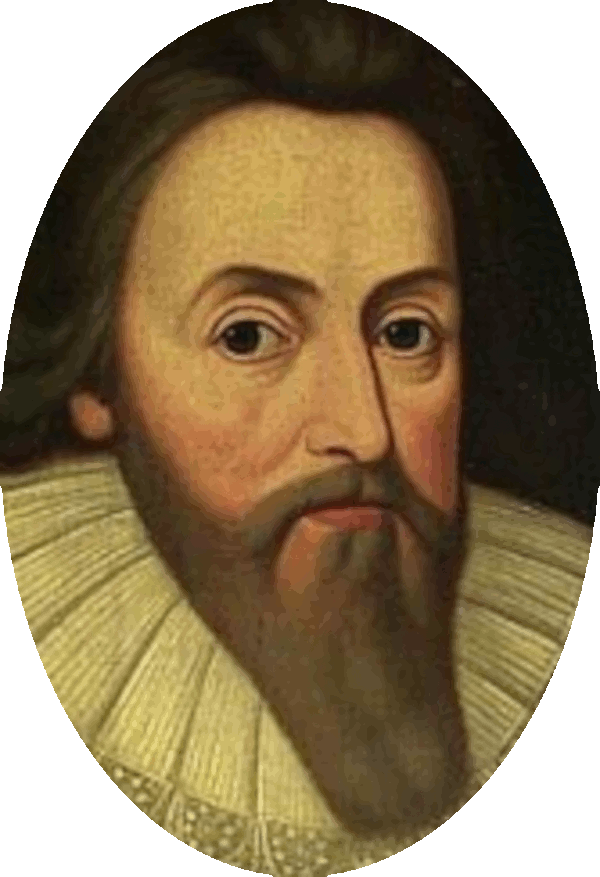 |
 |
William Parr
1513-1571
8/14
10/28
Marquess of Northampton
|
Elon Reeve Musk
1971
6/28
Satan
from Alpha Centauri |
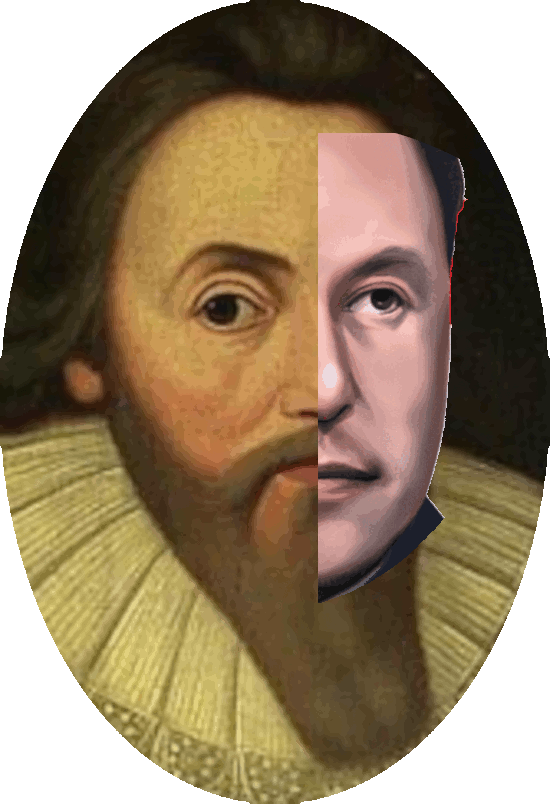 |
 |
|
Honest uncle |
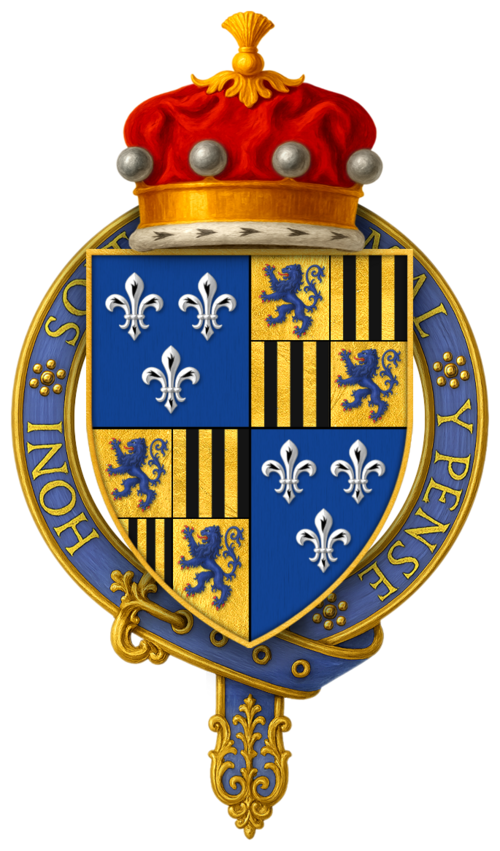
- William Parr, Marquess of Northampton (1513-1571), was the only brother of
Catherine Parr, King Henry VIIIs last wife.
- He was a 'sincere, plain, direct man, not crafty nor involved,' whose
'delight was music and poetry and his exercise war' who
co-authored a treatise on hare coursing.
- He was in favor
with Henry VIII and his son Edward VI, under whom he was
the leader of the Protestant party, but having supported the desire of the latter to be succeeded by the Protestant Lady Jane Grey, was attainted,
condemned, by Edward's Catholic half-sister, Queen Mary I.
- He was restored by her Protestant half-sister, Queen Elizabeth I.
Public Domain, via Wikimedia Commons
Burgh
Coat of Arms |
- Like all women in that period, Maud Parr wasn't raising
her daughters to be Tudor queens, but for noble marriages and
to oversee an estate and arranging the best possible marriages
for her children.
- When Catherine was 17, her mother
arranged for her marriage to Edward Burgh.
- They married around May 1529, when Catherine was approximately 17 years old and Edward was in his early
20s.
- He was the eldest son of Sir Thomas Burgh (later 1st Baron Burgh of Gainsborough) and the grandson of Edward Burgh, 2nd Baron Burgh.
- The couple moved away from Edward's family home and his
abusive father.
- The marriage lasted about 4 years, ending when Edward died in the spring of 1533, leaving Catherine a widow at age 21
with no children.
|
John Neville as Elon Musk |
 |
 |
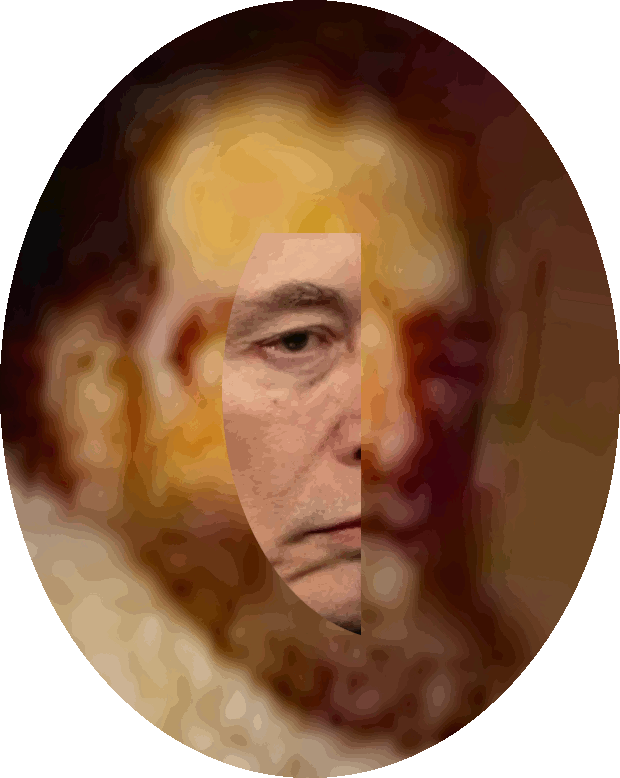
John Neville
1493-1543
11/17
3/2
3rd Baron Latimer |
Elon Reeve Musk
1971
6/28
Satan
from Alpha Centauri |
 |
 |
|
Peer |
- John Neville, 3rd Baron Latimer (1493-1543)
was an English peer.
- A year after Edward Burgh died, Catherine married
Neville, a man more than twice her
age.
- The Neville family was one of the oldest and most powerful in the North, with a long-standing tradition of military service and a reputation for seeking power at the cost of the loyalty to the crown.
- Catherine may have met him when visiting a mutual
relative, Dowager Duchess of Strickland, Catherine
Neville.
- Her mother, Maud Parr, had died, so this
marriage may have been largely her own choice and it was a
prestigious marriage because she was only the 2nd member
of her family to marry into British peerage.

Northern England |
- She was a loving stepmother to his 2 children, but
she had no children with Neville.
- The two faced
challenges together during the 1537 Pilgrimage of Grace,
an uprising against Henry VIIIs abolition of the
monasteries, which Neville participated in.
- Lord
Latimer (Neville) thoroughly disproved of Henry VIIIs
divorce from his first wife, Catherine of Aragon.
-
During which time, the rebels held Catherine Parr and
Neville's two children prisoner in their own home.
-
When the pilgrimage ended, the couple began to spend more
time near London and Henry VIIIs court and it appears that
Catherine may have formed more Protestant views by then
and she formed a warm and friendly relationship with Lady
Mary Tudor (1516-1558) during this time..
Public Domain, via Wikimedia Commons
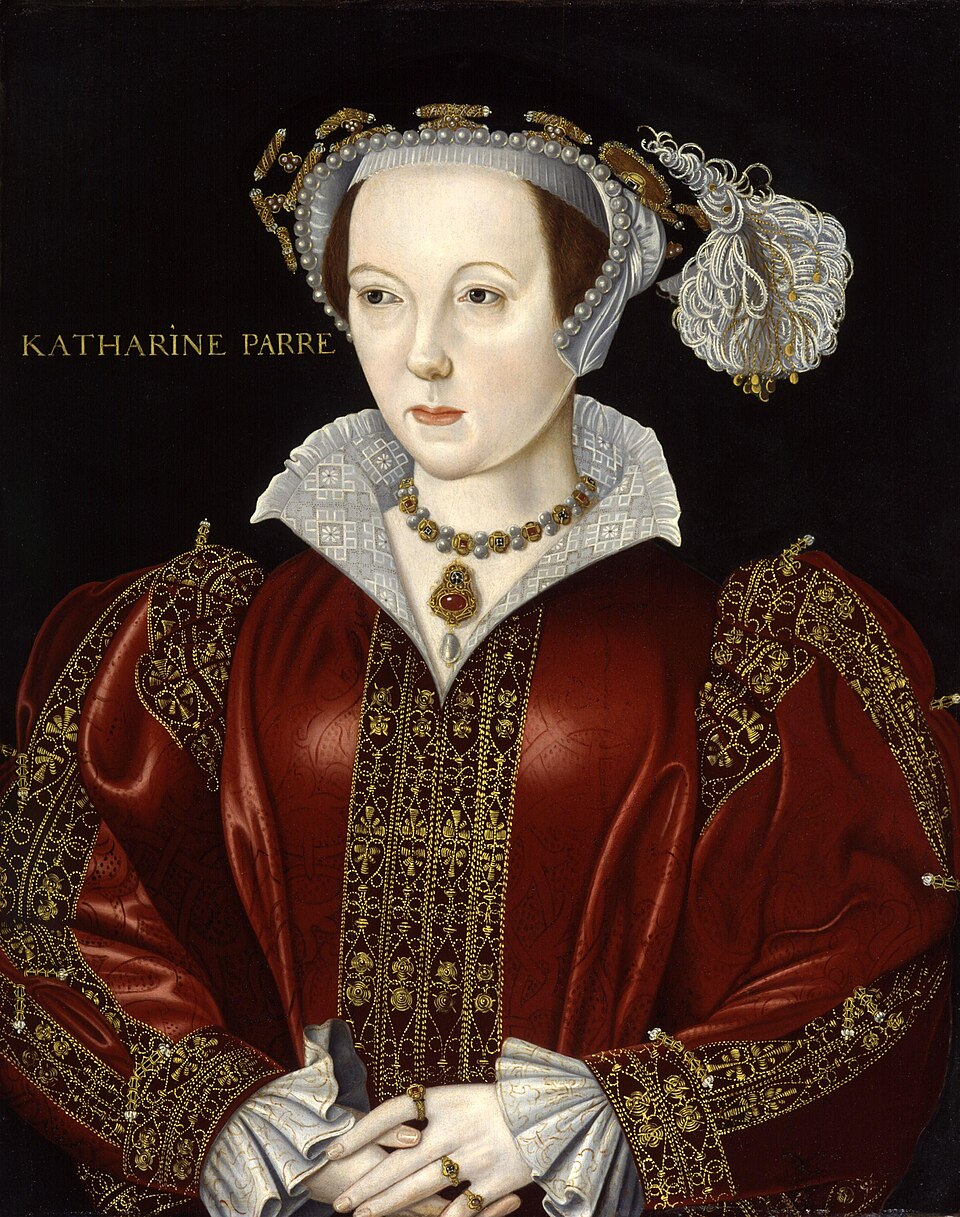
Catherine Parr - 1545 |
- It was during their time in London in 1542 that
Catherine Parr first met Sir Thomas Seymour (1508-1549),
brother of Queen Jane Seymour (1511/12-1537).
-
It was generally known that Lord Latimer was in ill health
and would die soon. leaving Catherine a very rich widow,
and that may have been an interest to Thomas Seymour.
-
Seymour was very handsome and charming, but also highly
ambitious and often unscrupulous in pursuing his goals.
- How much Seymour truly cared for Catherine is unclear, but
she clearly fell for him as a surviving letter to him
claims and she let him know she had fallen in love with
him and wanted to marry.
|
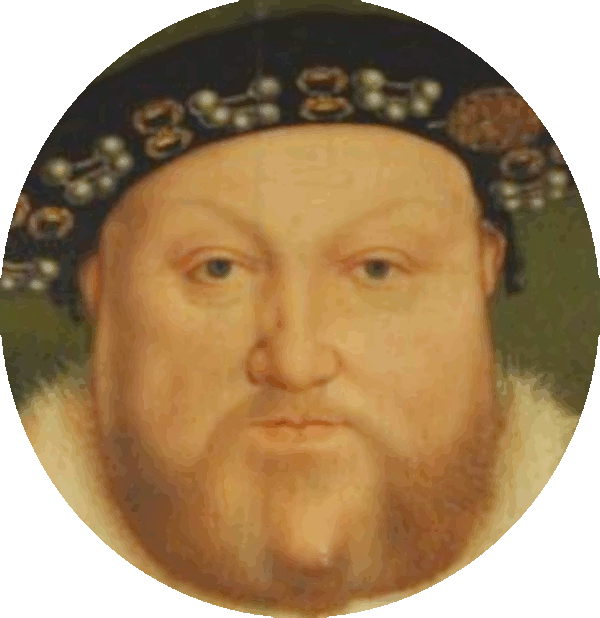
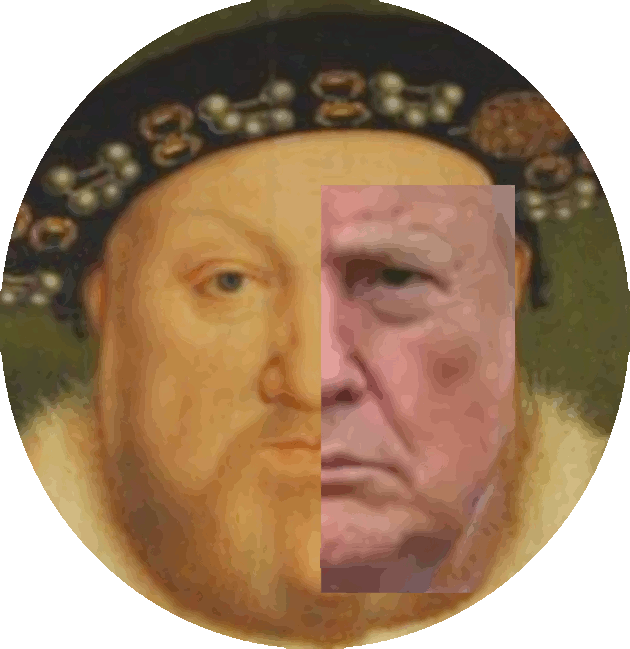
Henry VIII as Donald Trump |
 |
 |
Henry Tudor
1491-1547
6/28
1/28
King of England
|
Donald John Trump
1946
6/14
Lucifer's clone from Omega Centauri |
 |
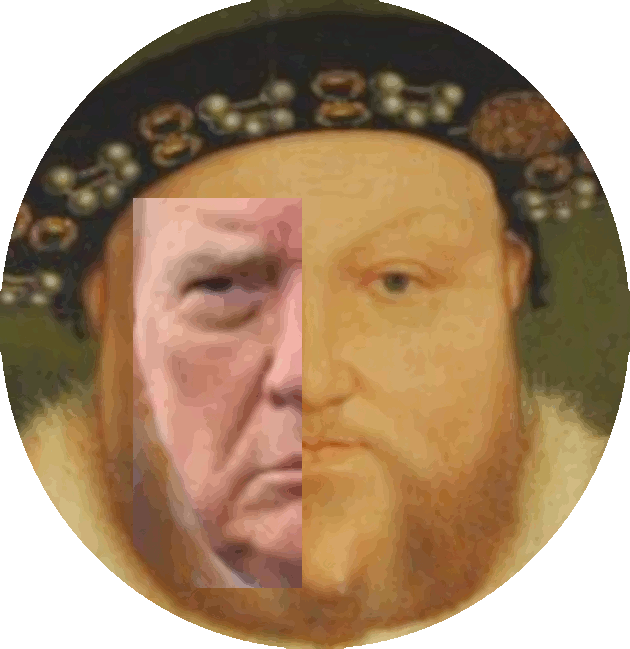 |
Orange man
Age 52 |
- Henry VIII more than likely
knew that he had competition for Catherine's hand and he
offered Seymour a promotion to serve abroad in the
Netherlands to move him out of the way.
- Once Lord Latimer had died and Catherine emerged
from her mourning period, less than 6 months after
Latimer's death, Henry VIII and Catherine Parr
married.
- The wedding took place on July 12, 1543, in
the Queen's Closet in Hampton Court Palace.
- Why did
Catherine accept his proposal, she was a rich widow who had
proclaimed her love for Seymour?
- Possibly she was
afraid of what it might mean if she refused the King, this
seems likely in view of Henry VIIIs character and
reputation.
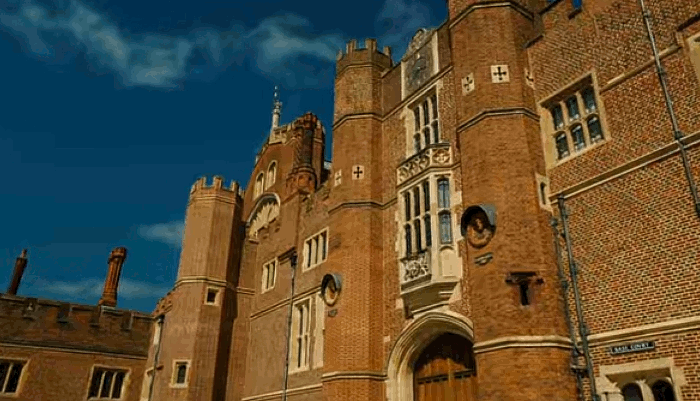
Hampton Court |
- Some historians believe she may have accepted
Henry's proposal as part of a religious mission to
advance the Protestant Reformation.
- The warm
relationship she had established with Lady Mary, Henry
VIIIs oldest daughter, during
those years may have played a role as well.
- Plus,
Catherine of Aragon had stood as Catherine Parr's
Godmother and her parents had named her after the
Queen.
- Catherine may have been motivated by a
sense of duty to the Tudor family for those reasons.
- She adapted to her new position as Queen Consort,
quickly and well, and their honeymoon lasted for the
latter half of 1543.
- Henry VIII took pride, not
only in her virtue and intelligence, he also admired
her beauty and that were at least 3 portraits
completed of her during the short time they were
married.
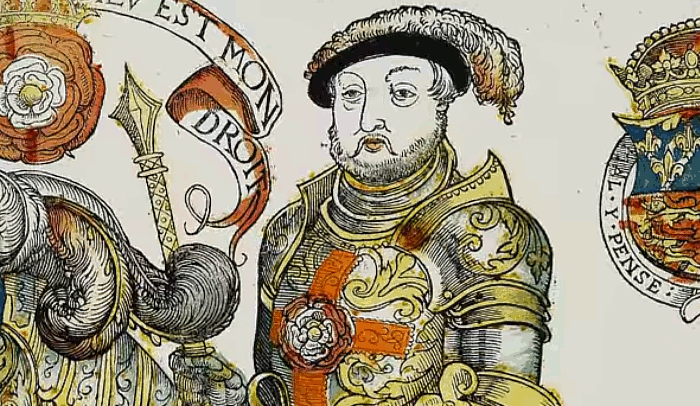
Henry greeted like a hero |
- The 2 were much closer in age than Henry had been
with any of his 3 previous wives and they seemed to
develop a close companionship.
- They were also
fairly evenly matched in education, intelligence and
points of view.
- During Henry's absence in 1544
when he led another military campaign in France he
made Catherine his regent in charge of the kingdom.
- But he lost an absurd amount of men and resources
with no tangible reward in an attempt to recapture
part of his lost youth and glory when Britain ruled
part of France.
- However, Catherine offered Henry
VIII her full support in his military endeavors and
greeted him like a hero when he returned.
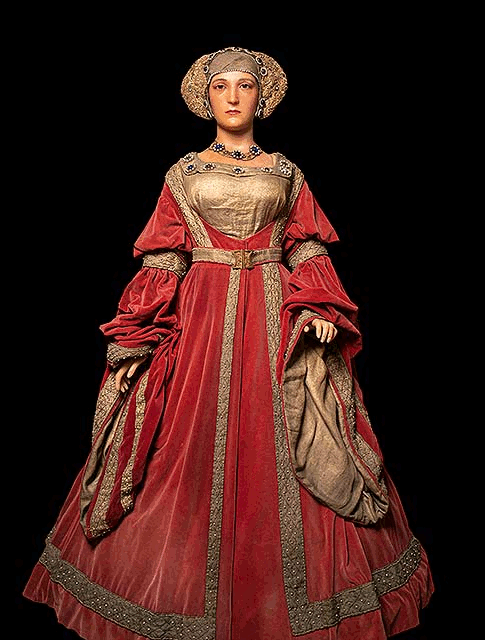
Catherine/Katherine |
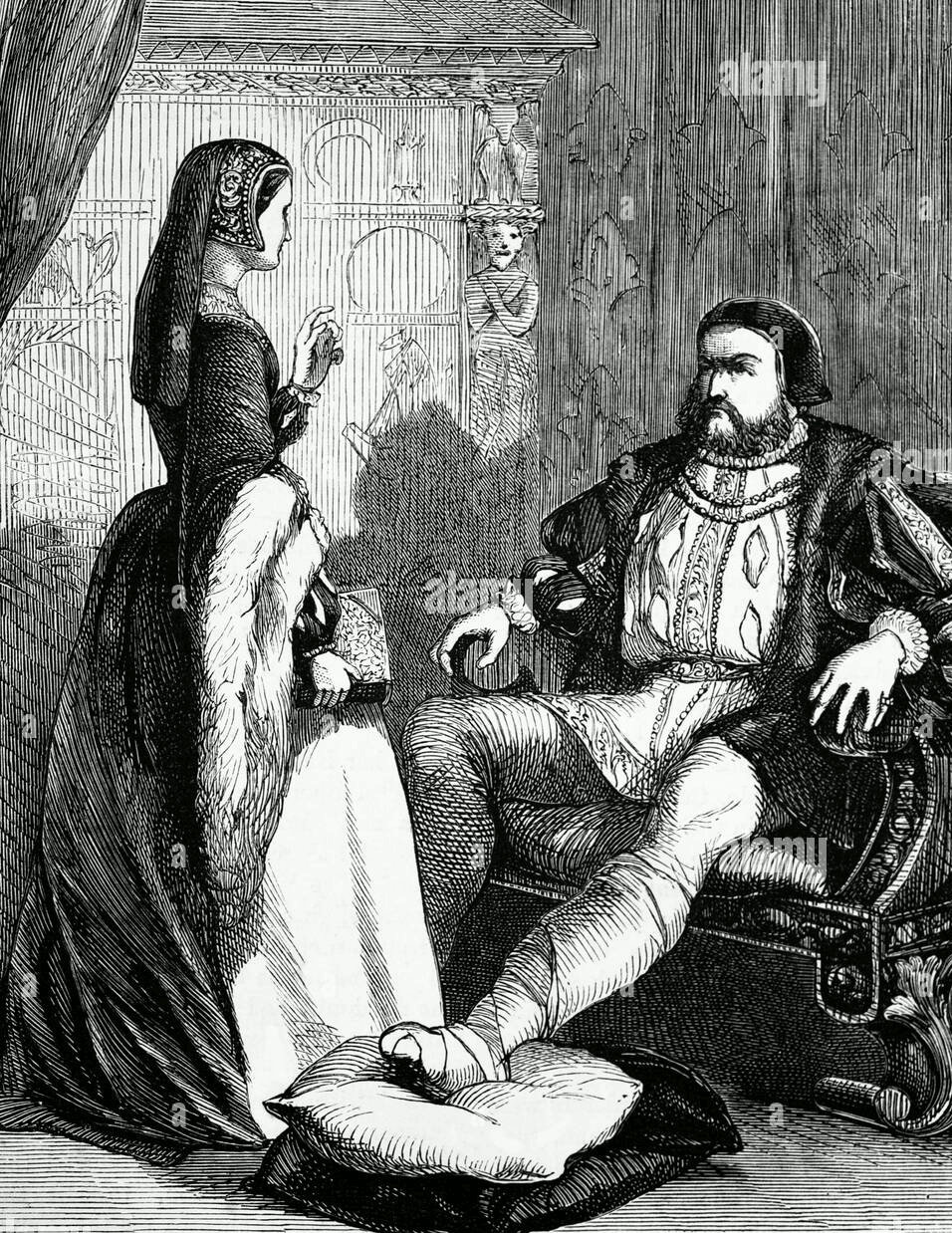
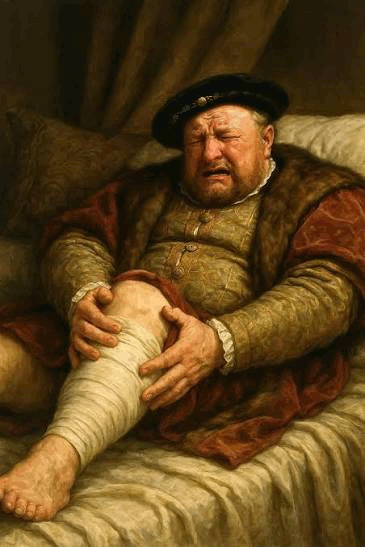
- During his periodic bouts of illness he did not
attempt to ban Catherine from his chambers which
centered around his old leg wound.
- As Queen, she
willingly and ably nursed Henry just as she she had
nursed Lord Latimer through his final illness.
-
During this sickness, she placed more emphasis on the
English Protestant reform, and this put her into the
same danger as Anne Boleyn and Catherine Howard before
her.
- She elevated her family members by
appointing them to positions in her household,
including her siblings and stepchildren.
- Her
sister, Anne Parr, Lady Herbert, who had served both Anne
of Cleves and Catherine Howard, was made principal
lady in waiting and her brother was appointed as Earl
of Essex.
- Catherine also made subtle efforts to
promote Protestantism by appointing reformers to key
positions, including her personal chaplain and the
tutors assigned to teach the Lady Elizabeth and Prince
Edward.
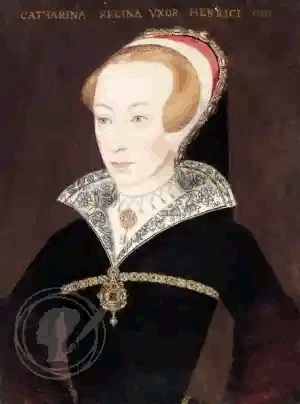
Protestant reformer |
- Catherine Parr was influential in Henry's passing of the Third Succession Act
in 1543 that restored his daughters Mary and Elizabeth to the line of succession to the throne.
- Henry VIII was impressed by her learning and
educational sophistication and readily sought
Catherine's advice on his children's education.
-
But he was at that time probably very unaware of how
deeply committed to the cause of religious reform.
- He knew that she was pious and that she wasn't a
Catholic sympathizer, but it would not become clear to
him until 1546 how strongly his wife favored the
reformist cause.
- Henry was more religiously
conservative than Catherine, his main problem may have
been with being increasingly outspoken while
challenging him.
- Especially on religious matters
and policy.
|
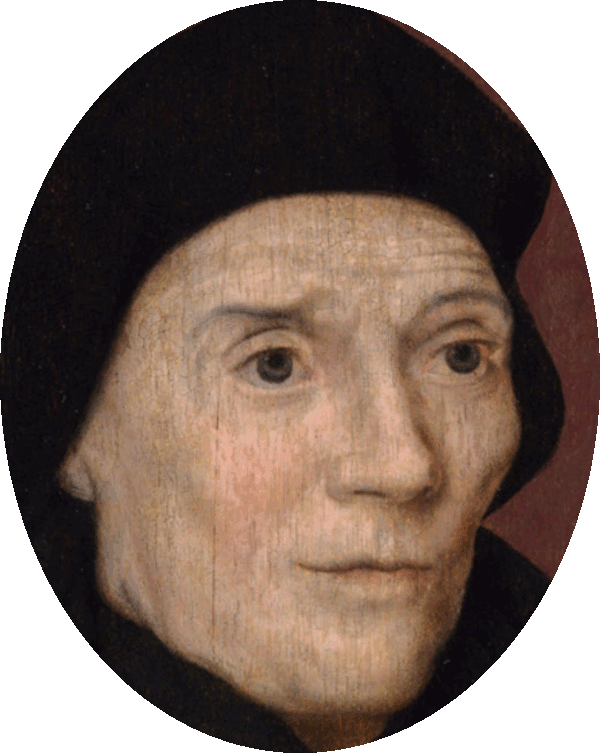
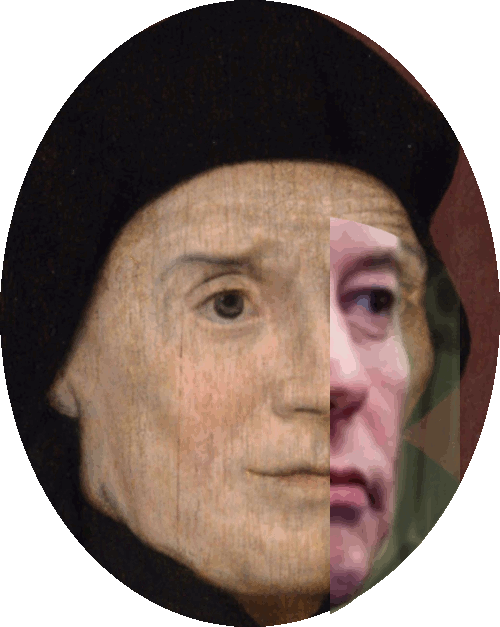
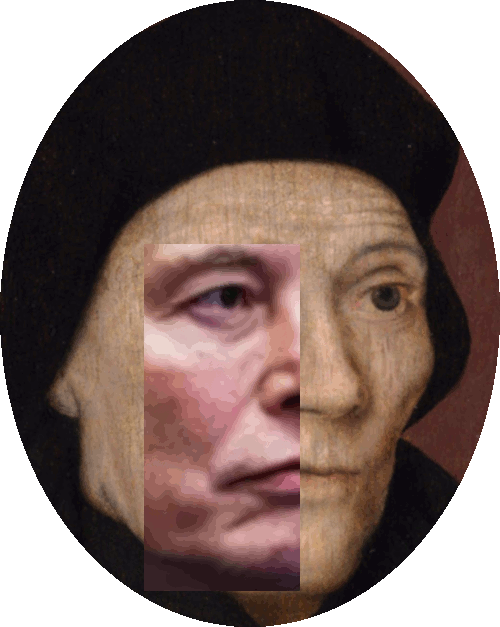
John Fisher as Elon Musk |
 |
|
John Fisher
c.1469-1535
10/19
6/22
English Catholic prelate
Bishop of
Rochester |
Elon Reeve Musk
1971
6/28
Satan
from Alpha Centauri
|
 |
 |
|
Most saintly prelate |
-
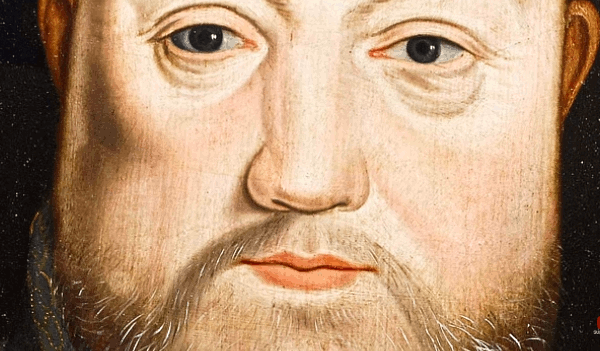
John Fisher (c.1469-1535) was an English Catholic prelate who served as Bishop of Rochester from 1504 to 1535 and as chancellor of the University of Cambridge.
- He is honored as a martyr and saint by the
Catholic Church.
- Fisher was executed by order of Henry VIII during the English Reformation for refusing to accept him as Supreme Head of the Church of England and for upholding the Catholic Church's doctrine of papal supremacy and the independence of the Church from control by the State.
- Fisher was named a cardinal shortly before his death.
- In 1544, Catherine Parr anonymously published an
English translation of Bishop Fisher's Latin text,
psalms and prayers.
- The following year she
published prayers and meditations under her own name
and her English translation sold remarkably well.
Irked |
-
Catherine's growing popularity may have irked Henry
VIII, especially as she grew bolder in her arguments
and challenges on religious matters.
- He might
even have felt some jealousy on receiving as a New
Year's gift in 1546, a Latin translation of his wife's
enormously popular book from his daughter Elizabeth
who may have seemed by Henry to admire her stepmother
more than she did him.
-
Catherine was the first woman in England to publish in print an original work under her own name in the English language.
- Catherine's increasingly
bold speech eventually produced open grumbling from
Henry VIII that he should not be lectured and condescended
to by his wife on matters he considered to be in his
power alone.
|
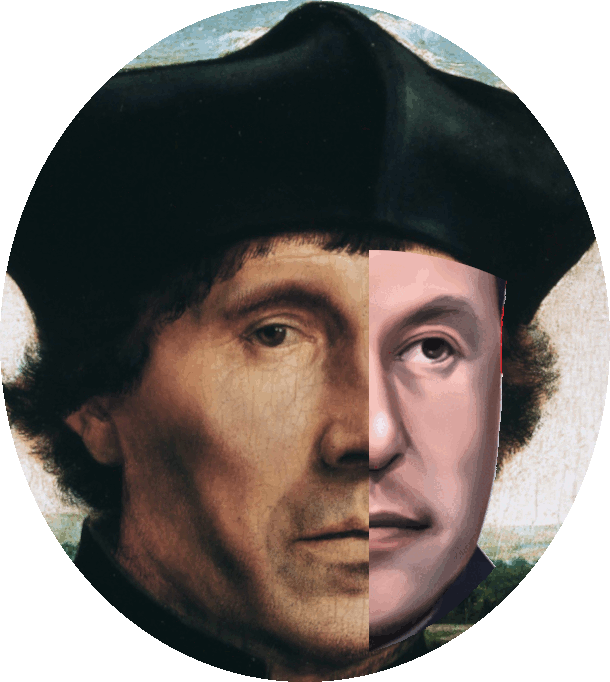
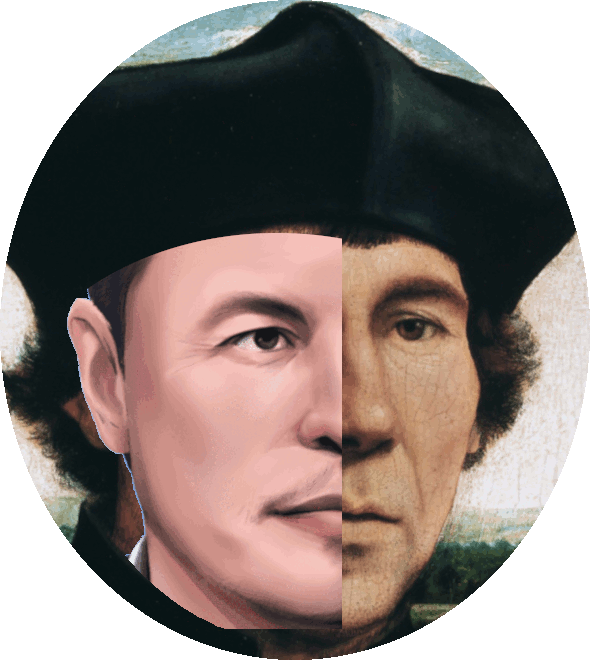
Stephen Gardiner as Elon Musk |
 |
|
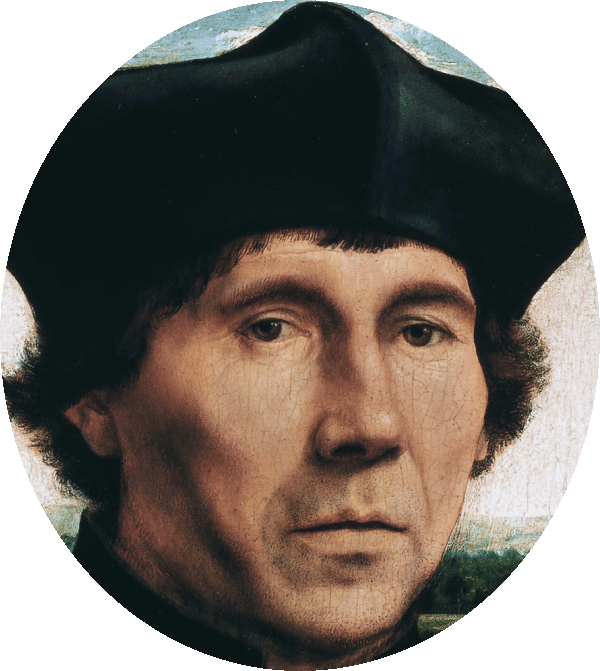
Stephen Gardiner
1483-1555
7/27
11/12
English Catholic
Bishop of Winchester
|
Elon Reeve Musk
1971
6/28
Satan
from Alpha Centauri
|
 |
 |
|
Wily Winchester |
- Stephen Gardiner (1483-1555) was an English Catholic bishop and politician during the English Reformation period who served as Lord Chancellor during the reign of Queen Mary I.
- Skilled in canon law, he had a significant career as a civil servant and diplomat, being brought to King Henry VIII's attention when working for Cardinal Wolsey, then serving as the king's secretary.
- As a bishop, he was the most important religious conservative to retain his diocese during the later reign of Henry, supporting the king's claim as Supreme Governor of the Church of England.
- He spent most of the reign of Edward VI in prison, but was restored by Mary I of England, in whose reign he died.
- Bishop of Winchester, Stephen Gardiner and
Thomas Wriothesley, Earl of Southampton, approached
Henry VIII with allegations that the Queen's
supposedly heretical leanings which appeared far more
extreme than the Act of Six Articles allowed, the King
seemed disposed to entertain their convictions.
|
The Act of Six Articles was a 1539 English law passed by King Henry VIII that reasserted traditional Catholic doctrines.People also called it the "whip with six strings" because breaking the law brought harsh punishments like death or property loss. (Assistant)
|
|
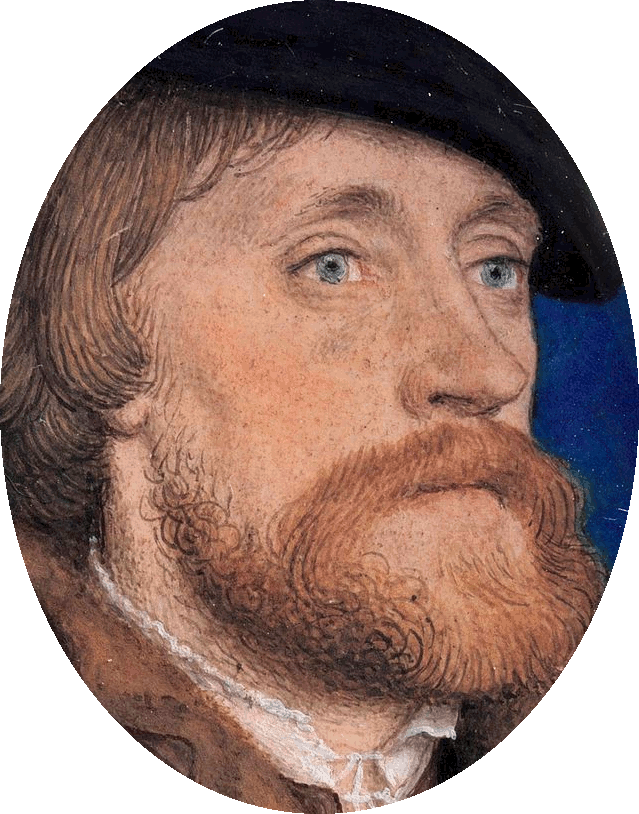
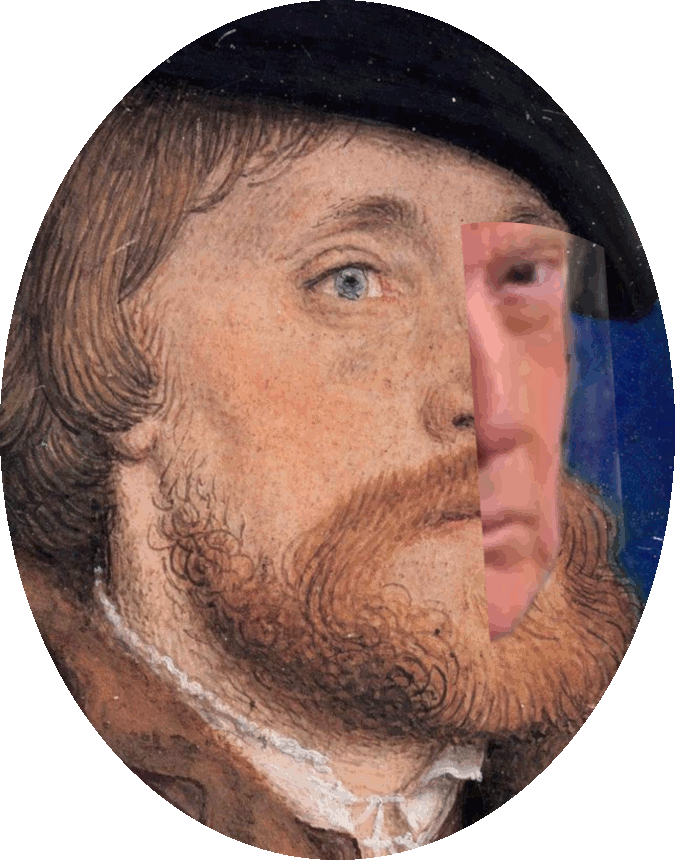
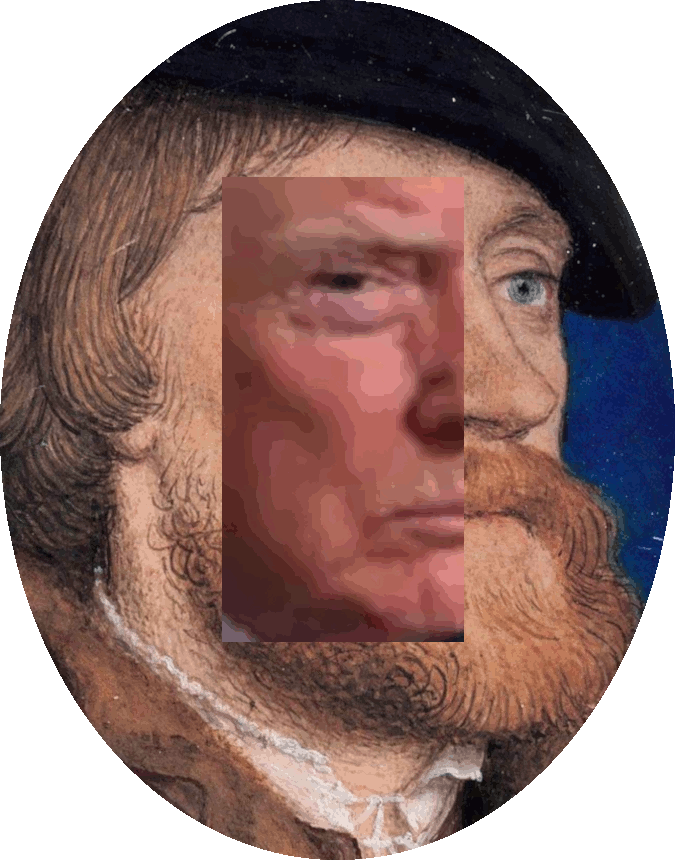
Thomas Wriothesley as Donald Trump |
 |
 |
Thomas Wriothesley
1505-1550
12/21
7/30
Lord Chancellor and Lord High Admiral
|
Donald John Trump
1946
6/14
Lucifer's clone from Omega Centauri
|
 |
 |
|
Call-Me Risley |
- Thomas Wriothesley,
1st Earl of Southampton (1505-1550), was an English peer, secretary of state, Lord Chancellor and Lord High Admiral.
- A naturally skilled but unscrupulous and devious politician who changed with the times, Wriothesley served as a loyal instrument of King Henry VIII in the latter's break with the Catholic Church.
- Richly rewarded with royal gains from the Dissolution of the Monasteries, he nevertheless prosecuted Calvinists and other Protestants when political winds changed.
- That's the most confusing part because Henry VIII
also shifted back and forth between Catholic and
Protestant views.
- Henry VIII permitted Wriothesley to issue a warrant
for Catherine Parr's arrest and interrogation who was
a Protestant reformer who was translating Catholic
prayer books and publishing them.
|
The Dissolution of the Monasteries took place between 1536 and 1541 when King Henry VIII closed all Catholic religious houses in England, Wales, and Ireland. (Assistant)
|
Henry's illness |
- But luckily for Catherine, the warrant was never
served.
- The document was first waylaid by an
unknown servant that delivered directly into
Catherine's hands instead of Henry's.
- Panicked,
she collapsed into weeping and hoped to conform and
try as hard as possible to uphold Henry's will.
- When he
confronted her about challenging him and her refusal
to allow herself to be instructed by English religious
authorities, namely himself, Catherine elegantly
protested that she had only argued with Henry in order
to benefit from his superior wisdom.
- As well as
to distract him from the painful trials of his
recurring illness which had been increasingly plaguing
him.
- She then confirmed that her duty and her
place was to honor and respect Henry's authority.
Suffering |
- These claims were probably not just lip service
from Catherine or a clever ploy to save her skin.
-
She may have been considered a radical in her own time
for her Protestant views, which makes all these
accusations even more confusing, but her perspective
on the role of women was quite conventional.
- This
was made clear in her religious treaties published
after Henry's death in 1547 called Lamentacions of
a Sinner which was quite traditional in its
attitudes to women's roles.
- Catherine believed
that women should be taught to read and understand the
Scriptures, but simultaneously taught to remain silent
and obedient to their husbands in all things.

Lavish will |
- Henry VIII was generous to her in his will
bequeathing to her a lavish annual income of 7,000
pounds as well as the right to retain the royal jewels
in her lifetime.
- Catherine was appointed regent from July to September 1544, while Henry was on a military campaign in France; in the event that he lost his life, she was to rule as regent until Edward came of age.
- However, Henry VIII did not give her any function in government in his will.
- Following Henry's death and Catherine's prompt
retirement from the royal court, Thomas Seymour, who
had recently been named 1st Baron of Sudeley reentered
Catherine's life almost immediately.
- Before she was even out of mourning
for Henry VIII, the 2 were together.
|
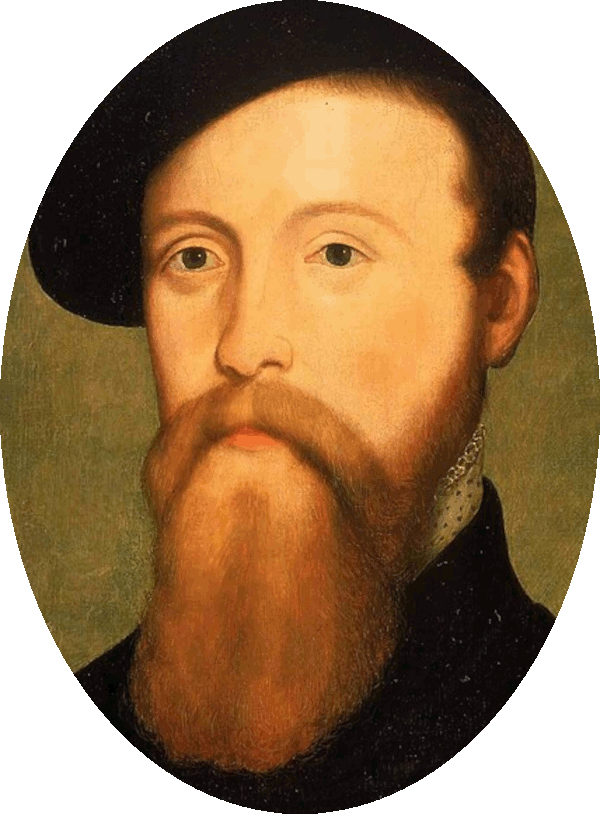
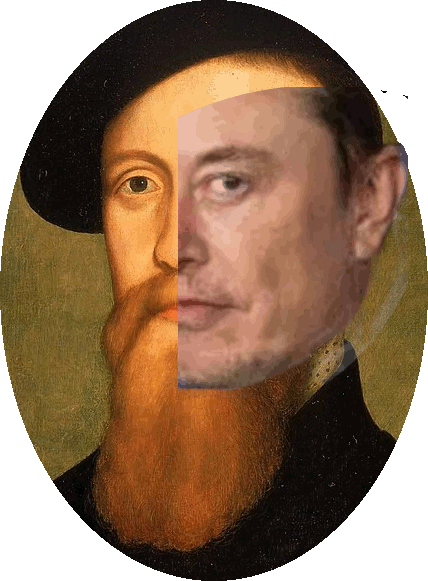
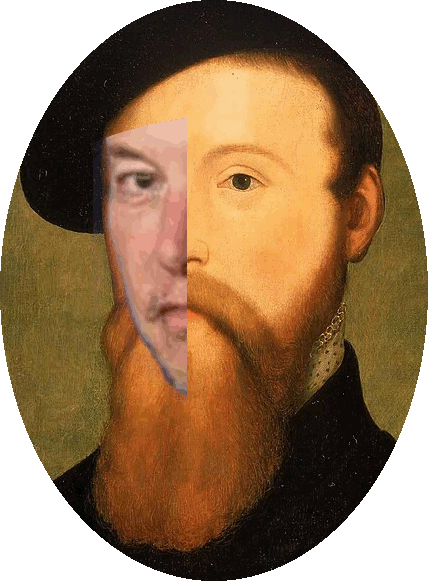
Thomas Seymour as Elon Musk |
 |
 |
Thomas Seymour
c.1508-1549
?
3/20
1st Baron Seymour of Sudeley |
Elon Reeve Musk
1971
6/28
Satan
from Alpha Centauri |
 |
 |
|
Not a protector |
- Thomas Seymour, 1st Baron Seymour of Sudeley (c.1508-1549) was a brother of Jane Seymour, the 3rd
wife of King Henry VIII.
- With his brother, Edward Seymour
(1500-1552), 1st Duke of Somerset and Lord Protector of England, he vied for control of their nephew, the young King Edward VI
and stood as his regent from 1547–1553.
- Catherine Parr married Thomas Seymour in a secret ceremony in May 1547, just a few months after the death of her previous husband, King Henry VIII.
- The wedding caused quite a stir in Edward VIs
court because they had wed without his permission.
- With 4 husbands, she is the most-married English queen.
|
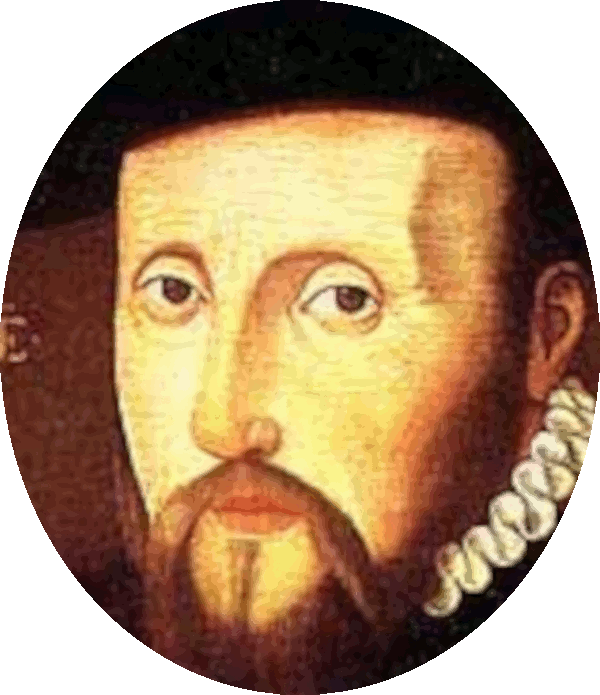
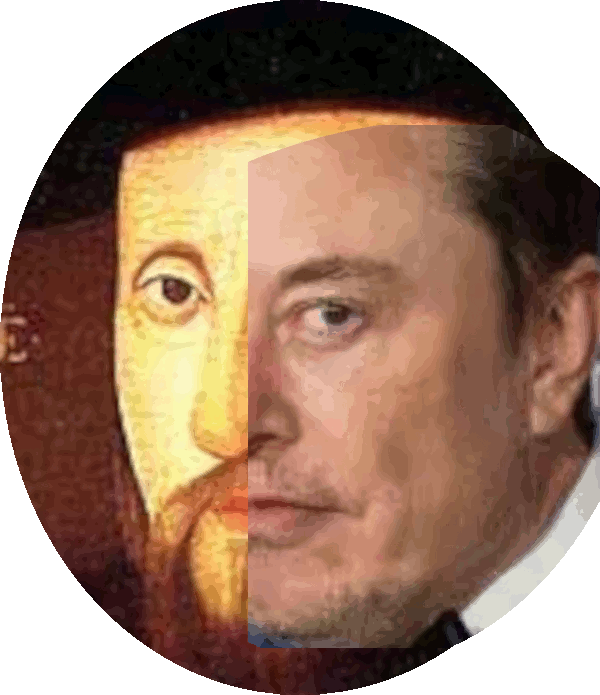
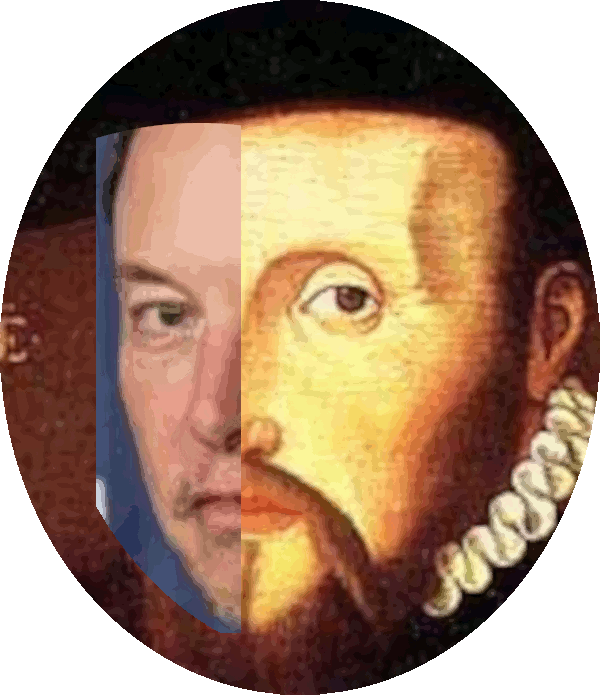
Edward Seymour as Elon Musk |
 |
|
Edward Seymour
1500-1552
?
1/22
Lord Protector of England |
Elon Reeve Musk
1971
6/28
Satan
from Alpha Centauri |
 |
 |
|
Summer setting |
- Edward Seymour, 1st Duke of Somerset, 1st Earl of Hertford, 1st Viscount Beauchamp (1500[-1552) was an English nobleman and politician who served as Lord Protector of England from 1547 to 1549 during the minority of his nephew King Edward VI.
- He was the eldest surviving brother of Queen Jane Seymour and mother of King Edward VI.
- Edward Seymour, Thomas Seymour's brother, had
been made Lord Protector during the new Edward VI
minority was furious with both his brother and the
Dowager Queen Catherine.
- Their hasty marriage
could have made it doubtful to judge the paternity of
any child that Catherine might give birth to within 9
months of Henry's death which had only just occurred
at the end of January 1547.
- Only with Henry's
track record producing heirs, that wasn't a problem.
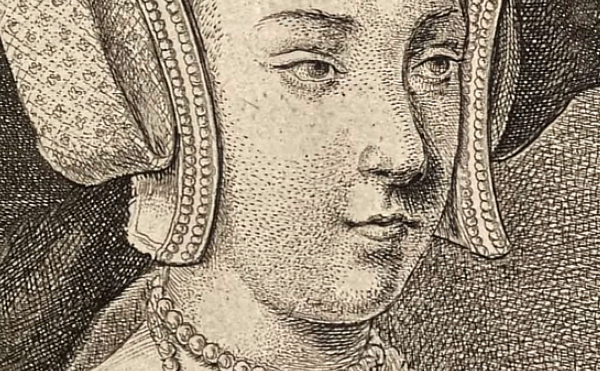
Lady Mary |
- Because of this, the Regency Council was
suspicious of the marriage and they distrusted Thomas
Seymour's ambitions.
- The marriage also alienated
Lady Mary who considered the secretness and hastiness
to be both indecent and an affront to her father's
memory.
- A rift developed between Catherine and
Mary which was never healed.
- Such a risky
approach to marriage seemed out of character for
Catherine, but perhaps at age 35, having made what she
finally believed to be a true love match, she decided
to waste no more time.
- She threw caution to the wind
and married the man she wanted.
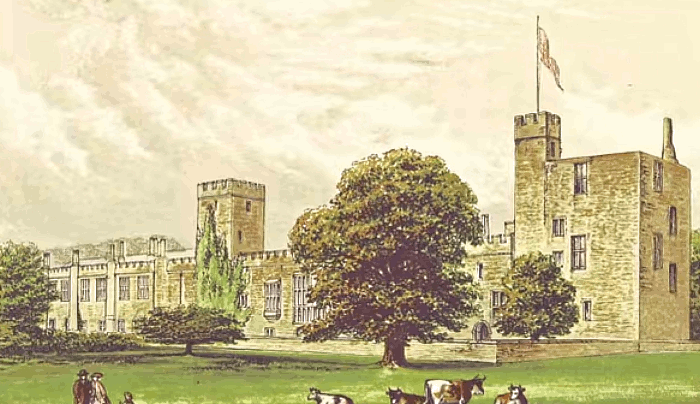
Sudeley Castle |
- The year following her 4th marriage was probably
one of the happiest in Catherine Parr's life, she and
her husband established residence at his seat at
Sudeley Castle.
- Catherine responded to an appeal
by her former stepdaughter, Lady Elizabeth, with an
invitation to come and live with her and Thomas
Seymour where she could continue to supervise
Elizabeth's education.
- Naturally, Catherine's
intellectual reputation proceeded her and other noble
families were soon applying to the Dowager Queen to
take in other daughters of the aristocracy who needed
a respectable place to complete their education.
-
Most notable among them was Lady Jane Grey (1537-1554)
who was the granddaughter of Henry VIIIs sister, Mary
Tudor and Elizabeth's first cousin.
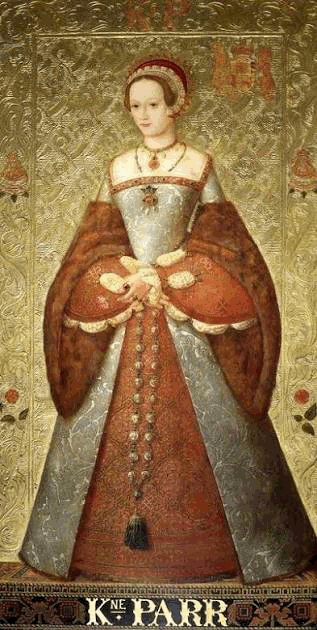
Katherine Parr |
- Just as her mother Maud Parr had been, Catherine
was now a respected woman of learning and culture sought after
and entrusted with the care and education of the children of
England's most illustrious families.
- Early in the
following year, 1548, Catherine discovered that she
was pregnant for the first time in her life and at
last her happiness seemed complete.
- Sadly, her
calm contentment would be shattered several months
later when more than halfway through the pregnancy,
she discovered that her husband had been actively
pursuing a relationship with her own stepdaughter,
Lady Elizabeth.
- It later came to light that
Thomas Seymour had been regularly visiting Elizabeth's
chamber in the early mornings in a state of nighttime
undress and attempting to engage in inappropriate and
vaguely sexual horseplay.
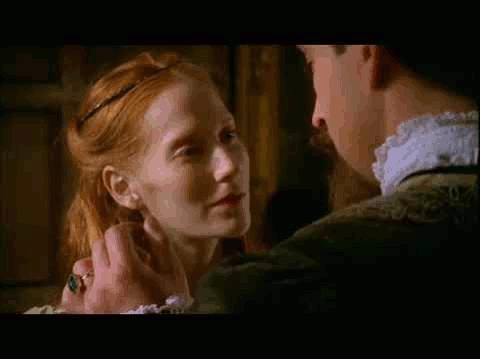
Abuse of a minor |
- During Thomas Seymour's marriage to Catherine, he involved the future Queen Elizabeth I (then 14 years old), who resided in his household, in flirtatious and sexual behavior.
- To what understanding Catherine had to the extent of his
actions is unclear and some sources claim that she
participated in some of Seymour's acts but that is not true.
- By the summer of 1548 she discovered Seymour and Elizabeth
in an embrace and Catherine promptly sent Elizabeth away
to protect her stepdaughter from her husband.
- Perhaps
even in an attempt to save the marriage, but the actions had
hurt Catherine deeply.
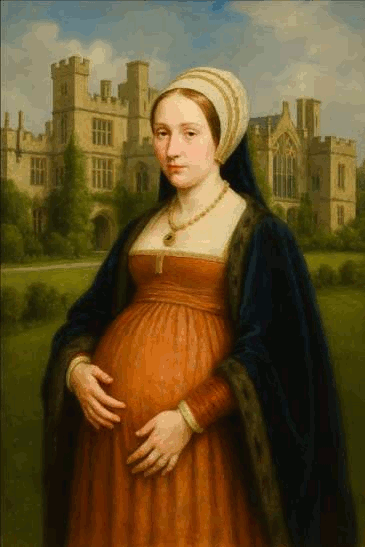
Pregnancy |
- When she went into labor in late
August 1548, her experience proved very difficult and
taxing.
- In the pain of the birth, Catherine vented her
rage and despair with Seymour, actions which she did not
seem to remember after her daughter Mary was born.
- But
Catherine lived less than a week after the birth, the
infant, Mary Seymour, who was named for Lady Mary, lost her
mother when she was only 6 days old.
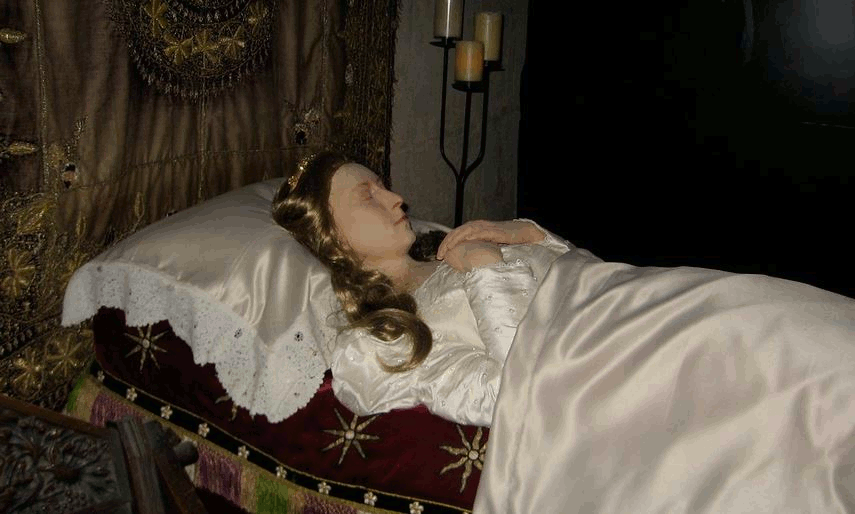
Queen Catherine's death |
- Catherine was the final queen consort of the House of Tudor, and outlived Henry by a year and
8 months.
- She died on September 5, 1548, of prenatal complications
and she was buried on her husband Thomas Seymour's estate.
- It appears that
Thomas Seymour even intended on marrying Elizabeth and then
kidnap Edward VI and force him to abdicate so he could
seize power.
- He was executed for treason, less
than a year after Catherine's death.
- Their daughter,
Mary Seymour, was sent to live with Catherine's friend and
fellow reformer, Katherine Brandon (1519-1580), the duchess
of Suffolk.
- Although the
child didn't survive her early childhood and she died by age
3.
|













