|
PAST LIVES - TUDOR - SISTERS - PAGE 7

Feminine Tudor
Houses |
- Henry VIII had 2 sisters who married kings,
Margaret Tudor (1489-1541) and Mary Tudor (1496-1533).
- He also had a sister named
Elizabeth Tudor (1492–1495) who died at age 3.
- In early 1503,
Henry VIII became a near orphan when his mother Elizabeth of
York (1466-1503) was pregnant again, and gave birth to a baby girl.
- She endured 7 pregnancies during her marriage to King Henry VII, resulting in
4 children who survived to adulthood (Arthur, Henry, Margaret,
Mary) and a tragic final birth that led to her own death.
-
The joy of her last pregnancy turned to pain almost immediately because the child didn't survive, and
infant Elizabeth soon contracted a brutal and fatal infection.
- Within 9 days of giving birth, Elizabeth was gone and
the Tudor siblings were motherless.
- They were
grandchildren of Edward IV, an unfaithful spouse, and Elizabeth
Woodville so they had quite a chaotic family track record.
Margaret Tudor

House of Stuart/Stewart |
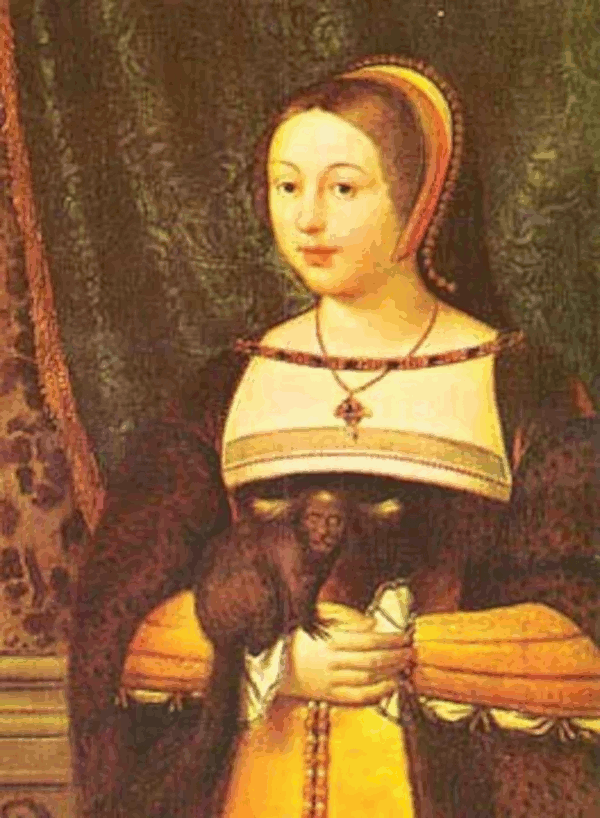
Public domain, via Wikimedia
Commons
Princess Margaret |
-
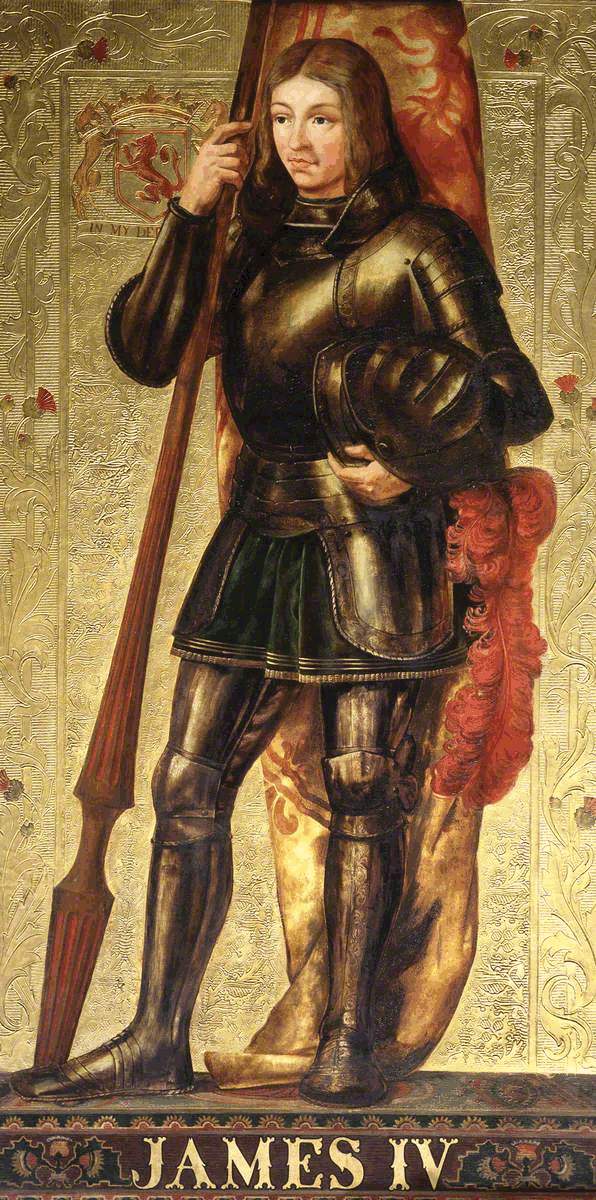
Margaret Tudor (1489-1541) was Queen of Scotland from 1503 until 1513 as the wife of James IV.
- She then served as regent of Scotland during her son's minority, and fought to extend her regency.
- Margaret was the eldest daughter and 2nd child of Henry VII of England and Elizabeth of York, and the elder sister of Henry VIII.
- She was born on November 28, 1489, in Westminster
Palace.
- Through her descendants, the House of Stuart eventually acceded to the thrones of England and Ireland, culminating in the
'Union of the Crowns' under her great-grandson James VI and I in 1603 following the death of her niece Elizabeth I.
- She is the ancestor of all the British monarchs from 1603, including the current King Charles III.
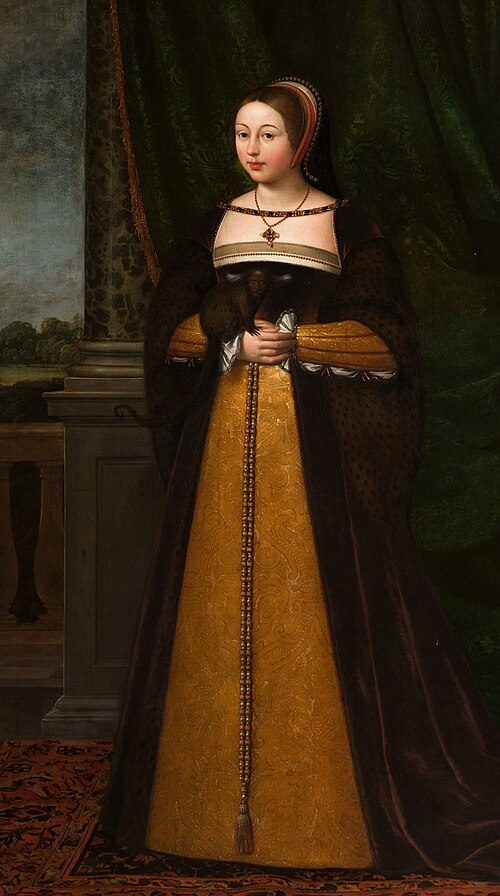
Public domain, via Wikimedia
Commons
Queen of Scotland |
- Margaret was married twice, the first time was to King James IV of Scotland
who she married in 1503.
- She was betrothed to James IV
before she was even 6 years old.
- James IV died at the Battle of Flodden in 1513.
- Her 2nd marriage was to Archibald Douglas, 6th Earl of Angus
who she married in 1514 who was a powerful Scottish nobleman.
- She married a 3rd time to Henry Stewart, 1st Lord Methven
in 1528.
|
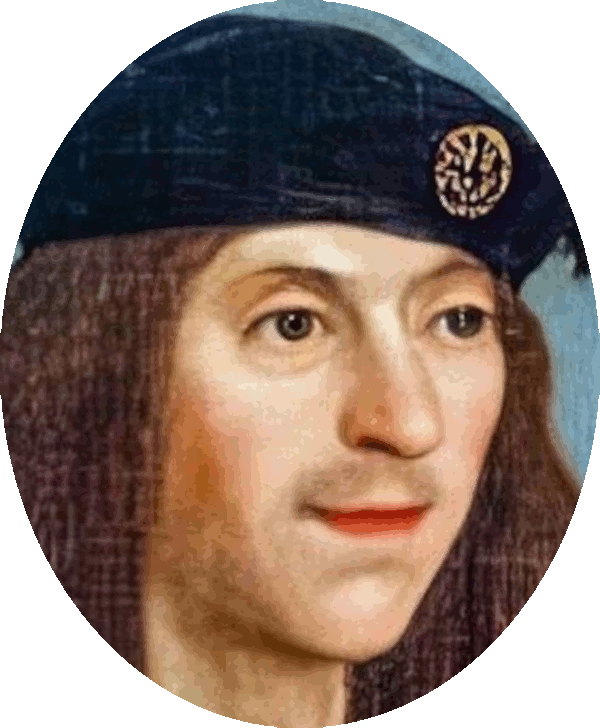
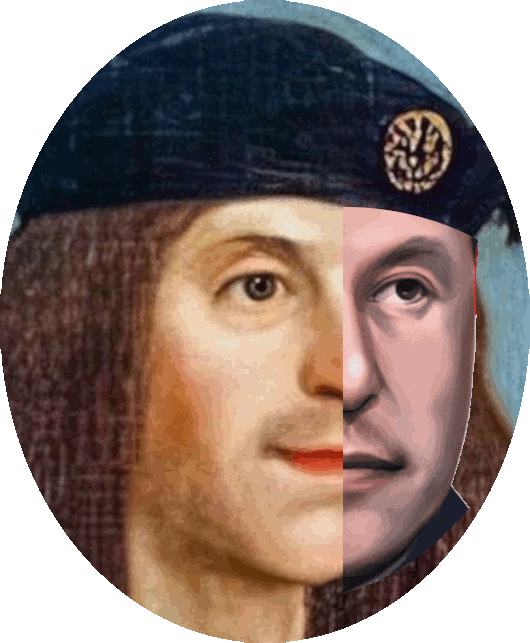
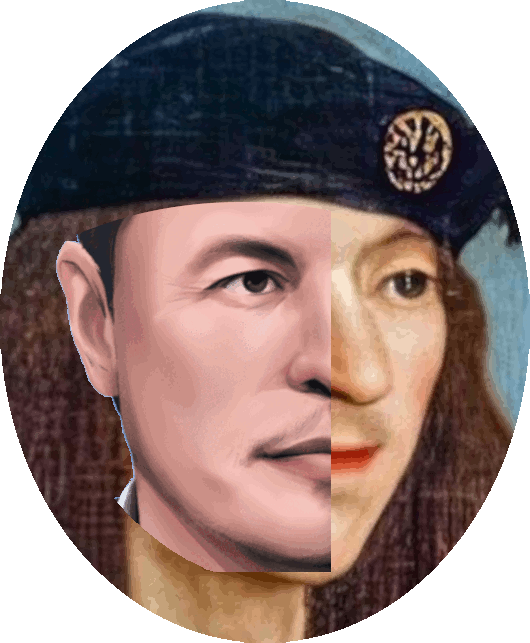
James IV of Scotland as Elon Musk |
 |
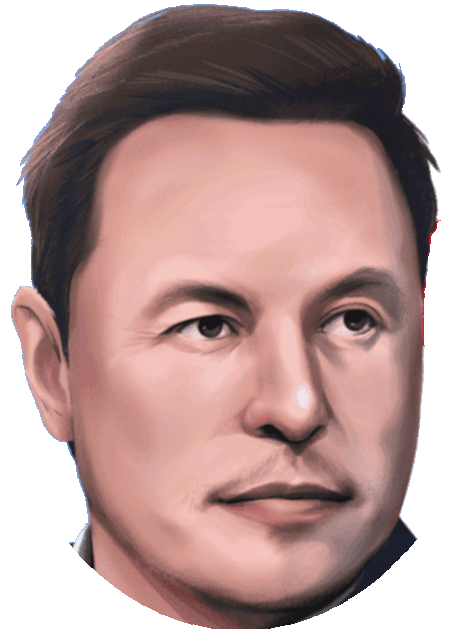 |
James IV
1473-1513
3/17
9/9
King of Scotland |
Elon Reeve Musk
1971
6/28
Satan
from Alpha Centauri |
 |
 |
|
The Iron Belt Wearer |
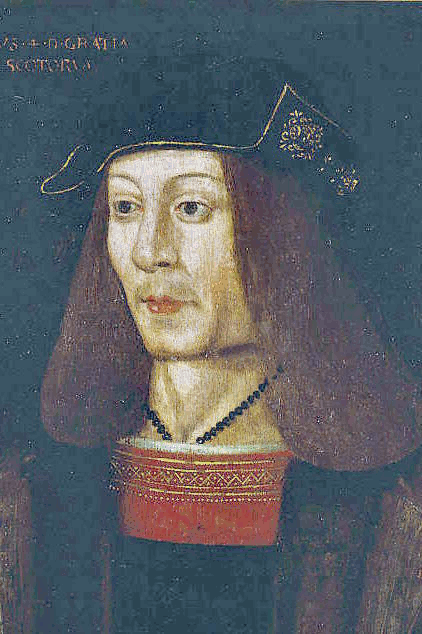
- James IV 1473-1513) was King of Scotland from June 11, 1488, until his death at the Battle of Flodden in 1513.
- He inherited the throne at the age of 15 on the death of his father, James III, at the Battle of Sauchieburn, following a rebellion in which the younger James was the figurehead of the rebels.
- James IV is generally regarded as the most successful of the Stewart monarchs of Scotland.
- He was responsible for a major expansion of the Scottish royal navy, which included the founding of two royal dockyards and the acquisition or construction of 38 ships, including Great Michael, the largest warship of her time.
|
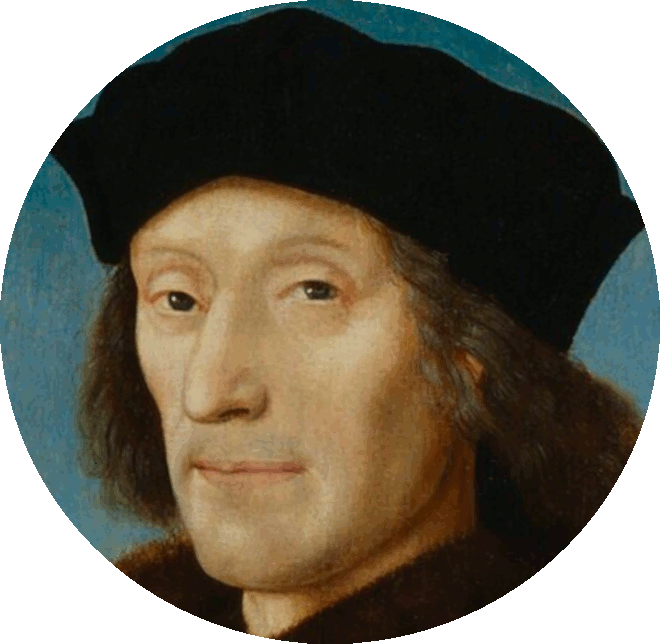
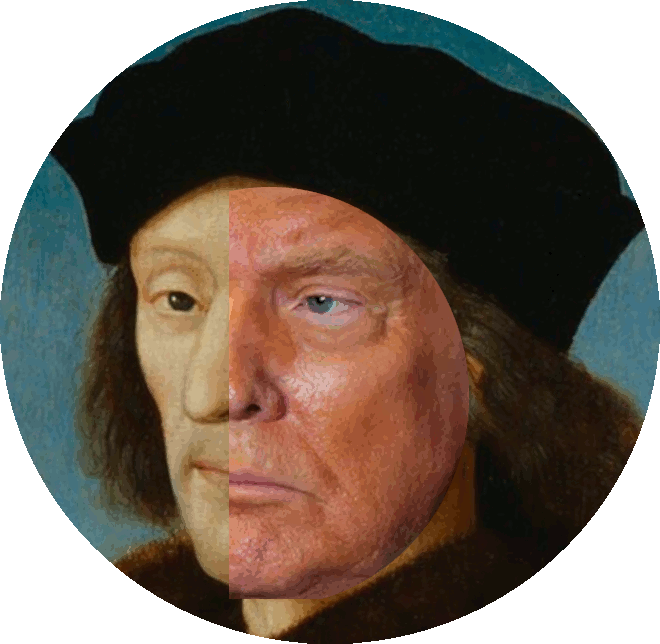
Henry VII as Donald Trump |
 |
 |
Henry Tudor
1457-1509
1/28
4/21
King of England
|
Donald John Trump
1946
6/14
Lucifer's clone from Omega Centauri |
 |
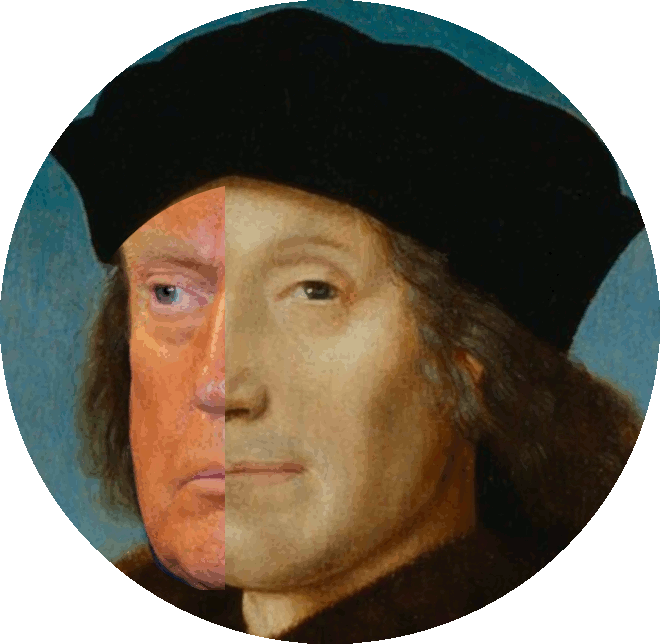 |
The Huckster King
Henry with a little more meat on
his bone |
- Henry VII (1457-1509), also known as Henry Tudor, was King of England and Lord of Ireland from his seizure of the crown on August
22, 1485, until his death in 1509.
- He was the first
monarch of the House of Tudor.
-
Henry was the son of Edmund Tudor, 1st Earl of Richmond, and Lady Margaret Beaufort.
- His mother was a great-granddaughter of John of Gaunt, an English prince who founded the Lancastrian cadet branch of the House of Plantagenet.
- Henry's father was the half-brother of the Lancastrian king Henry VI.
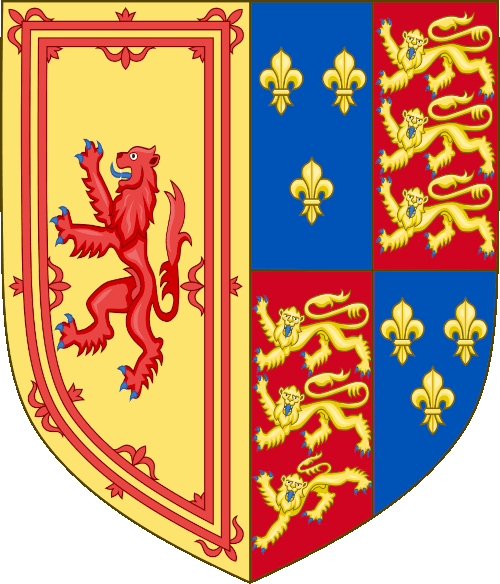
Public domain, via Wikimedia
Commons
Margaret Coat of Arms |
-
By the late 1490s, both Henry VII of England and James IV of Scotland had compelling reasons to pursue peace between their traditionally hostile kingdoms.
- Henry, having taken the throne in 1485, sought to legitimize and stabilize his relatively new rule, while James was young, popular, ambitious, and eager to assert Scotland’s sovereignty and prestige through both diplomacy and force.
- Coincidentally, both monarchs had come to power through violent conflict, each claiming victory over a slain predecessor: Henry over Richard III at Bosworth, and James after the death of his father, James III, at Sauchieburn.
- Despite their shared military origins, both kings had a strong interest in foreign policy, trade, and internal consolidation,
most importantly, they saw the value in peace.
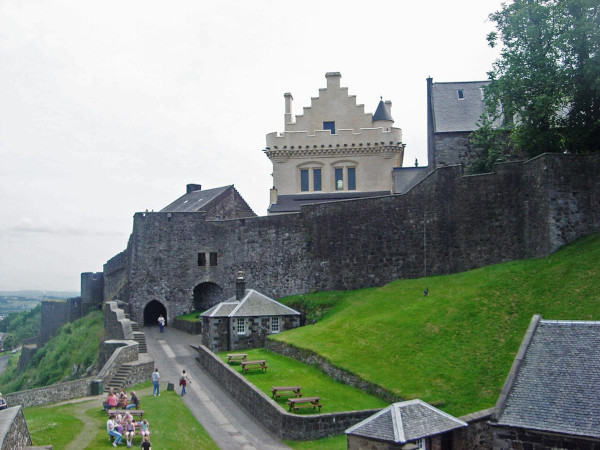
Public domain, via Wikimedia
Commons
Stirling Castle - James IV birthplace |
- Tensions between the two kingdoms had peaked earlier in the decade when James IV harbored and supported Perkin Warbeck, a pretender to the English throne claiming to be one of the lost Princes in the Tower
who were the sons of Edward IV and Elizabeth Woodville.
- Specifically, Richard of Shrewsbury. Perkin was even granted a royal marriage to Lady Catherine Gordon (a woman James had allegedly been courting himself) and a fleet to invade England, but the rebellion failed.
- Realizing the limitations of such provocations, James
IV turned to diplomacy.
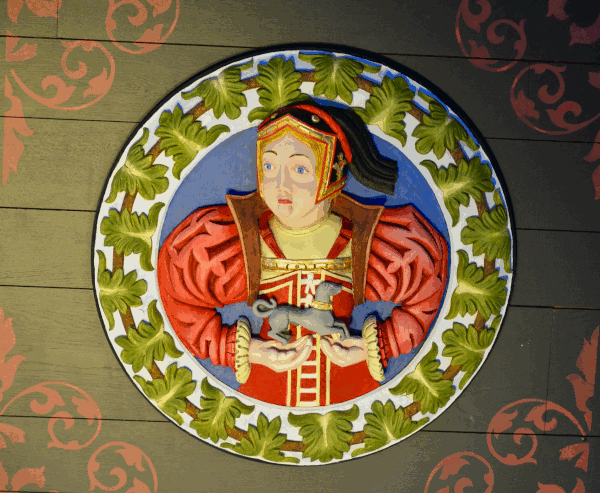
Treaty of Perpetual Peace |
- The Treaty of Perpetual Peace, signed in January 1502, marked the first formal peace treaty between England and Scotland in over 170 years.
- Its terms called for a 'good, real and sincere, true, sound, and firm peace, friendship, league and confederation, to last all time coming.'
- Central to the treaty was a dynastic marriage between James IV and Margaret Tudor, daughter of Henry VII, who was just 13 at the time, while James was 30.
-
The treaty included provisions for mutual non-aggression, arbitration of future disputes, and significantly, a papal clause: should either monarch break the terms, they would face excommunication by the Pope.
- It was a striking attempt to bind
2 rival crowns with the weight of divine and diplomatic authority.
- Nothing like this had been signed since 1328 between Edward III and Robert I.
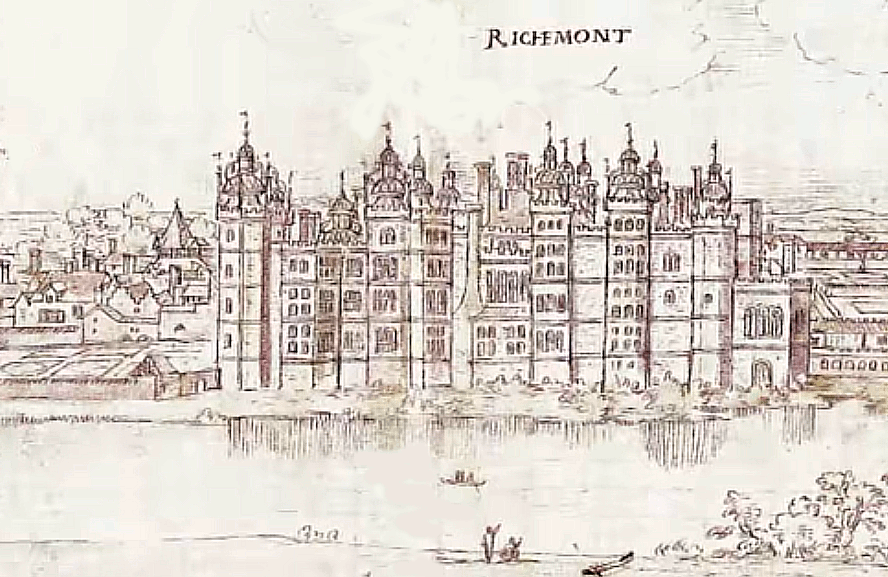
Richmont Palace |
- In May 1503, he confirmed possession of lands and
houses in Scotland including Methven Castle, Stirling ,
Doune, Linlithgow Palace and Newark Castle along with the
incomes from the corresponding earldom and lordship lands.
- Later that same year, just months after the death of her
mother, Margaret Tudor arrived in Scotland.
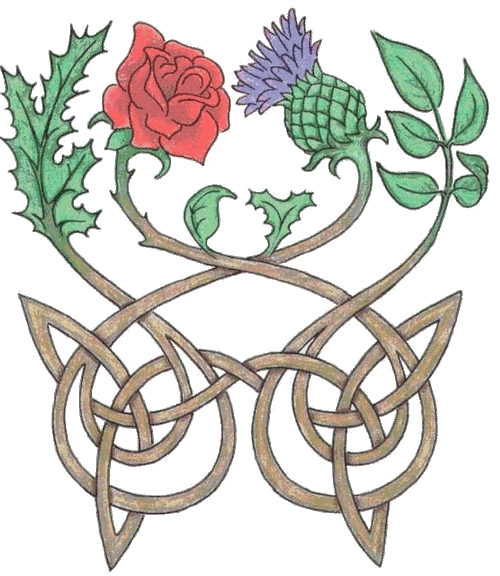
Rose and thistle |
- Her
progress was a grand journey northward, she left Richmont
Palace on June 27, 1503, with her father, Henry VII and
they traveled first to Collyweston in Northhampshire
where she stayed 11 days with her grandmother, Margaret
Beaufort.
- She passed through the gate at York and after crossing
the border at Berwick upon Tweed on August 1, Margaret was
met by the Scottish court at Lamberton.
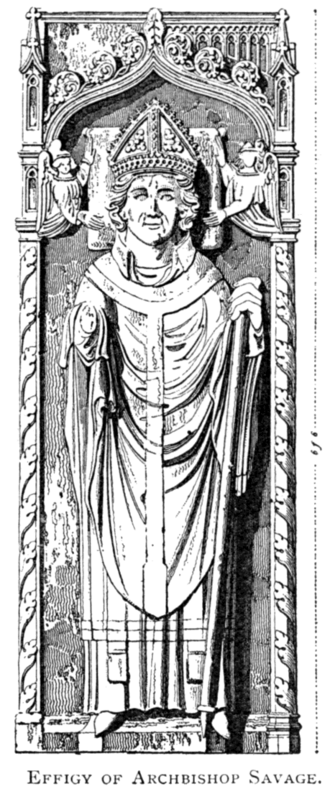
Archbishop of York |
- On August 8, Margaret reached the age of 14 and the
marriage was celebrated in Holyrood Abbey in Edinburgh.
- The rites were performed by the Archbishop of Glasgow
and Thomas Savage, the Archbishop of York.
- The
wedding celebrations were lavish and filled with feasts, tournaments, and pageantry, intended to publicly display the strength of the new alliance.
Charismatic |
- James IV was already regarded as one of Scotland’s most charismatic and capable kings: fluent in multiple languages, a patron of the arts, and deeply interested in architecture, technology, and medicine.
- By her marriage contract, Margaret was allowed a
household with 24 English courtiers or servants.
- Some
of them had been members of the household of her later
mother, Elizabeth of York, but one of the servants was
Harry Roper who worked with the wardrobe, making sheets,
doing laundry and mending tapestries.
Lady Drummond and her sisters |
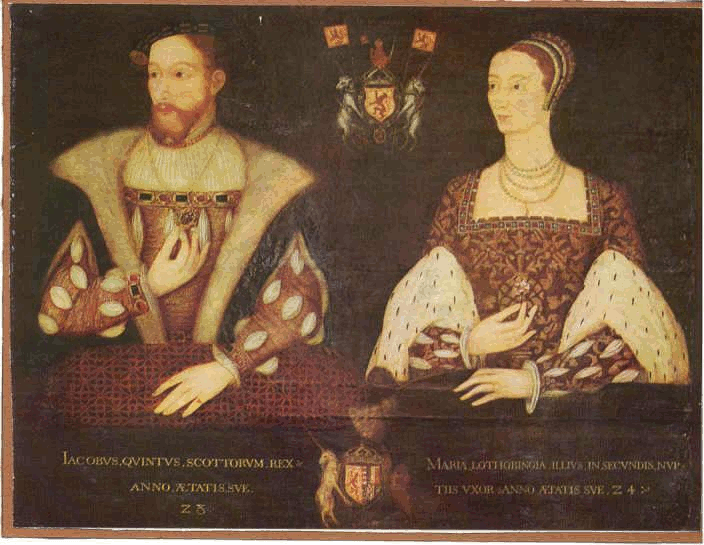
- Though he had fathered several illegitimate children prior to marriage, it is notable that, unusually for a monarch of the era he took no mistress after his wedding
but that doesn't mean he ended any of the relationships
he already had.
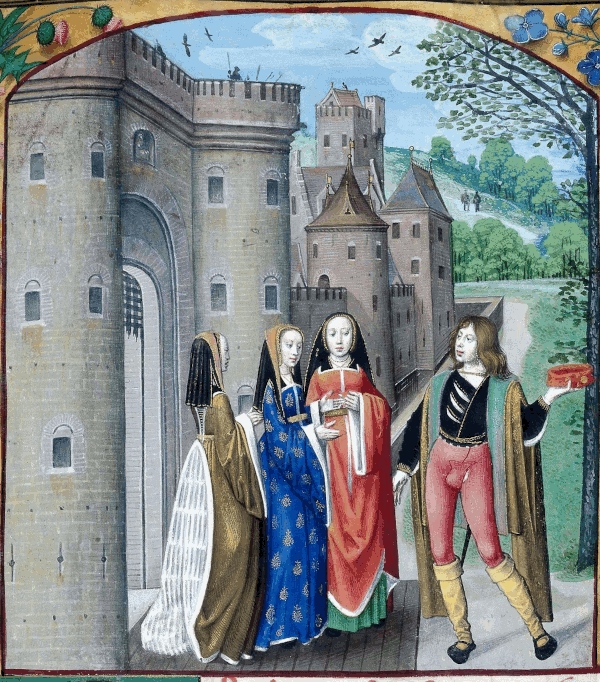
- James IV had several prominent mistresses during his reign, with Margaret Drummond
(c.1475-1501) being his most famous and significant partner before his marriage.
- Lady Drummond was his primary partner from about 1496 until her sudden death
in 1501 and they had a daughter, Lady Margaret Stewart, but they
also had another 2 daughters and 2 sons.
- The 2 may
have been privately married, or at the least, planned on it, but she died along with
her 2 sisters from suspected food poisoning, which cleared
the way for James IV to marry Margaret Tudor and has been
considered highly suspicious.
Mistress |
- However, both the Scottish and English courts were
frustrated by all his mistresses and illegitimate children so
when Margaret Drummond died, they wondered if it was murder.
- Some even wonder if Henry VII, who was obsessed with royal
marriages forming political alliances had something to do
with her death to move her out of the way, as he had a
complex system of secret service spies and assassins
throughout Europe who might have handled it.
- James also had
relationships with Janet Kennedy (1480-1583) and this
continued even after his marriage, they had 3 children
together.
- Then there was Margaret Boyd (c.1477-1559)
who he dumped when he met Margaret Drummond.
- And there
was Isabelle Agnes Stewart (1480-1557) who he had a daughter
named Janet Stewart, Lady Fleming who was a mistress to James IV prior to 1511.
|
James was an intelligent, practical man who would prove an effective and wise ruler; he was also keen to keep himself entertained with various mistresses, some of whom overlapped each other. James had a habit of setting up his lovers in his castles, and it is of no surprise that Margaret
Drummond was sent to live in Stirling Castle only two months after their first meeting. (akingswhore.tumblr.com)
|
James |
- Margaret
Tudor, by contrast, was only a teenager when she arrived in Scotland, but she gradually grew into her role as queen consort with a mix of English pride, political tact, and cultural adaptability.
- Margaret married James IV at the age of 13, in accordance with the Treaty of Perpetual Peace between England and Scotland.
- Despite their age gap and James’s past, their marriage was, by contemporary standards, successful and productive.
- The couple had 6 children, though only James V survived to adulthood.
- James IV also continued to support his illegitimate children, many of whom would go on to play prominent roles in Scottish politics and nobility.
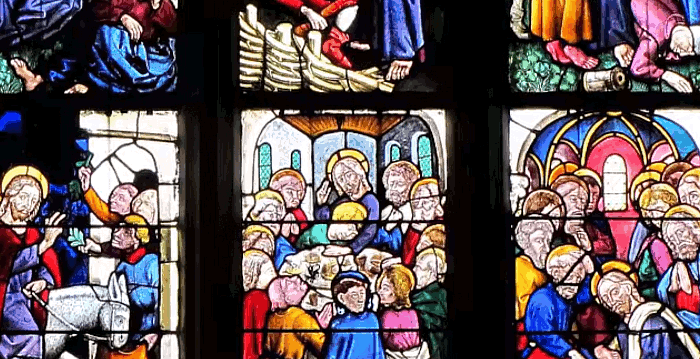
Charity |
- Customs at the time were an integral part of
Margaret's reign, one she would perform was called Maundy
Thursday.
- It was the custom for the monarch and his
consort to give gifts to the poor and symbolically wash
their feet.
- On April 4, 1504, Margaret gave 15 poor
women blue gowns, shoes, a purse with 15 English pennies,
and a wooden tankard with a jug and plate.
- This was a
token of the last supper, the number of poor women matched
her age at the time.
- But by 1513, the giving of
gifts now included 8 ladies of her chamber who received gold
rings.
|
Maundy Thursday is the Christian holy day falling on the Thursday before Easter that commemorates Jesus Christ's Last Supper with his disciples. (Assistant)
|
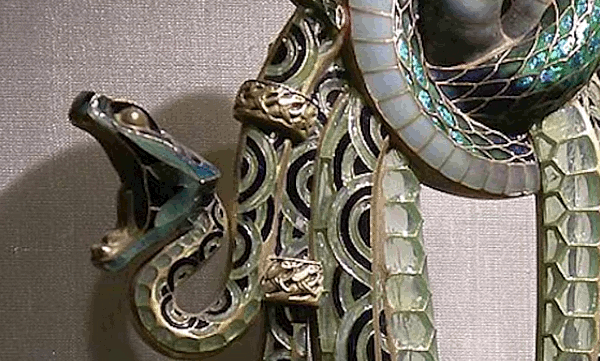
Protection from food poisoning |
- Another tradition was to give presents on New Year's
Day and in 1507, James gave Margaret a serpents tongue which
was set in gold with precious stones, which was believed to
guard against poison.
- It was not from a snake, but was rather a fossilized shark tooth.
- In the medieval and Renaissance eras, these fossils (glossopetrae) were widely believed to be the petrified tongues of dragons or serpents.
- By 1507, Margaret also set off on tours across the
country.
- She traveled to East Lothian, accompanied by
ladies and court musicians, but her travels would soon be
abruptly interrupted.
 |
 |
|
Henry VIII |
- In 1509, after the death of her father, Henry VII, a young
successor, her brother Henry VIII came to the throne in
England.
- This caused much concern for the Scots in
regard to the peace treaty and Henry proceeded to declare
war on France, Scotland's historic ally.
- Although the treaty had promised lasting peace, it ultimately collapsed in 1513, when James IV
invaded England to honor his commitment to the alliance.
- He was killed at the Battle of Flodden, fighting against an English army.
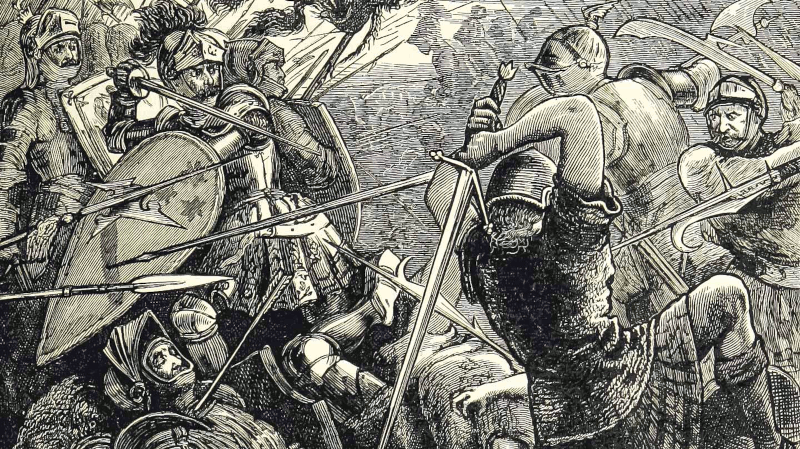
Battle of Flodden |
- James IV had found himself torn between honoring the Treaty of Perpetual Peace or upholding the Auld Alliance: Scotland’s longstanding pact with France.
- The relationship between James and Henry VIII was cool and increasingly strained.
- Unlike his cordial dealings with Henry VII, James received little diplomatic engagement from Henry VIII, who treated him more as a subordinate than a sovereign equal.
- James reportedly regarded Henry’s refusal to negotiate and his demands that Scotland remain neutral as both insulting and dismissive.
- For his part, Henry, eager to assert his dominance on
the European stage, saw little reason to treat the Scottish
king as a peer.
|
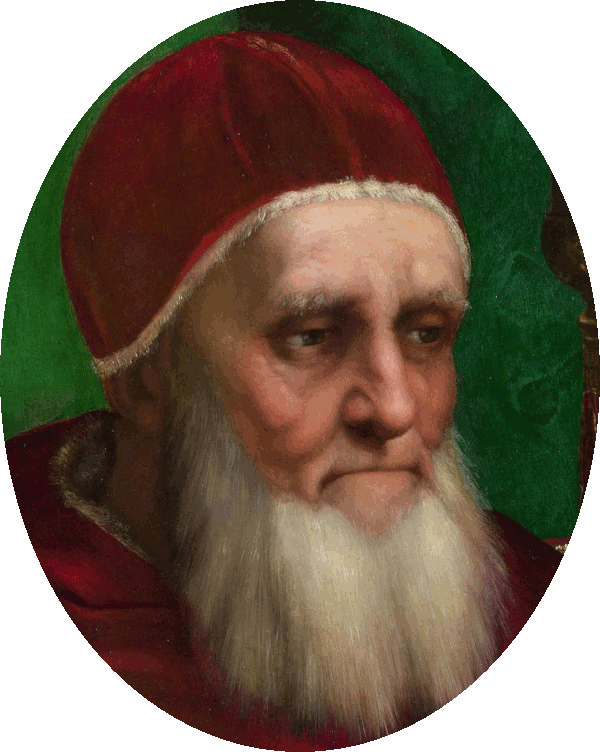
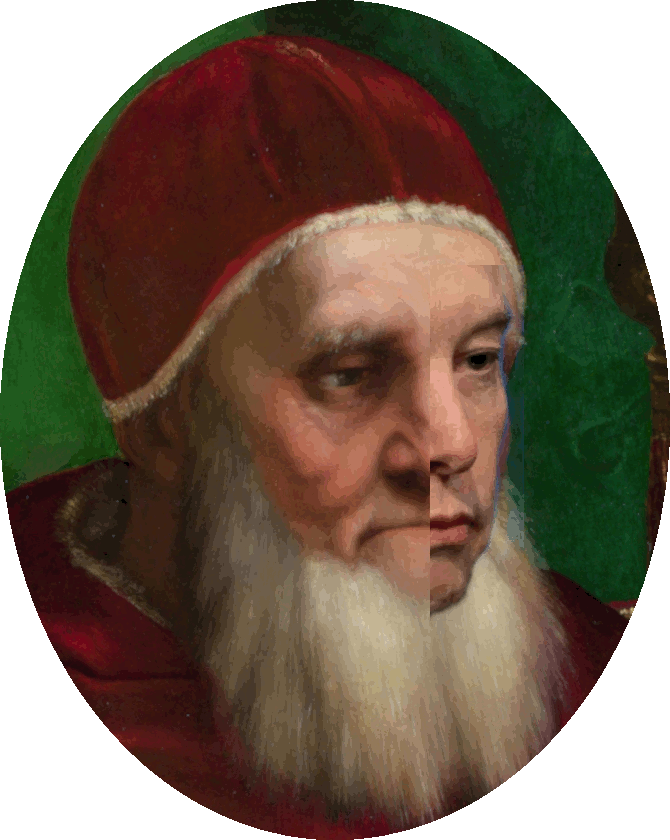
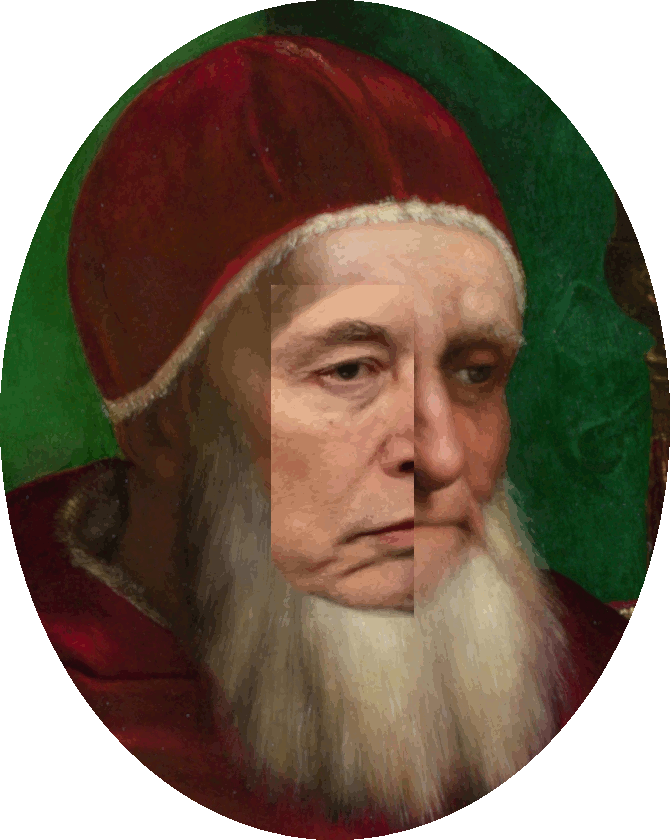
Pope Julius II as Elon Musk |
 |
 |
Giuliano della Rovere
1443-1513
12/5
2/21
Pope
|
Elon Reeve Musk
1971
6/28
Satan from Alpha Centauri
|
 |
 |
|
Warrior Pope |
-
Pope Julius II who was born Giuliano della Rovere (1443-1513) was head of the Catholic Church and leader of the Papal States from 1503 to his death, in February 1513.
- Nicknamed the Warrior Pope, the Battle Pope or the Fearsome Pope, it is often speculated that he had chosen his papal name not in honor of Pope Julius I but in emulation of Julius Caesar.
- In choosing to invade northern England, James IV acted on a combination of dynastic pride, chivalric duty, and political calculation.
- He may have genuinely felt bound to France by honor, or he may have believed that Henry’s high-handedness had rendered the treaty void.
- Either way, his decision violated the Treaty of Perpetual Peace.
- Accordingly, he was excommunicated by Cardinal Christopher Bainbridge, Archbishop of York, acting on the authority of Pope Julius II.
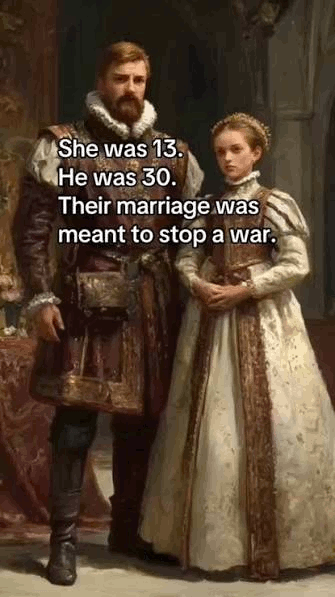
James IV and Margaret Tudor |
-
Despite the failure of the peace and James’s death in battle, the dynastic consequences of his marriage to Margaret Tudor proved enduring.
- She had been named in the royal will as regent to
their infant son who was now the new King of Scotland, James
V.
- Their great-grandson, James VI of Scotland, would ascend the English throne in 1603 as James I, uniting the crowns of England and Scotland.
- But the role of regent to James V came with a caveat,
she would only remain as regent if she remained single.
-
This was a role that was rare for a woman, even more so for
Margaret, because she was the sister of Scotland's enemy,
Henry VIII.
|
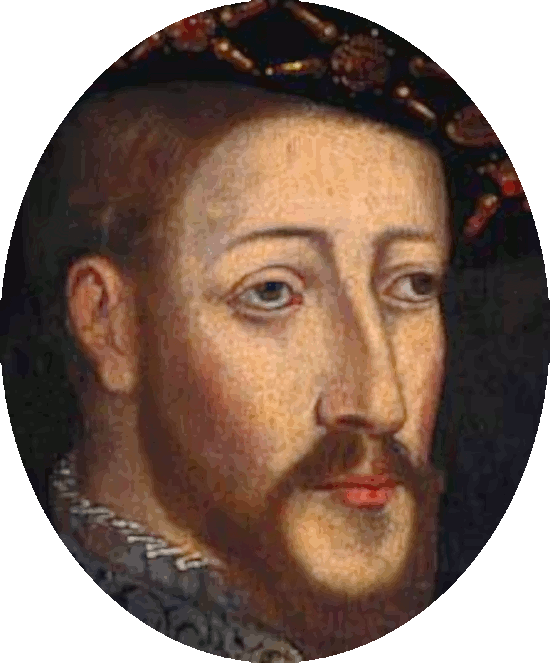
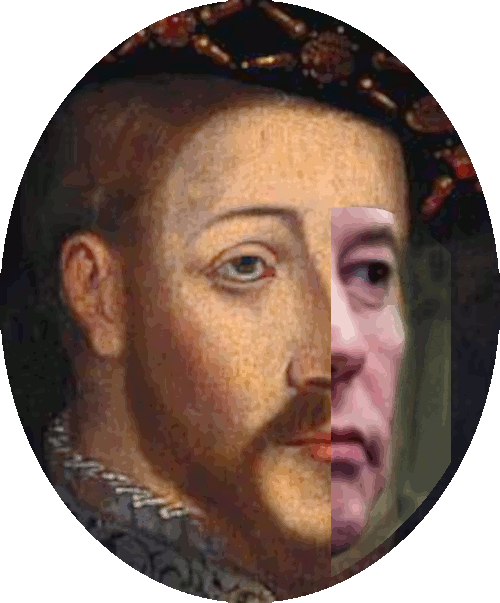
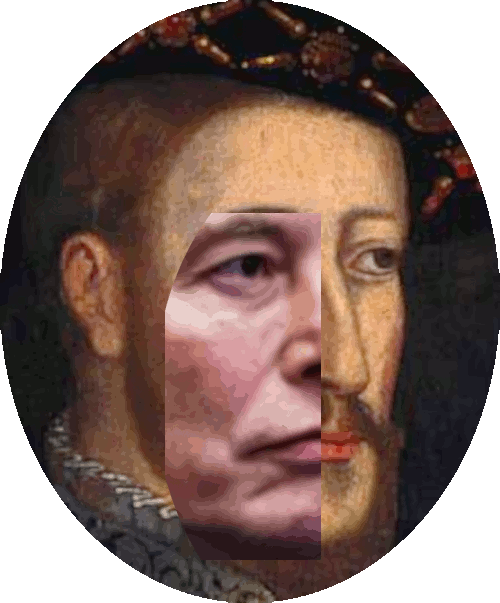
James V of Scotland as Elon Musk |
 |
 |
James V
1512-1542
4/10
12/14
King of Scotland |
Elon Reeve Musk
1971
6/28
Satan
from Alpha Centauri |
 |
 |
|
Guidman of Ballengeich |
- James V (1512-1542) was King of Scotland from September
9, 1513, until his death in 1542.
- He was crowned on September
21, 1513, at the age of 17 months.
- James was the son of King James IV and Margaret Tudor, daughter of Henry VII of England.
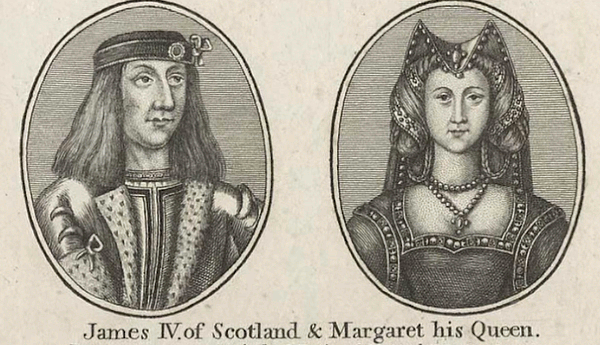
James IV and Margaret Tudor |
- In that ironic and roundabout way, the royal wedding of 1503 fulfilled its ultimate promise, laying the foundation for a single monarchy over both realms a hundred years later.
- Margaret was only 24 when James IV died and she ended up
ruling as regent for her infant son but surrounded by
enemies, she was forced to flee Scotland and went back to
England.
- It didn't take long before a pro-French party
started to gain momentum among Scottish nobility and they
urged that Margaret should be replaced and that John
Stewart, the 2nd Duke of Albany, the closest male heir to
the infant king should take her place as regent.
|
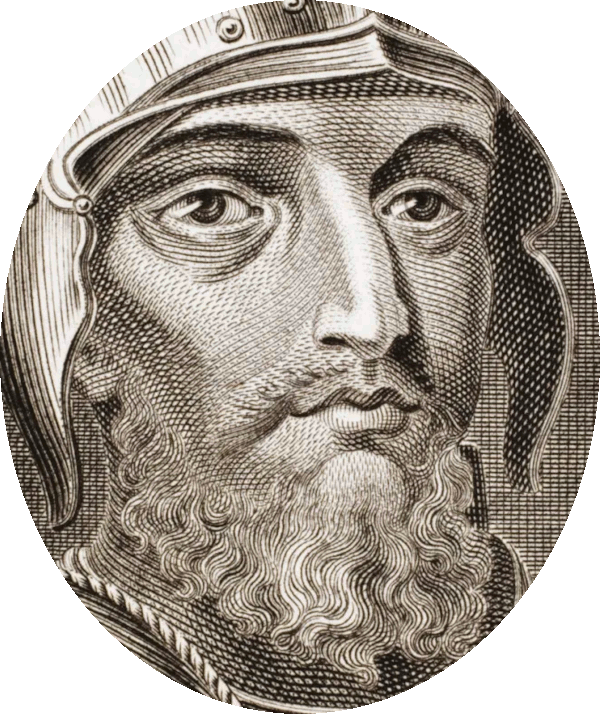
John Stewart as Donald Trump |
 |
 |
John Stewart
1482-1536
7/8
6/2
Regent of the Kingdom of Scotland
|
Donald John Trump
6/14
1946
Lucifer's
clone from Omega Centauri
|
 |
 |
|
Jehan |
- John Stewart, 2nd Duke of Albany (1482-1536) was the regent of the Kingdom of Scotland and the count of Auvergne and Lauraguais in France.
- He was a son of Alexander Stewart, Duke of Albany, son of King James II of Scotland
and was the only son of his father's 2nd marriage, to
Anne de la Tour d'Auvergne, daughter of Bertrand VI of
Auvergne.
- The Duke of Albany was born and bred in
France was seen as a living representative to the Auld
Alliance.
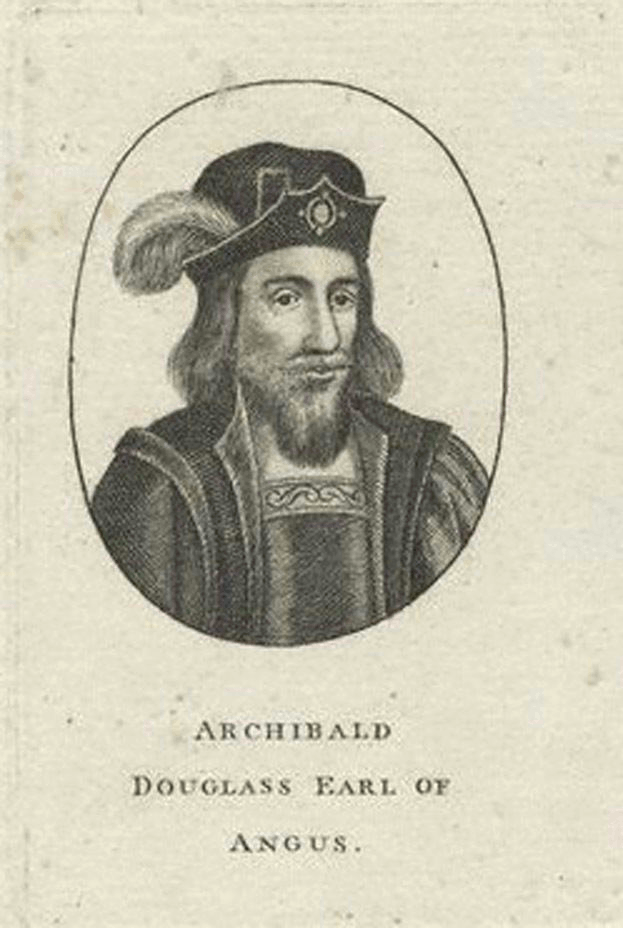
Angus anguish |
- This was not how Margaret saw the situation as she had
some degree of political skill and composure and she set
about healing the rifts.
- By July 1514, she had
reconciled the opposing parties to the point where Scotland
and France were once again at peace with England.
- It
would be a search for political allies amongst the fractious
Scottish nobility.
- But unfortunately, she took a fatal
step, after allowing good sense and prudence to be overruled
by emotion, she came across Archibald Douglas, the 6th Earl
of Angus who was lurking in the wings.
- The powerhouse
of the Douglas family and in particular, Archibald, who was
called a 'young witless fool' by his uncle, somehow found an
attraction for Margaret.
|
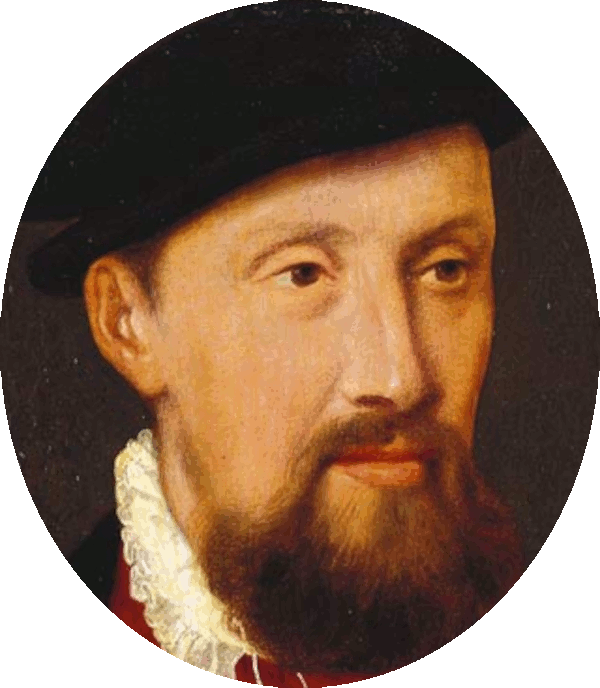
Archibald Douglas as Elon Musk |
 |
|
Archibald Douglas
c.1489-1557
?
1/22
6th Earl of Angus
|
Elon Reeve Musk
1971
6/28
Satan from Alpha Centauri
|
 |
 |
|
Young witless fool |
-
Archibald Douglas, 6th Earl of Angus (c.1489-1557) was a Scottish nobleman active during the reigns of James V and Mary, Queen of Scots.
- He was the son of George, Master of Angus, who was killed at the Battle of Flodden, and succeeded as Earl of Angus on the death of his grandfather, Archibald.
- Through his daughter, Margaret, he was the grandfather of Henry Stuart, Lord Darnley, and therefore the great-grandfather of James VI and I.
- Margaret became attached and fell in love with this new
man in her life.
- The Dowager Queen of Scotland secretly
married a 2nd time to Archibald Douglas, on August 6, 1514.
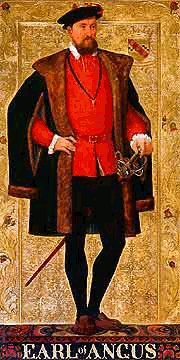
Douglas - Earl of Angus |
- Obviously, it wasn't the most prudent of steps to take
as by terms of the late king's will because if she remarried
she would have to give up the regent of Scotland.
- She married for love and lost her regency over her baby son as a result.
- Within a month of the wedding, John Stewart quickly
stepped in to replace her, and yet more bad news was to
follow.
- In September 1504, the Privy Council stated
that she no longer had any rights to her son, and that any
supervision of the infant would be taken away from her.
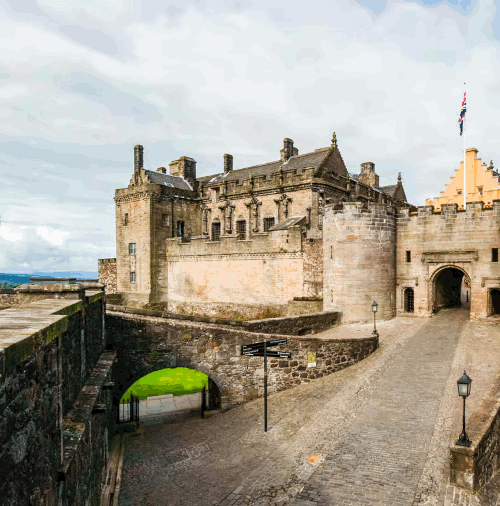
Stirling Castle |
- In a rage, she gathered some allies and her son and left
for Stirling Castle.
- Then, just 2 months later in
November 1514, Margaret penned a letter to her brother,
Henry VIII.
- She explained that all future letters
written by her hand would have the signature of Margaret R,
and from that he would know that they were genuine.
- But
other letters received by him, not signed this way could be
a part of a band of enemies now hoping to bring her down and
kidnap her son.
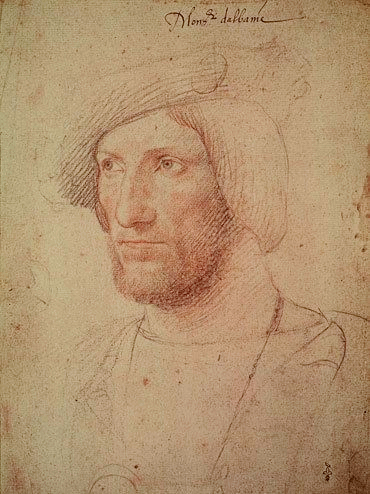
Duke of Albany |
- In May 1515, John Stewart, Duke of Albany, had control
and was now installed as regent.
- His initial task was
to gain hold of Margaret's 2 boys, James V and Alexander, but
Alexander died on December 18, 1515.
- At the time, both
were essential for him to claim the authority he needed as
regent.
- Margaret had little options left after some
initial defiance and she surrendered at Stirling Castle in
August.
- But the prince's, now in the hands of their
uncle, the only thing left for Margaret was to concentrate,
at least for that time being on the birth of her next child,
by her new husband, Archibald Douglas.
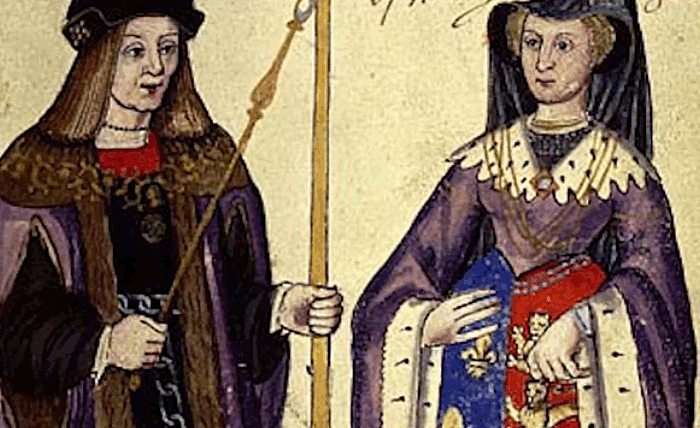
Douglas |
- For some time, her brother Henry VIII had been urging her
to flee to England with her sons.
- But the fear of her
son James, not gaining the Scottish throne had always
prevented Margaret from taking this step.
- However, once
her 2 sons were in the custody of their uncle, Margaret
secretly accepted Henry's offer of her personal safety at
the English court, but she was still pregnant with Angus'
child.
- She also was in great fear for her life under
the rule of the Privy Council of Scotland.
- But even now
as Queen Dowager, she was still forced to beg for permission
from the council just to travel.
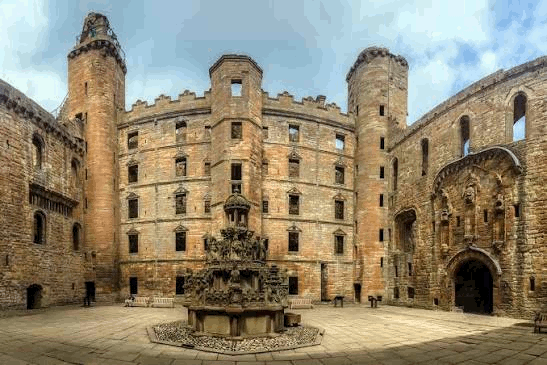
Linlithgow Palace |
- The permission eventually arrived and she was granted
leave to Linlithgow Palace, where it was said she would give
birth.
- This is the opportunity Margaret wanted, and
instead of going to Linlithgow, she escaped to Tantallon
Castle, and then, via Blackladder Castle and Coldstream
Priory, finally crossing the border into England.
-
Margaret was received by Thomas Dacre, Henry VIIIs Warden of
the Marches and taken to Harbotle Castle in Northumberland.
- There in early October 1515, she gave birth to a daughter,
Lady Margaret Douglas, the future Countess of Lennox and
mother of Henry Stewart.
- Lord Darnley was cousin and
2nd husband to Mary, Queen of Scots, and father of the
future James VI.
|
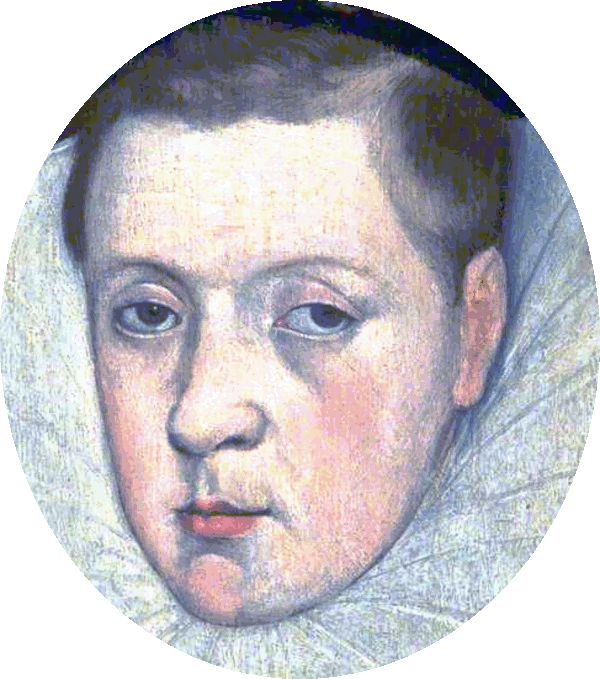
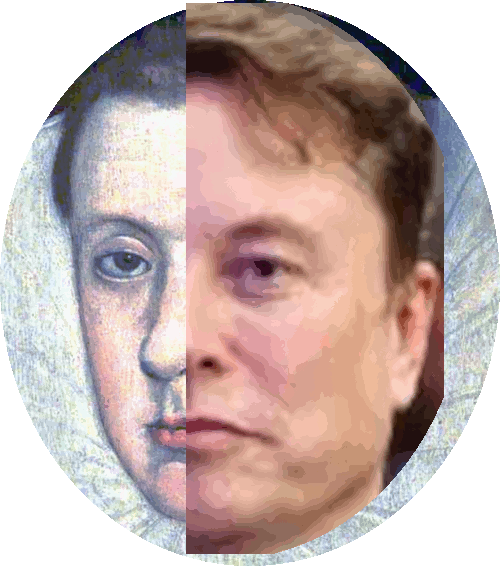
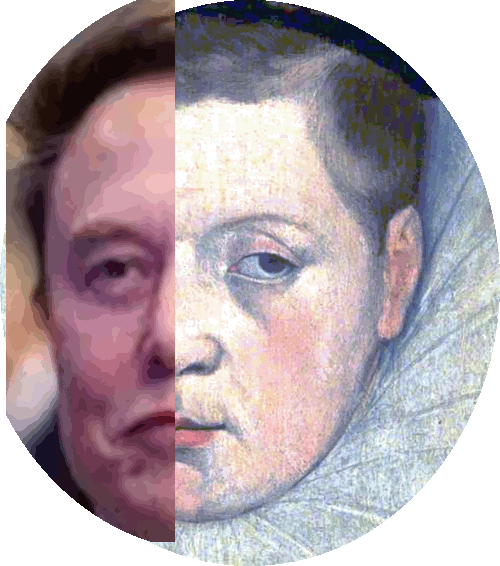
James VI and I as Elon Musk |
 |
 |
James Charles Stuart
1566-1625
6/19
3/27
King of England, Ireland and Scotland |
Elon Reeve Musk
1971
6/28
Satan
from Alpha Centauri
|
 |
 |
|
Scottish school |
- James VI and I (1566-1625) was King of Scotland as James VI from July
24, 1567, and King of England and Ireland as James I from the union of the Scottish and English crowns on March
24, 1603, until his death in 1625.
- Though he long attempted to get both countries to adopt a closer political union, the kingdoms of Scotland and England remained sovereign states ruled by James in personal union, with their own parliaments, judiciaries and laws.
- James was the son of Mary, Queen of Scots, and a great-great-grandson of Henry VII, King of England and Lord of Ireland, and thus a potential successor to all
3 thrones.

Harbotle Castle now in ruins |
- It was while she stayed in the north of England that
Margaret heard about the death of her younger son,
Alexander, and it had been hinted that the Duke of Albany
was responsible.
- Margaret, even in her vulnerable state
refused to accept this, saying that if he really aimed at
securing the throne for himself, the death of her son James
would have better suited his purpose.
- It was also at
this time that she at last began to get the measure of
Angus, with an eye on his own welfare, returned to Scotland
to make peace with the regent.
- But when Henry VIII
learned that Angus would not be accompanying his sister to
London, he said, 'done like a Scot.'
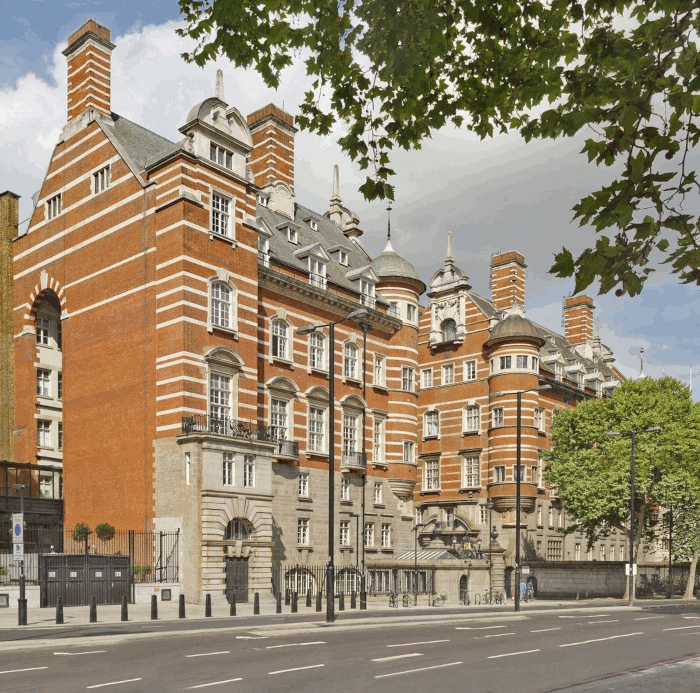
Scotland Yard |
- The problem for
Archibald Douglas, or Angus was that all his wealth and even his
influence was tied up in Scotland.
- So if he failed to
gain favor, again from the Scottish hierarchy, he risked the
possibility of forfeiture, and that would ultimately lead to
treason.
- Margaret now alone traveled south to London
and was warmly welcomed by her brother, Henry VIII.
- She stayed at
Scotland Yard, which at the time was the royal residence for
Scottish kings in London.
- Just one year later, in 1517,
Margaret returned north after a treaty of reconciliation had
been worked out by the Duke of Albany, Henry VIII and
Cardinal Wolsey.
- Albany was temporarily absent in
France when he renewed the Auld Alliance once more and that
made arrangements for a future marriage for Margaret's son
James.
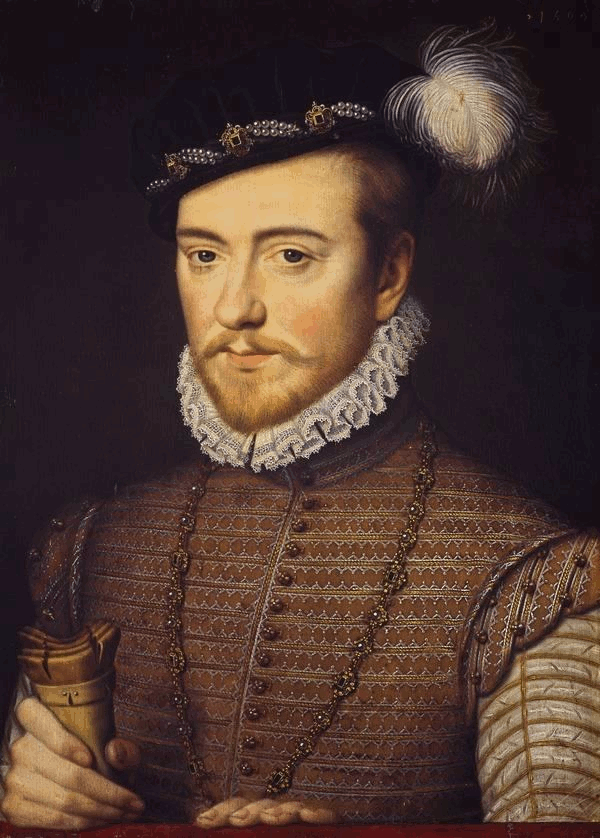
Archibald Douglas, Earl of Angus |
- When Margaret arrived at the border of Scotland, she was
met by her husband, Archibald Douglas, and although initial
pleasantries were offered, it would not take take long for
their marriage to decline.
- Margaret had discovered that
while she was in England, Angus had been living with Lady
Jane Stewart's, his former lover.
- The cheating was bad, but
made worse by the fact that the couple was living off
Margaret's money.
- In October 1518, she wrote to her
brother Henry VIII, hinting at divorce, 'I am sore troubled
with my Lord of Angus since my last coming into Scotland,
and every day, more and more, so that we have not been
together this half-year.'
|
I am so minded so that, and I may by law of God
and to my honor, to part with him, for I wit while he
loves me not as he shows me daily. (Margaret,
Dowager Queen of Scotland)
|
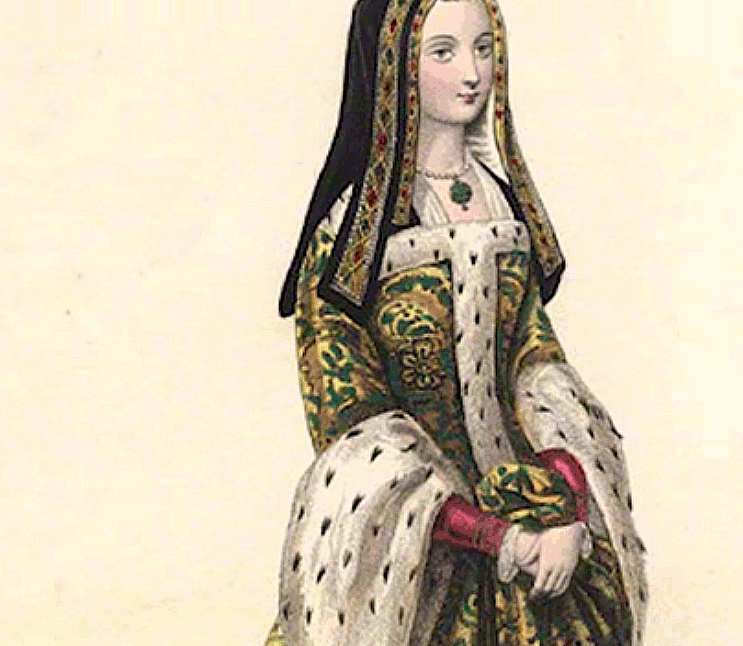
Margaret travels |
- Margaret sought a divorce once she discovered that her
2nd husband not only had a mistress and an illegitimate daughter, but had also seized some of her property and openly lived there with both her and his illegitimate child.
- Margaret was already the mother of James V of Scotland, with her first husband, James IV, and Margaret Douglas, with Angus.
- Back in England, Henry VIII was now troubled by the recent
events playing out north of the border.
- He was opposed
to the divorce, quite ironic for the man whose future
beliefs would impact his own marital status later in life.
- Angus was a useful ally for Henry and an effective
counterweight to Albany and the pro-French faction.
- But
all this talk angered Margaret, she called for Albany to
return to Scotland but he refused and said that she should
now take the role as regent.
|
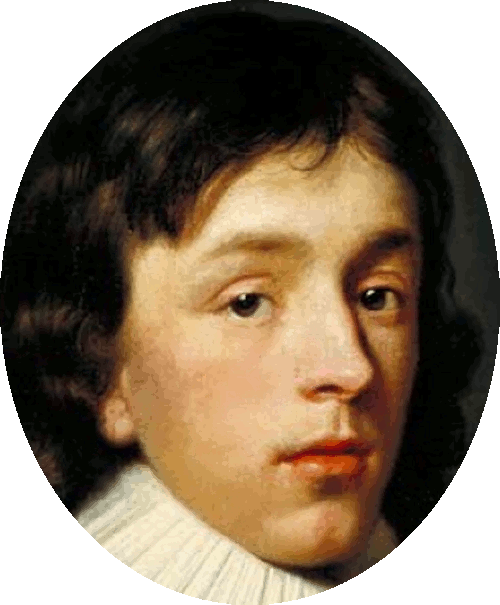
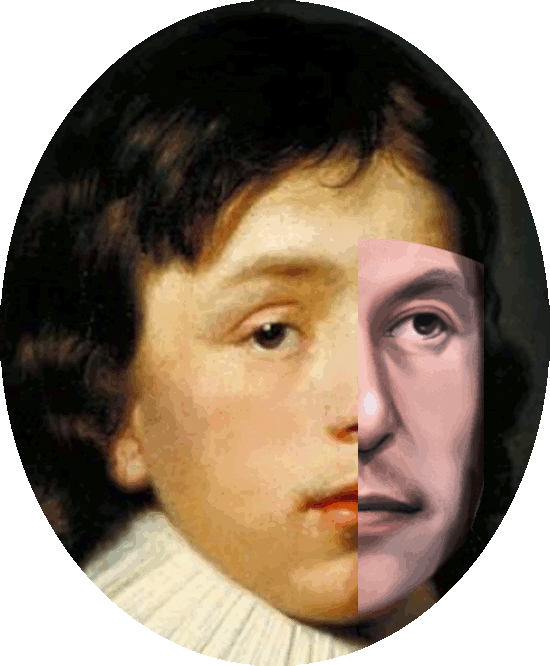
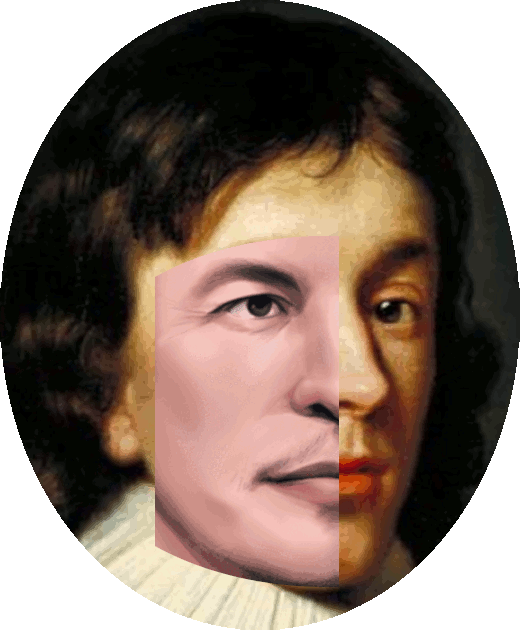
James Hamilton as Elon Musk |
 |
|
James Hamilton
c.1475-1529
9th Lord High Admiral of Scotland
|
Elon Reeve Musk
1971
6/28
Satan
from Alpha Centauri |
 |
 |
|
Regent Arran |
- James Hamilton, 1st Earl of Arran and 2nd Lord Hamilton (c.1475-1529) was a Scottish nobleman, naval commander and first cousin of James IV of Scotland.
- He also served as the 9th Lord High Admiral of Scotland.
- These latest developments did little to solve the
problems with her marriage to Angus and the ongoing dispute
continued for another 3 years.
- It became more
complicated and feuding began between Angus and James
Hamilton, the 1st Earl of Arran.
- Margaret was now dizzy,
she had no idea which side to join, often siding with one,
before switching to the other.
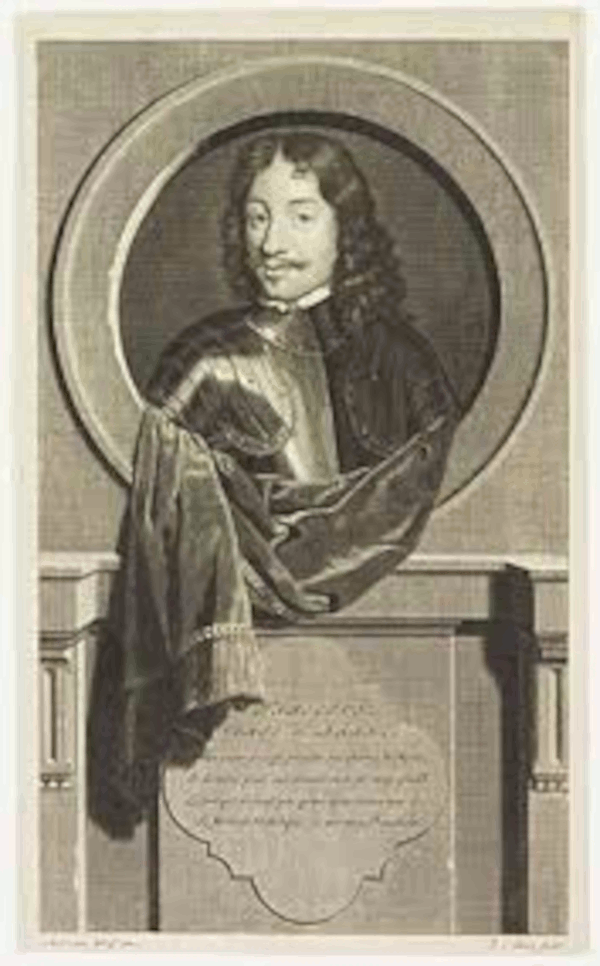
James Hamilton, 1st Earl of Arran |
- In November 1521, Albany finally arrived back in
Scotland and was warmly received by Margaret.
- It was
soon rumored that their cordial relations embraced more than
politics.
- Angus went into exile while the regent, with
the full cooperation of the Queen Dowager set about
restoring order to a country riven by 3 years of intense
fractional conflict.
- Margaret had other uses for
Albany, he was said to have influence in Rome which
hopefully would solve her problem and marriage to Angus and
gain her the divorce she wanted.
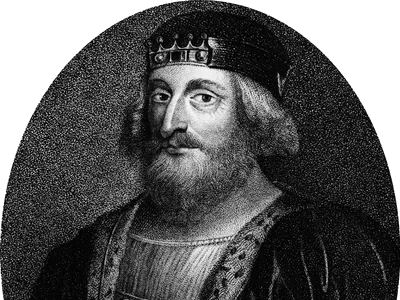
Regent Albany |
- Yet Angus and his allies spread the rumor that
Margaret and Albany were lovers to such effect that even the
sober headed Lord Dacre wrote to Cardinal Wolsey predicting
that James V would be murdered and Albany would become king and marry
Margaret.
- However, the newly formed relationship wasn't
at all what it seemed, the 2 of them at heart had only
soul preservation at the forefront of their minds, not
romance, as upcoming events would show.
- Although
Margaret had tried in vain to solve her problems and act in
the best way a Scottish regent should, her heart and outlook
always focused on her homeland of England.
- She desired
a better understanding between the 2 nations and now looked
for an alliance, as going back to the bloody border days of
England would neither help her cause or anyone else.
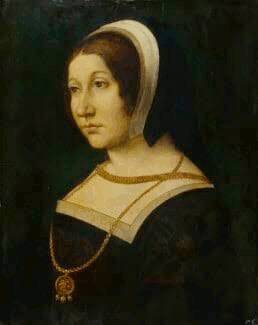
Dowager Queen |
- Albany was now once again in France, so Margaret took hold
of the ropes and formed her own party.
- It would be in
1524 that the regent was removed and with help from James
Hamilton, 1st Earl of Arran, she brought her son James, now
12 years old back to Edinburgh.
- This was a bold and
popular move, as for Albany, he never returned to Scotland
and died in 1536.
- In August, Parliament declared the
regency at an end and James V was elevated to full kingly
powers.
- In practice, he would continue to be governed
by others, his mother above all.
- After objections, it
was finally formalized that Margaret would become the chief
counselor to the upcoming King James V.
- Margaret's
alliances inevitably alienated other noble houses and she
formed a new attachment, this time to Henry Stewart.
|
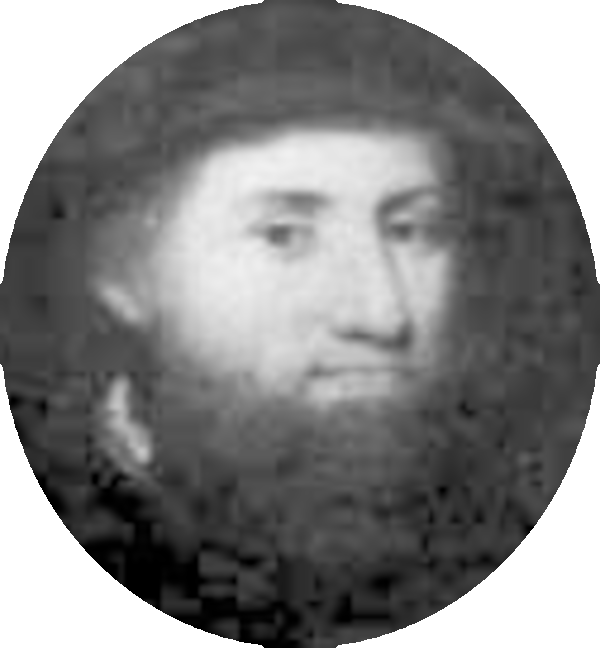
Henry Stewart as Elon Musk |
 |
|
Henry Stewart
c.1495 -1552
? ?
1st Lord Methven
|
Elon Reeve Musk
1971
6/28
Satan from Alpha Centauri
|
 |
 |
|
Fighting for power |
-
Henry Stewart, 1st Lord Methven (c.1495 -1552) was Master of the Scottish Artillery and
3rd, and last husband, of Margaret Tudor, eldest daughter of Henry VII of England and Elizabeth of York.
- Stewart was a younger brother of Lord Avondale, and he was
promoted to senior office, angering the Earl of Lennox,
among others, who promptly entered into alliance with
Margaret's estranged husband, Archibald Douglas, who would
not go away.
- When Margaret had been confirmed through
Parliament in November as chief, Archibald Douglas rode to
Edinburgh with a large group of men and staked a claim to
enter Parliament.
- Margaret this time, drew on powers
that would send repercussions through the court, she engaged
guns from both the castle and Holyrood House to fire.
- But this didn't go well, 2 English ambassadors were
staying with her at the time, but her words of defiance were
swift, and she told them to go home and not meddle in
Scottish affairs.
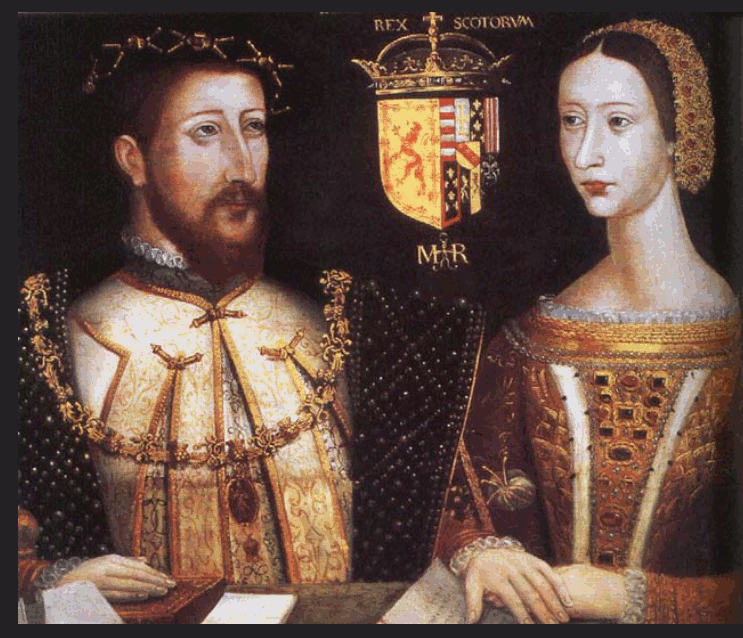
James V and Queen Marie de Guise
parents of Mary, Queen of Scots |
- During Margaret's son James V childhood, Scotland was governed by regents, firstly by his mother until she remarried, and then by his first cousin once removed, John Stewart, Duke of Albany.
- Archibald Douglas backed away but he would be back and
pressure was placed on Margaret that she should allow him
back.
- This actually occurred in February 1525, and for
Douglas it was a success so much so that he not only gained
access, but took custody of James V and refused to give him
up for the next 3 years.
- For James V his continued growth
would lead to an abiding hatred of both the House of
Douglas, and now the English.
- It was now a time of new
political realities, Margaret tried to resist but was
eventually broken and now the long suffering divorce on
Angus was becoming more obsessive and it took precedence
over everything else.
|
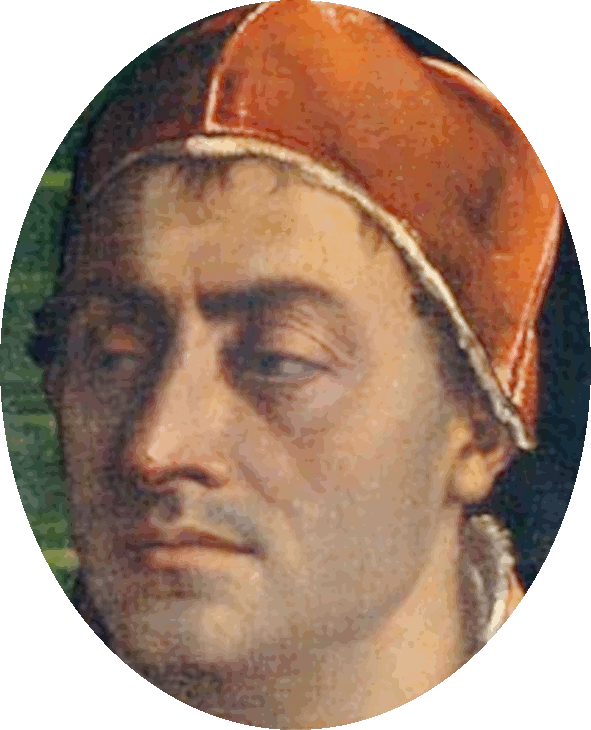
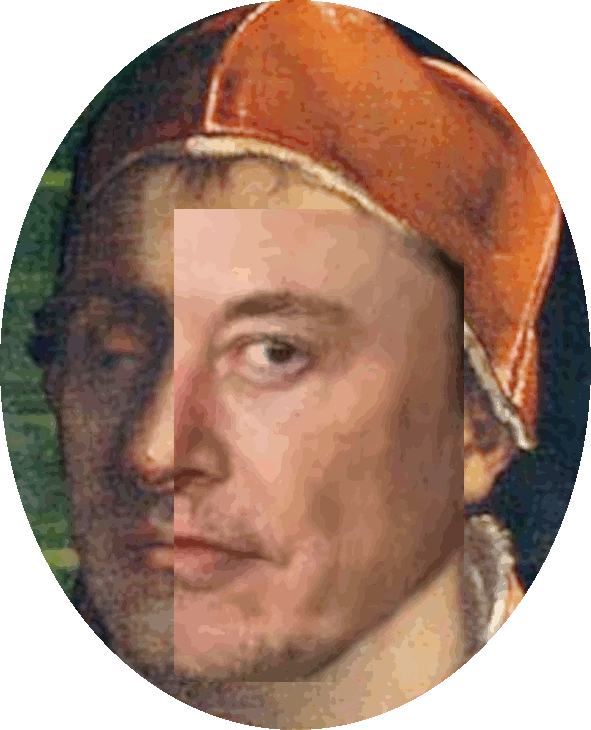
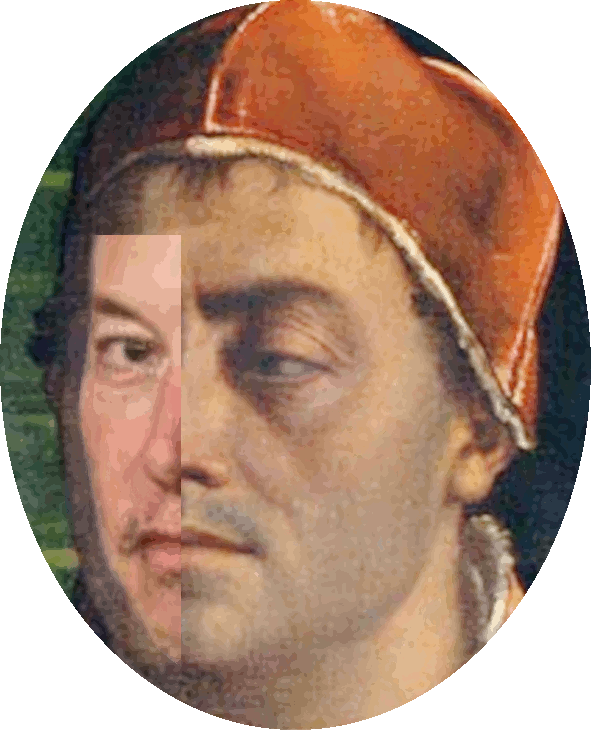
Pope Clement VII as Elon Musk |
 |
 |
Giulio di Giuliano de' Medici
1478-1534
5/26
9/25
Pope
|
Elon Reeve Musk
1971
6/28
Satan from Alpha Centauri
|
 |
 |
|
Butcher of Cesena |
- England broke away from the Catholic
church and Henry VIII declared himself head of a brand new Church
of England and just like that, he had the power to grant his
own annulment..
- Pope Clement VII (1478-1534) was head of the Catholic Church and ruler of the Papal States from November
19, 1523, to his death in 1534.
- Margaret felt that
anything now would suffice to remove once and for all the
husband she deeply despised.
- Finally, in March 1527,
Pope Clement VII granted her petition, although the
political situation in Europe held up the announcement and
would eventually be in December, she learned of her good
fortune.
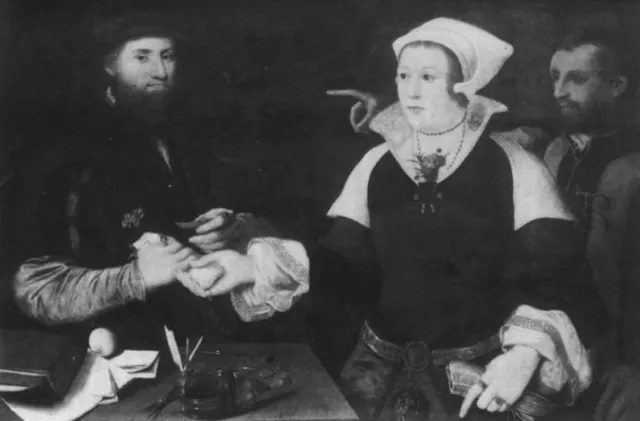
Margaret and Henry Stewart |
- Archibald Douglas seized control of the young King James V (his stepson) in 1526 and ruled Scotland as a virtual dictator for
2 years.
- He fled to England in 1528 after being attainted for treason, remaining in exile until James V died in 1542.
- Archibald Douglas, the 6th Earl of Angus, spent his life fighting for power, survived exile in England, returned to military command, and died peacefully at Tantallon Castle in January 1557.
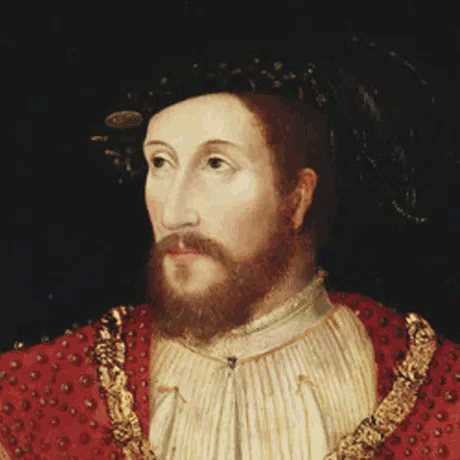
James V as King |
- Henry
Stewart and Margaret Tudor were married on March 3, 1528, after Margaret's long-sought divorce from her
2nd husband, Archibald Douglas, 6th Earl of Angus, was finally granted.
- She ignored the warning from Cardinal Wolsey that the
marriage was divinely ordained, along with the shameless
sentence sent from Rome.
- James's personal rule began in 1528, when he finally escaped the custody of his stepfather, Archibald Douglas, 6th Earl of Angus.
- His first action was to exile Angus who fled the
country, and confiscate the lands of the Douglas'.
- For
Margaret, this was an early reward for both herself and new
husband reemerging as the leading advisors to King James V.
- But Stewart himself had a much darker side, one in which
Margaret would yet again come to regret.
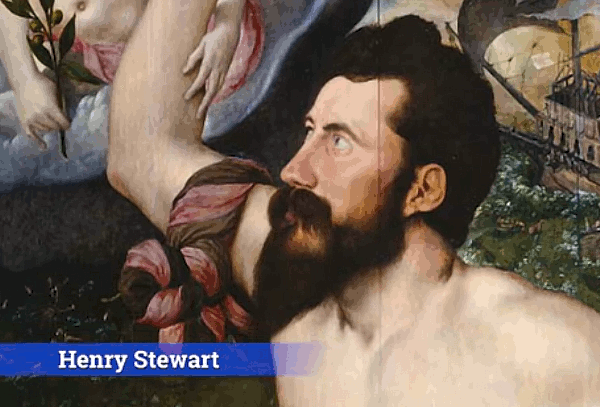
Henry Stewart darker side |
- The main goal for Margaret had always been to provide
harmony between Scotland and England, and not forgetting her
own self-preservation along the way.
- Reaction to the marriage was swift: Margaret and Henry were besieged at Stirling Castle by Lord Erskine, with the support of James V
and Henry was imprisoned.
- Her son James V had been
suspicious of Henry Stewart, especially because of his support
for Archibald Douglas, a man he loathed with a passion.
-
Even so, in early 1536, his mother persuaded him to meet
with her brother, Henry VIII, and this would become her
moment of triumph, or so she thought.
- After spending
huge sums of money and creating an occasion like no other,
this all came to nothing due to concerns and objections
raised.
- She spoke privately with an English ambassador
and confessed, 'I am weary of Scotland.'
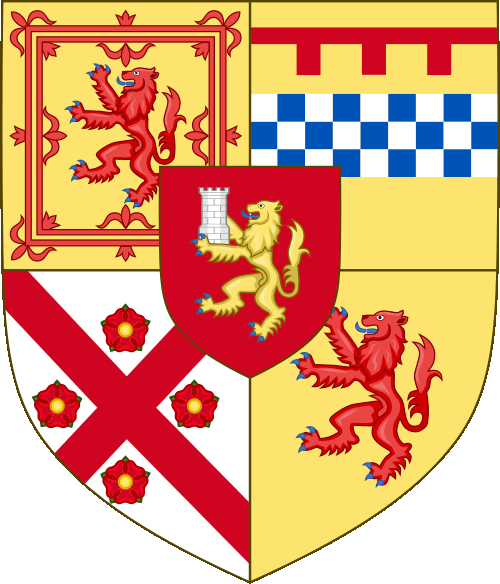
Henry Stewart Coat of Arms |
- Being weary of a country is one thing, but being weary
of yet another husband whose only interest were other women
and spending her money, was another.
- And not at all the
thing she wanted to confront again, but once again, she was
eager for divorce.
- However, proceedings were frustrated
by her son James V, who she believed her husband Henry
Stewart had bribed.
- As so often in Margaret's life,
suffering and unhappiness were closely pursued by intrigue
and abandonment.
- At one point, she ran away towards the
border only to be intercepted and brought back to Edinburgh.
- But she continued writing letters to Henry VIII for help,
claiming poverty and the need for protection and to stop
from feeling it was her duty to follow her son around like a poor
gentle woman.
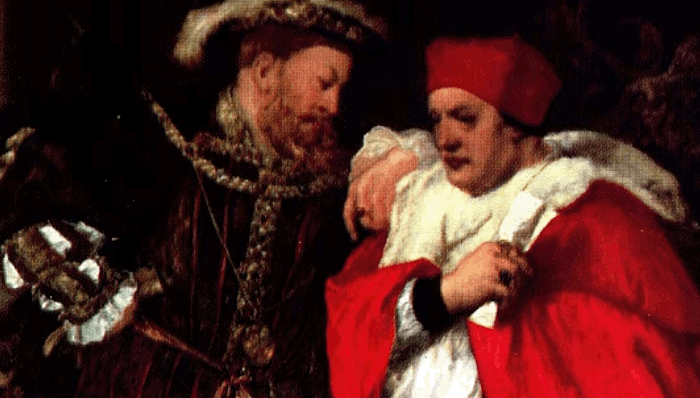
Henry VIII and Cardinal Wolsey |
- So Henry decided in the goodness of his heart to send
her 200 pounds and a parcel of luxury fabric.
- The
fabric was for a costume to wear at her son's wedding to
Madeleine of Valois.
- The wedding was arranged as a
condition of the Treaty of Rouen, and James V was originally
to be betrothed to another bride, be he preferred Madeleine.
- They married, but her health which had been poor since
birth failed and she died 6 months after the wedding.
-
It would be the last time that Henry VIII would support his
sister.
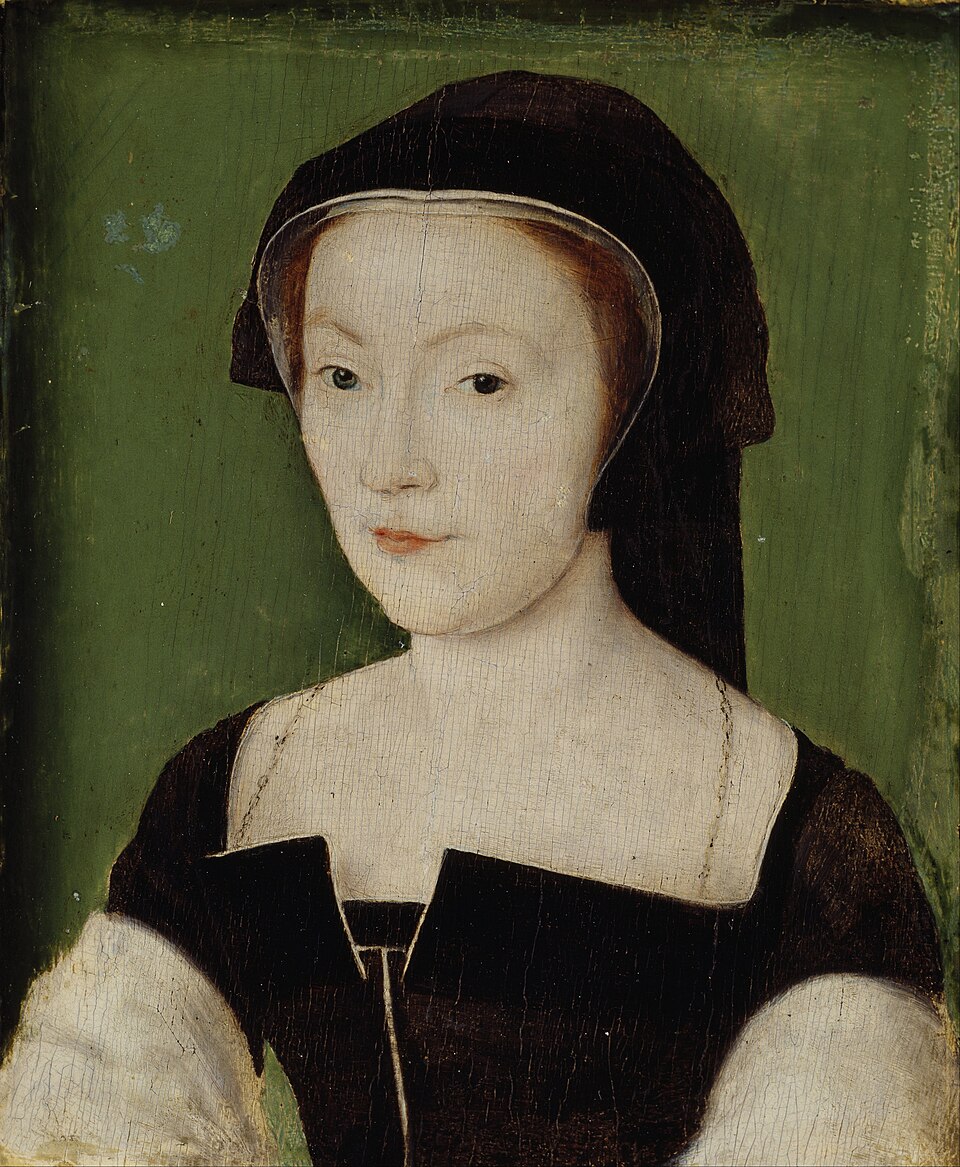
Public Domain, via Wikimedia Commons
Mary of
Guise |
- In June 1538, Margaret welcomed Mary of Guise, who was
James 2nd French bride to Scotland.
- The 2 of them were
Scotland's most formidable queens in Scottish history and
immediately hit it off together.
- Mary of Guise made
sure that Margaret would soon make regular visits to court
to see and speak with her most valuable asset, her son, now
King James V.
- On October 18, 1541, Margaret died at
Methven Castle after it was reported that she had palsy,
possibly resulting from a stroke and without fully
recovering.
- Although Margaret never doubted she would
make a full recovery, as a result, she made no will.
- A
message was sent to King James V who was at Falkland Palace
but his arrival was too late.
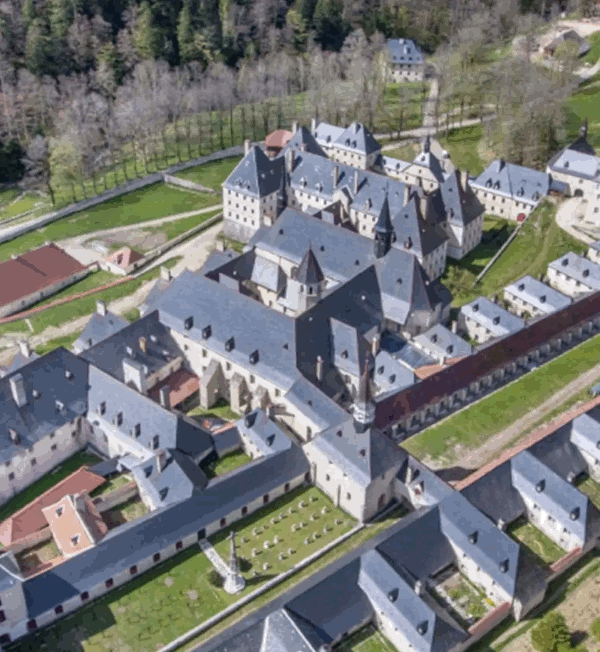
Carthusian Charterhouse |
- Near the end, she wished that the friars who attended
her would seek the reconciliation of the King and the Earl
of Angus and that the King would give her possessions to her
daughter, Lady Margaret Douglas.
- When James V finally
did arrive, he ordered Oliver Sinclair and John Tennant to
backup her belongings for his own use.
- Margaret was
buried at the Carthusian Charterhouse in Perth, although the
building no longer exists as it was demolished during the
Reformation in 1559.
- Margaret's life was hectic, often at a level difficult to
understand and she had no education, next to no religion,
and she was guided by her own instincts and sold off as a
bride by her father at age 6.
- This was a betrothal
that was not done for love, but for the power and the Treaty
of Perpetual Peace and on a personal level, all 3 of her
marriages ended badly.
Mary Tudor
Queen of France |
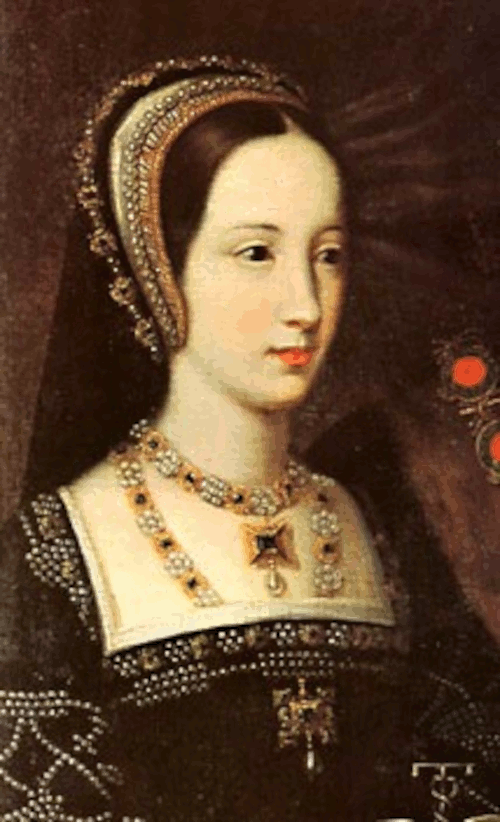
Public domain, via Wikimedia
Commons
The Rebel Queen |
- Mary Tudor (1496-1533) was an English princess who was
briefly Queen of France as the 3rd wife of King Louis XII who was more than 30 years her senior.
- Mary was the 5h child of Henry VII of England and Elizabeth of York, and the youngest
of their children to survive infancy.
- Her brother, Henry
VIII, who was 4 years older, and Mary were incredibly close
in childhood and he called her his favorite sister and best
friend.
- She risked treason
and execution to marry the man of her dreams but ended up with
disaster.
- Was it really love or was Mary just another
pawn in Charles Brandon's ruthless game?
- Because this
wasn't the first time he used a woman for money and power and
it wouldn't be the last.
|
Mary Tudor was born in an auspicious time for the House of Tudor. When her father, Henry VII, wed her mother, Elizabeth of York, the marriage finally brought together the bitter factions of the Wars of the Roses. Yet with great power comes great screw-ups. Henry VII sought to marry off all his well-bred children to influential ruling families....with disastrous results.
(Samantha Henman)
|
|
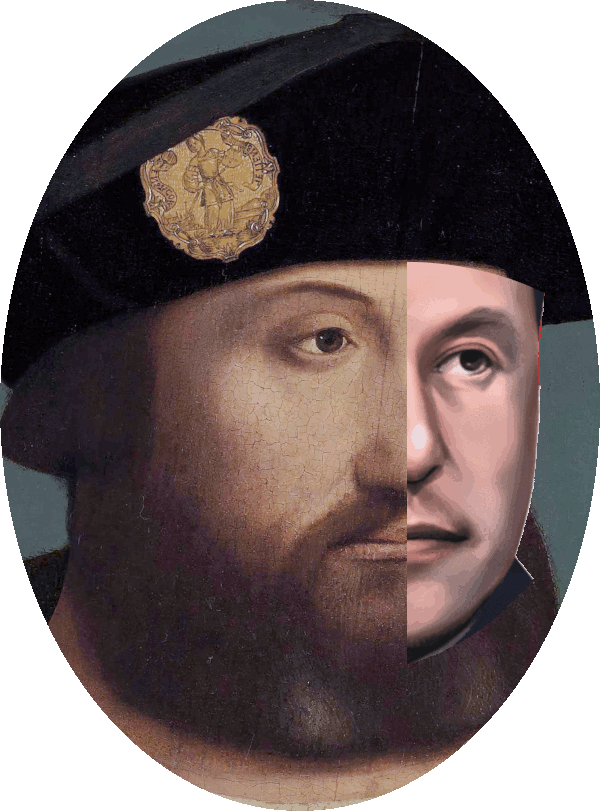
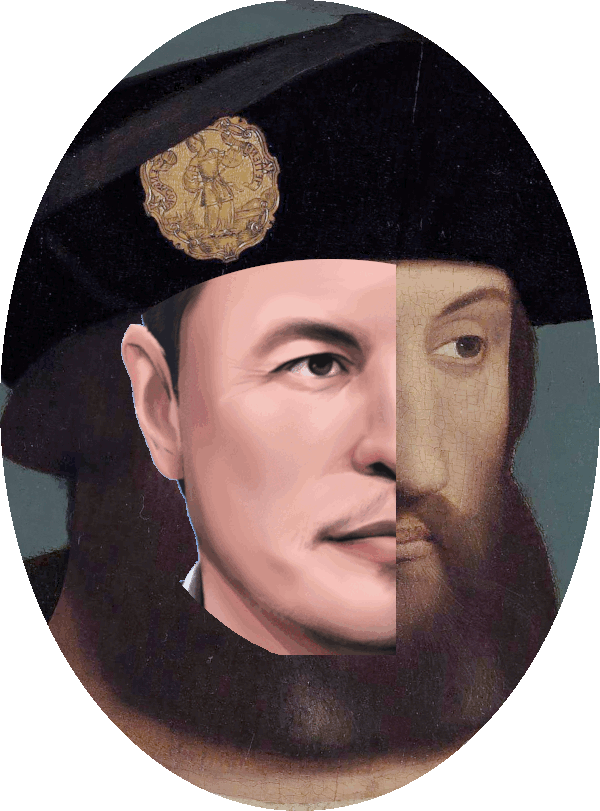
Charles Brandon as Elon Musk |
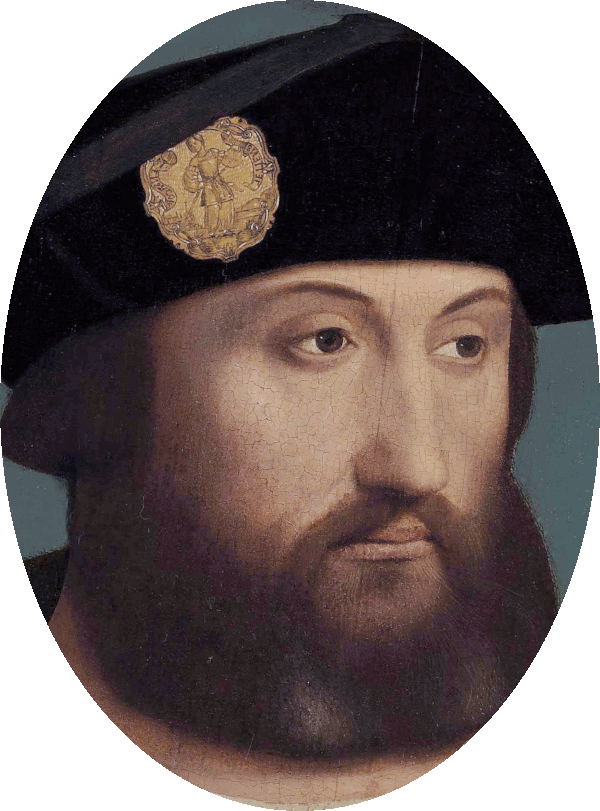 |
|
Charles Brandon
c.1484-1545
?
8/22
English nobleman |
Elon Reeve Musk
1971
6/28
Satan from Alpha Centauri |
 |
 |
|
The 2nd King |
- Charles Brandon, 1st Duke of Suffolk (c.1484-1545) was an English military leader and courtier.
- Through his 3rd wife, Mary Tudor, he was the brother-in-law of King Henry VIII.
- Born in 1484, Brandon was the 2nd but only
surviving son of Sir William Brandon, Henry Tudor's standard-bearer at the Battle of Bosworth Field.
- William Brandon was killed during the battle.
- Charles Brandon's mother, Elizabeth Bruyn (d. March 1494), was the daughter and co-heiress of Sir Henry Bruyn (died 1461).
- Brandon,
who was a close friend of Henry VIII, had previously traveled to Paris in November 1514, for tournaments
in the French Court celebrating Mary’s marriage to the elderly King Louis XII.
- He was a charming 'nobody' who climbed from poverty to
become a Duke.
|
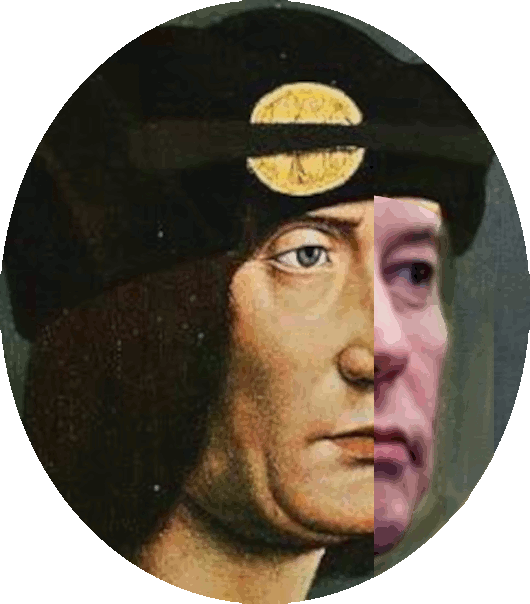
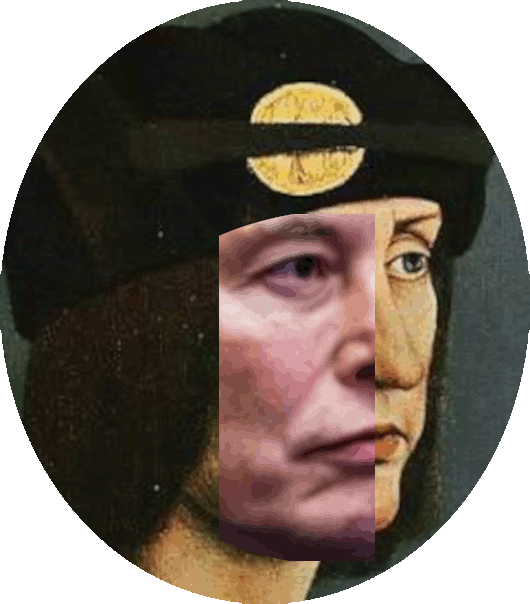
Louis VII of France as Elon Musk |
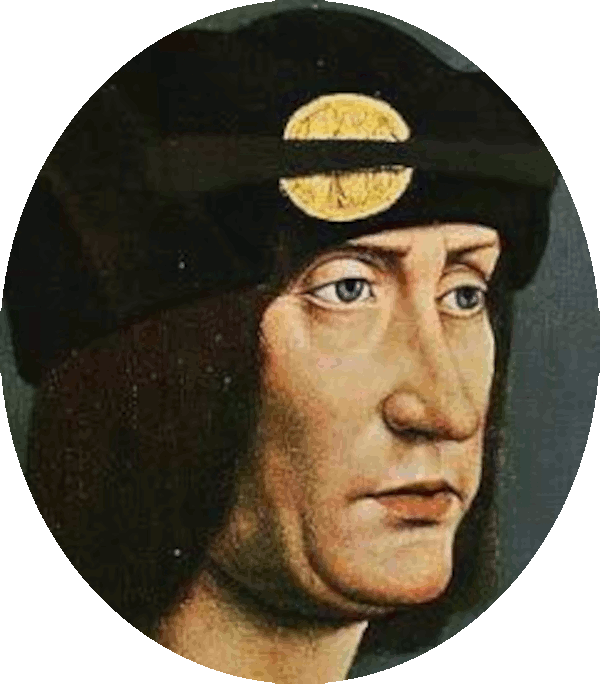 |
|
Louis XII
1462-1515
6/27
1/1
King of France |
Elon Reeve Musk
1971
6/28
Satan
from Alpha Centauri |
 |
 |
|
Louis of Orléans |
- Louis XII (1462-1515), also known as Louis of Orléans, was King of France from 1498 to 1515 and King of Naples (as Louis III) from 1501 to 1504.
- The son of Charles I, Duke of Orléans, and Marie of Cleves, he succeeded his
2nd cousin once removed and brother-in-law, Charles VIII, who died childless in 1498.
- Louis was the 2nd cousin of King Louis XI, who compelled him to marry the latter's disabled and supposedly sterile daughter Joan.
- By doing so, Louis XI hoped to extinguish the
Orléans cadet branch of the House of Valois.
- When Louis XII became king in 1498, he had his marriage with Joan annulled by Pope Alexander VI and instead married Anne, Duchess of Brittany, the widow of Charles VIII.
- This marriage allowed Louis to reinforce the personal Union of Brittany and France.
Public domain, via Wikimedia
Commons
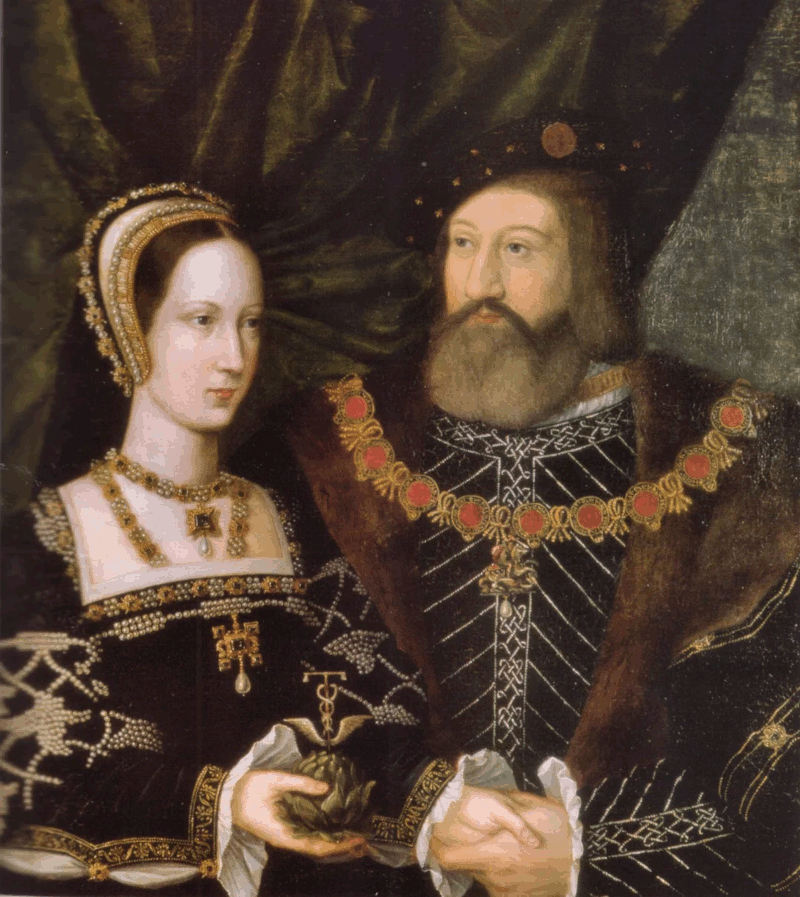
Princess Mary and Charles Brandon |
- After Anne’s death, Louis married Mary Tudor, the sister of Henry VIII of England, in Abbeville, France, on October 9, 1514.
- This represented a final attempt to produce an heir to his throne, for despite two previous marriages the king had no living sons.
- Shortly after, Louis XII died on January 1, 1515, Henry VIII dispatched
Charles Brandon to France to bring his widowed sister,
Mary, the Dowager Queen of France, back to English control.
- Instead of merely escorting her, Brandon and Mary, who had a mutual affection, decided to take matters into their own hands.
- Fearing Henry VIII would use Mary for another political marriage, they married in secret in France in February 1515, before returning to England.
|
The philosopher Erasmus once described her by saying, “Nature never formed anything more beautiful.”
(Samantha Henman)
|
|
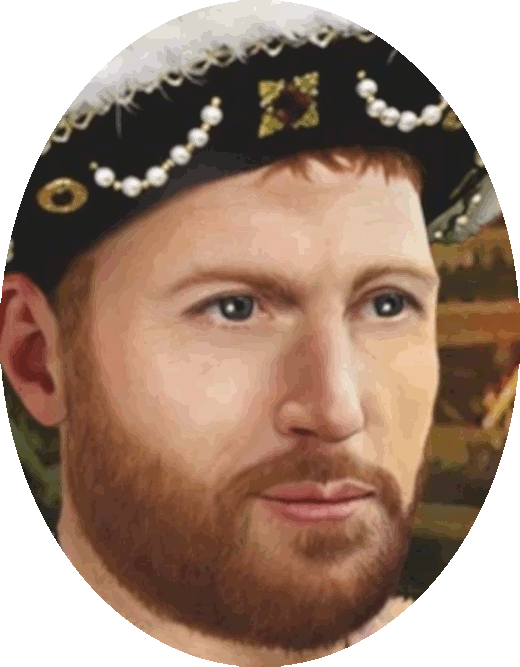
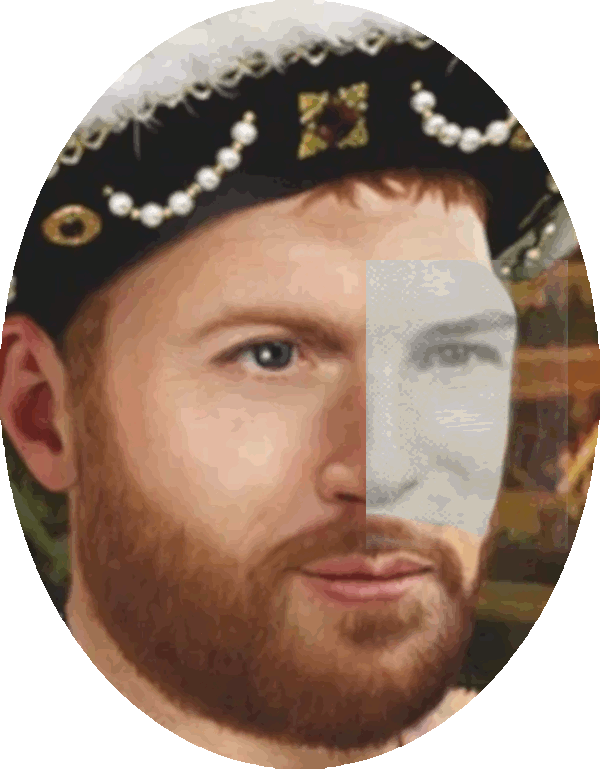
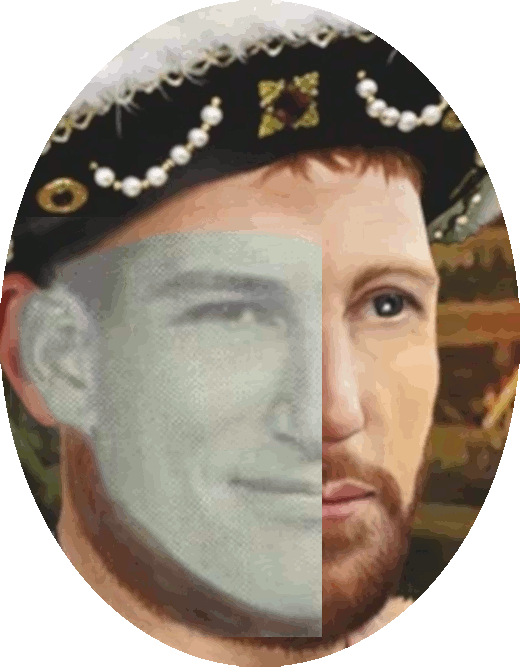
Henry VIII as Dennis McCluskey (Lucifer) |
 |
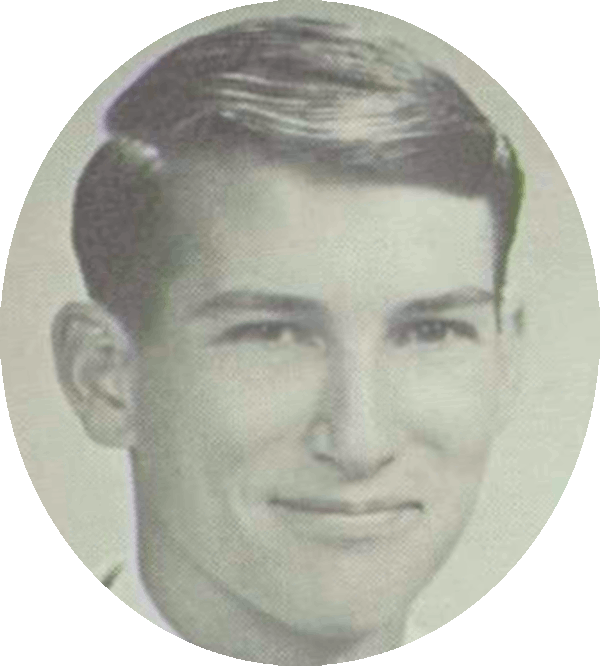 |
Henry Tudor
1491-1547
6/28
1/28
King of England and Ireland
|
Dennis Owen McCluskey
1947
7/27
Jesus
Christ/Lucifer shapeshifter from Alpha Centauri |
 |
 |
|
The Lost Castle |
- Henry VIII was initially furious because the unauthorized marriage of a royal princess was viewed as an act of high treason.
- Influenced by his affection for his sister and mediation by Cardinal Thomas Wolsey, Henry spared Brandon's life.
- The couple faced a massive financial penalty, surrendering much of Mary's French wealth.
- They had a formal, public wedding ceremony on May 13, 1515, at Greenwich Palace, attended by Henry VIII and Catherine of Aragon, officially sanctioning the match.
- However, Brandon was not faithful to Mary. He had an illegitimate son during their marriage.
|
As a teen, Mary was just bouncing back when tragedy struck yet again. Her father Henry VII passed of tuberculosis in April 1509, when Mary was only 13. The devastation didn’t end there. Mary also lost her grandmother, Margaret Beaufort, just two months later. Now Mary had quite literally no one but her brother Henry to rely on, which history says is not a good idea. (Samantha Henman)
|
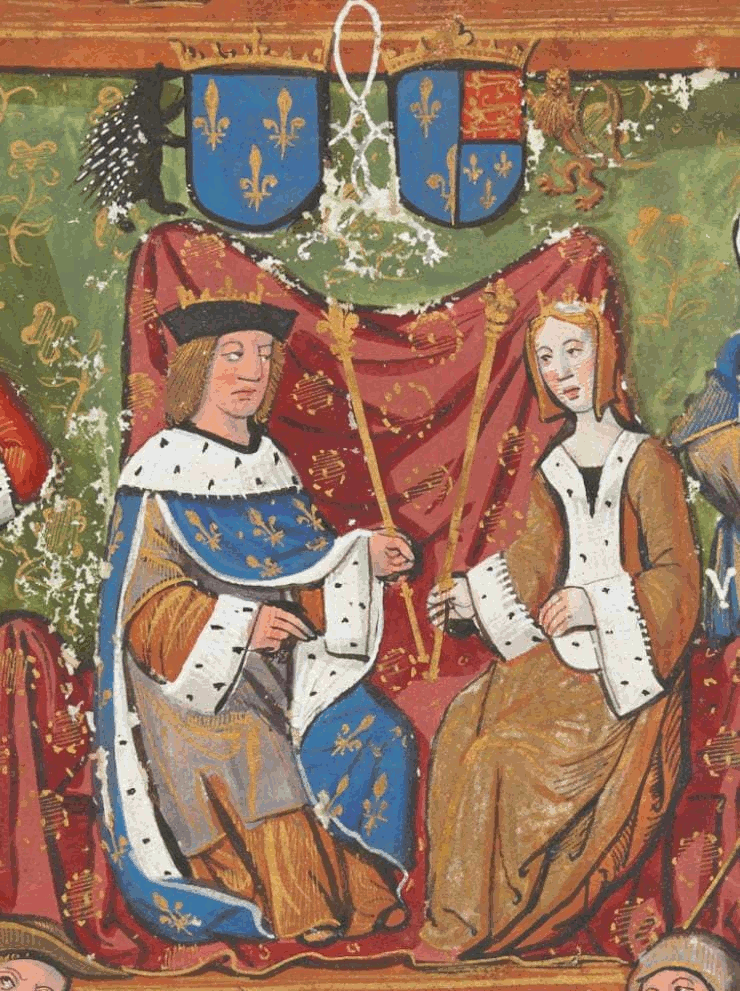
Louis XII and Mary Tudor |
- Charles Brandon didn't just marry a queen, he angered Henry
VIII, shocked the royal court, and survived a scandal that
could have destroyed any lesser man.
- How did he get away
with it, and how did one man turn betrayal and treason into
survival and why did Mary's fairy tale romance end in tragedy?
|
In 1509, the newly-minted King Henry VIII took the English throne—but if Mary thought her brother's coronation would bring stability to her life, she was very wrong. At this point, Mary was 13 years old and still betrothed to Charles of Castile, like she'd been for literal years. But when Henry VIII came to power, those plans went to smithereens. In 1513, Henry called his sister's engagement off and betrothed her to a more advantageous suitor: King Louis XII of France. (Samantha Henman)
|
Public domain, via Wikimedia
Commons
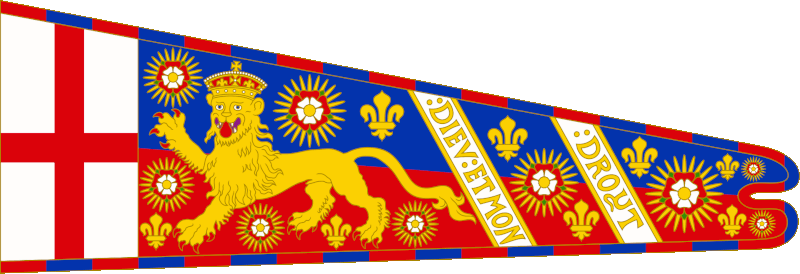
Henry VII royal standard |
- You have to go back to the beginning to figure out this
all started, in 1484, a baby boy was born into a world he
would never quite fit into and his name was Charles Brandon.
- His father, Sir William Brandon carried King Henry VII
standard at the battle of Bosworth in August 1485.
- It
was the battle that ended the Wars of the Roses and put a
Tudor on England's throne.
- But William Brandon didn't
live to see the victory celebrated because he died on that
battlefield.
- Charles Brandon was too young to remember
him and to understand that his father had died a hero.
-
What he did understand right away was that heroes don't leave
money behind and he was left no great inheritance.
Public domain, via Wikimedia
Commons
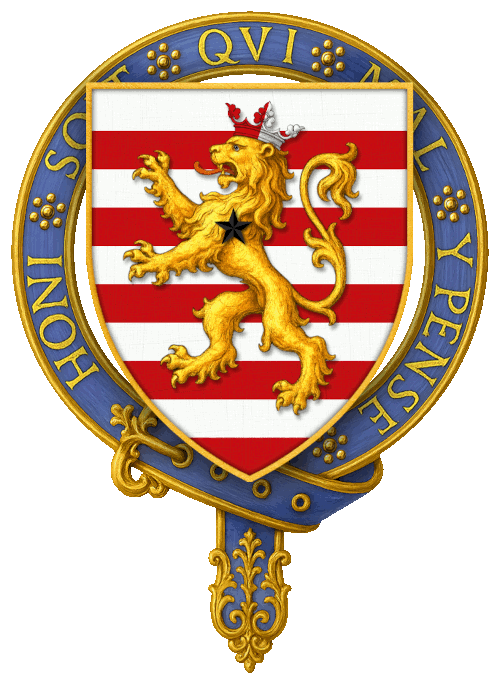
Brandon Coat of Arms |
- Then in 1494 when Charles was only about 10 years old
his mother, Elizabeth Bruyn, died too, leaving him fully orphaned.
- His
mother's wealth went to a son from her previous marriage.
-
He was left with no money, or title, just a name most boys in
his position would have disappeared into history.
- But
Charles Brandon was raised by his uncle, Sir Thomas Brandon
who had connections at court and in the Tudor world, and
connections were everything.
- By age 17, he ended up
waiting on Arthur Tudor, Prince of Wales, who was the older
brother of Henry VIII.
- Think about the morning after
Arthur's marriage to Catherine of Aragon in 1501, Brandon, a
boy who came from nothing, was serving royalty and it was one
of the most important moments in Tudor history.
- Though he
wasn't part of Arthur's permanent household.
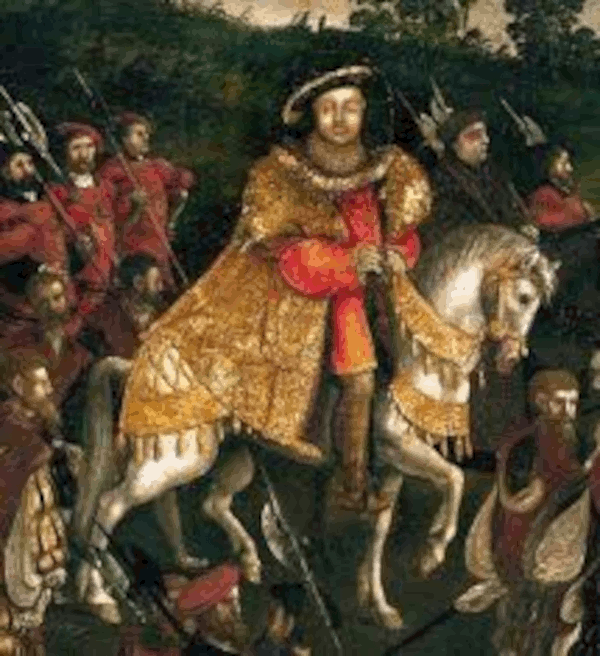
Image from the Royal Collection
Master of the
Horse |
- By 1505 he had worked his way up the ranks, and was
Master of the Horse for the Earl of Essex.
- In 1507 he had
become a Squire of the Body to King Henry VII but everything
changed in 1509 when Henry VII died and his 2nd son became
Henry VIII.
- Charles Brandon had something he had never
had before, a best friend who was king.
- The 2 bonded over
jousting and they loved the thrill of it, the danger, the
glory.
- Brandon was a member of the King's Spears who were
elite jousters who competed in tournaments and he showed up at
every major event.
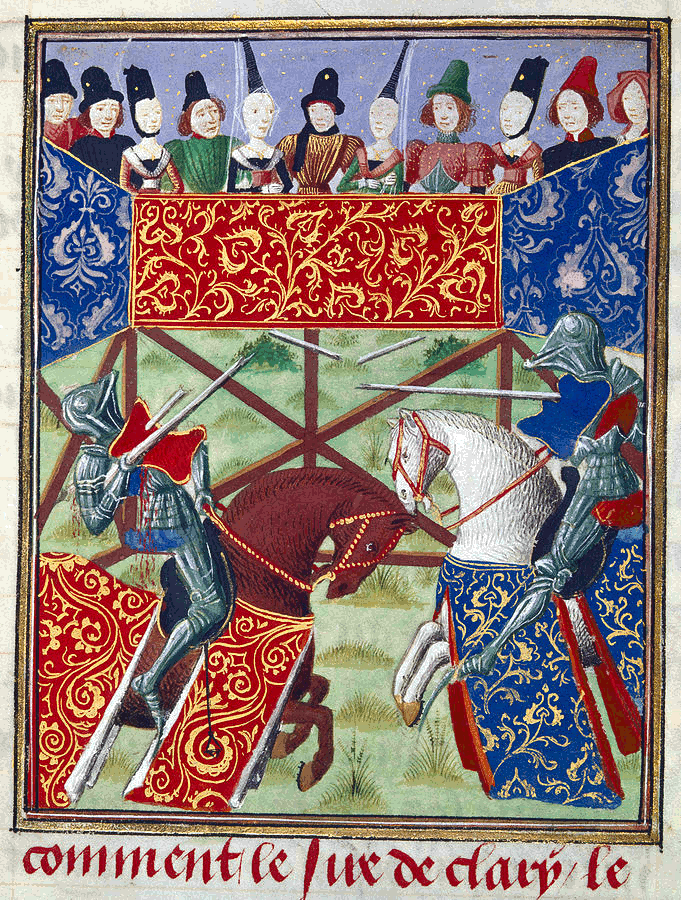
Jousting |
- Arthur's wedding jousts in 1501, Henry VIIIs coronation
jousts in 1509, the tournament celebrating the birth of Henry
and Catherine's short lived son in 1511.
- Brandon even
competed against the King himself and he showed his genius
because he had the wit to let Henry win because he understood
something crucial about power.
- Kings want companions who
make them feel superior, so Brandon lost gracefully.
- He
dressed almost as well as Henry VIII, but not quite, he stayed
close, but never too close.
- This friendship would become
the longest personal relationship that Henry VIII ever had
with anyone, longer than any wife or any advisor.
Wealthy and widowed |
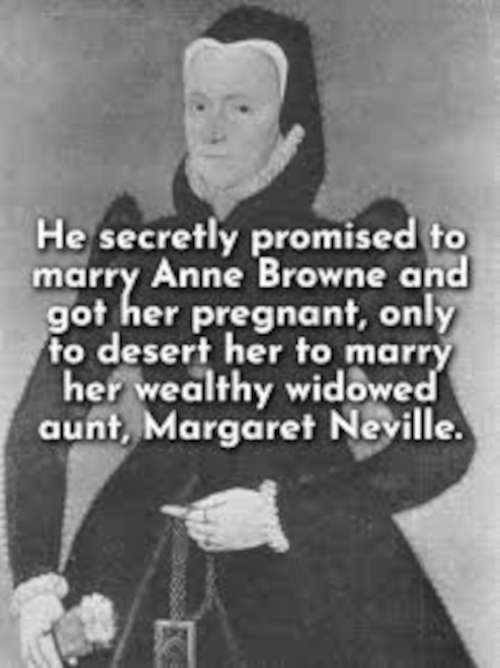
- In 1506, Charles Brandon got a woman named Anne Browne
pregnant.
- They had a marriage contract and they'd
consummated the relationship in Tudor England which should
have made the union permanent and unbreakable but he found a
way out.
- She was the daughter of Sir Anthony Browne and Eleanor Ughtred.
- However, Brandon deserted her while she was pregnant with their first child to marry
her aunt, Margaret Neville Mortimer (1466-1528) who was the
daughter of John Neville, 1st Marquess of Montagu and Lady Isabel de Ingoldesthorpe, Marchioness of Montagu
and who had been married to Sir John Mortimer in 1481.
- He dumped Anne, pregnant,
ruined and disgraced and married her aunt instead.
-
Margaret was a widow some 20 years his senior but by 1507 the marriage was declared void firstly by the Archdeaconry Court of London and then later by a papal bull that was issued on May
12, 1528.
Image from History Untold
Heel leaving |
- He married Margaret because she was wealthy and owned
lands and property and the moment they were married, Brandon
began selling them off.
- Brandon took her money,
stripped her assets and then annulled the marriage.
-
Margaret Mortimer spent the rest of her life trying to get
her property back, she wrote letters, she begged, and she
died poor and alone and still fighting in 1528 and Brandon
never looked back.
- He
was forced by the court to go back and properly marry Anne
Browne.
- He returned to her and married her publicly
around 1508 at St. Michael Cornhill in London and the couple
had 2 daughters, Anne and Mary Brandon.
- Anne Browne
died around 1511–1512 after the birth of their 2nd daughter.
- Because of the prior entanglement and annulment, the
legitimacy of their eldest daughter was initially questioned
before being settled.
Public domain, via Wikimedia
Commons
Knight of the Garter |
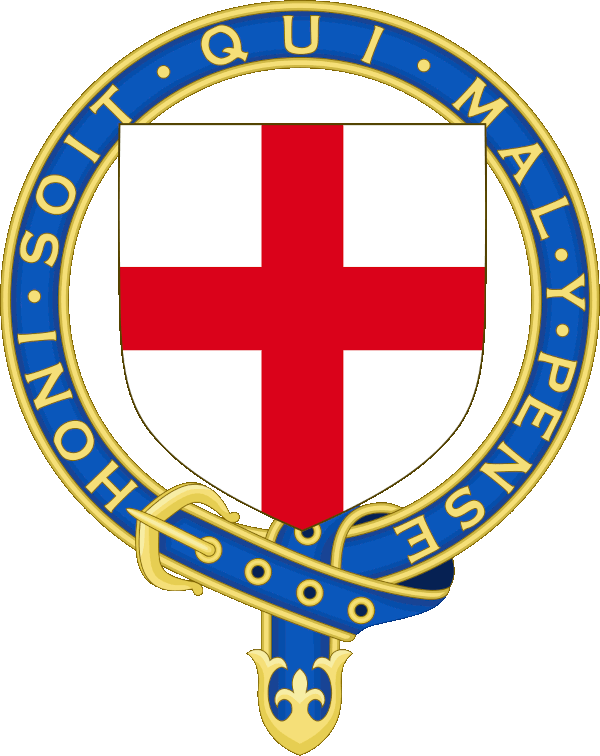
- By 1512, Brandon was knighted and the following year he
became a Knight of the Garter.
- After his wife Anne Browne
died, Brandon was free again and this time he set
his sights on an 8-year-old girl named Elizabeth Grey, 5th
Baroness Lisle (1505-1519).
- Elizabeth was the daughter
of John Grey, 2nd Viscount Lisle and Lady Muriel Howard.
- The death of her father in 1504 meant that she was born a considerable heiress and ward of the Crown.
- In 1509 her grandfather, Thomas Howard, 2nd Duke of
Norfolk, obtained a lease of her lands from the king.
- After the death of her stepfather Sir Thomas Knyvet in August 1512 and of her mother a few months later, Elizabeth's wardship was purchased by Sir Charles Brandon, a favorite of Henry VIII.
Public domain, via Wikimedia
Commons
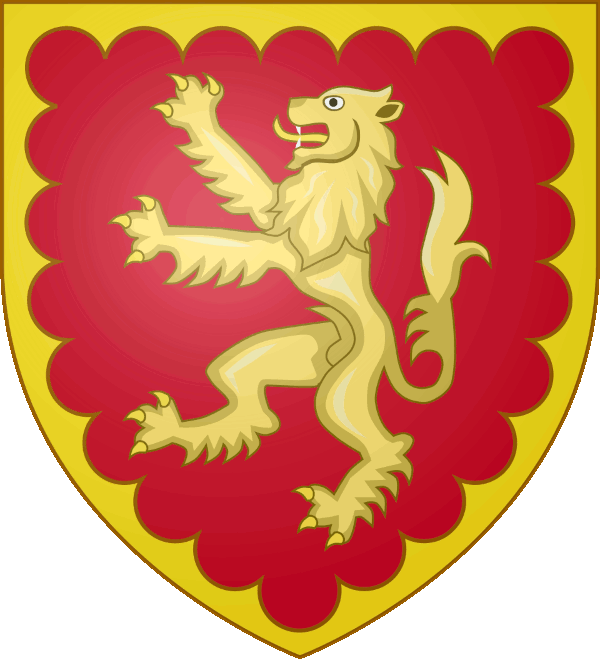
Viscount Lisle |
- Sir Thomas Knyvet was one of Brandon's close friends and
he had died in a naval disaster.
- Brandon became
Elizabeth Grey's guardian and he entered into a marriage
contract with her.
- Betrothal to his 8-year-old ward facilitated Brandon's elevation to the peerage as Viscount Lisle
on May 15, 1513, when he was about 29 years old.
- But it
was because of Elizabeth Grey's title that he was created
Viscount Lisle.
- Elizabeth died in her early teens
before they ever married, do you see the pattern yet?
-
He targeted vulnerable woman and girls and he used the
guardianship system to legalize it, where wealthy men became
legal guardians of orphaned heiresses to exploit them.
-
Brandon married for money, not love, and when he was done
with them, he moved on.
|
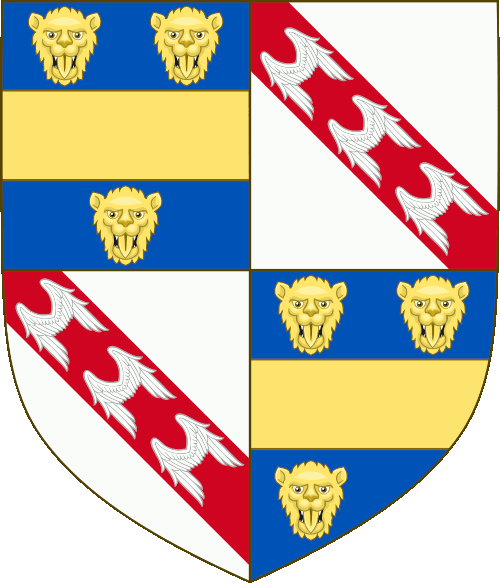
Viscount Lisle is a historical title of nobility in the Peerage of England that has been created and gone extinct six separate times. In the British peerage system, a viscount
ranks below an earl but above a baron, and "Lisle"
refers to the specific noble lineage or estate tied to
the title.
(Wikipedia)
|
Public domain, via Wikimedia
Commons
Duke of Suffolk |
- But that wasn't the end of his rise, on February 1,
1514, Brandon became the Duke of Suffolk.
- He was 30
years old and there were only a handful of Dukes in all of
England.
- The court was stunned and Polydore Virgil
(1470-1555), an Italian humanist scholar, historian, priest
and diplomat, who spent much of his life in England, wrote
about the widespread shock at Brandon's appointment.
-
The famous scholar Erasmus (1466-1536), a Dutch humanist, theologian, and philosopher., compared him to a
drunk stable hand whose fancy new clothes couldn't hide what
he really was.
- Foreign diplomats called him the 2nd
king, but there was something else happening during these
years, something darker, because while Brandon was climbing
the social ladder he was also perfecting another skill,
using women (and girls).
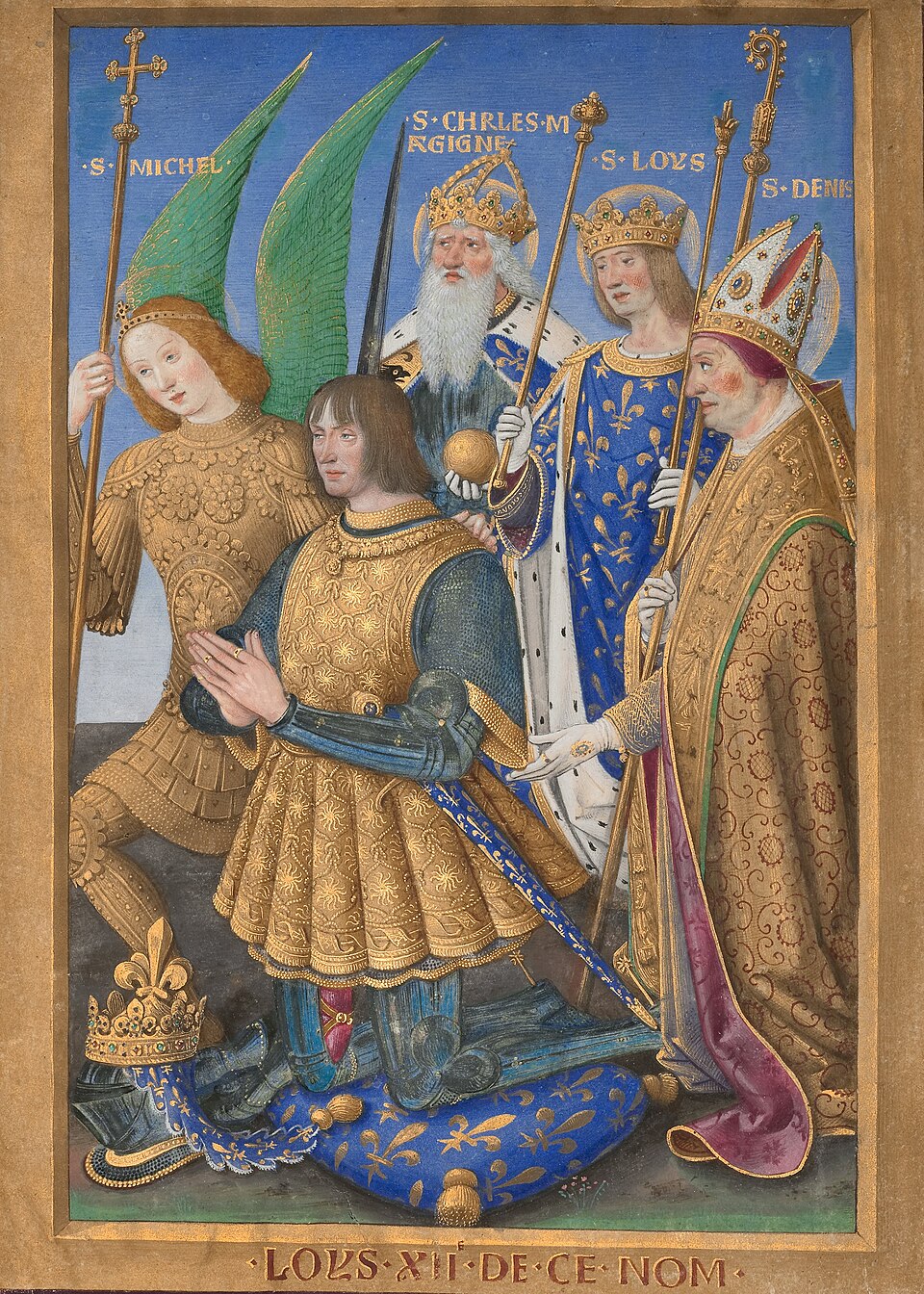
Public Domain, via Wikimedia Commons
From the Hours of Louis XII, his personal book of hours
1498–99
at age 36 |
- In 1514, Brandon set his sights on the biggest prize of
all and this time, it would nearly cost him his head.
-
Henry VIII had 2 surviving sisters.
- The eldest,
Princess Margaret had been married off to the King of
Scotland back in 1503 when she was only 13.
- But the
younger sister, Princess Mary, born in 1496, had stayed in
England.
- She'd grown up at court with her brother Henry
VIII and she was beautiful and charming and by 1514 she was
18-years-old.
- Henry decided it was time to marry her
off and his choice was Louis VII of France who was age 52.
- Mary was horrified but this was her duty, because this is
what princesses were forced to do, they were married off for
politics, not love.
|
Louis XII was more than a little battle-hardened and quite a bit older than Mary. While she was a blooming 18 years old, Louis was 52 and looking not so hot these days. To make matters worse, he'd already gone through two queens at this point, and still didn't have the male heir all European kings desperately craved. (Samantha Henman)
|
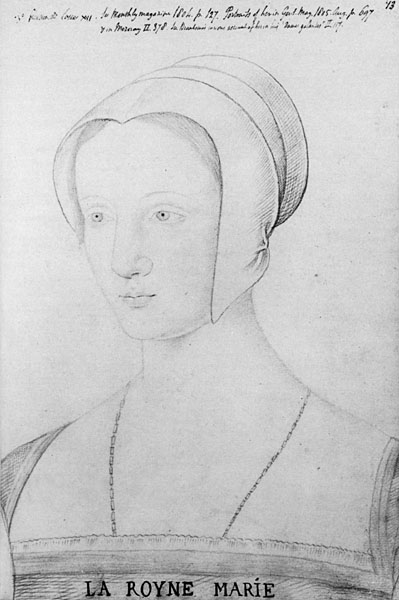
Public Domain, via Wikimedia Commons
Mary Tudor during her brief period as Queen of France |
- Mary the favorite sister of King Henry VIII
and the marriage was arranged as a peace treaty between England and France.
- On October 2, 1514, she set off for France and the wedding
took place on October 9.
- Charles Brandon was among
those who escorted her.
- He participated in the wedding
jousts, then he returned to England before Christmas that
year.
- However, on New Years Day 1515, Louis XII died,
just 3 months after the wedding.
- Some whispered he'd
worn himself out trying to produce an heir with his young
bride.
- As a result, Mary Tudor was now the wealthy
Dowager Queen of France and she had something few women in
her position ever got, a 2nd chance.
|
For all Mary's doubts about her forced political marriage, King Louis XII of France didn't seem to mind the arrangement one bit. Once he set his eyes on the legendarily beautiful and charming Mary in the flesh, the King apparently lauded her as a "nymph from heaven." Somehow, I just don't think Mary felt the same way about him. (Samantha Henman)
|
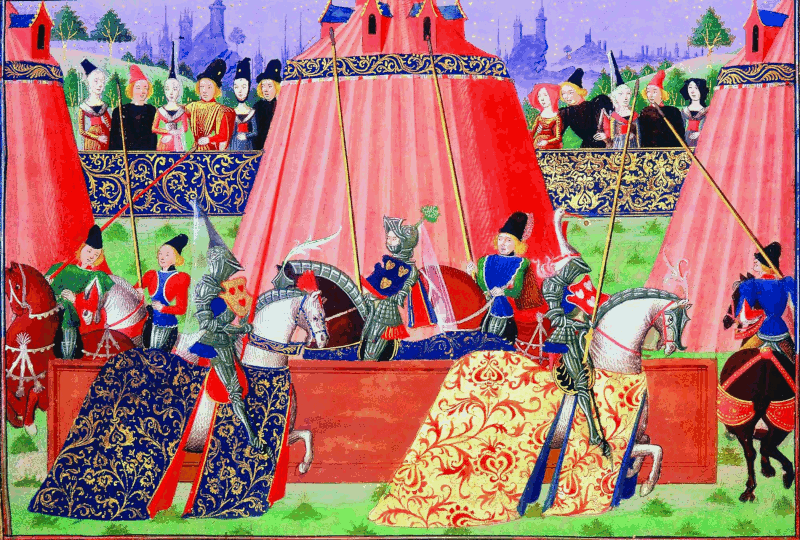
Image from WarfareHistory
French royal joust |
- Henry VIII immediately sent Charles Brandon back to
France to bring Mary home before the French could marry her
off to someone else.
- There was a clear condition, Henry
forbade Brandon from marrying Mary, but he warned him of
this because he knew the 2 had been seeing each other and
had some kind of relationship before she was married to
Louis.
- In fact, Mary in ways felt very free before the
marriage because she was 18, way past the age most royals
were married off, so she felt like she had escaped that
'sentence' and she believed she could make her own choice,
however, she was wrong.
- Henry only wanted him to escort
her safely back to England, but apparently Brandon had
discussed the possibility of marriage already, except Henry
warned him that it would only be allowed after they returned
to England.
|
Just before her wedding, Mary had written a desperate letter to King Henry VIII back in England. In it, she forced him to make a promise to her: She’d stick with her decrepit husband for now, but when he kicked the bucket, she’d be able to marry whomever she wanted. Henry VIII agreed, but it was a pact that he'd come to regret almost immediately. (Samantha Henman)
|
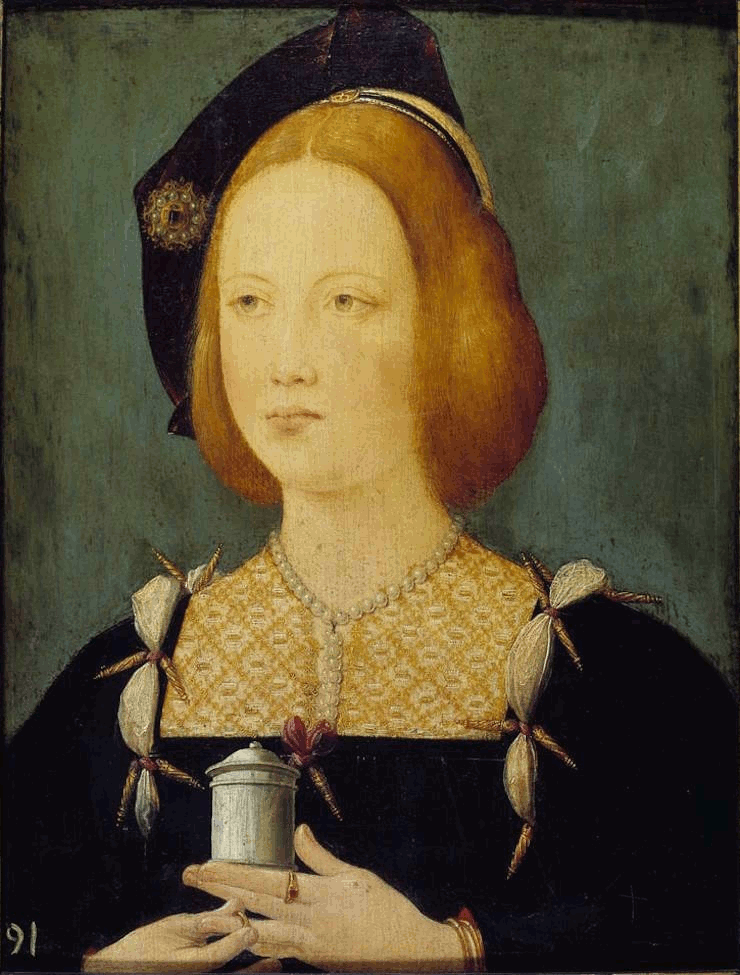
Mary felt free to wed who she chose |
- On top of that, Henry gave his permission for them to
marry, but if it were true, why would Mary trust her
brother's promise, she was his cash cow in a sense.
-
After all, he had just forced her to marry a man who was old
enough to be her grandfather.
- Henry VII had promised
her if she became a widow that she could marry whomever she
chose.
- But no one knew she would be a widow in 3 short
months.
- Mary knew her value as a diplomatic pawn,
especially since she had no children yet and England's
politics made her a traded asset.
- If she returned home
as a widow, what was to stop Henry VIII from sending her off
to another powerful king.
|
Before she ever became a reluctant queen, historians believe Mary already had a King of her heart: The 1st Duke of Suffolk, Charles Brandon, who she'd sustained a long flirtation with before her wedding. Strapping and athletic, Brandon was a total catch, and just so happened to be one of her brother Henry's closest friends. I smell drama coming. (Samantha Henman)
|
|
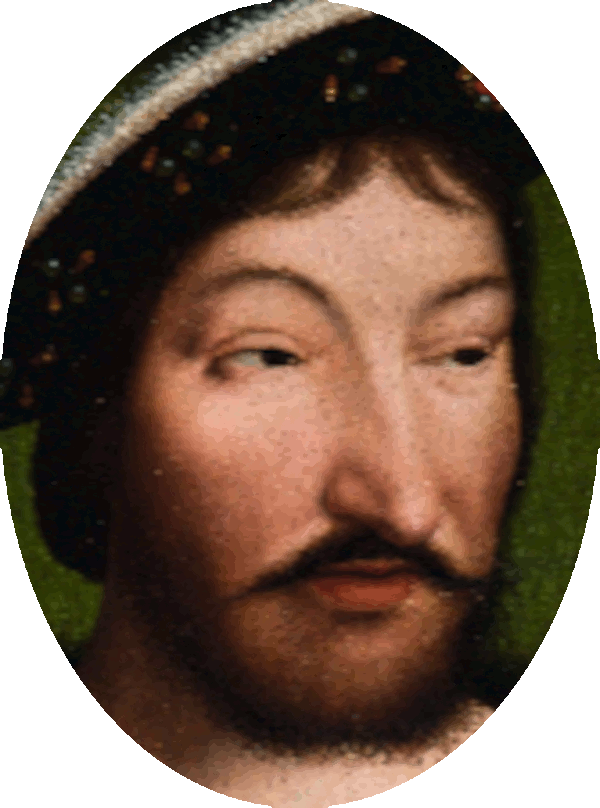
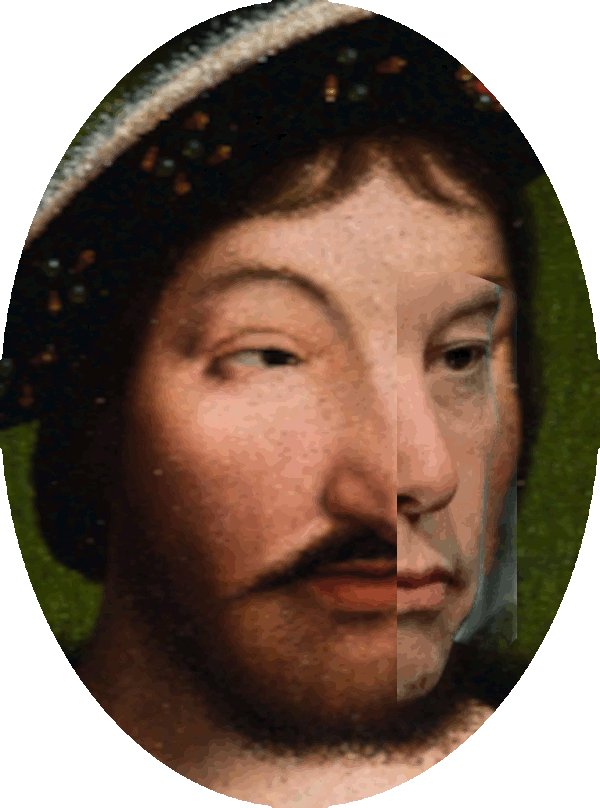
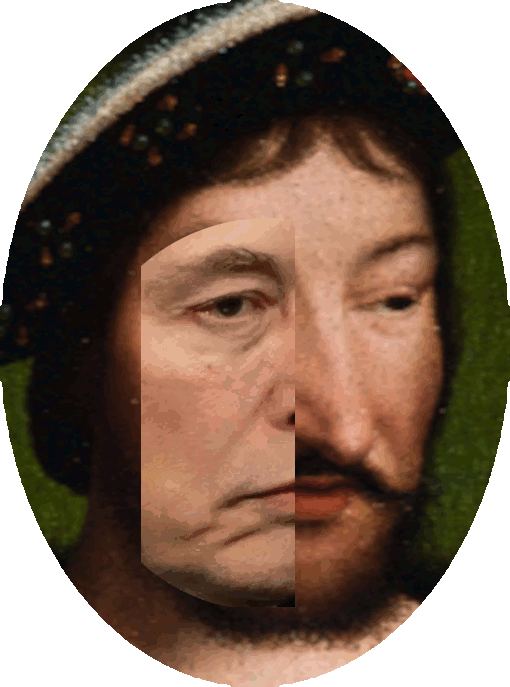
Francis I of France as Elon Musk |
 |
|
Francis I
1494-1547
9/12
3/31
King of France |
Elon Reeve Musk
1971
6/28
Satan
from Alpha Centauri |
 |
 |
|
Francis of the Large Nose |
- Francis I (1494-1547) was King of France from 1515 until his death in 1547.
- He was the son of Charles, Count of Angoulême, and Louise of Savoy.
- He succeeded his first cousin once removed and father-in-law Louis XII, who died without a legitimate son.
- So in the middle of February in 1515 in Paris, Charles
Brandon and Mary Tudor married in secret.
- The new
French king, Francis I, supported them and he already had
Mary under lock and key to make sure no one impregnated her
in case she was pregnant with Louis XII (it would make it
hard to tell if it was Louis' child if another man was
involved with her so it seems strange he was happy about
this).
-
But this was considered treason, defying the king's orders
and it was punishable by death.
|
Mary was also locked up in isolation in her widowhood as “La Reine Blanche” to make sure that she wasn’t pregnant. She also received visits from Francis, and who knows what he said or did, because he was a pig when it came to women. She may have felt frightened and vulnerable, and Brandon must have looked like a savior. And who knows, maybe Francis encouraged Brandon, because the marriage would spoil England’s ability to make future alliances using Mary as a pawn.
(CommunicationWest710)
|
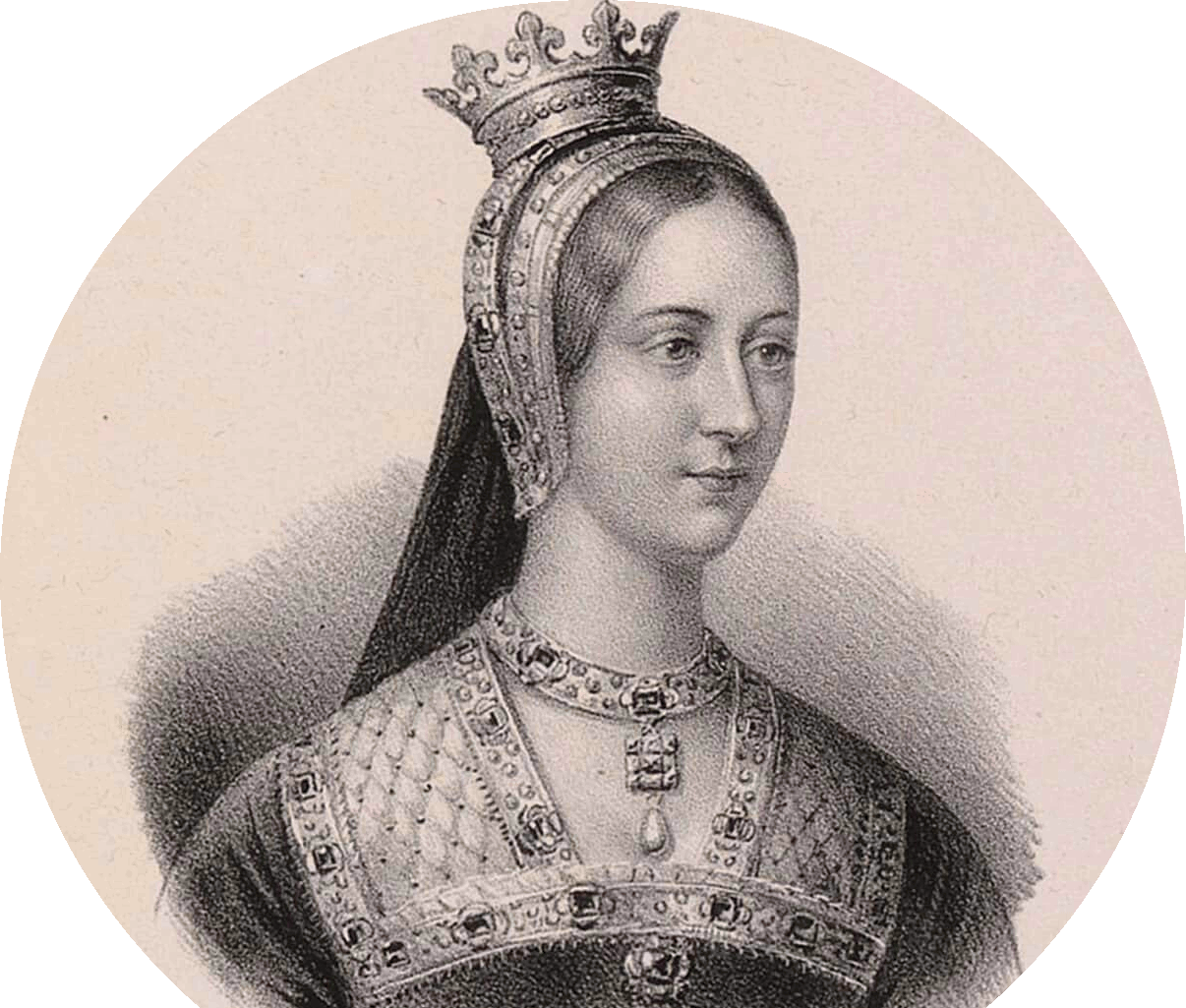
Dowager Queen of France elopes |
- When word reached Henry
VIII in England, he was furious.
- Brandon immediately
sent letters claiming that Mary had forced him into the
marriage by using emotional blackmail and that there were so
many tears he simply couldn't say no.
- Except this is
the same man who dumped the pregnant Anne Browne when she
was pregnant and crying.
- And also the same man who
stripped Margaret Mortimer of her wealth and left her crying
for decades.
- The same man who contracted to marry an
8-year-old for her inheritance.
|
The philosopher Erasmus once described her by saying, “Nature never formed anything more beautiful.”
(Samantha Henman)
|
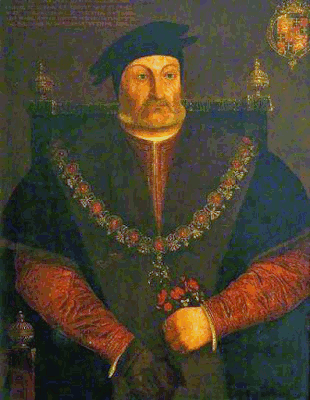
Hidden hand
Brandon |
- It was obvious that Brandon was a man not moved by
women's tears, so what was the real reason for marrying Mary
Tudor?
- Let's look at the facts, Mary was filthy rich
because her French jointure, the income she received
as Louis XIIs widow was massive.
- She was young and
beautiful and marriage to her made Brandon part of the
English royal family.
- Their children would be in line
for the throne and Charles Brandon had a pattern, he always
married for advancement.
- Did he care for Mary,
possibly, was he fond of her, most likely, but deep,
selfless love, highly unlikely, that's not what his history
suggests.
- The source material is quite clear on this,
Charles always looked after Charles.
|
Though Henry liked Brandon and all, he knew there were more powerful men out there for his sister, and wasn't about to let her get married off to a mere duke. Instead, Henry set his eyes on the new King of France, Francis I. This was a pretty gross idea, considering that Francis was very much married at the time. (Samantha Henman)
|
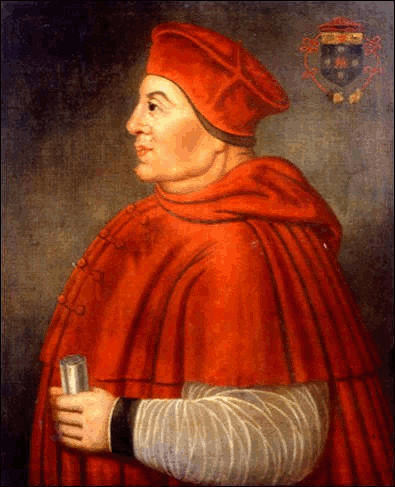
Wolsey intercedes |
- When Brandon and Mary returned to England in April
1515, they needed powerful help.
- Thomas Wolsey was one
of Henry VIIIs most trusted advisors interceded on their
behalf.
- Henry agreed to forgive them, but forgiveness
came with a price and the king took all the jewels that
Louis XII had given to Mary.
- He took half her dowry, he
took 2,000 pounds per year for 12 years from her French
income.
- Some of this was used to pay off 5,000 pounds
that Brandon already owed the king.
- Charles also had to
surrender the wardship of Elizabeth Grey, because how could
he stay engaged to her.
- Then came the most crushing
part, the couple had to accept a bond of 100,000 pounds to
guarantee they'd stick to the agreement and in Tudor England
that was more money than most people could comprehend and it
was meant to control them, to bind them and keep them
obedient for the rest of their lives.
|
Charles and Mary's potential union was dangerous in more ways than one. Not only was the volatile King Henry VIII not into it, the entire King's Council hated Brandon and were jealous of his intimacy with the monarch. Brandon even offended the good men of the cloth: A pair of French friars once warned Mary that Charles “had traffickings with the devil.” Did she listen? Nope. (Samantha Henman)
|
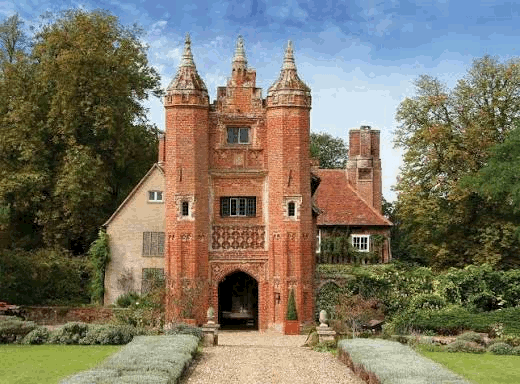
Westhorpe Hall |
- On May 13, 1515, the couple were publicly married in
England.
- King Henry VIII and Queen Catherine of Aragon
attended.
- The smart move was to leave the court and let
the scandal die down and that's exactly what they did.
-
Brandon had been granted large estates in East Anglia and he
used them as an excuse to stop away from court life, settle
in the countryside and let people forget.
- Their first
child was a son named Henry Brandon named after his royal
uncle the king, was born on March 11, 1516.
- Their
daughter, Frances Brandon arrived on July 16, 1517, then
Eleanor Brandon sometime between 1518 and 1523.
- Another
son, also named Henry Brandon was born in 1522 because the
first son named Henry had died.
- When their last child
was born, Mary was still only in her mid-20s, yet there were
no more children after that and the romance had already
started to cool.
|
By this time in her life, Mary Tudor knew tragedy intimately—but nothing could prepare her for what happened in 1522. Her firstborn son and heir, Lord Henry Brandon, passed when he was just six years old. Once again, the devastation and shock of it all had horrifying effects on Mary's health, which she needed now more than ever. (Samantha Henman)
|
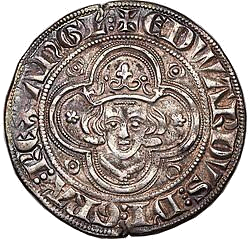
Groat fourpence |
- Mary wrote letters during these years, many to her brother
Henry begging him to forgive the debt.
- She wrote that,
'I have never had one groat (coin) of my dowry' after being
a queen of France, and she was begging for pocket change.
- This was because Brandon controlled everything, every
penny, every jewel.
- The woman who defied a king for
love had become a prisoner in her own marriage.
- But
there were other crucial problems with this marriage, Mary
outranked Brandon and she was always called the French
Queen, never the Duchess of Suffolk.
- Local dignitaries
sent gifts to her, not Brandon, and they visited her, not
him, and this was highly unusual for a 16th-century
marriage.
- It must have really bothered the man who had
spent his entire life climbing.
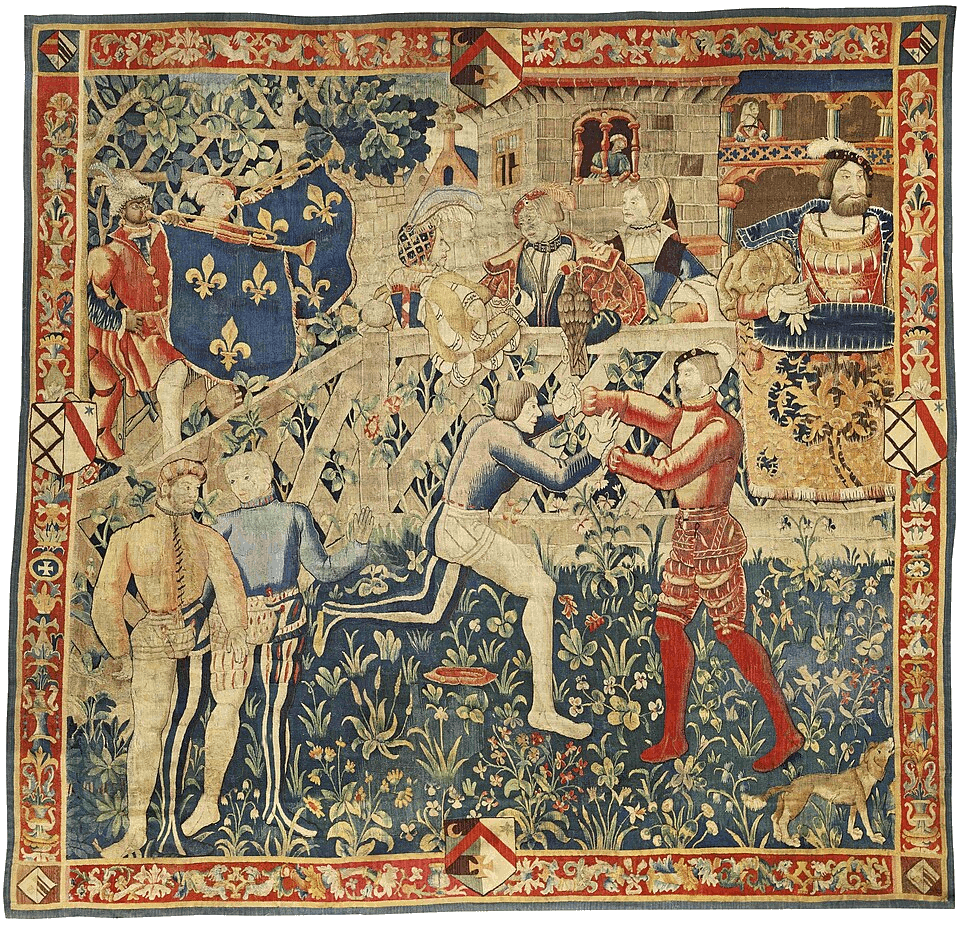
Public Domain, via Wikimedia Commons
Cloth of
Gold |
- Second, their dependence on Mary's French income
created a political liability, Brandon couldn't be trusted
to give impartial advice when it came to France.
- His
loyalty to England couldn't be guaranteed because his
personal finances were tied to French payments which weren't
always made on time.
- Henry VIII used the debt to
control Brandon for years, it kept him away from court and
it kept him quiet and in line.
- But Brandon still
maintained his position and he attended the Field of the
Cloth of Gold in 1520 where Henry VIII and Francis I met.
- He continued to joust with the king, he sat on committees,
met with ambassadors, and was credited with having
considerable influence over Henry.
- He was more courtier
than politician but he was effective at both.
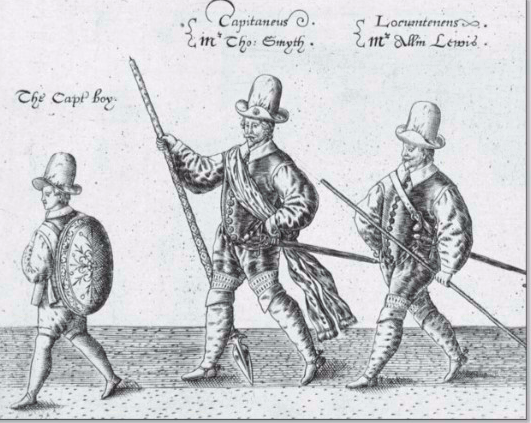
Tudor war |
-
In 1523, he led a military campaign in France that failed,
but not due to his decisions.
- England's allies didn't
provide the support they'd promised so Henry VIII didn't
blame him.
- Then on March 10, 1524, something terrifying
happened, during a joust, Henry forgot to put his visor down
and Brandon's lance splintered into the king's helmet.
-
Henry VIII could have died, but he didn't blame Brandon and
he never held it against him.
- But it's worth thinking
about, what would have happened to Brandon if Henry had died
that day?
- Brandon's son was close to the throne and his
proximity could have been seen as a motive for murder.
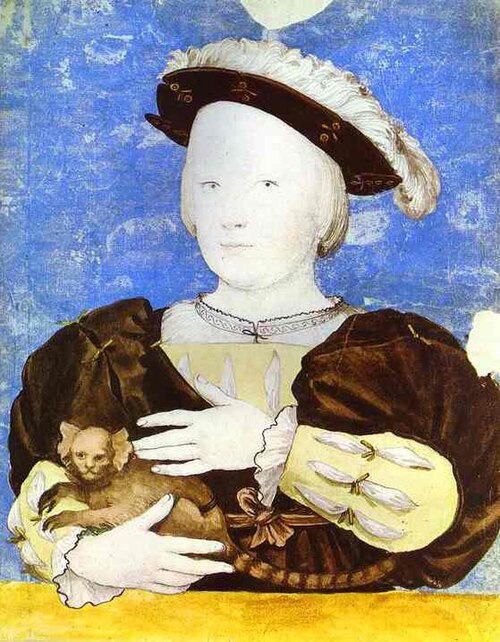
Henry Brandon, Earl of Lincoln |
- Henry Brandon, Earl of Lincoln (c.1523-1534) was the
youngest child and second son born to Charles Brandon, 1st Duke of Suffolk and Mary Tudor, Queen of France.
- He was named Earl of Lincoln in 1525 and at that time, he
was the only legitimate grandson of Henry VII born in
England.
- For Henry VIII, Brandon was the one constant
from his youth and he loved him and trusted him, and also
forgave him time and again.
- Even when Brandon did far
more dangerous things than any other courtier.
- But by
the late 1520s, everything was changing, for one, Henry VIII
was seeking to annul his marriage to Catherine of Aragon.
- Cardinal Thomas Wolsey tried to secure a papal annulment
but Catherine's Spanish relatives put pressure on the Pope
and the annulment was denied.
- Wolsey fell from power
and died in disgrace in November 1530.
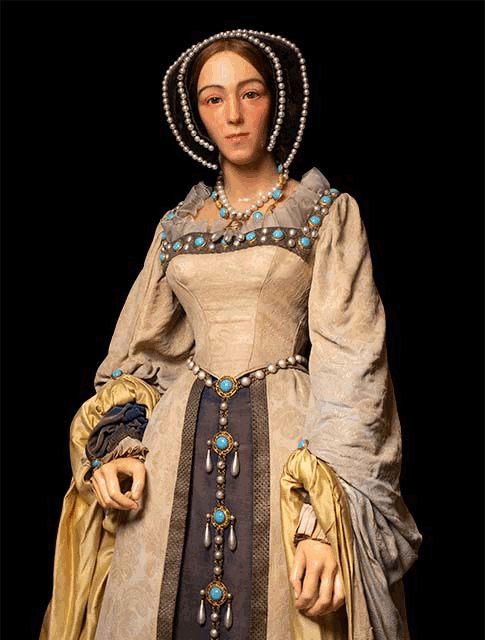
Anne Boleyn |
- Brandon and Queen Mary both despised Anne Boleyn, who
had been Mary's Lady in Waiting in France years earlier, now
she was rising above the former Queen of France.
- It
must have been humiliating for Mary Tudor.
- There was a
rumor in 1530 that Brandon had spread a story about Anne
Boleyn having a prior relationship with the poet Thomas
Wyatt.
- Something that would have made Anne Boleyn
unsuitable to be queen, whether that was true or not, which
it wasn't.
- Brandon clearly had a frosty relationship
with the future Queen Anne and he resented being sent to
pressure Catherine of Aragon on Henry VIIIs behalf, but he
obeyed him anyway.
- But he was against the Boleyn
marriage, except not loudly, or publicly.
- He understood
that voicing opposition could cost him his head.
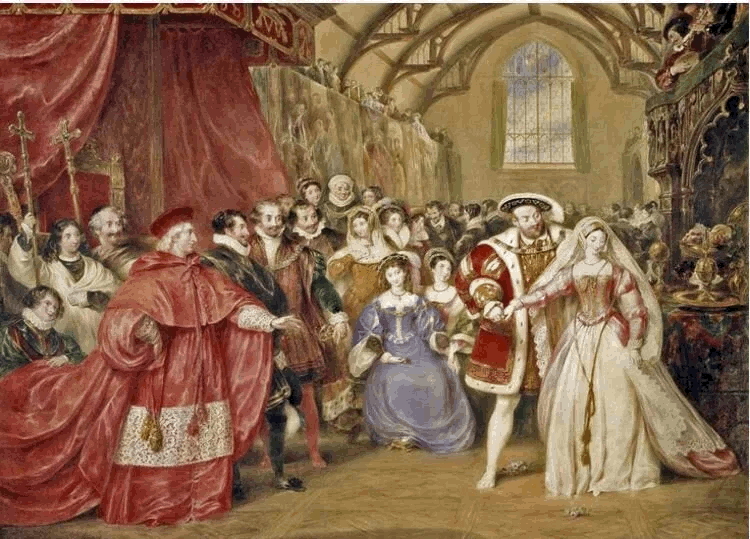
Royal court |
-- By early 1533, Henry VIII had what he wanted, he was
rid of Catherine and he was married to Anne Boleyn.
-
Charles Brandon went on with life and performed his courtly
duties.
- He went to France when Henry took Anne there in
the autumn of 1532, though notably, Mary refused to go.
-
She was desperately sick, and for years she had suffered
from headaches, weakness, and what may have been
tuberculosis, her body was breaking down.
- The woman who
had defied a king for love, barely age 37, was now bedridden
and fading.
- While she lay sick and vulnerable,
something unspeakable was happening under her roof, Brandon
had grown close to a wealthy heiress, Catherine Willoughby.
Catherine Willoughby |
- Catherine Willoughby had been another of Brandon's
wards since she was about 8-years-old.
- By now, she was
the same age as his daughter by Anne Browne and she had been
engaged to Brandon's son, the Earl of Lincoln.
- She was
betrothed to become Brandon's daughter-in-law and he had
watched her grow up.
- At what point did he start looking
at this child differently, and at what point did the great
romance in his marriage to Mary Tudor die?
- Because he
was already planning the next marriage.
- The imperial
ambassador, Eustace Chapuys reported disturbing rumors and
Anne Boleyn had accused Brandon of abusing his own daughter.
- Although many historians believe she was referring to
Catherine Willoughby, his ward, not his daughter, a girl he
was supposed to protect.
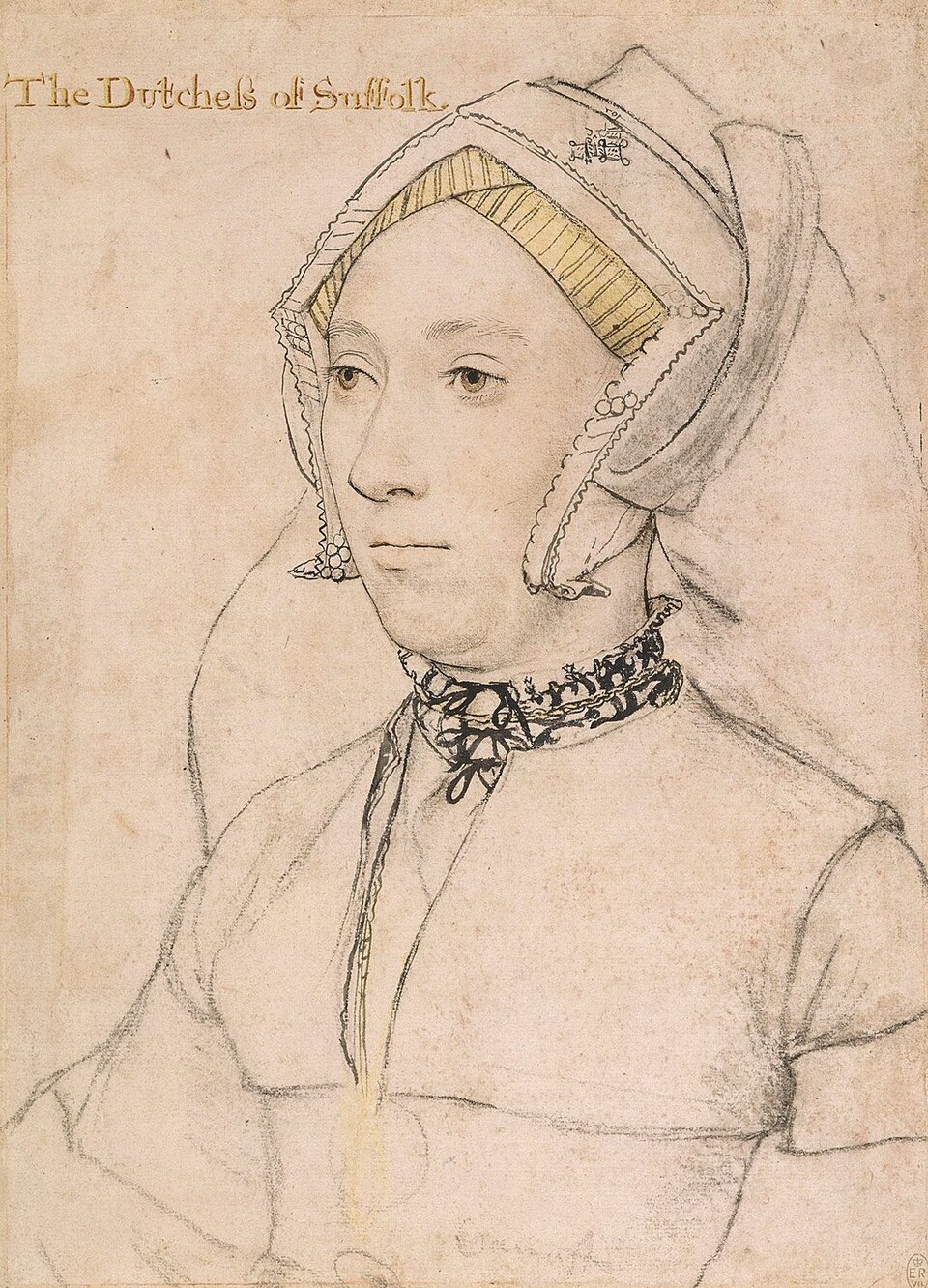
Hans Holbein, Public Domain, via Wikimedia
Commons
Catherine Willoughby |
- Whether the accusations were true or exaggerated, one
thing is certain, his eyes were already on the young girl
while his wife lay dying.
- But Brandon had been
unfaithful to Mary throughout his marriage and he fathered
at least 2 illegitimate children during their years
together.
- Including a son named Charles Brandon, born
around 1521, and a daughter named Mary Brandon whose birth
date was never recorded.
- Additionally. there may have
been others whose names were never written down.
- Mary
Tudor had given up everything for Brandon, she defied her
brother the king, risked her life, paid crushing fines, paid
off his debt to the king.
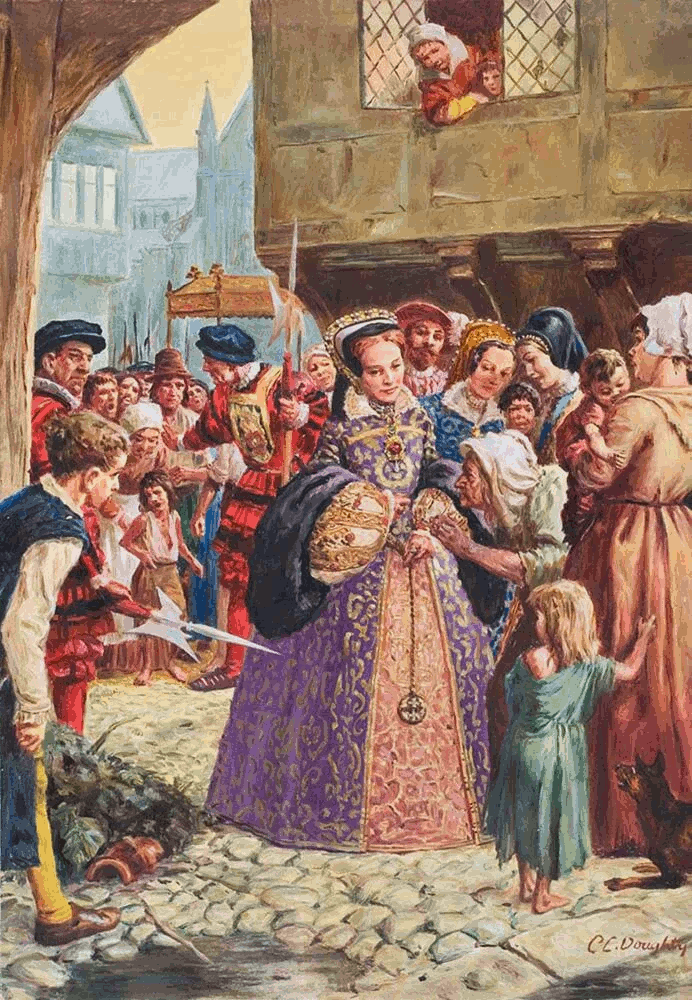
Image from Cecil Doughty
Heartbroken |
- Mary had lived under the weight of impossible debt and
Brandon repaid her with infidelity, betrayal, and an
inappropriate obsession with a teenager who was living in
their home.
- She knew, she must have known, she died
exhausted, overshadowed, heartbroken, the great love story
had become a nightmare.
- On June 25, 1533, Mary Tudor
died at age 37 and she was buried with 100 torch bearers in
a lavish funeral that Brandon didn't even attend and neither
did Henry VIII.
- It was tradition for husbands and
brothers not to attend funerals but the court expected
proper mourning, a period of grief and respect for the woman
who had been a Princess of England and a Queen of France.
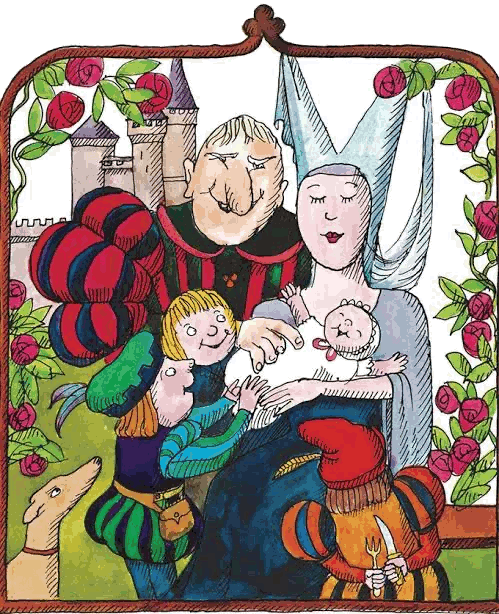
From a fairy tale about a girl who marries a
child eating ogre |
- People talk about Thomas Seymour all the time and his grooming of Elizabeth
I but for some reason wanted to call these 2 a love match,
when Brandon was just a soulless self-centered pervert and
leech who groomed Mary Tudor from a very young age and then
threw her out when he was done with her money.
- It makes
sense that Brandon was best friends with Henry VIII, they
were of the same ilk.
|
Back in 1528, Mary caught a sweating sickness that she never quite recovered from, which only complicated her already dubious medical history. She suffered from recurring fevers, a pain in her side, and any number of shivering spells throughout her life, but by 1533, her illness had reached an absolute crisis. On June 25, 1533, Mary Tudor died—and the causes are still mysterious. (Samantha Henman)
|
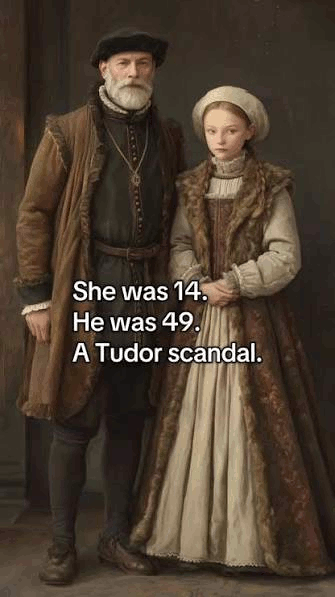
Scandal |
- But Brandon had other plans, 6 weeks after her death,
he canceled his son's engagement to Catherine Willoughby,
and on September 7, 1533, the same day Henry VIIIs daughter
Elizabeth was born, he married Catherine.
- She was
14-years-old and he was 49 and for years, Catherine had
called Mary Tudor, mother, and Mary had cared for her like a
daughter and had loved her as her own child.
- But
Catherine Willoughby was also great great granddaughter of Margaret Beaufort's
(Henry VIIs mother) stepfather Lionel Welles.
- Now she
was sleeping in Mary's bed, wearing her jewels and married
to her husband.
- Brandon responded with a shocking lack
of sentimentality, even the court was stunned, even Henry
VIII who'd done terrible things to women himself, was
reportedly disgusted.
|
Before Mary was cold in her grave, her beloved Charles Brandon dealt her a cruel betrayal. Try this one on for size: That same year, he married their 14-year-old ward, Catherine Willoughby. Sure, instead of a love match, it was a legal manoeuvre to help Charles retain Mary's lands after her passing.. (Samantha Henman)
|
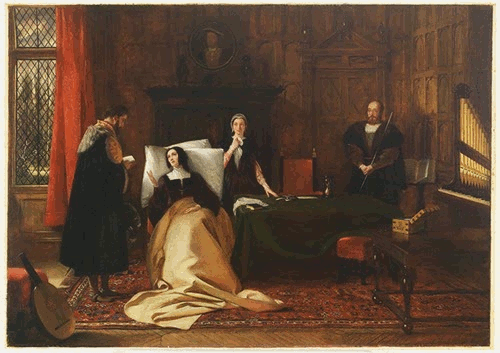
MEAD Art Museum / Amherst College
Mary Tudor dies |
- Except there's something even
darker, when Mary Tudor was dying in 1533, she changed her
will and she left most of her personal property, her jewels,
gowns, her most precious possessions, not to Brandon or her
own daughters, but to her ladies in waiting and friends.
- Why would a woman do that, why would she cut out her
husband, because she understood exactly who he was.
- In
her last act of defiance, she made sure he wouldn't profit
from her death more than he already had.
- But the
cruelest irony, Brandon didn't need her jewels, he'd already
secured something far more valuable, his new wife was a rich
heiress.
- In March 1534, just 6 months after his
remarriage, the Earl of Lincoln, Mary's son, died.
- His
new wife's original fiance, and he was only 10 or 11 years
old.
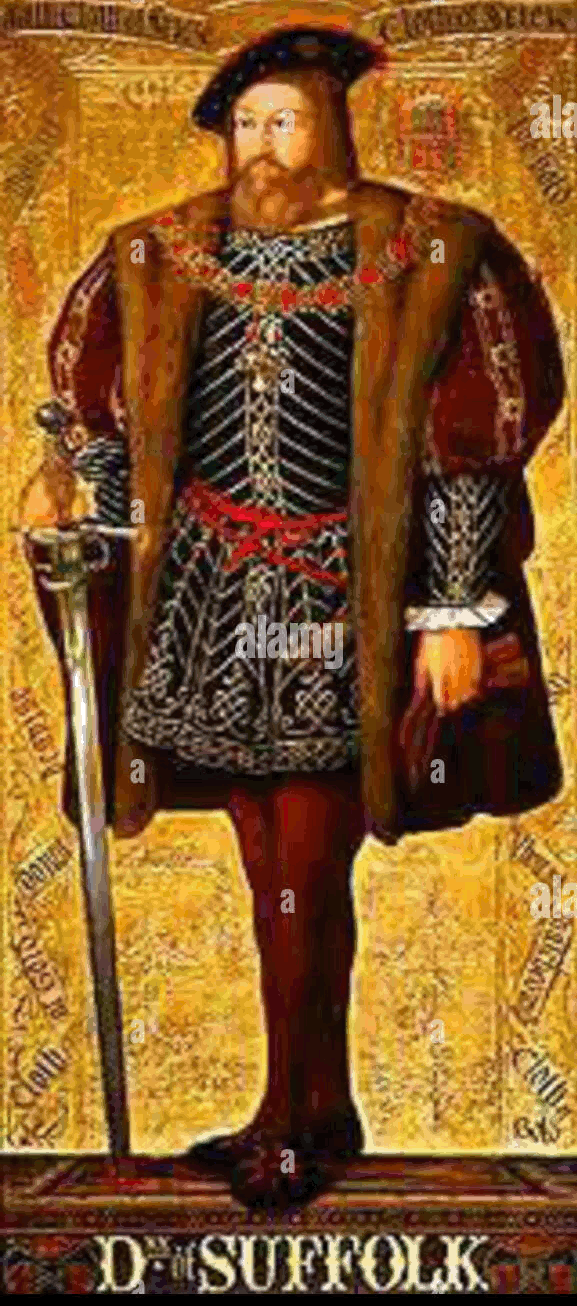
Image from Alamy
Charles Brandon, Duke of
Suffolk |
- Henry Brandon, 2nd Duke of Suffolk (1535-1551), styled Lord Henry Brandon before 1545, was an English nobleman, the son of Charles Brandon, 1st Duke of Suffolk, by his
4th wife, Catherine Willoughby.
- After Mary Tudor's
death, Brandon's relationship with Henry VIII weakened and
in 1535, he was forced to surrender large amounts of land
and manors.
- Mary's French income dried up completely
and the protection she provided was gone.
- Meanwhile,
Henry's court became a bloodbath and Anne Boleyn was
executed on false charges in May 1536.
- Brandon wasn't
directly involved in destroying her, but once the wheels
were in motion, he oversaw her trial and was present at her
death, and he benefited financially when some of her lands
were given to him.
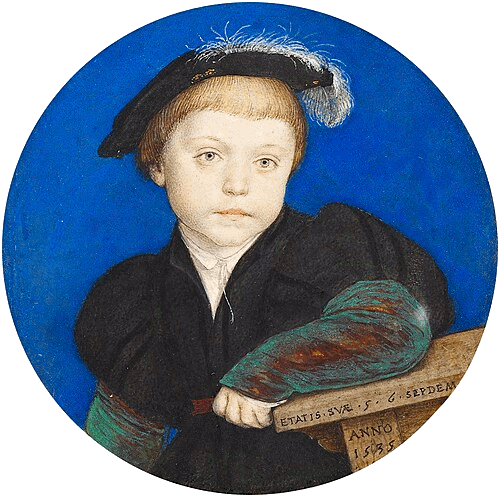
Henry Brandon, 2nd Duke of Suffolk |
- In 1535, his new wife Catherine Willoughby gave
birth to a son, another Henry, Brandon's 3rd son (that we
know about) by that name.
- His daughters with Mary Tudor
where married off, Frances in 1533 to Henry Grey Marquis of
Dorset, and Eleanor in 1535 to Henry Clifford, Earl of
Cumberland.
- Brandon's older daughters from his first
marriage to Anne Browne didn't fare as well
- Anne
Brandon left her husband for a lover in 1537 and Brandon was
so angry that he cut her out of his will completely.
-
Later in 1536, the Lincolnshire Rebellion broke out,
followed by the larger Pilgrimage of Grace and thousands
protested against Henry VIIIs religious and economic
changes.
- Brandon spent months crushing the uprisings
and afterwards, Henry VIII ordered him to make Lincolnshire
his main residence so he could better control the region.
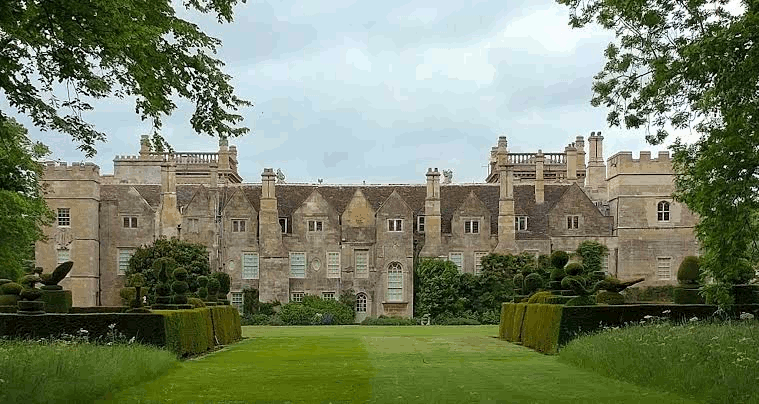
Grimsthorpe Castle in Lincolnshire |
- By 1538, Brandon was 54 and described as sickly and
half lame but he kept working.
- Brandon attended Henry
VIIIs youngest son Prince Edward's christening in 1537 and
Queen Jane Seymour's funeral shortly after.
- He met with
ambassadors, sat as a judge on treason trials, and in 1539
was named Lord Steward of the Royal Household.
- Next, he
helped negotiate Henry's marriage to Anne of Cleves and when
that marriage collapsed after just 6 months in 1540, Brandon
negotiated her smooth exit.
- He even set up a spy system
in Anne of Cleves household while Thomas Cromwell, who
helped arrange the Cleves marriage was executed while
Brandon survived.
- Brandon always survived, he survived
when he injured Henry VIII in a joust, he survived marrying
the king's sister Mary Tudor without permission, he survived
cheating on her repeatedly, and fathering illegitimate
children during their marriage.
Essential |
- He even survived when he suggested an unpleasant
marriage to the King and that's because Brandon understood
something Cromwell never did.
- Brandon understood that
Henry VIII didn't need advisors, instead, he needed a
mirror, someone who made him feel young, strong, and
invincible.
- Brandon survived because he never made
himself essential to governance, he made himself essential
to Henry's ego.
- But more importantly, he always had
Henry VIIIs nostalgia.
- In the final 5 years of his
life, Brandon was highly active militarily.
- He served
as the King's lieutenant in the North from early 1543 until
spring 1544, and his last great achievement came in the
summer and autumn of 1544 when he led the Siege of Boulogne.
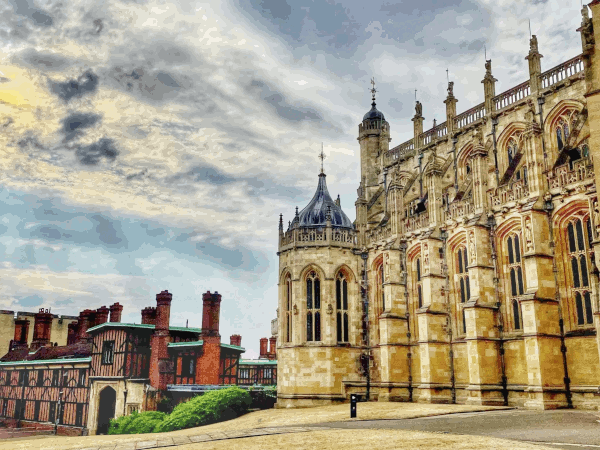
St. George's Chapel |
- The city was captured in September but his health was
failing and on August 22, 1545, at 4pm in the afternoon,
Charles Brandon died.
- He was about 61 years old and was
buried at St. George's Chapel in Windsor.
- Brandon died
in his bed, wealthy, powerful, with his head still attached.
- He survived when so many others lost everything it came
down to 5 things.
- Brandon wasn't at court constantly so
Henry VIII never got tired of him, and because he wasn't
heavily involved in governance the way Wolsey and Cromwell
were, he didn't get blamed when things went wrong.
- Even
when he was at court, he often skipped council meetings
which kept him from being a scapegoat.
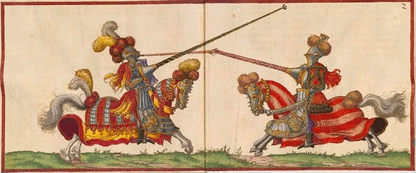
Jousts with Henry VIII |
- He entered the royal family through Henry VIIIs
sister, not by offering the King a potential wife so he
never suffered the reversals of fortune that the Boleyn and
Howard families did when their daughters fell out of favor.
- Brandon also was good at handling Henry VIIIs ego, he let
him win all the jousts and he paid massive fines without
complaint.
- He did what he was told, even when it hurt
him (or Mary Tudor) financially.
- And 5th, most
importantly, Henry VIII genuinely loved him because Brandon
was a link to his youth.
- A rare thread of continuity in
a world where Henry VIII had killed or abandoned almost
everyone else who'd known him as a young man.
- They were
all gone, and Brandon remained, but his survival came at a
cost, a trail of broken women.
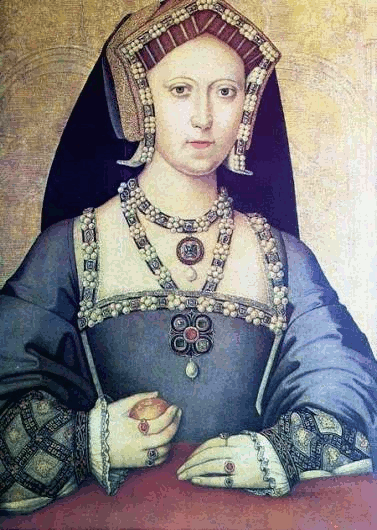
French queen |
- After Brandon died in 1545, there were rumors that
Henry VIII wanted to marry his widow, Catherine Willoughby,
as his 7th wife but she refused.
- She went on to be a
Protestant reformed and outlived Henry VIII by several years
but on July 14, 1553, tragedy struck and both of her sons with Brandon
died from sweating sickness within hours of each other.
-
In the end, no male heirs survived Brandon, his line ended.
- Mary Tudor, Queen of France, risked everything for love
and what did he get, a husband who was never moved
emotionally and a marriage that grew cold within 7 years of
their last child.
- Replaced within weeks by a girl who
should have been her daughter-in-law.
|
Mary Tudor’s repose was far from peaceful. Centuries after her swift, tragic end, a motley group of English noblemen and women dug up her remains and pried open her coffin in a truly strange episode. They took locks of her hair—an early example of the Tudormania which has persisted in the centuries since this bizarre incident. (Samantha Henman)
|
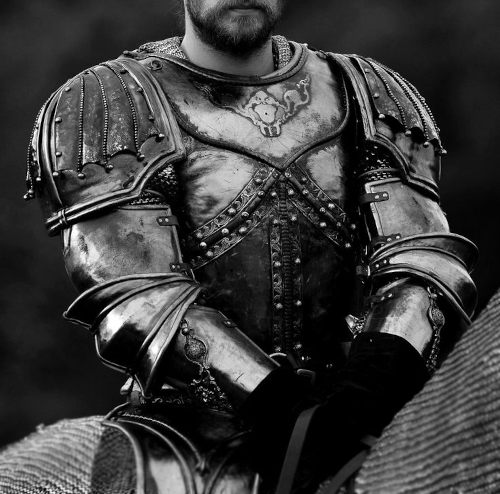
Knight who left no heirs |
- History likes to remember Brandon as the charming Duke
who married a Queen for love, but the real story is much
darker.
- Mary Tudor died believing in true love, but
Brandon never believed in love, instead, he believed in
taking what he wanted and moving on to the next
'opportunity.'
- But the most disturbing part is that it
worked, he died wealthy, powerful, and beloved by the King,
while Mary died exhausted, replaced, and heartbroken at age
37.
- The fairy tale was a lie, it always was.
|