|
RAPHAEL - TAPESTRIES
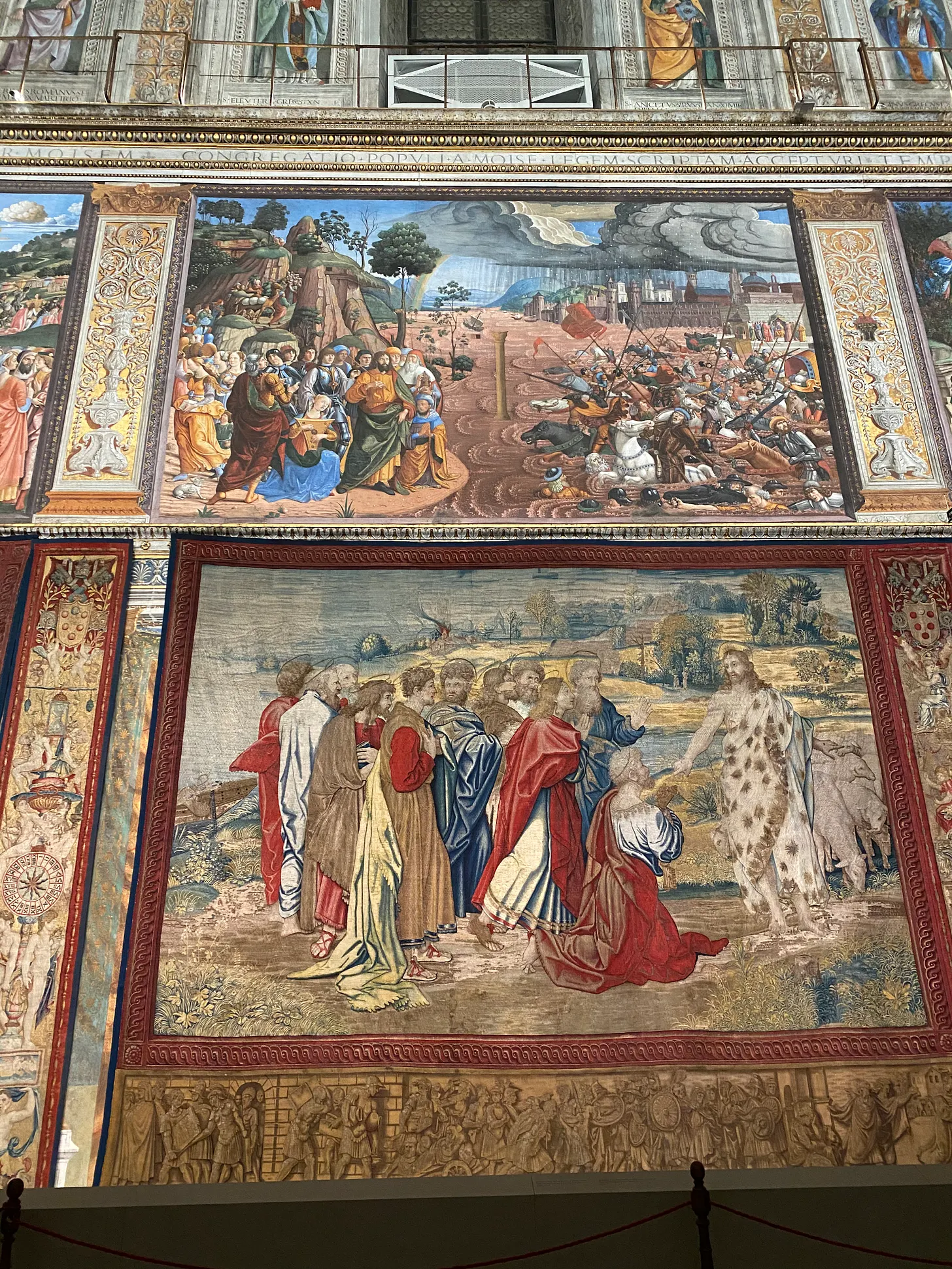
Raphael,
Photographed by
Agnes Crawford 2020
Tapestries woven
between 1517 and
1519 |
- The tapestries were woven to designs commissioned from Raphael by Pope Leo X
of the Medici family a year or
2 after his accession to the throne of St Peter in 1513.
|
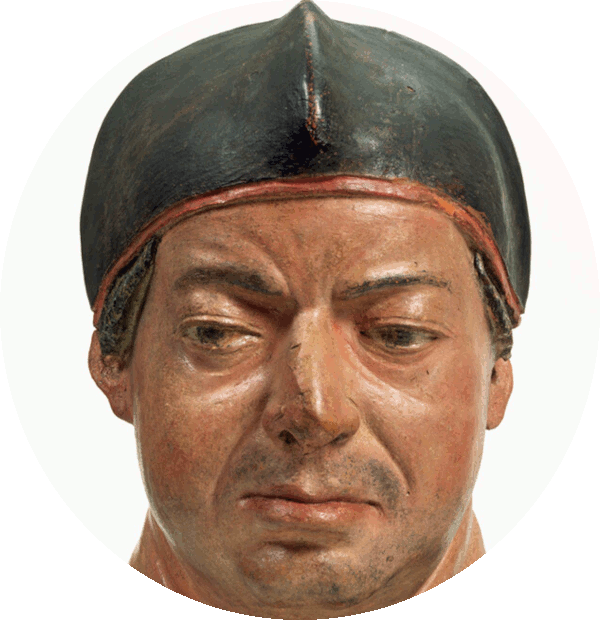
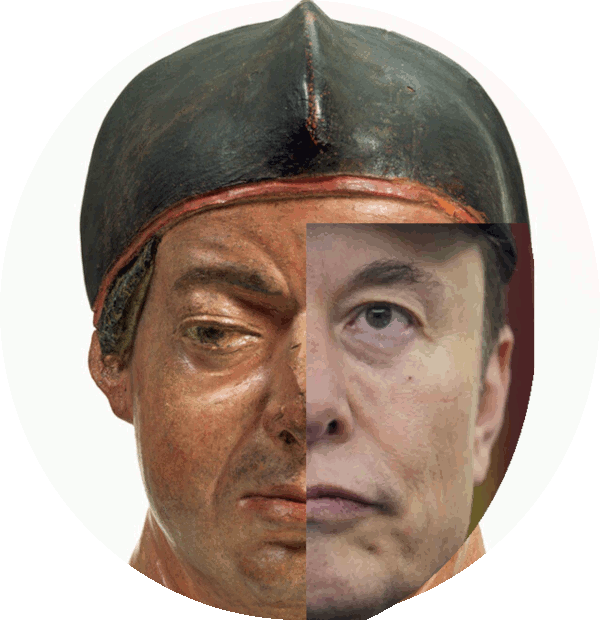
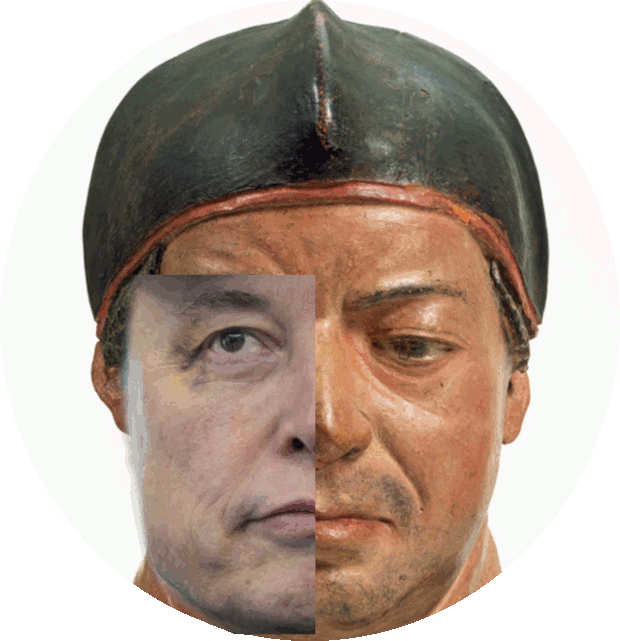
Pope Leo X as Elon Musk |
 |
 |
Giovanni di Lorenzo de' Medici
1475-1521
12/11
12/1
Pope
217
|
Elon Reeve Musk
1971
6/28
Satan
|
 |
 |
|
X |
-
Pope Leo X (1475-1521) was head of the Catholic Church and leader of the Papal States from March
9, 1513 to his death in December 1521.
- Two sides of the
same coin creating division, he excommunicated Martin Luther
for his actions in the Protestant Reformation when Luther
attempted to split the Catholic church in half.
- The
cartoons were intended to complete (and compete with) the ceiling painted by Michelangelo in the Cappella Magna
(Sistine Chapel) for Leo’s predecessor and nemesis Julius II.
|
The Sistine ceiling had been completed seven months before the death of Pope Julius, itself an addition to the wall decorations of Perugino, Botticelli and company which had been commissioned by the chapel’s builder, Julius’ uncle, Pope Sixtus IV. If Sixtus’ and Julius’ decorations sought to emphasise the fortunes of their family, the della Rovere (two popes in twenty years was, after all, a pretty impressive achievement), then Leo’s completion of the decorations was a dramatic exercise in Medici bling.
(Agnes Crawford)
|
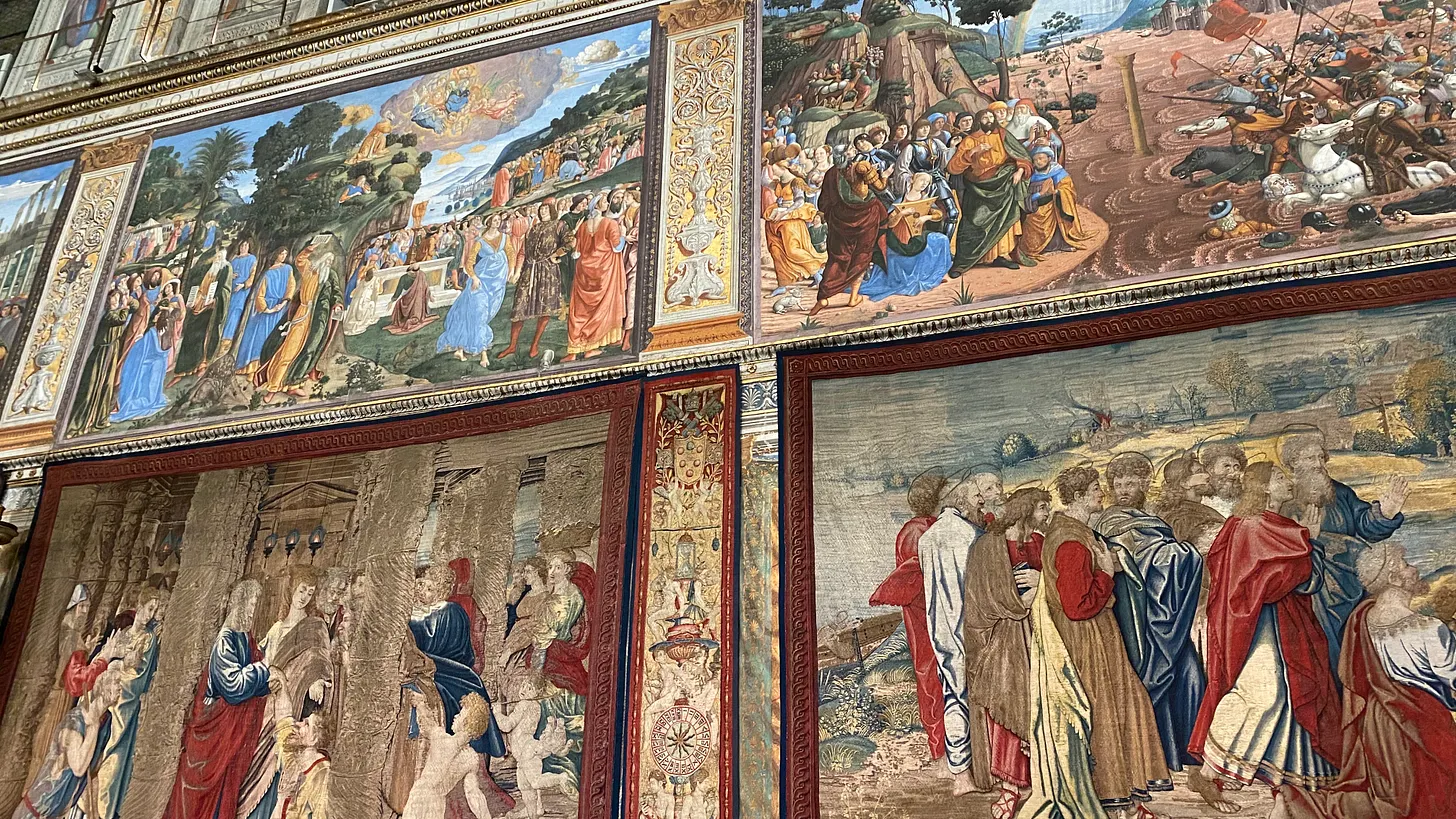
Raphael Tapestries,
Photographed by
Agnes Crawford 2020 |
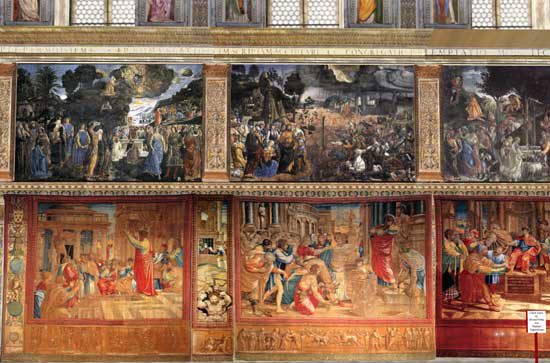
- In 2020, for one week only and for the first time in over 4 centuries, all of the surviving tapestries designed by Raphael were hung in the Sistine Chapel for which they were planned.
- An extraordinary occasion which was intended to open the year of exhibitions which were to commemorate the
500th year since Raphael’s death.
- Sadly Raphael never saw the tapestries hung in the chapel, he died the year before their completion and delivery to Rome.
|
Most of the expense was in the manufacture, with the creation of the tapestries in Brussels costing 15,000 ducats.
(Wikipedia)
|
Public Domain, via
Wikimedia Commons
Raphael Tapestries
in the Sistine
Chapel |
- The tapestries were woven following Raphael’s designs at the workshop of Pieter van Aelst in Brussels
which were created on paper as guides for the weavers to copy
and were called Raphael's Cartoons.
- Tapestry was a medium then flourishing in northern Europe. In the first instance tapestries offered protection against chill winds gusting through poorly insulated castles, and northern Europe is extremely draughty.
- Leo X was little concerned with insulation, his tapestries were to be woven with the finest wool and silks dyed with vibrant pigments, and with threads spun from silver and gold.
- Unlike fresco (and like the glittering gold of mosaic), tapestries were of significant intrinsic value.
- Many have fallen to the effects of time and some were burned to retrieve their precious metal content during the Sack of Rome, only
6 years after their completion.
|
The tapestries had very wide and elaborate borders,
also designed by Raphael, which these cartoons omit;
presumably they had their own cartoons. Some of the side borders are separate pieces. The borders included ornamentation in an imitation of Ancient Roman relief sculpture and carved porphyry, as well as scenes from the life of Leo. They were themselves very influential, and sometimes used for other tapestries.
(Wikipedia)
|
|
|













